
How to choose the ideal neighborhood to maximize your real estate investment
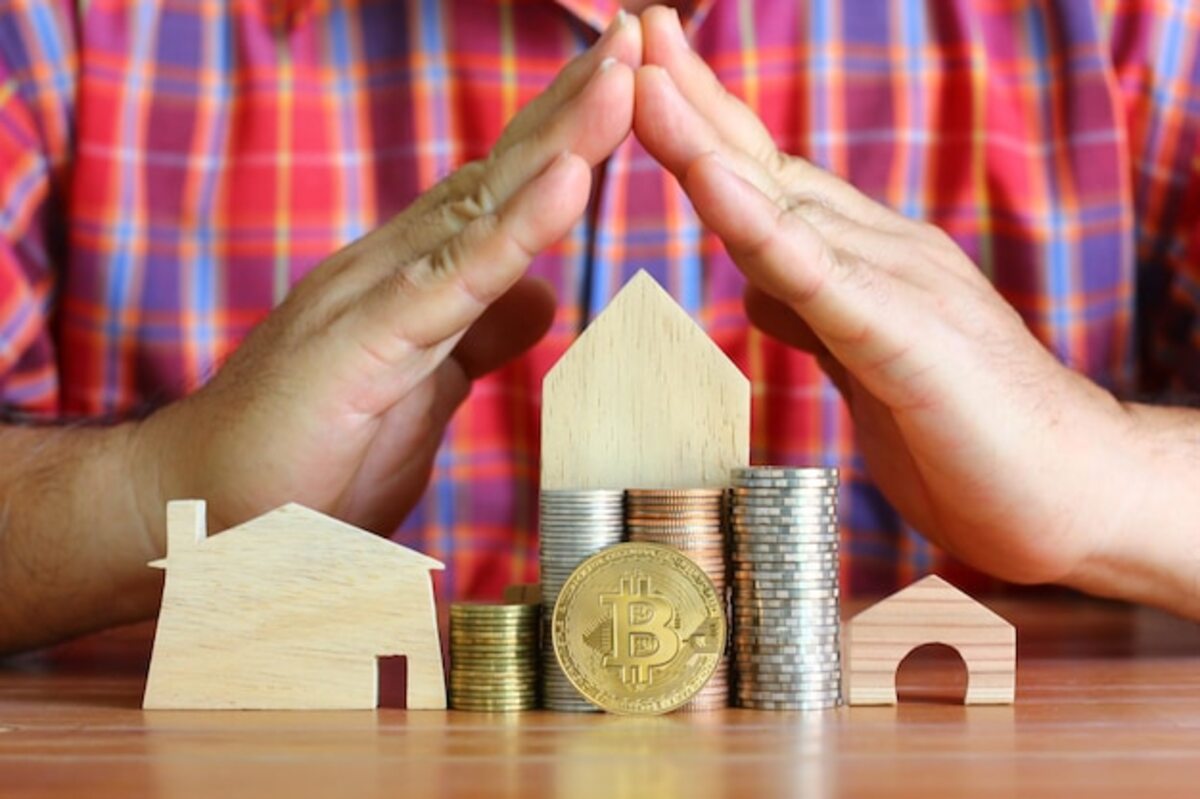
Choosing the right neighborhood is key to maximizing your real estate investment. In Costa Rica, where community living intertwines with growth opportunities, finding a strategic location can make the difference between a home and a profitable investment. This article will guide you through the essential aspects to consider when selecting the perfect spot, ensuring that your choice not only meets your personal needs but also boosts the long-term value of your property.
The importance of location in real estate valuation
Location is one of the most determining factors in real estate valuation, as it directly influences demand and the appeal of a property. A well-located neighborhood, with access to essential services like schools, hospitals, and shopping centers, not only improves the quality of life for its residents but also increases interest from potential buyers or renters. Proximity to main roads and public transportation options can further enhance the value of a property, making it a desirable place to live and invest.
It is also crucial to consider urban development projections and demographic trends of the area. Locations experiencing economic growth or undergoing revitalization often present unique opportunities for investors. By being aware of government plans or private projects that could enhance local infrastructure, you can anticipate how these changes will impact the long-term value of your investment. Essentially, choosing a neighborhood involves not just contemplating the present; it also means envisioning its future potential and how this can translate into profitability.
Advertisements
Key factors to consider when choosing a neighborhood
When choosing a neighborhood, one of the most important factors to consider is the infrastructure and services available in the area. Proximity to schools, hospitals, shopping centers, and recreational areas not only enhances the quality of life for its residents but also attracts future buyers and tenants. A well-equipped neighborhood with access to public transportation and main roads can be particularly appealing to families and professionals seeking convenience in their daily lives. Therefore, researching the amenities that the area offers is crucial to ensure that your real estate investment remains relevant and desirable.
Another fundamental aspect is the safety of the neighborhood. A safe environment not only provides peace of mind to its residents, but also directly influences property values. Researching crime statistics, as well as talking to current residents about their experiences in the area, can provide you with valuable insights. Additionally, a neighborhood with a strong community and community activities fosters a sense of belonging that can be very attractive to potential buyers or renters. By prioritizing these elements when selecting your ideal location, you will be taking solid steps toward a successful and sustainable real estate investment.
Accessibility and transportation: how close are you to everything?
Accessibility and transportation are determining factors when selecting a neighborhood, as they directly impact the quality of life of its residents. An area well-connected with public transportation options, such as buses and trains, facilitates daily commutes, which can be a great attraction for potential buyers or tenants. Additionally, proximity to main roads and highways reduces travel time to workplaces, schools, and essential services, making location a key element in maximizing your real estate investment. Also, consider the pedestrian and cyclist infrastructure of the neighborhood. Safe and walkable or bike-friendly streets not only promote a healthier lifestyle but also increase the perceived value of properties in the area. The presence of parks, local shops, and recreational centers near the home contributes to a better quality of life and can attract young families seeking convenience and access to services without needing to rely solely on a car. In this sense, evaluating these aspects will help you identify areas with greater potential for appreciation in the future.
Services and amenities: beyond the basics
When choosing a neighborhood, it is crucial to consider the services and amenities it offers beyond the basics. Areas that have access to facilities such as gyms, parks, shopping centers, and recreational spaces not only enhance the quality of life for their residents but are also appealing to future buyers or renters. For example, a neighborhood with good schools and nearby healthcare is often valued by families, which helps maintain demand in the real estate market. These features can significantly influence the resale value of your property and its performance as an investment.
Additionally, connectivity and public transportation are determining factors when evaluating a neighborhood. Proximity to main routes, train stations, or bus stops can facilitate the daily lives of residents and attract those seeking a practical option for commuting to work or enjoying activities in other areas. A well-connected neighborhood tends to maintain its appeal even during difficult economic times. When researching additional services available—such as public libraries, cultural centers, or community events—you can also identify those areas that foster a strong and cohesive sense of community, which is equally valuable for maximizing your real estate investment.
Safety and quality of life: fundamental pillars
Safety is an essential aspect in choosing a neighborhood, as it directly influences the quality of life of its residents and, consequently, the value of properties. A safe environment not only provides peace of mind to the inhabitants but also attracts potential buyers and renters. Researching crime rates and police presence in the area can give you a clear insight into the safety of the area. Additionally, consider aspects such as the maintenance of public spaces and community involvement; a neighborhood where residents actively engage tends to be safer and more welcoming.
On the other hand, quality of life encompasses factors such as access to basic services, recreational areas, and education. A neighborhood that has well-rated schools, nearby hospitals, and leisure options significantly enhances your daily experience and is attractive to families. These elements not only enrich your everyday life but also increase the desire to live in that area, which can raise your property's value over time. By choosing a place with high quality of life, you are investing not only in a property but in a lifestyle that ensures both personal and financial satisfaction.
Trends in the real estate market in Costa Rica
The trends in the real estate market in Costa Rica highlight sustained growth in certain areas, driven by both national and international demand. Regions like Guanacaste and the Valle Central have experienced a boom in the construction of residential and commercial projects, reflecting a growing attraction to these locations. Improvements in road infrastructure and public services have also contributed to making these neighborhoods more appealing for those seeking not only a home but also a safe investment. Identifying these emerging areas can be crucial for maximizing the return on your long-term investment.
Another relevant aspect is the trend towards a sustainable lifestyle, which has led many developers to incorporate eco-friendly practices into their projects. This includes the creation of communities with green spaces, access to efficient public transportation, and renewable energy solutions. Investing in neighborhoods that prioritize sustainability not only responds to a growing demand among environmentally conscious buyers but can also increase the resale value of your property. When evaluating current trends, it is crucial to consider how they align with your personal and financial goals when choosing the ideal place to invest.
The influence of urban development on your investment
The influence of urban development on your investment is a crucial factor to consider when choosing a neighborhood. Growing areas, driven by infrastructure projects, utilities, and transportation improvements, tend to experience an increase in property demand. By investing in areas where future developments are anticipated, you are not only acquiring a property but also betting on a significant increase in its value as the community expands and evolves. Watch the trends in the local real estate market and stay alert to urban planning that may transform a specific area.
Additionally, urban development can directly influence the quality of life of residents, which in turn affects property value appreciation. Projects such as parks, shopping centers, and schools often attract more families and professionals, creating a constant demand for housing in those locations. When researching the growth potential of different neighborhoods, it is essential to assess how these developments can enhance the social and economic dynamics of the area, thus ensuring that your investment is not only safe but also profitable in the long term.
How to assess the future potential of the neighborhood
Evaluating the future potential of a neighborhood is essential to ensure that your real estate investment is not only viable in the present but also appreciates over time. To begin, it is crucial to research the urban development plans and infrastructure investments scheduled for the area. Projects such as new schools, hospitals, public transportation stops, or even shopping centers can significantly increase the demand for housing and, therefore, the value of the property. Stay informed about government and private initiatives aimed at revitalizing specific areas; these changes can transform a neighborhood into a highly desirable place.
Additionally, analyze the demographic and socioeconomic trends of the area. A sustained growth in the young population or an influx of professionals may indicate an increase in future housing demand. Employment statistics and economic development are key indicators; if large companies are establishing headquarters nearby or if there is a decrease in the unemployment rate, it is likely that the neighborhood's value will remain strong in the long term. Also consider factors such as safety and quality of life. An attractive environment will not only benefit your investment but will also attract future buyers or tenants, thus ensuring a positive return on your real estate investment.
Advertisements
More in Community Living

Location and Value, Community Living
The impact of accessibility on the value of your property

Location and Value, Community Living
Where to invest in properties: keys for a successful location

Location and Value, Community Living
Real estate opportunities: the hidden potential of your neighborhood

Location and Value, Community Living
The historical legacy and its impact on the appreciation of your home.
Most viewed in Location and Value

Location and Value, Best Areas
House rents in October: what rose and what fell

Location and Value, Best Areas
The housing market in October: what rose and what fell

Location and Value, Best Areas
The lot market in October: what rose and what fell
Location and Value, Community Living
The impact of accessibility on the value of your property