
Key factors in choosing an affordable neighborhood for your home

Choosing the right neighborhood for your home is not just a matter of convenience, but also a crucial financial decision. In this article, we will explore the key factors that will determine the profitability of your real estate investment. From the infrastructure and available services to the community environment, every aspect influences the appreciation of your property. Get ready to discover how to select a neighborhood that not only fits your lifestyle but also provides you with a prosperous future.
The importance of location: why is it essential?
The location of a neighborhood is a determining factor in the profitability of a real estate investment. A well-located neighborhood not only provides access to essential services such as schools, hospitals, and public transportation, but it can also influence the resale value of the property. Proximity to commercial areas, parks, and recreational spaces is often an attraction for future buyers or tenants, which increases demand and, consequently, market prices. Therefore, analyzing the location is essential to ensure that your home is not only a personal refuge but also a solid financial investment.
Moreover, the location directly impacts the quality of life of its residents. A safe and pleasant environment fosters a vibrant community where people want to live. Factors such as the crime rate, the maintenance of common areas, and urban planning are aspects that can affect both your daily well-being and the long-term value of your property. Investing time in researching and visiting different neighborhoods will allow you to identify those that meet your personal and financial expectations. At the end of the day, a good location is synonymous with stability; choosing wisely can make all the difference in your financial future.
Advertisements
Infrastructure and accessibility: keys to a good neighborhood.
The infrastructure of a neighborhood is one of the fundamental pillars that determines not only the quality of life of its residents but also the long-term profitability of a real estate investment. Elements such as the condition and maintenance of public roads, the availability of efficient public transportation, and proximity to essential services like schools, hospitals, and supermarkets play a crucial role in attracting new buyers and tenants. A well-connected neighborhood with modern infrastructure tends to experience higher demand, which can translate into a significant increase in property values.
Accessibility extends beyond transportation and services; it involves considering aspects such as safety and the community environment. An accessible neighborhood should provide a sense of well-being, where residents feel safe walking through its streets or enjoying public spaces. The presence of parks, recreational areas, and community activities fosters a sense of belonging among neighbors, which helps to maintain and increase the value of the area. In summary, investing in a neighborhood with good infrastructure and high accessibility not only enhances your quality of life but also ensures solid returns for your home.
Nearby services: schools, hospitals, and shops.
Proximity to essential services such as schools, hospitals, and businesses is a determining factor when choosing a neighborhood. A good school nearby not only ensures a quality education for children but also increases property values in the area. Families are always looking for locations where they can easily access recognized educational institutions, which translates into higher demand and, therefore, a higher appreciation for your home. Additionally, having nearby medical services provides peace of mind and security to residents, as accessibility is key in emergencies or routine consultations.
On the other hand, the commercial offerings of the neighborhood also play a crucial role in the choice of where to live. Proximity to supermarkets, specialty stores, and shopping centers not only makes daily shopping easier but also contributes to creating a vibrant and dynamic environment. Neighborhoods with good businesses tend to attract more visitors and potential homebuyers, which can be very beneficial if you decide to sell your property in the future. In summary, evaluating these nearby services will allow you to make informed decisions that positively impact the value of your real estate investment.
Safety and quality of life in the community.
Safety is a fundamental element in the quality of life of any community and, in turn, one of the most influential factors in the profitability of a real estate investment. A safe neighborhood not only protects the well-being of its residents but also translates into greater stability in the real estate market. Areas with low crime rates tend to attract buyers and renters, which increases demand and, consequently, the value of properties. When evaluating a potential neighborhood, it is essential to research crime statistics and consider the presence of services such as community patrols or neighborhood watch programs.
In addition to physical safety, the general perception of the community environment plays a crucial role in the quality of life. A neighborhood where residents know each other and actively participate in local activities fosters a sense of belonging and social cohesion. This not only enhances the daily experience of living there but can also positively impact the resale or rental value of the property. Communities with regular events, well-maintained public spaces, and opportunities for interaction are more attractive to both families and young professionals. When evaluating your future investment, consider how these aspects contribute to creating a safe and enriching environment that will benefit your lifestyle and long-term wealth.
Future projects: how they influence appreciation.
Future projects in a neighborhood are a determining factor in the appreciation of a property. The planning of new infrastructures, such as schools, hospitals, parks, and shopping centers, can significantly transform an area. When the development of these facilities is announced, it often generates renewed interest in the area, which can lead to an increase in housing demand. This not only improves the quality of life for current residents but also attracts new buyers and investors, thereby raising the value of the local real estate market. Furthermore, it is crucial to research urban plans and government initiatives that may impact the neighborhood. Projects like the creation of public transport routes or pedestrian zones can facilitate access to other important areas and turn a previously unattractive neighborhood into a highly desired one. On the other hand, it is vital to stay alert to any possible opposition or uncertainty surrounding these developments; unexpected changes can negatively influence the perception of the area and directly affect its future valuation. Therefore, carefully evaluating future projects is essential for making informed decisions about real estate investment.
Culture and community environment: the human factor.
The culture and community environment are essential elements that can make a difference in the choice of a neighborhood. An environment where residents know each other and share common interests can create a sense of belonging that not only enhances quality of life but also fosters a safe and welcoming atmosphere. Communities that organize events, such as local fairs or recreational activities, promote social interactions that strengthen relationships among neighbors. This type of social cohesion is not only personally rewarding but can also increase property values in the area by attracting more buyers interested in this connection.
Additionally, cultural diversity within a community can enrich the experience of living in a neighborhood. An environment where different traditions, gastronomy, and perspectives coexist facilitates greater openness and understanding among residents. This not only creates a vibrant and dynamic environment but can also be attractive to potential tenants or buyers in the future. Areas with a rich cultural life often see an increase in their real estate demand, which positively impacts the profitability of your investment. Therefore, when evaluating the human factor in your neighborhood choice, consider how these characteristics could influence both your quality of life and the economic growth of the area.
Real estate market trends in Costa Rica.
The real estate market in Costa Rica has shown steady growth, driven by both domestic and international demand. Urban areas, especially those close to beaches and mountains, have experienced a significant increase in property prices. This is due to the attraction of expatriates and tourists seeking vacation or permanent residences in a natural and healthy environment. Furthermore, investment in public infrastructure, such as roads and basic services, has improved access to these areas, contributing to the rise in property values.
Another relevant aspect is the growing trend towards sustainable communities and eco-friendly projects. Buyers are increasingly interested in neighborhoods that offer not only comfort and modern amenities but also a commitment to the environment. This focus not only enhances the quality of life for residents but also increases the long-term value of properties. When selecting a profitable neighborhood in Costa Rica, it is essential to consider these real estate market trends to ensure a safe investment with potential for future growth.
Practical tips for researching a neighborhood before buying.
Researching a neighborhood before making a purchase is essential to ensure that your investment is safe and profitable. A practical first step is to visit the area at different times of the day and during the week. This will allow you to observe traffic flow, community activity, and the overall feel of the neighborhood. Additionally, interacting with residents can provide you with valuable information about safety, available services, and the quality of life in that area. Pay attention to details such as the maintenance of streets and public spaces, as these factors also reflect the community's commitment and management.
Another useful tip is to research neighborhood statistics through online resources or local reports. You can check data on crime rates, school performance, and real estate trends. These figures will help you better understand whether the neighborhood is experiencing growth or decline. Also, consider exploring future projections for the area; urban development projects or infrastructure improvements may indicate a potential increase in property values. Remember that a good choice will not only benefit your immediate well-being but will also contribute to securing a solid financial future by choosing a place with promising prospects.
Advertisements
More in Community Living
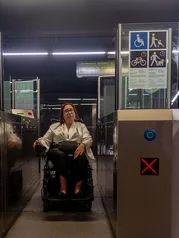
Location and Value, Community Living
The impact of accessibility on the value of your property

Location and Value, Community Living
Where to invest in properties: keys for a successful location

Location and Value, Community Living
Real estate opportunities: the hidden potential of your neighborhood

Location and Value, Community Living
The historical legacy and its impact on the appreciation of your home.
Most viewed in Location and Value

Location and Value, Best Areas
House rents in October: what rose and what fell

Location and Value, Best Areas
The housing market in October: what rose and what fell

Location and Value, Best Areas
The lot market in October: what rose and what fell
Location and Value, Community Living
The impact of accessibility on the value of your property