
Choosing the Perfect Location for Your Housing Investment
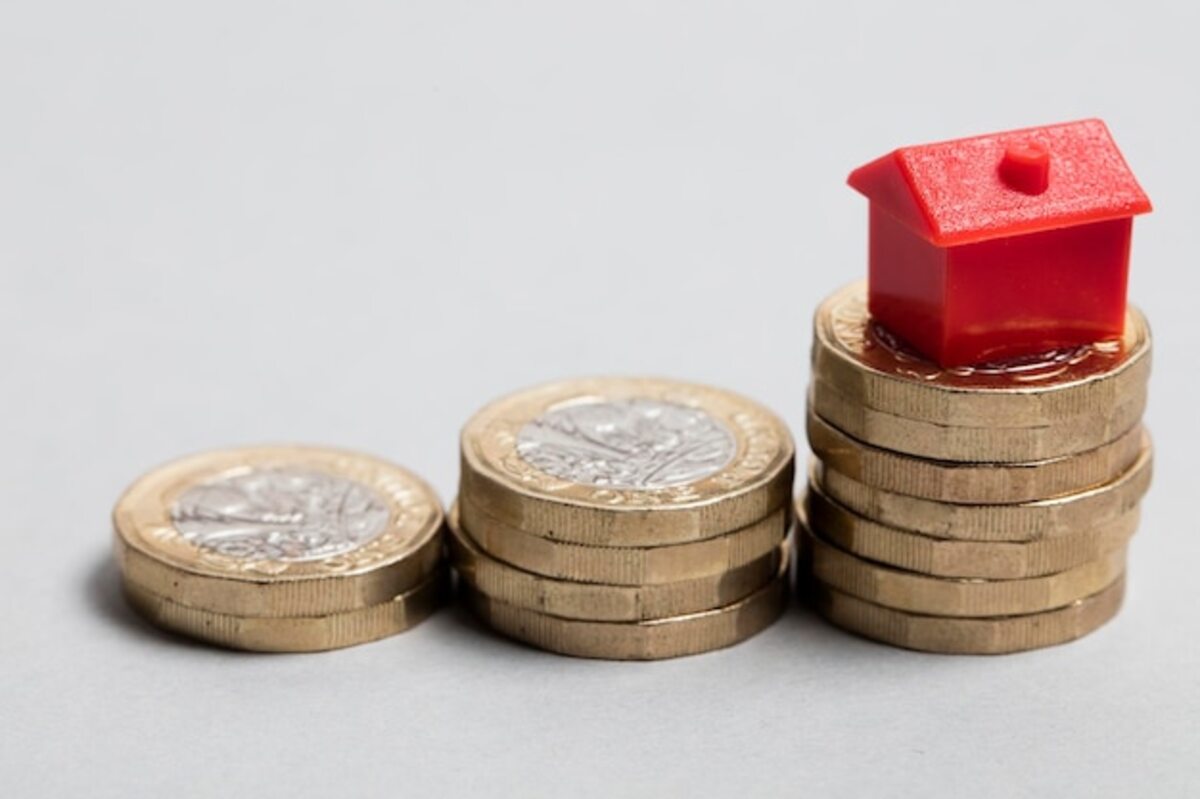
Selecting the perfect location for your housing investment is one of the most crucial decisions you can make. In the dynamic Costa Rican market, emerging areas offer exceptional opportunities that combine growth and appreciation. Identifying these strategic places will not only allow you to maximize your return on investment but also enjoy a vibrant and constantly developing environment. Join me in discovering the secrets to finding that hidden gem where your investment will thrive.
Real Estate Market Trends in Emerging Areas
Emerging areas have become the focal point within the real estate market, as they offer an attractive balance between accessibility and potential appreciation. These areas, often located on the outskirts of traditional urban centers, feature growing infrastructure, such as new residential developments, commerce, and basic services that attract both new residents and investors. As the demand for affordable housing increases, these regions present unique opportunities for those looking to maximize their investment without sacrificing quality of life.
Moreover, demographic trends also play a crucial role in the valuation of these emerging areas. The interest in larger and quieter spaces has led many families and young professionals to seek options outside the urban hustle. This shift is not only driving urban development in these areas but also fostering a vibrant cultural diversity that can enrich the experience of living there. Investing in these locations can offer not only attractive economic returns but also the satisfaction of being part of growing communities that are redefining the concept of home.
Advertisements
Key Factors that Determine Added Value
The appreciation of a property is influenced by multiple factors, with location being one of the most determining. Areas that are experiencing demographic and economic growth tend to be more attractive to investors, as the demand for housing in these places tends to increase over time. Proximity to essential services such as schools, hospitals, shopping centers, and recreational spaces also plays a crucial role in the property’s valuation. The more accessible and convenient the area is for future residents, the greater the likelihood that your investment will appreciate significantly.
Another important aspect to consider is the development of infrastructure and urban projects in the region. Investments in public transport, roads, and basic services not only improve the quality of life for residents but also increase interest in local properties. Additionally, the social and cultural environment of the area can attract different demographic groups; areas with a varied offering of cultural and recreational activities tend to maintain their appeal over time. Therefore, researching future urban development plans will allow you to anticipate market trends and identify valuable opportunities for your housing investment.
Analysis of Local Infrastructure: A Fundamental Pillar
When considering the perfect location for your housing investment, analyzing the local infrastructure becomes a fundamental pillar. Areas with well-developed infrastructure, including roads, efficient public transport, and basic services such as water, electricity, and sanitation, not only enhance the quality of life for their residents but also increase property values in the long term. Additionally, proximity to hospitals, schools, and shopping centers can be a decisive factor for future buyers or tenants, ensuring a constant demand in the market.
An urban environment with access to high-speed Internet and recreational spaces is also crucial in analyzing local infrastructure. With the rise of telecommuting and the search for work-life balance, areas that offer these amenities are highly valued by potential residents. Evaluating these aspects will allow you to identify not only a financially attractive property but also a place where people want to live and work. In this sense, conducting a thorough study on how infrastructure is structured in different areas will help you make informed decisions that will benefit both your investment and your quality of life.
Proximity to Services and Amenities: Why Does It Matter?
Proximity to services and amenities is a key factor that can influence the quality of life for residents and, therefore, the value of your investment. Living close to supermarkets, schools, hospitals, and recreational centers not only enhances daily convenience but also attracts a larger number of potential buyers or tenants. In an environment where people seek to optimize their time, having a good range of services within reach becomes an irresistible attraction. A strategic location reduces travel time and promotes a more balanced and fulfilling life.
Additionally, accessibility to public transportation and main roads can be crucial in attracting different segments of the real estate market. Young families value proximity to educational institutions that offer quality education; while single professionals may seek areas with cultural and entertainment options. Therefore, analyzing the immediate environment in terms of available services will not only help ensure a good quality of life for you or your future tenants, but it will also allow your property to maintain its relevance and competitiveness in a changing market.
Demographic Study: Understanding Your Future Tenants
To optimize your investment in housing, it is essential to conduct a demographic study that allows you to understand your future tenants. Understanding the demographic profile of the area where you plan to invest will not only help you determine the most suitable type of property but also enable you to anticipate the needs and preferences of potential renters. Factors such as age, socioeconomic level, family composition, and the interests of the local population are key aspects that can influence the success of your investment. An area with a high concentration of young professionals, for example, might demand modern and functional apartments, while a more established community might prefer family homes with spacious areas.
Additionally, analyzing long-term demographic trends can provide you with valuable insight into the future growth of the area. If you notice that a locality is experiencing an increase in its population or positive migration towards it, there is likely to be an increase in the demand for housing in that area. Therefore, ensuring that you invest in places where sustained growth is projected can maximize not only your rental income but also the resale value. Do not underestimate the power of demographic knowledge: understanding who your tenants will be tomorrow can be the key to successfully selecting the perfect location for your housing investment.
Impact of Urban Development in Emerging Areas
Urban development in emerging areas is a phenomenon that significantly transforms the landscape and dynamics of a region. These often neglected areas begin to attract investments in infrastructure, services, and commerce, resulting in an increase in interest from new residents and businesses. As an investor, observing how an area is reconfigured can be key to anticipating its growth potential. Improvements in transportation, the creation of public spaces, and the increase of basic services elevate not only the quality of life but also the value of local properties. Therefore, identifying areas with promising urban plans can be the difference between a mediocre investment and a highly profitable one.
Moreover, the impact of urban development goes beyond the simple increase in property values; it also fosters a sense of community and social cohesion. As new residents move into these revitalized areas, a rich cultural diversity emerges that enhances the local commercial offer and promotes community initiatives. This not only attracts more people interested in buying homes but also improves the overall perception of the place as an appealing space to live and invest. Thus, when selecting your perfect location to invest in housing within emerging areas, it is crucial to assess how urban trends can positively influence both your financial return and the social well-being of the environment where you decide to settle.
Practical Tips for Evaluating a Potential Location
When evaluating a potential location for your housing investment, it is essential to thoroughly research the surrounding environment. Start by analyzing the existing infrastructure, such as schools, hospitals, and shopping centers. A good public transportation network and accessibility to major roads are key factors that not only enhance the quality of life for residents but also increase the demand for properties in that area. Additionally, consider the projections for urban development; a neighborhood that may currently seem quiet could transform into a vibrant hub if there are plans for new projects.
Another important aspect is to study the local community and its social dynamics. Visit the neighborhood at different times of the day to understand how the atmosphere feels both during the week and on weekends. Talking to current residents will provide you with valuable information about aspects such as safety, community services, and available recreational activities. Finally, stay informed about real estate market trends in the area; this information will allow you to anticipate changes in property values and make informed decisions that maximize your long-term investment.
Advertisements
More in Emerging Areas

Location and Value, Emerging Areas
Dream Retreat in La Fortuna with Nature and Growing Value

Location and Value, Emerging Areas
Locations with Value: Keys for Your Safe Investment

Location and Value, Emerging Areas
Opportunities for Capital Gains in Areas with Sustainable Projects

Location and Value, Emerging Areas
Aspects to consider when choosing a location in growing neighborhoods
Most viewed in Location and Value

Location and Value, Best Areas
House rents in October: what rose and what fell

Location and Value, Best Areas
The housing market in October: what rose and what fell

Location and Value, Best Areas
The lot market in October: what rose and what fell

Location and Value, Community Living
The impact of accessibility on the value of your property