
How to identify areas with rising property value for your investment
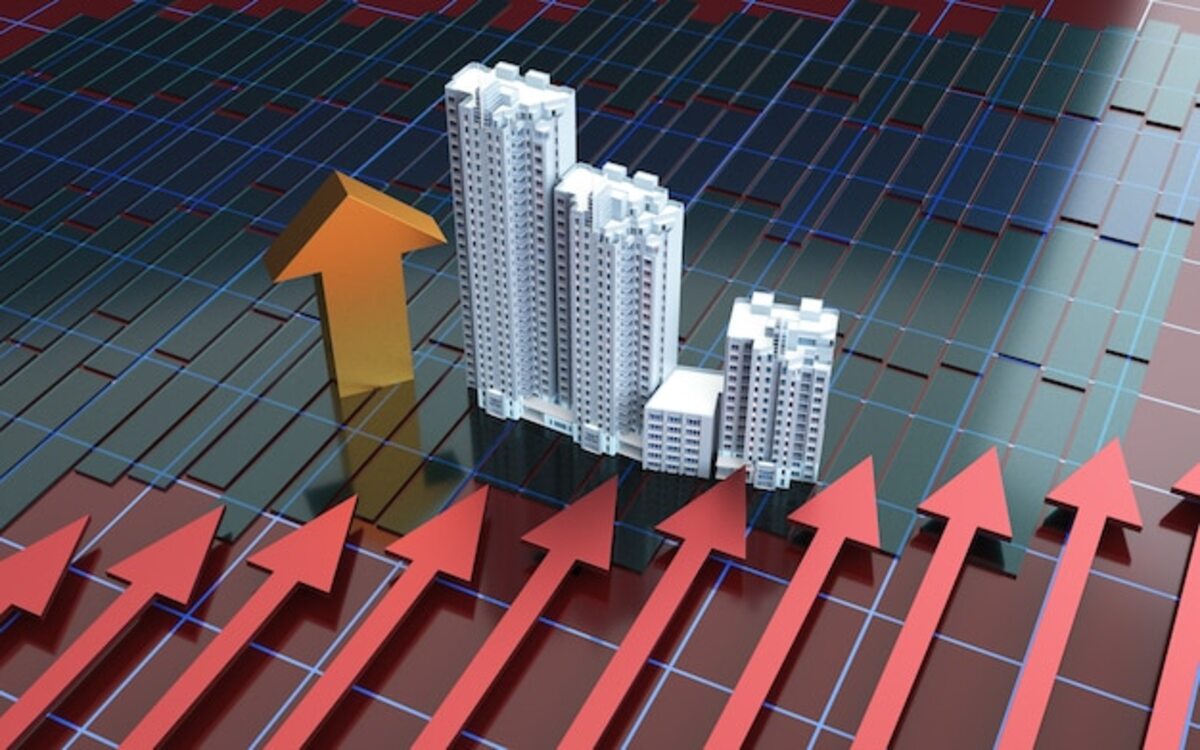
Identifying areas with increasing added value is key to maximizing your real estate investments. In a dynamic market like Costa Rica, knowing the emerging zones can make the difference between a successful investment and a missed opportunity. This article will guide you through the characteristics that define these areas, providing you with useful tools to make informed and profitable decisions. Get ready to discover how to identify those places that are on their way to becoming the next hotspots of urban development.
Characteristics of Emerging Markets: What to Look For?
Emerging areas often exhibit distinctive characteristics that make them attractive to investors. One of the most evident aspects is the developing infrastructure, such as new roads, efficient public transport, and improved basic services. These elements not only facilitate access to the area but also foster a conducive environment for business and residential growth. Additionally, the arrival of commercial or educational projects can be a key indicator that an area is beginning to attract both residents and businesses, which is crucial for increasing property value. Another important factor to consider is the demographics of the area. Areas with a growing population profile, especially those attracting young families or professionals seeking affordable housing, tend to generate higher demand for properties. Observing trends such as the increase in the number of inhabitants and their socioeconomic status can provide clues about the future potential of the area. The presence of amenities like parks, recreational centers, and schools also plays a vital role in attracting new residents and can be a good indicator of the sustainable value expected in these emerging locations.
Advertisements
Analysis of Real Estate Market Trends
Market trend analysis in the real estate sector is essential for any investor looking to maximize their profitability. As urban dynamics change, different areas begin to stand out for their growth potential. Factors such as infrastructure development, the arrival of new services, and the increase in housing demand are key indicators to consider. Studying these elements not only allows for the identification of areas with appreciation but also provides a clearer view of how the local economy can influence property prices.
It is also important to pay attention to demographic changes and the preferences of current buyers. New generations tend to seek more sustainable and connected lifestyles, which drives development in areas that offer access to public transportation, green spaces, and cultural options. Analyzing these trends will allow you to anticipate the market and select locations with high appreciation potential. The key is to observe not only what is happening today but also what could happen in the near future, helping you make informed and strategic decisions for your real estate investments.
Impact of Infrastructure on Property Value
The impact of infrastructure on the appreciation of a property is undeniable. When new access roads, public transportation systems, parks, and basic services such as water and electricity are developed, the quality of life in an area increases, which in turn attracts more residents and businesses. This influx of people and economic activities contributes to the rise in real estate value. For example, areas that were previously considered peripheral can quickly transform into desirable places due to improved connectivity and the creation of public spaces that promote community well-being.
It is also essential to observe the urban development plans that municipalities have projected for the future. Public investment in infrastructure not only improves current conditions but also sends clear signals to the market about the potential growth of an area. Areas with promising projects, such as shopping centers or advanced educational facilities, often experience a significant increase in their value even before these improvements materialize. Therefore, being attentive to these plans can provide you with a competitive advantage when investing in real estate and thus ensure a long-term return on your investment.
Socioeconomic Factors Driving Growth
Socioeconomic factors play a crucial role in the growth of areas with potential for appreciation. One of the most relevant aspects is the increase in population in certain regions, which can be driven by internal migration or the arrival of new residents attracted by job opportunities and quality of life. This population growth not only raises housing demand but also fosters the development of infrastructure and basic services such as schools, hospitals, and public transportation, elements that in turn increase the value of land and properties in the area.
Another important factor is the level of public and private investment in these areas. Government projects aimed at improving urban infrastructures, as well as private initiatives to develop commercial or residential complexes, are often clear indicators of the growing interest in a specific locality. The creation of jobs and the improvement of access to essential services can quickly transform an area from being considered peripheral to becoming a hotspot for investors and buyers. Observing these economic movements can provide valuable insights into where the best opportunities for real estate investment lie.
The Importance of Proximity to Services and Businesses
Proximity to services and businesses is a determining factor in the appreciation of a property. Areas with easy access to supermarkets, stores, restaurants, and entertainment centers tend to attract more residents and, consequently, more investments. This closeness not only enhances the quality of life for inhabitants but also creates a conducive environment for local economic growth. Investing in areas where services are accessible can result in a significant increase in the property's value over time.
Additionally, the presence of nearby educational institutions and health centers further enhances the appeal of a location. Families highly value living close to well-rated schools and reliable hospitals, which increases demand in these areas. This means that properties strategically located near these services tend to maintain their value and even increase it, becoming preferred options for tenants or future buyers. Therefore, when evaluating a real estate investment, it is crucial to consider not only the property itself but also its immediate surroundings and the availability of key services.
How to Research Local Urban Development
Researching local urban development is essential to identify areas with increasing value. To start, it is advisable to closely follow the urban planning and development plans issued by municipalities. These documents often detail future projects, such as the construction of new infrastructures, parks, and shopping centers, as well as improvements in public transportation. By analyzing these plans, you can anticipate which areas are set to experience significant growth in the coming years, which could translate into an increase in property values in that area.
It is also important to observe the demographic and socioeconomic trends affecting the local community. Factors such as the increase in the young population, the arrival of new residents for work or educational reasons, and the growth of basic services can be key indicators of a zone's potential. Social media and digital platforms also provide valuable information about public perception regarding certain areas, whether through community groups or local forums where imminent changes and developments are discussed. Staying informed about these dynamics will allow you to make more informed decisions when investing in real estate.
Digital Tools to Identify Real Estate Opportunities
Digital tools have revolutionized the way investors can identify real estate opportunities. Platforms like Zillow, Realtor.com, and Redfin allow access to real-time market analysis, providing valuable information about property prices, sales trends, and demographic data. These applications not only display current listings but also offer historical graphs that help predict how an area will perform in the future. By using these tools, you can compare different areas and find those with growth potential before prices increase significantly.
In addition to traditional platforms, there are more specialized tools like GIS (Geographic Information Systems), which allow for the visualization of geospatial data and facilitate deeper analysis. These tools help you identify crucial factors such as proximity to schools, hospitals, and shopping centers, as well as existing or planned infrastructure. Integrating this type of technology into your research process not only optimizes the time spent but also provides you with a competitive advantage in making informed decisions about where to invest your capital. In an environment where every detail counts, leveraging digital capabilities is essential to uncover areas with increasing value.
Advertisements
More in Emerging Areas

Location and Value, Emerging Areas
Dream Retreat in La Fortuna with Nature and Growing Value

Location and Value, Emerging Areas
Locations with Value: Keys for Your Safe Investment

Location and Value, Emerging Areas
Opportunities for Capital Gains in Areas with Sustainable Projects

Location and Value, Emerging Areas
Aspects to consider when choosing a location in growing neighborhoods
Most viewed in Location and Value

Location and Value, Best Areas
House rents in October: what rose and what fell

Location and Value, Best Areas
The housing market in October: what rose and what fell

Location and Value, Best Areas
The lot market in October: what rose and what fell

Location and Value, Community Living
The impact of accessibility on the value of your property