
Identifying the true value in the location of your new home
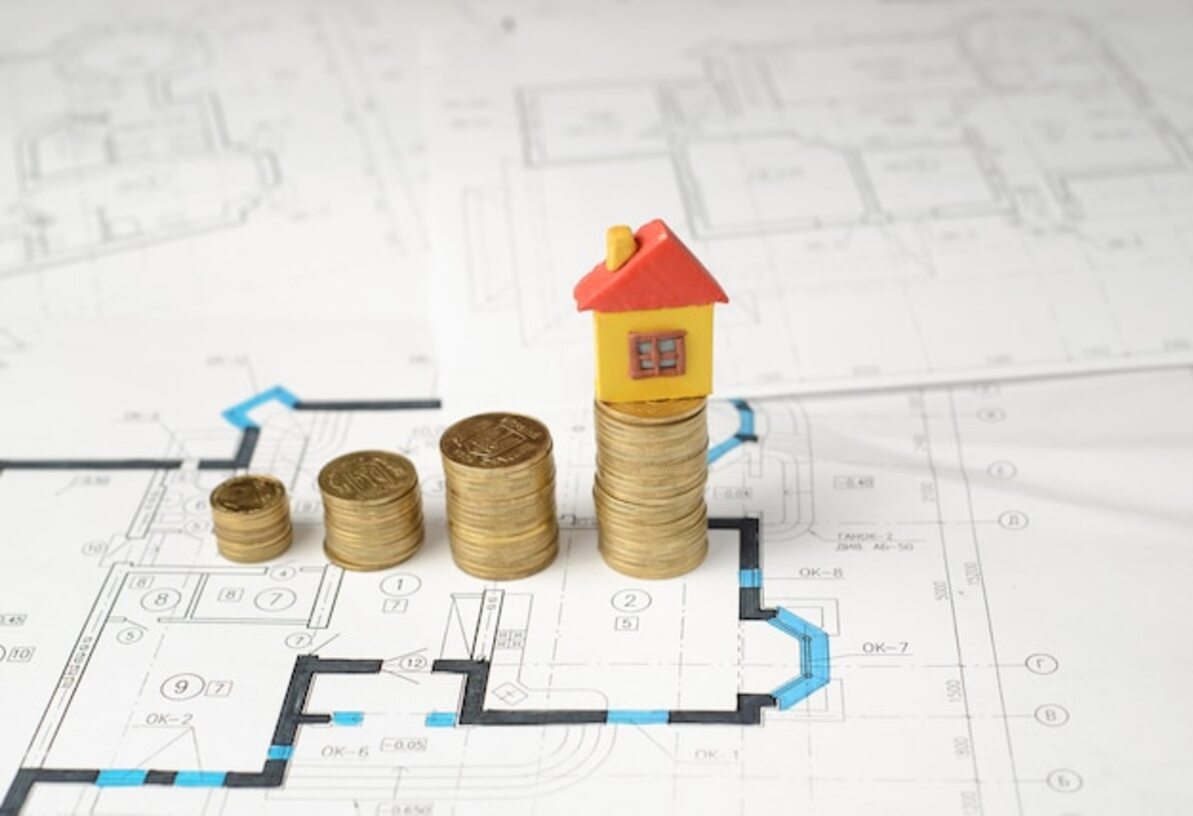
Identifying the true value in the location of your new home is crucial, especially in emerging areas where growth opportunities are abundant. In this article, we will explore how to choose a location that not only meets your current needs but also ensures long-term appreciation. Understanding the characteristics of these areas can transform your investment into a safe and profitable haven. Get ready to discover how to maximize the potential of your future home!
What defines an emerging area?
An emerging area is characterized by rapid growth in infrastructure and economic development, attracting both new residents and investors. These areas often have lower housing prices compared to established neighborhoods, making them an attractive option for those looking to maximize their investment. Furthermore, the increase in services such as schools, shops, and public transportation contributes to the revitalization of these localities, thereby improving the quality of life for their residents and creating an environment conducive to personal and professional growth.
Another fundamental aspect that defines an emerging area is the demographic trend towards its population. Often, these areas are driven by the arrival of young professionals or families seeking a more accessible and dynamic lifestyle. This influx not only increases the demand for housing but also fosters a diverse and innovative cultural environment. The combination of these factors creates a vibrant atmosphere that can result in a continuous increase in property value, thereby consolidating the appeal of investing in an emerging area.
Advertisements
Key factors that indicate growth in a location.
To identify the true value in the location of your new home, it is essential to consider certain key factors that indicate potential growth in the area. One of the most important aspects is the local infrastructure. The development of new roads, efficient public transportation, and basic services such as schools, hospitals, and shopping centers are clear signs that an area is on the rise. These improvements not only facilitate the daily lives of residents but also attract new buyers and tenants, which can significantly increase property values in the long term.
Another determining factor is the economic dynamism of the area. The presence or arrival of major companies and employers is often a strong indicator of future growth. Areas where emerging industries are being established or where there is an increase in employment tend to attract more people seeking housing, which raises real estate demand. Additionally, the community environment and local initiatives to promote cultural and recreational activities can further enhance the appeal of a location, making it not only a place to live but also a desirable space for investment.
The importance of transportation and infrastructure.
Infrastructure and transportation are fundamental pillars that determine the true value of a location for your new home. An efficient transportation network, including access to main roads, subway stations, or bus stops, not only facilitates daily mobility but also enhances connectivity with other key areas. Well-connected zones tend to attract more interest from buyers and renters, which translates into a significant increase in property value over time. In this sense, it is vital to research future development projections in terms of public transportation and accessibility.
Similarly, the quality of local infrastructure directly impacts the attractiveness of the neighborhood. The presence of essential services such as schools, hospitals, and shopping centers within the area contributes to creating a comfortable and functional environment for residents. Investing in a location where these services are readily available not only enhances your quality of life but also ensures that your property retains its value and even appreciates over time. Therefore, when choosing your new home, consider how infrastructure and transportation options can positively influence your long-term investment.
Analysis of the real estate market in emerging areas.
The analysis of the real estate market in emerging areas is essential for any buyer looking to maximize their investment. These areas often offer more affordable prices compared to already established zones, providing the opportunity to acquire properties at a lower cost before prices skyrocket. However, the true value lies in identifying what factors are driving the growth of these areas. Elements such as improvements in infrastructure, the arrival of new businesses, and the increase of public services are key indicators that can transform an emerging area into a desirable place to live. Therefore, researching future projects and demographic trends can be crucial for anticipating economic and social development.
Additionally, it is important to consider the quality of life that each emerging area offers. Communities that are in the process of development should not only have good potential for appreciation but also attractive features such as green spaces, access to efficient public transportation, and well-rated schools. A thorough analysis should include the evaluation of the immediate environment: restaurants, local shops, and cultural activities are aspects that can significantly enhance the living experience. In conclusion, when conducting a real estate market analysis in these promising areas, you can not only secure a home that meets your current expectations but also ensure a solid long-term investment that aligns with the continuous growth of the chosen area.
Services and amenities: what to look for?
When searching for the ideal home, the services and amenities available in the area are fundamental aspects that impact both quality of life and property value. It is essential to consider proximity to schools, hospitals, supermarkets, and entertainment centers. These elements not only facilitate daily life but also attract future buyers or tenants, which can be a decisive factor in cases of resale or rental. Researching public transportation options and accessibility is also key, as a good connection to other urban areas can significantly increase the appeal of the neighborhood.
In addition to basic services, it is important to pay attention to the additional amenities that can enhance your daily experience. Parks, recreational areas, and community spaces promote a healthy and active lifestyle, while local cafes and restaurants provide opportunities to socialize without having to stray too far from home. The presence of these facilities not only contributes to the overall well-being of residents but also elevates the perception of the area as a desirable place to live. By evaluating these factors, you will be better prepared to identify the true value that a specific location offers and how it aligns with your long-term expectations.
Urban development projections and their impact on property value.
Urban development projections are a determining factor when assessing the value appreciation of a property. Cities and communities are in constant evolution, driven by infrastructure plans, commercial projects, and improvements in public services. When areas are identified where significant growth is expected, such as new roads, parks, or shopping centers, it is likely that properties in those areas will see an increase in their value over time. Investing in these emerging locations can result not only in a comfortable home but also in a shrewd financial decision that appreciates over time.
Additionally, the interest in sustainability and smart urban planning has begun to define urban development projections. Areas that adopt eco-friendly practices and offer attractive public spaces tend to capture the attention of potential buyers and renters. This not only improves the quality of life but also enhances the neighborhood's appeal and its value appreciation. When considering your new home, it is essential to research how these trends can influence the area's economic future and, therefore, the investment you are making to secure your long-term financial well-being.
How demographic trends affect site selection.
Demographic trends play a fundamental role in the choice of location for your new home. As populations shift and change, some areas experience significant growth due to factors such as increased housing demand, job creation, and infrastructure development. For example, cities that attract young professionals often see an increase in their population, which in turn can drive up property values in those neighborhoods. Analyzing these trends will allow you to anticipate which areas are more likely to appreciate over time, helping you make informed decisions.
It is also important to consider how changes in family structure affect the demand for housing in different locations. The increase in the number of single-person households or small families has led to a greater need for apartments and smaller homes in urban and suburban areas. On the other hand, larger families tend to seek more spacious areas in neighborhoods with good schools and community services. By understanding these demographic dynamics, you will be able to identify not only a location that meets your current needs but also one that has the potential to attract future buyers or renters, thus ensuring a solid long-term investment.
Tips for researching emerging areas before buying.
When researching emerging areas before making a purchase, it is essential to pay attention to various factors that can influence the future value of the property. Start by analyzing real estate market trends in the region. Investigate whether prices have shown consistent growth and if there are projections for economic development, such as new residential, commercial projects, or public infrastructure. The presence of companies that are establishing themselves in the area can also be a positive indicator, as they tend to bring jobs and attract new residents, which increases housing demand.
Another key aspect is the quality of life that the area offers. Evaluate essential services such as schools, hospitals, and public transportation, as well as recreational and cultural areas. A good educational offering and access to healthcare services are attractive to families and young professionals, which can increase the area's value. Additionally, do not underestimate the power of social media and digital platforms to learn about the opinions of current residents regarding their experience living there; these perspectives can provide you with valuable information about the social and community environment that awaits you when making your investment.
Success stories: profitable investments in emerging areas.
Success stories in real estate investments in emerging areas are a powerful testament to the growth potential that these areas can offer. Many savvy buyers have discovered that by choosing locations with favorable development projections, they are not only securing their ideal home but also a significant investment. Previously underestimated communities have experienced a boom thanks to the arrival of new infrastructure, businesses, and services, which has driven up property values and interest from new residents. These transformations often translate into a considerable increase in wealth for those who knew how to identify the right moment to invest.
Furthermore, it is important to highlight how these investments in emerging areas not only benefit individual homeowners but also contribute to regional economic development. By choosing to live in growing areas, homeowners contribute to local progress and create a thriving ecosystem where everyone can benefit. The stories of families who decided to move to rising neighborhoods illustrate that, beyond financial returns, there is a positive impact on the community that fosters social cohesion and collective well-being. Ultimately, making wise choices can turn your new home not only into a personal refuge but also into a key for future success both personally and communally.
Advertisements
More in Emerging Areas

Location and Value, Emerging Areas
Dream Retreat in La Fortuna with Nature and Growing Value

Location and Value, Emerging Areas
Locations with Value: Keys for Your Safe Investment

Location and Value, Emerging Areas
Opportunities for Capital Gains in Areas with Sustainable Projects

Location and Value, Emerging Areas
Aspects to consider when choosing a location in growing neighborhoods
Most viewed in Location and Value

Location and Value, Best Areas
House rents in October: what rose and what fell

Location and Value, Best Areas
The housing market in October: what rose and what fell

Location and Value, Best Areas
The lot market in October: what rose and what fell

Location and Value, Community Living
The impact of accessibility on the value of your property