
Navigating Location Value in Growing Neighborhoods
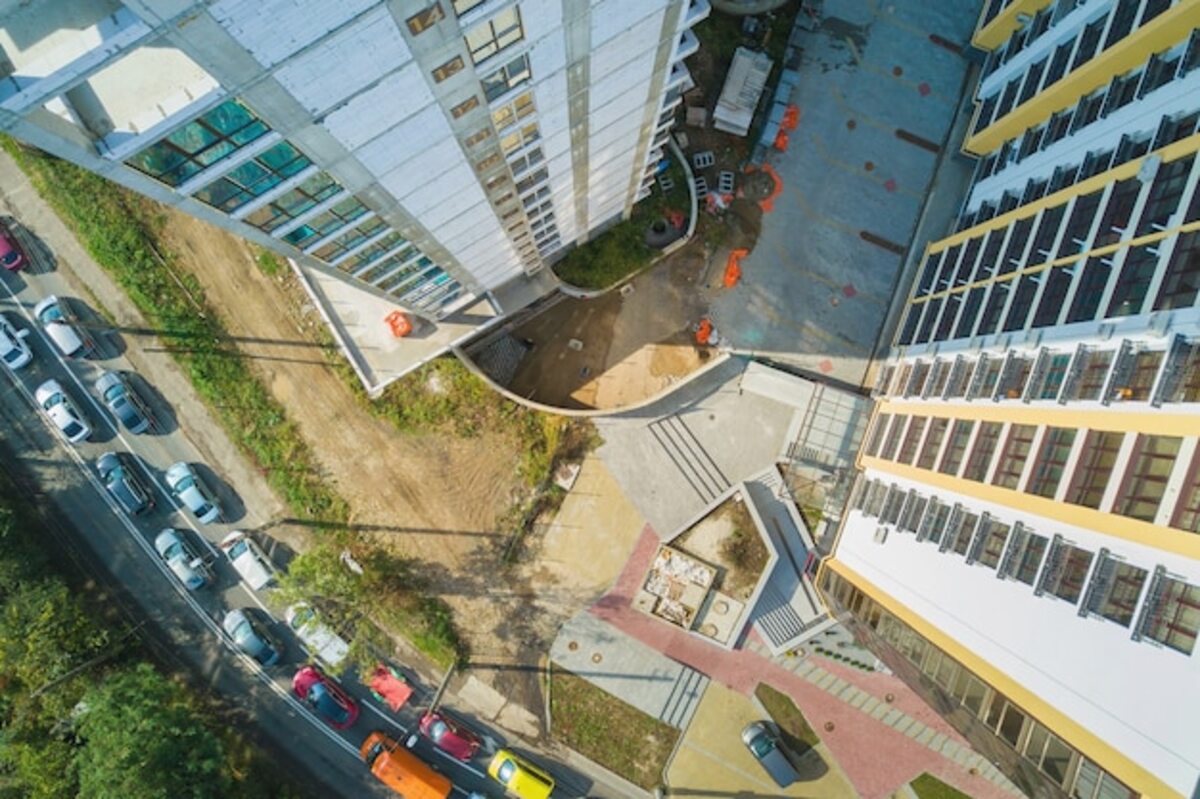
Navigating location value in growing neighborhoods is essential for any investor or buyer looking to maximize their investment. In Costa Rica, some emerging areas are quickly gaining popularity, offering unique opportunities and significant appreciation potential. This article will guide you through the most relevant aspects to identify these promising neighborhoods, ensuring that you make informed and strategic decisions for your real estate future.
Identifying Growing Neighborhoods: Keys for a Good Analysis
Identifying growing neighborhoods requires a methodical approach that combines research, observation, and data analysis. One of the first steps is to study demographic trends; an increase in the young or professional population may indicate growing potential in the area. Additionally, it is essential to keep an eye on planned infrastructure projects, such as new roads, schools, or shopping centers. These developments not only improve the quality of life but also attract new residents and businesses, which increases property value in the long term.
Another crucial aspect to analyze is the economic context of the neighborhood. Evaluating indicators such as the average income of residents and the employment rate helps to understand the financial stability of the area. It is also valuable to observe if there is a growing interest from local investors and developers; this can reflect a general confidence in the future of the neighborhood. Finally, immersing oneself in the local community and participating in neighborhood events provides a deeper insight into the culture and social environment of the area, factors that can significantly influence its long-term appeal.
Advertisements
Por favor, proporciona el texto que deseas traducir.
When evaluating growing neighborhoods, it is essential to consider the existing infrastructure and future development plans. Accessibility to services such as public transportation, schools, hospitals, and shopping centers can significantly influence the appeal of an area. Investments in infrastructure not only improve the quality of life for residents but also increase the demand for properties, resulting in a rise in real estate value. Staying informed about government or private projects planned for the area can provide a competitive advantage by identifying locations with high potential for appreciation.
Another key aspect is the demographic profile of the neighborhood. Analyzing who the current residents are and what type of population is projected to move to the area can provide valuable insights into the sustainability of growth. Neighborhoods that attract young professionals or families tend to be more dynamic and may experience faster growth. Additionally, observing local market trends, such as rental and sale prices, will help determine if the neighborhood aligns with your investment goals. This strategic approach will assist you in selecting locations with the highest potential to maximize your return and ensure a positive experience for both you and future tenants or buyers.
Factors Driving Appreciation in Emerging Areas
The factors driving appreciation in emerging areas are diverse and often interrelated. One of the most significant is the developing infrastructure, which includes the construction of new roads, accessible public transport, and basic services like water and electricity. As these improvements are implemented, the areas tend to become more attractive to buyers and investors, increasing demand and therefore property values. Additionally, the arrival of businesses and essential services such as supermarkets, schools, and health centers also plays a crucial role in enhancing the quality of life in these communities.
Another determining factor is the demographic growth in the surrounding areas. Migration to regions with better job or educational opportunities can stimulate housing demand in emerging neighborhoods. This population increase not only raises interest in local properties but also fosters a sense of community and cohesion among residents. Additionally, the influence of the natural environment—such as parks, beaches, or mountains—can be an added attraction for those seeking a healthier and more balanced lifestyle. Together, these elements create a conducive environment for the sustained growth of real estate value in these emerging areas.
Por favor, proporciona el texto que deseas traducir.
When evaluating the location value in growing neighborhoods, it is crucial to consider several factors that can influence the future appreciation of a property. Infrastructure is one of the most important aspects; areas with development plans for new roads, efficient public transport, and basic services like schools and hospitals tend to attract more buyers and renters. Additionally, proximity to commercial and recreational areas can significantly increase the appeal of an emerging neighborhood. By researching these characteristics, investors can identify areas with high potential before prices skyrocket.
Another key element to consider is the social dynamics of the neighborhood. Communities that foster a sense of belonging and have a safe environment are more desirable to families and young professionals. Observing the local demographics and population trends can provide valuable insights into the future of the area. Participating in community events or connecting with current residents can offer a clearer perspective on the quality of life in these neighborhoods, which will directly impact the long-term value of the property. With this information, buyers will be better equipped to make informed decisions about their real estate investment.
The Importance of Infrastructure in Location Value
Infrastructure plays a fundamental role in the location value of any neighborhood, especially in those that are growing. A network of basic services such as potable water, electricity, sewage, and high-speed internet access not only improves the quality of life for residents but also attracts new tenants and investors. The presence of these amenities can mean the difference between a stagnant neighborhood and one in full development. When infrastructures are robust and well-maintained, it fosters an environment conducive to commerce and economic activity, which in turn can translate into increased demand for properties in the area.
In addition to basic services, public transportation and access roads are crucial for the sustained growth of real estate value. The availability of efficient routes to workplaces, schools, and commercial areas increases the accessibility of the neighborhood, making it an attractive option for both families and young professionals. Investing in neighborhoods where road improvements or public transportation expansions are projected can be particularly beneficial. Urban planning that considers these aspects not only enhances the area's appeal but also promotes a sense of community and social cohesion among its residents, which is invaluable for the comprehensive development of the place.
Por supuesto, proporciona el texto que deseas traducir.
One of the keys to identifying growing neighborhoods is to observe the demographic and economic trends surrounding them. Areas that experience an increase in population, along with improvements in infrastructure and services, tend to be more attractive to investors and buyers. For example, the development of new schools, hospitals, or shopping centers can be a clear indicator that a neighborhood is on its way to becoming a desirable place to live. Additionally, it is essential to pay attention to government and private projects that promise to revitalize or improve the area, as these can positively influence long-term property value.
Another crucial aspect is analyzing the profile of current and potential residents of the area. A neighborhood that attracts young professionals or families typically has specific characteristics that make it appealing, such as accessibility to public transportation, nearby recreational options, and an active community. Likewise, local culture and safety are determining factors; areas with a welcoming and safe environment tend to maintain their value and even appreciate over time. By understanding who the possible future inhabitants of the neighborhood are, you can make more informed decisions about where to invest your real estate capital.
Lifestyle and Amenities: What Do Buyers Look For?
The lifestyle offered by growing neighborhoods is a determining factor for many buyers. Increasingly, people are looking for not just a home, but an environment that complements their daily needs and aspirations. Proximity to essential services such as schools, hospitals, shopping centers, and recreational areas has become a priority. Additionally, access to efficient public transportation and main routes can significantly influence the buying decision, as it facilitates mobility and contributes to a more active and dynamic lifestyle. Buyers are interested in communities where they can enjoy outdoor spaces, cultural and social activities that foster a sense of belonging.
On the other hand, the amenities within the neighborhood itself play a crucial role for potential buyers. Elements such as well-maintained parks, sports facilities, local cafés, and artisan markets are increasingly valued by those seeking a home rather than just a property. The quality of urban design also influences this; tree-lined streets, adequate lighting, and pedestrian areas enhance the daily living experience. In this context, neighborhoods that promote a balance between residential and commercial spaces are particularly attractive. The right amenities not only enrich the quality of life for residents but can also be a key indicator of potential growth in property value in the future.
Por supuesto, proporciona el texto que deseas traducir.
When evaluating the location value in growing neighborhoods, it is essential to observe the infrastructure and services available in the area. The presence of schools, hospitals, supermarkets, and efficient public transportation not only improves the quality of life for its residents but also increases the area's appeal to future buyers and renters. A neighborhood with good access options and services tends to maintain its value and even appreciate more quickly, making it a desirable place both to live and to invest. Therefore, when exploring emerging areas, be sure to research the planned urban development that could positively impact accessibility and local resources.
In addition to the existing infrastructure, it is crucial to consider the demographic and socioeconomic trends of the neighborhood. Population growth, coupled with a strong economic diversification, may indicate that an area is on its way to becoming a residential or commercial hotspot. Observe factors such as the socioeconomic profile of new residents and the cultural or recreational attractions that are emerging; these elements can be indicative of the future potential of real estate value. By focusing on these social dynamics, you will be able to identify neighborhoods with sustainable growth that will not only attract more people but also ensure consistent appreciation over time.
Real Estate Market Trends: What the Statistics Say
Real estate market trends in Costa Rica reveal a dynamic landscape full of opportunities, especially in growing neighborhoods. According to recent statistics, there has been a steady increase in the demand for housing in emerging areas, leading to a significant appreciation in prices. This phenomenon is driven by several factors, such as infrastructure improvements, access to basic services, and proximity to shopping and educational centers. Buyers are increasingly interested in investing in these areas, not only for their current appeal but also for the long-term appreciation potential they offer.
Additionally, statistics indicate that young professionals and families are looking to move to these areas due to their more accessible and community-oriented lifestyle. The growing popularity of working from home has further fueled this trend, as many seek peaceful environments that are still connected to the city. Analyzing these demographics and their preferences reveals that understanding consumer choices is key to identifying neighborhoods with high growth potential. Staying aware of these trends will enable investors and buyers to make more informed choices about where to place their capital to maximize future returns.
Por favor, proporciona el texto que deseas que traduzca.
One of the most crucial factors to consider when evaluating a growing neighborhood is the local infrastructure. The quality of access roads, public transportation, and the availability of basic services such as water, electricity, and telecommunications are key indicators of a zone's development potential. Additionally, access to educational and health centers can directly influence real estate demand. Neighborhoods that are improving their infrastructure or are planned to receive new public works tend to attract both buyers and renters, which increases their long-term value.
Another fundamental aspect is the social and cultural dynamics of the area. Growing neighborhoods often have an active community that fosters the development of cultural events, local markets, and recreational spaces. These elements not only enrich the quality of life of their residents but also attract new homeowners and investors interested in a vibrant lifestyle. It is essential to observe how the community is transforming: a diverse and engaged population can be a positive indicator of the neighborhood's future growth, thus increasing its appeal to potential buyers and tenants.
How to Evaluate the Long-Term Potential of a Neighborhood
Evaluating the long-term potential of a neighborhood involves considering various factors that can influence its development and appreciation. One of the most important aspects is the existing and planned infrastructure. Analyzing transportation projects, such as new access routes or public transport systems, can provide a clear insight into how the neighborhood will connect with the rest of the city. Additionally, the presence of schools, hospitals, and commercial areas also plays a crucial role in attracting young families and professionals, which in turn can drive real estate demand in the area.
Another fundamental factor is the socioeconomic environment of the area. Researching demographic trends, such as population growth and average income levels, can help determine if a neighborhood is on its way to becoming a desirable place to live. Safety is another critical element; neighborhoods with lower crime rates tend to be more attractive to buyers and renters, which can translate into greater stability in property value. Conducting a comparative analysis with nearby neighborhoods that have shown sustained growth can also provide insights into the future potential of the area you are evaluating.
Por supuesto, proporciona el texto que deseas traducir.
When analyzing location value in growing neighborhoods, it is crucial to consider factors such as infrastructure and available services. Areas experiencing significant development often have new access roads, efficient public transportation, and a variety of nearby services, such as supermarkets, schools, and medical centers. These elements not only enhance the quality of life for residents but also attract new buyers and tenants, resulting in increased real estate demand. Identifying neighborhoods that are receiving infrastructure investments can be key to finding properties with high appreciation potential.
Another fundamental aspect is to evaluate the demographic profile of the area. Growing neighborhoods often attract young professionals and families seeking a more affordable yet equally appealing lifestyle. This generates a vibrant and diverse environment that can boost local commerce and foster the creation of dynamic communities. Observing population trends and interest from developers can also provide clues about the future of the neighborhood. A detailed analysis of the social and economic environment will allow you to anticipate significant changes in real estate demand, thereby ensuring a more secure and profitable investment.
Practical Tips for Investing in Emerging Areas
When considering investments in emerging areas, it is essential to conduct thorough research. Analyze the development of infrastructure such as roads, schools, and shopping centers that may indicate future growth. Areas that are receiving attention from the government or private companies tend to be more attractive, as these improvements can increase property demand. It is also helpful to observe crime rates and the level of public services in the area; a safe environment with good services is essential to attract future residents and tenants.
Additionally, engaging with the local community can provide you with valuable insights about the area. Talking to current residents will allow you to better understand the quality of life and future expectations of the neighborhood. Likewise, consider attending community meetings or local events to make connections and gain insider information about development plans or changes in urban regulations. Finally, do not underestimate the power of social media and online platforms where real estate trends are discussed, as they can provide you with updated data on interest in certain emerging areas.
Advertisements
More in Emerging Areas

Location and Value, Emerging Areas
Dream Retreat in La Fortuna with Nature and Growing Value

Location and Value, Emerging Areas
Locations with Value: Keys for Your Safe Investment

Location and Value, Emerging Areas
Opportunities for Capital Gains in Areas with Sustainable Projects

Location and Value, Emerging Areas
Aspects to consider when choosing a location in growing neighborhoods
Most viewed in Location and Value
Location and Value, Best Areas
House rents in October: what rose and what fell

Location and Value, Best Areas
The housing market in October: what rose and what fell

Location and Value, Best Areas
The lot market in October: what rose and what fell

Location and Value, Community Living
The impact of accessibility on the value of your property