
How strategic location can enhance your real estate investment
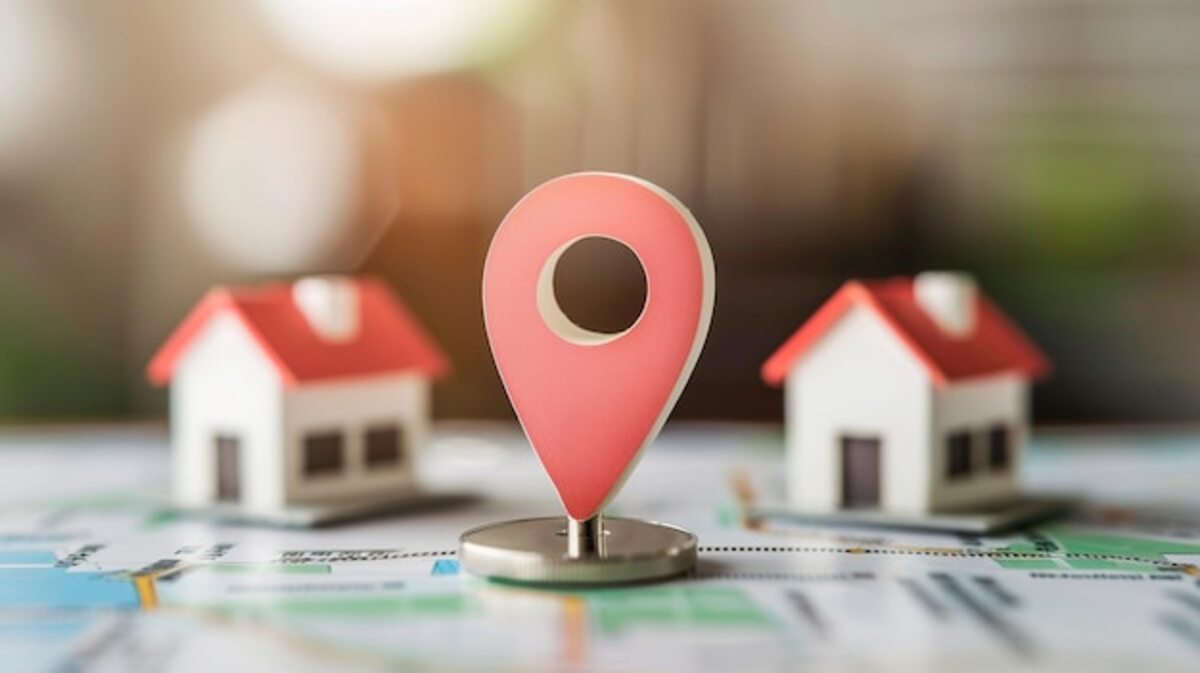
The location of a property is the heart of a successful real estate investment. In Costa Rica, where urban growth and housing demand are constantly evolving, understanding how nearby services can influence appreciation is essential. From schools and hospitals to shopping centers and public transportation, each element can be a decisive factor in increasing the value of your investment. Discover how wisely choosing your location can take your finances to the next level.
The importance of access to public transportation in real estate valuation.
Access to public transportation is a crucial element in real estate valuation, as it facilitates the mobility of residents and, therefore, increases the demand for properties located in well-connected areas. In a world where time has become a valuable resource, having accessible transportation options can be a decisive attraction for potential buyers or tenants. Properties near train stations, bus stops, or metro systems often experience a faster appreciation in their value, as they offer convenience and savings in commuting. This translates not only into a better quality of life for residents but also into more profitable investment opportunities.
Additionally, public transportation contributes to the creation of more sustainable and dynamic communities. As more people choose to use collective transportation instead of private cars, areas with good connections tend to see a reduction in traffic and an improvement in air quality. This trend not only attracts environmentally conscious individuals but also young families and professionals seeking a balanced urban lifestyle. Therefore, investing in properties near public transportation routes not only promotes individual economic growth but also supports sustainable development and the overall well-being of the surrounding community.
Advertisements
How do nearby schools influence property demand?
Proximity to quality schools is a key factor that influences property demand. Families often prioritize their children's education, and a good local school can be a significant attraction when deciding where to buy or rent. This interest stems not only from the desire to facilitate access to education but also from the value it adds to the property. In areas with recognized educational institutions, homes tend to increase in value over time, which translates into an excellent opportunity for real estate investors looking to maximize their return.
Additionally, the presence of schools nearby fosters a sense of community and stability. Neighborhoods with good educational options often attract young families looking to settle down for a longer period, contributing to greater social cohesion and safety in the area. This not only benefits those already residing there but also increases the appeal for future buyers and renters. When considering a real estate investment, it is vital to assess not only the current state of the market but also how the surrounding educational institutions can positively impact the appreciation and demand for your property in the future.
The connection between hospitals and quality of life: a key aspect for buyers
The connection between hospitals and quality of life is a fundamental factor that buyers must consider when evaluating a property. Hospitals not only represent healthcare but also serve as an indicator of safety and well-being in the community. Having access to nearby health services can significantly improve the quality of life for residents, which in turn can increase the area's appeal to potential buyers and renters. Families, for example, tend to value proximity to medical centers, which can translate into higher demand and, consequently, an increase in property value.
Additionally, the presence of well-equipped hospitals is usually accompanied by other essential infrastructures and services, such as specialized clinics and pharmacies. This creates an environment where residents feel more comfortable and secure, knowing they have immediate access to medical care in case of an emergency. As areas with good healthcare services continue to develop, their added value is driven by this intangible factor that influences the buyer's final decision. Thus, investing in properties near hospitals is not only strategic from a financial perspective but also from a community well-being perspective.
Shopping malls and entertainment: drivers of residential appeal
The presence of shopping centers nearby a property not only facilitates access to goods and services but also acts as a significant attraction for potential buyers or tenants. These spaces offer a variety of entertainment options, from fashion stores to restaurants and cinemas, creating a vibrant environment that enhances the quality of life. Moreover, the convenience of having everything needed within reach becomes a decisive factor for those looking for a new home, which can translate into higher demand and, consequently, an increase in residential value.
On the other hand, shopping centers are often designed with recreational areas and community events that encourage social interaction among residents. This dynamic not only enhances the sense of community but also makes nearby properties more desirable. New real estate developments that are strategically located near these commercial hubs can benefit greatly by attracting young families and professionals who prioritize accessibility and entertainment. Ultimately, investing in a location close to shopping centers can be a smart move to maximize your return on investment.
Security and its impact on the purchasing decision
Safety is one of the most crucial aspects that influences the decision to purchase a property. Potential buyers are looking for not only a home but an environment where they feel protected and at ease. In Costa Rica, areas with low crime rates and a good police presence tend to attract more interest, which in turn raises demand and, consequently, the value of the property. Additionally, having community or neighborhood surveillance systems can be an added attraction that boosts interest in the property.
Incorporating security-related features, such as reinforced locks, adequate outdoor lighting, and perimeter fences, can also make a difference in the buyer's perception of a property's value. Locations that offer a safe environment not only provide peace of mind to their residents but also become preferred options for families and professionals seeking stability. Therefore, when investing in real estate, considering security as a key factor not only protects your initial investment but can also result in significant long-term appreciation.
Green areas and recreational spaces: a plus that attracts families
Green spaces and recreational areas play a crucial role in determining the quality of life of a community, which in turn can influence the value of nearby properties. In an environment where families are looking for not only a place to live but also a space where their children can play and socialize, the presence of parks, gardens, and sports areas becomes a significant attraction. These areas not only promote an active and healthy lifestyle but also offer opportunities for social interaction and family recreation, elements highly valued by those seeking to settle in a new locality.
Furthermore, green areas contribute to environmental sustainability and enhance the aesthetics of the neighborhood, which can increase interest from potential buyers. A well-maintained green environment not only improves air quality and reduces urban noise but also creates a welcoming atmosphere that invites families to enjoy public space. Investing in properties near these recreational areas can result in significant long-term appreciation, as more people seek residences that offer a balance between urban comfort and access to nature. Therefore, when considering a real estate investment in Costa Rica, it is essential to assess how these green spaces can positively impact your assets.
Urban development projects: how to anticipate changes in property value
Urban development projects in a specific area can have a significant impact on the appreciation of nearby properties. To anticipate these changes, it is essential to research and stay informed about the development plans that may arise in the neighborhood. This includes the construction of new infrastructure, such as roads, parks, and shopping centers, as well as the arrival of educational institutions or medical services. Investing in areas where urban improvements are expected can lead to a considerable increase in the value of your property in the short and medium term, turning those strategic decisions into a solid financial opportunity.
Additionally, actively participating in the local community can provide you with valuable information about future urban projects. Attending municipal planning meetings or following the proposals presented by the local government will allow you to learn about the plans for your area before the general public. This informational advantage will not only help you make more informed decisions when purchasing a property, but it will also better position you in the face of potential changes in the real estate market. At the end of the day, staying ahead of these developments is key to maximizing your investment and ensuring its profitability over time.
The effect of commercial development in emerging areas
Commercial development in emerging areas can drastically transform the landscape of a real estate investment. When a new shopping center, a supermarket chain, or even a business park is established in a previously underdeveloped area, not only does the supply of services increase, but new residents and businesses are also attracted. This influx of people and capital creates a domino effect that raises housing demand and, consequently, the prices of nearby properties. Investors who identify these early opportunities can benefit significantly as the area evolves and becomes a point of interest.
Furthermore, the presence of commercial developments can enhance the quality of life in these emerging communities. Accessibility to essential services such as stores, restaurants, and recreational options helps create more attractive living environments. This not only increases property values but can also generate a loyal tenant base willing to pay more for the convenience of the location. Therefore, when considering investing in real estate in emerging areas, it is crucial to assess the potential of commercial development and how it can positively influence the future value of your real estate investment.
How to research nearby services before investing
Researching nearby services is a crucial step before making a real estate investment. Start by identifying the needs of your target audience; for example, if your investment is aimed at families, proximity to schools and hospitals will be essential. Use online tools to explore interactive maps that show the location of these services, as well as reviews from other residents. Digital platforms can also provide valuable information about the future development of the area, which can significantly impact the valuation of your property.
Don't underestimate the power of personal contact and direct observation. Visiting the neighborhood will allow you to gain a better understanding of the environment and the available services. Talk to the local residents to get their perspectives on the quality of life in the area and any expected changes in nearby infrastructure. This will not only provide you with useful information for your decision, but it will also help you build a network of contacts that could be valuable in the future. The combination of online research and on-the-ground experience can give you a significant advantage when choosing a strategic location for your real estate investment.
Advertisements
More in Nearby Services
Location and Value, Nearby Services
Keys to choosing a neighborhood that ensures your real estate investment.
Location and Value, Nearby Services
Strategies to identify neighborhoods with high investment potential

Location and Value, Nearby Services
The relevance of cultural diversity in real estate appreciation.

Location and Value, Nearby Services
Investing in your future: the impact of location on appreciation
Most viewed in Location and Value
Location and Value, Best Areas
House rents in October: what rose and what fell

Location and Value, Best Areas
The housing market in October: what rose and what fell

Location and Value, Best Areas
The lot market in October: what rose and what fell
Location and Value, Community Living
The impact of accessibility on the value of your property