
How to choose the ideal location to maximize your real estate investment
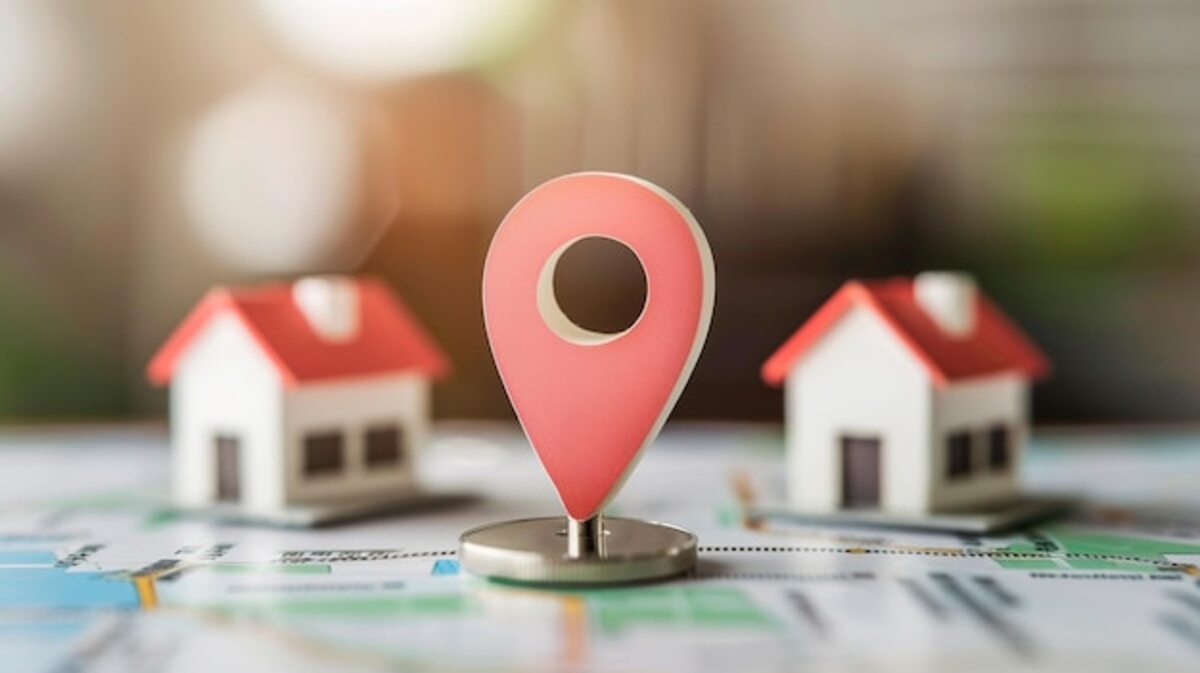
Choosing the ideal location for your real estate investment can be the difference between resounding success and spectacular failure. In Costa Rica, where the real estate market is constantly evolving, understanding how nearby services influence a property's appreciation is essential. From schools to shopping centers, every element can enhance or limit your return on investment. In this article, you will discover the keys to selecting the perfect place that not only meets your current needs but also maximizes its value in the future.
The importance of nearby services in property valuation
The location of a property is one of the most critical factors that determine its long-term value. Nearby services, such as schools, hospitals, supermarkets, and recreational centers, play a fundamental role in the valuation of any real estate. Families often prioritize areas where they can easily access these essential services, which raises demand in those sectors and, consequently, increases the appreciation of properties. A neighborhood with good schools can be especially attractive to young families, while proximity to hospitals or clinics can be decisive for those interested in wellness and health.
In addition to attracting potential buyers or tenants, having a variety of nearby services also contributes to the overall lifestyle of the neighborhood. Well-connected areas with access to efficient public transport tend to be more valued, as they facilitate daily commuting. The presence of parks and recreational spaces not only enhances quality of life but also increases the appeal of the place for future investments. In summary, carefully evaluating the surrounding services will not only help choose an ideal location to live or invest but will also ensure a stronger return on investment in the future.
Advertisements
What nearby services are most valued by buyers?
When evaluating the location of a property, it is crucial to identify which services are most valued by potential buyers. In general, families tend to prioritize proximity to quality educational institutions, as a good school system not only facilitates the education of their children but also increases the area's appeal for future sales. Nearby schools and universities can be a magnet for buyers seeking stability and opportunities for their children, which inevitably raises the property's value over time. Additionally, having recreational spaces such as parks or sports areas can also be a decisive factor for many families.
Another relevant aspect is the accessibility to shopping centers and health services. Proximity to supermarkets, pharmacies, and hospitals is highly valued by buyers, as it directly contributes to their quality of life and daily convenience. A neighborhood that offers a variety of commercial and assistance options tends to attract people looking for convenience in their daily lives. Likewise, access to efficient public transportation can be a great plus, especially in urban areas where distances are greater. Therefore, considering these nearby services when choosing a location can make a significant difference in the future return on your real estate investment.
Analysis of emerging areas: where to invest with the greatest potential
When analyzing emerging areas for real estate investment, it is essential to identify regions that are experiencing significant growth and offer unique opportunities. These areas are often characterized by an increase in housing demand, infrastructure development, and an improvement in public services. In Costa Rica, for example, previously underestimated regions can quickly transform into hotspots due to urbanization projects and the arrival of new businesses. Staying alert to these trends can allow you to acquire properties at competitive prices before their value significantly increases.
Another key aspect when exploring emerging areas is to consider the demographic and socioeconomic profile of the local population. The arrival of young professionals, families, or expatriates can significantly influence the demand for housing and services. Therefore, researching future urban development plans, as well as the creation of recreational and educational spaces, will help you project how each area will evolve. Do not underestimate the importance of road connections and public transportation; these factors are crucial for attracting potential tenants or buyers, thus ensuring a solid investment that maximizes your long-term return.
How schools and hospitals influence real estate demand
Schools and hospitals are two of the fundamental pillars in any community, and their proximity can have a significant impact on real estate demand. Families with children often prioritize being close to good educational institutions, as this not only represents a daily convenience but also influences the quality of education their children will receive. An area with well-rated schools tends to attract more potential buyers, which raises interest in properties in that area and, therefore, their value. Additionally, having diverse educational options—from kindergartens to secondary schools—can make a location even more attractive to different demographic groups. On the other hand, proximity to hospitals and health centers also plays a crucial role in purchasing decisions. The safety and peace of mind that come from knowing there is quick access to medical care is a determining factor for many people when choosing a home. Properties located near medical facilities tend to maintain or increase their value, especially in communities where these services are limited. Thus, both schools and hospitals not only contribute to the well-being of current residents but also serve as key indicators for future investors interested in maximizing their return on real estate investments.
Accessibility to public transport: a determining factor
Accessibility to public transportation is a determining factor in choosing a location for your real estate investment. Properties that are well connected to transportation networks such as buses, trains, or metro tend to maintain their value and attract potential tenants. This is because many people seek convenience in their daily commutes, whether it's to go to work, take children to school, or run errands. A good connection to public transportation not only facilitates mobility but can also positively influence the overall appeal of an area, making the property more desirable for both buyers and renters.
Additionally, proximity to public transportation can significantly increase the value of a property. As cities grow and expand, areas near train stations and bus stops often experience accelerated development. This growth can translate into new business opportunities and additional services in the vicinity, raising the interest in living in those areas. Therefore, investing in a property near public transportation can not only ensure a higher return on the initial investment but also provide greater financial stability in the long term against fluctuations in the real estate market.
The relationship between local businesses and the increase in added value
The relationship between local businesses and the increase in property value is a fundamental aspect to consider when choosing the location of a property. The presence of shops, restaurants, and services nearby not only improves the quality of life for residents but also increases the demand for those homes. A neighborhood with a varied commercial offering attracts more people, which can translate into a rise in real estate prices. Properties well-located near commercial areas tend to maintain their value and even appreciate over time, making them a solid investment.
Additionally, local businesses foster a sense of community that can be very appealing to potential buyers or renters. When families feel they have easy access to essential services and recreational options within their area, they are more likely to settle there long-term. This type of stability contributes to the sustained growth of the neighborhood, thereby increasing property values. Therefore, when evaluating a property as an investment, it is crucial to research not only what businesses are currently present but also which ones could open in the future and how these could positively impact the value of your real estate investment.
Assessment of the environment: security and quality of life as priorities
The assessment of the environment is a fundamental aspect in the search for an ideal location for your real estate investment. Safety is one of the main concerns for any potential buyer or tenant, as a safe neighborhood not only provides peace of mind but also adds value to the property. When researching various areas, it is advisable to analyze crime statistics as well as consult with local residents and authorities. An area perceived as safe will not only attract more buyers but also ensure greater stability in the value of your property over time.
In addition to safety, quality of life plays a crucial role in location decisions. Factors such as access to basic services —like hospitals, schools, and recreational areas— directly influence the attractiveness of a neighborhood. Areas with green spaces and good infrastructure tend to be more valued by families and young professionals, resulting in higher demand and competitive prices. Therefore, when evaluating potential locations, consider how these elements contribute to the overall well-being of their inhabitants; this will not only enrich your personal experience as an owner or tenant but also ensure that your real estate investment is solid and enduring over time.
Impact of urban development on areas neighboring your property
Urban development in areas neighboring your property can have a significant impact on its value and appeal. As cities grow and modernize, it is common to observe changes in infrastructure, such as the construction of new roads, hospitals, schools, and shopping centers. These developments not only improve the quality of life for residents but can also increase demand for properties in the surrounding area. Therefore, when considering a real estate investment, it is crucial to research the urban development plans in the area. A neighborhood that may seem quiet today could become a vibrant center in a few years, which could translate into considerable appreciation of your property's value.
Moreover, the impact of urban development is not limited solely to physical infrastructure. The arrival of new businesses and services can completely change the dynamics of the neighborhood. Local shops can thrive, while restaurants and cafes attract more visitors and generate an active social environment. This type of transformation can quickly make an initially underestimated area a desirable place to live and invest in. However, it is also vital to be aware of potential downsides; increased traffic or higher population density could negatively affect the tranquility of the surroundings. Therefore, carefully assessing both the opportunities and challenges associated with nearby urban development is essential to maximize your long-term real estate investment.
Digital tools to research ideal locations
To make informed decisions about the location of your real estate investment, it is essential to leverage the available digital tools. Platforms like Google Maps and Zillow allow you to explore different neighborhoods in detail, providing information on property prices, market trends, and specific features of each area. Additionally, these tools enable you to visualize nearby services, such as schools, hospitals, and public transportation. Utilizing these resources can save you time and give you a clearer perspective on the potential appreciation of a property.
Another option is real estate data analysis websites, which provide detailed reports on demographic and economic trends in different regions. Tools like NeighborhoodScout or Realtor.com not only identify growing areas but also provide statistics on neighborhood quality and safety. By integrating this information with your personal investment goals, you can make more strategic selections that align with your long-term expectations. In summary, relying on these digital tools not only optimizes your research process but also increases your chances of making a successful investment.
Practical tips for visiting and assessing potential locations
When it comes to evaluating potential locations for your real estate investment, it is essential to take a practical and methodical approach. First, visit the area at different times of the day and week. This will allow you to observe the flow of people, traffic, and activities taking place in the area, helping you capture the essence of the neighborhood. Additionally, do not hesitate to interact with local residents; their opinions can provide you with valuable insights about the quality of life and available services that are not always reflected in statistics.
Another crucial aspect is to research urban and commercial development projections in the region. Check municipal plans or future projects that could impact local infrastructure, such as new schools, hospitals, or shopping centers. These developments can significantly increase the value of your property in the long term. Finally, consider factors such as the area's safety and its accessibility through public transportation; these elements are decisive for both potential tenants and future buyers looking to maximize their real estate investment.
Advertisements
More in Nearby Services
Location and Value, Nearby Services
Keys to choosing a neighborhood that ensures your real estate investment.
Location and Value, Nearby Services
Strategies to identify neighborhoods with high investment potential

Location and Value, Nearby Services
The relevance of cultural diversity in real estate appreciation.

Location and Value, Nearby Services
Investing in your future: the impact of location on appreciation
Most viewed in Location and Value

Location and Value, Best Areas
House rents in October: what rose and what fell

Location and Value, Best Areas
The housing market in October: what rose and what fell

Location and Value, Best Areas
The lot market in October: what rose and what fell
Location and Value, Community Living
The impact of accessibility on the value of your property