
How location strengthens your real estate investment

Location is the heart of any real estate investment. In Costa Rica, where geographical and cultural diversity intertwine, identifying the ideal place to purchase a property can make the difference between a good deal and an extraordinary one. This article will break down how location not only influences the current value of a property but also enhances its long-term appreciation, thus securing your investment and providing you with a stronger financial future.
The golden rule: "Location, location, location"
The famous phrase "Location, location, location" is a mantra in the world of real estate for a good reason. The location of a property not only dictates its immediate appeal but also determines its potential for appreciation over time. In Costa Rica, where natural wonders and urban infrastructure coexist, a well-located property can provide access to essential services such as schools, hospitals, and commercial areas. Additionally, proximity to beaches, mountains, or national parks can be a significant attraction for potential tenants or buyers, which will increase demand and, consequently, the property's value.
Another key aspect related to location is urban development and future growth projections in certain areas. Areas undergoing urbanization or those receiving significant infrastructure investments tend to experience a faster appreciation in their real estate values. By choosing to invest in properties strategically located near government or private projects —such as new roads, shopping centers, or tourism development— you not only secure an immediate return on investment but also a steady increase in capital over the long term. Staying aware of these local trends will enable you to make informed decisions that will strengthen your financial position in the Costa Rican real estate market.
Advertisements
Factors that determine the appreciation of properties
The factors that determine the appreciation of properties are diverse and complex, but all have a significant impact on the profitability of a real estate investment. First, nearby infrastructure and services play a crucial role; areas with access to schools, hospitals, shops, and public transportation tend to experience an increase in their value over time. The quality of life offered by a location can attract more buyers and tenants, which translates into higher demand and, consequently, an increase in the appreciation of properties situated in those areas.
Another important factor is urban development and future growth projections. Areas where improvement or expansion projects are taking place often see a considerable increase in their value. This includes not only the construction of new homes but also the development of parks, shopping centers, and other infrastructures that enhance the quality of the environment. Similarly, government policies can also influence appreciation; tax incentives or urban planning can turn previously neglected areas into hotspots for real estate investments. Understanding these aspects will allow you to make informed decisions when acquiring a property and maximize your return on investment.
The impact of urban development on real estate prices
Urban development has a significant impact on real estate prices, as the infrastructure and services available in an area can completely transform its appeal. When investments are made in public transportation, schools, hospitals, and recreational spaces, surrounding areas tend to experience an increase in demand. This is especially true in Costa Rica, where the growth of cities like San José has led to a revitalization of neighborhoods that were previously considered less desirable. As these areas improve and become more accessible, property prices not only stabilize but also tend to increase significantly over time.
Furthermore, urban development can influence the perception of property value. Well-planned communities that offer quality of life and sustainability tend to attract both buyers and renters willing to pay more to live there. Proximity to workplaces, shopping centers, and recreational areas also plays a crucial role; this means that a strategic location can result in a much higher return on investment. In summary, understanding how urban development affects real estate prices is essential for those looking to maximize the return on their real estate investments and ensure their future financial security.
Emerging areas: where to invest for higher returns
Identifying emerging areas in the real estate market is crucial to maximizing your investment return. In Costa Rica, areas that were previously considered peripheral are experiencing significant development due to growing infrastructure and the attraction of new residents. Localities such as the Guanacaste region, which combines natural beauty with an appealing climate, have become magnets for those seeking a higher quality of life. Likewise, areas close to San José, where connectivity is improving with new roads and commercial projects, are seeing a significant increase in their real estate value. Investing in these areas before their consolidation can offer extraordinary returns in the medium and long term.
In addition to demographic growth and improvements in infrastructure, other factors also play a fundamental role in identifying emerging areas. The arrival of technology companies and the promotion of sustainable tourism are transforming entire communities, creating opportunities for both residential and commercial properties. When evaluating a potential location, it is vital to research not only current market trends but also future urban development plans; this will allow you to anticipate which areas have the greatest appreciation potential. Thus, investing in these spaces can be the key to securing not only a profitable home or business today but also a robust investment for the future.
The influence of access to public services and transportation.
Accessibility to public services and transportation is a crucial factor in property valuation. A well-connected neighborhood, with efficient transportation routes and proximity to supermarkets, hospitals, schools, and other basic services, not only enhances the quality of life for its residents but also increases the area's appeal to future buyers or renters. In Costa Rica, where distances can be significant, having suitable mobility options translates to time savings and daily comfort, which is highly valued by those looking to settle in a new community.
Furthermore, access to an efficient public transportation system can enhance the value of a property. Areas with well-located train stations or bus stops tend to experience an increase in real estate demand, as they offer a viable alternative to the use of private cars. This is especially relevant for young professionals and families looking to reduce transportation-related costs. By choosing to invest in properties strategically located near these services, investors can ensure not only an immediate return on their investment but also sustained long-term growth.
How demographic trends affect real estate demand
Demographic trends play a crucial role in real estate demand, as changes in the population directly affect housing preferences and needs. For example, the growth of the young population influences the search for more accessible spaces close to educational and work centers. Similarly, the aging population generates a higher demand for properties adapted for older adults, as well as communities that offer specific services and amenities. In Costa Rica, where there is a constant flow of both internal and external migration, it is essential to analyze how these demographic dynamics impact different locations in the country.
Additionally, demographic trends can also be reflected in the development of local infrastructure and services. As new generations seek to settle in emerging or revitalized areas, developers tend to focus on those locales to meet the growing demand. This can result in significant improvements in public transportation, local commerce, and access to basic services, which further enhances the appeal of a specific location for future investments. Thus, understanding demographic projections not only helps identify current opportunities in the Costa Rican real estate market but also allows for anticipating changes that could positively influence the value of your long-term investment.
Oceanfront properties vs. urban area properties: which is better?
The choice between a beachfront property and one in urban areas is a common dilemma for real estate investors, especially in a country like Costa Rica, where both options offer unique advantages. Beachfront properties are highly valued for their ability to attract tourists and residents seeking to enjoy life by the ocean. This type of location not only promises moments of leisure and relaxation but can also generate significant income through vacation rentals. Furthermore, the demand for coastal properties tends to be resilient, even in the face of economic fluctuations, making them an attractive option for those seeking long-term stability. On the other hand, properties located in urban areas present their own benefits. Generally, these locations are often better connected to essential services such as schools, hospitals, and shops, making them more convenient for families and professionals. Additionally, ongoing urban development can increase the appreciation of these investments as cities grow and modernize. Metropolitan areas can also offer greater cultural diversity and job opportunities, which attracts both permanent residents and tenants. Ultimately, the decision between investing beachfront or in the heart of the city will depend on your personal and financial goals; each option has the potential to strengthen your investment if chosen carefully.
Strategies to evaluate the potential appreciation of an area
To assess the potential appreciation of an area, it is essential to analyze various factors that may influence the economic and demographic growth of the region. One of the most important aspects to consider is urban planning and future development. Researching existing or planned infrastructure projects, such as new roads, shopping centers, or public services, can provide clear indications of how an area will transform in the coming years. Additionally, observing demographic trends, such as the increase in the young population or the arrival of new residents, can help predict a rise in demand for properties in that area.
Another key approach to evaluating appreciation is to study the immediate environment of the property. Factors such as the quality of local schools, the availability of basic services, and recreational options not only affect the quality of life of residents but also directly influence the value of the property. Areas with good school ratings tend to attract young families, while areas with access to parks and cultural activities are more desirable for professionals and retirees. Conducting a comparative analysis between different neighborhoods will allow you to identify which has the greatest potential for long-term value increase and thus help you make informed decisions about your real estate investment.
Success stories: successful investments due to strategic location choice
One of the best ways to illustrate the importance of a strategic location in the real estate sector is through concrete success stories. For example, in Costa Rica, the development of sustainable communities near beaches and national parks has attracted both tourists and permanent residents. Projects that were once considered risky investments have seen exponential growth in their value thanks to careful site selection. By investing in areas with access to essential services and natural beauty, owners have not only managed to recover their initial investment but also significantly multiply it in a short period.
Another notable case is the rise of the real estate market in emerging urban areas that, although initially overlooked, have been transformed by the arrival of modern infrastructure and improvements in communication. Developers who bet on these locations, anticipating urban growth, have reaped significant benefits. These strategic decisions not only increase the immediate value of the properties but also create a conducive environment for future commercial and residential developments, ensuring continuous and sustainable appreciation. Thus, the right choice of location becomes a fundamental pillar for maximizing the return on any real estate investment.
Tips for investing in real estate according to the ideal location
When considering an investment in real estate, one of the most determining factors is location. It is essential to research the characteristics of the area, such as access to basic services, the quality of infrastructure, and the educational offerings. In Costa Rica, for example, areas close to beaches, national parks, or growing urban zones tend to have a special appeal for buyers and renters. Additionally, observing the planned future development in the region can provide you with a clear insight into how the value of your property may evolve over time.
Another key aspect is to analyze the local market and its trends. Locations with consistent population and employment growth tend to experience an increase in housing demand, which translates into greater appreciation. It is also advisable to stay informed about local regulations and possible changes in urban policies that may influence the real estate market. Researching community projects or government initiatives can provide you with a strategic advantage when selecting where to invest. In summary, taking the time to study these aspects will allow you to make a more informed and potentially profitable choice for your financial future.
Advertisements
More in Property Value Appreciation

Location and Value, Property Value Appreciation
The hidden value of nature in real estate

Location and Value, Property Value Appreciation
Keys to Identify High Appreciation Areas in Costa Rica

Location and Value, Property Value Appreciation
The effect of security on real estate valuation

Location and Value, Property Value Appreciation
The effect of public transportation on property valuation
Most viewed in Location and Value

Location and Value, Best Areas
House rents in October: what rose and what fell

Location and Value, Best Areas
The housing market in October: what rose and what fell

Location and Value, Best Areas
The lot market in October: what rose and what fell
Location and Value, Community Living
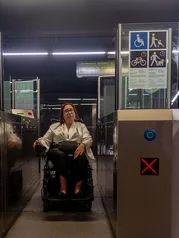
The impact of accessibility on the value of your property