
Key Aspects of Location to Boost Your Real Estate Investment

Location is the heart of any successful real estate investment. In this article, we will explore the key aspects that determine the appreciation of properties and how choosing the right place can multiply your return. From proximity to essential services to the projected growth of the area, every detail matters. Discover how to make informed decisions that not only secure your investment but also make it grow exponentially. Get ready to transform your vision of real estate investment!
The importance of location in the real estate market
Location in the real estate market is a determining factor that can significantly influence the value of a property. When it comes to investment, proximity to services such as schools, hospitals, public transportation, and shopping centers becomes a crucial aspect. Properties located in areas with easy access to these amenities tend to attract more tenants or potential buyers, which in turn elevates their demand and, therefore, their appreciation. A good location not only ensures higher occupancy but also offers the possibility of higher rents and constant appreciation over time.
In addition to immediate services, it is also vital to consider the projected growth of the area. Areas that are experiencing urban developments or that have been the subject of government plans to improve infrastructure tend to be more attractive to investors. These changes can include anything from the construction of new roads to the creation of parks and recreational spaces. Investing in an area with growth prospects not only guarantees better short-term returns but also provides long-term stability by constantly increasing interest in living or investing in that locality. In summary, understanding how location affects all these aspects is essential to maximize your real estate investment.
Advertisements
Factors that influence the added value of a property
The appreciation of a property is not a random phenomenon; it is influenced by multiple factors that must be carefully considered. One of the most significant elements is geographical location, which encompasses aspects such as proximity to urban centers, the quality of infrastructure, and access to major roads. Properties close to efficient public transportation, hospitals, schools, and commercial areas tend to have a higher value due to the convenience they offer to their residents. Furthermore, good connectivity can facilitate daily commutes, thereby increasing demand in that specific area and raising its appreciation.
Another crucial factor in property valuation is the projected urban development in the area. The arrival of new businesses, residential projects, or even improvements in public spaces can drastically transform a community. When future growth is anticipated—such as cultural centers or parks—this generates positive expectations among buyers and investors. The perception of potential appreciation can attract both new tenants and prospective owners, directly contributing to the increase in property values in that area. Therefore, understanding the complete picture of urban development is essential for any real estate investor looking to maximize their return on investment.
Demographic analysis and its impact on valuation
Demographic analysis is an essential factor in real estate valuation, as it provides valuable information about the population that lives in or is expected to live in a certain area. Aspects such as population growth, average age, income levels, and cultural diversity can significantly influence the demand in the real estate market. For example, areas with a steady increase in their population tend to experience greater pressure on housing supply, which in turn can raise prices and create attractive opportunities for investors. Understanding demographic trends allows for anticipating market behavior and making more informed decisions.
Additionally, the demographic profile of an area can affect not only the demand for housing but also the type of services and businesses that will thrive in that community. A neighborhood with a high proportion of young families may require schools, parks, and recreational activities, while areas with an aging population might need accessible medical services and adapted housing options. Understanding these dynamics helps identify opportunities for complementary investments, such as commercial development or residential renovation. In summary, a solid demographic analysis not only supports the initial purchase decision but also guides future strategies to maximize long-term return on investment.
Proximity to services: schools, hospitals, and commercial areas
Proximity to essential services such as schools, hospitals, and commercial areas is a determining factor in the valuation of any property. Families seek to live in places where they have access to quality education for their children, reliable healthcare, and everyday conveniences within reach. A neighborhood with good schools not only attracts parents concerned about their children's education but also tends to experience higher demand, resulting in higher prices in the real estate market. Furthermore, having a hospital nearby provides peace of mind to residents, thereby fostering a positive perception of the area.
Similarly, proximity to commercial areas plays a crucial role in the decision to buy or rent a property. The ability to easily access stores, restaurants, and recreational centers not only enhances quality of life but also makes a location more attractive to potential tenants or buyers. Consequently, properties located near these amenities generally achieve higher rents and spend less time on the market. This means that investing in areas with good access to these services can result in a significant return on investment in the long term.
Urban planning trends and their effect on local development
Urban trends play a crucial role in local development and, therefore, in the valuation of properties. As cities evolve and adapt to the new needs of their inhabitants, urban planning becomes a determining factor for investors. Projects such as the creation of green spaces, the improvement of public transport, and the development of sustainable infrastructure not only enhance the quality of life for residents but also attract new tenants and potential buyers. These initiatives can significantly increase property values in nearby areas, making real estate investment more profitable in the long term.
Additionally, the rise of remote work has transformed traditional urban dynamics. More and more people are seeking quality of life in less congested places that are well connected to major urban centers. This trend has led to the development of suburban and rural communities that offer adequate services and accessibility without sacrificing tranquility. Investing in these emerging areas can be highly beneficial, as interest in them continues to grow. Therefore, keeping an eye on these urban trends is not only key to maximizing your return on investment but also to anticipating what the next hot spots in the real estate market will be.
Public transport and accessibility as decisive factors
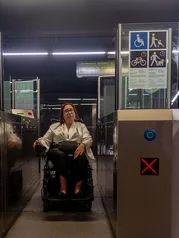
Accessibility and public transportation are two crucial factors that can significantly influence the value of a property. When a home is well connected to public transportation systems, such as trains, buses, or trams, it not only improves the quality of life for its residents by facilitating their mobility but also attracts a larger number of potential tenants or buyers. People are increasingly seeking options that allow them to travel without the need for a private vehicle, especially in urban environments where traffic and the costs associated with car ownership can be discouraging. Therefore, a strategic location near transportation stations can elevate demand and, consequently, market prices.
Moreover, accessibility not only refers to public transport; it also involves proximity to essential services such as hospitals, schools, and shopping centers. The right combination of these facilities and a good connection to public transport creates an attractive environment for families and professionals alike. Investing in areas that offer this synergy can result in higher returns and even sustained appreciation over time. When considering property acquisition, evaluating how these elements integrate into your choice can be decisive in ensuring that your real estate investment is both profitable and sustainable in the future.
Safety and quality of life: attracting potential buyers
Safety is a primary factor in the decision to purchase a property. A safe environment not only provides peace of mind to its residents but also attracts potential buyers willing to invest more for the peace of mind it offers. Statistics on crime and the presence of security services, such as police patrols and surveillance systems, are aspects that interested parties often evaluate meticulously. Furthermore, communities with low crime rates tend to foster a sense of belonging and social cohesion, which is highly valued by families and young professionals looking to settle in a place where they can grow and thrive.
The quality of life in a specific area is manifested in various factors, from access to parks and recreational areas to the availability of reputable schools and accessible healthcare. These characteristics not only enhance the daily well-being of residents but also elevate the area's perception among potential buyers. People are willing to pay more for properties located in neighborhoods that offer a high quality of life, as this directly translates into their comfort and personal satisfaction. In summary, ensuring a safe environment along with a good quality of life can be the perfect magnet to attract those looking to make a solid and lasting real estate investment.
Future projects and their influence on property values
Future projects are a critical factor to consider when evaluating the value of a property. Investments in infrastructure, such as new roads, public transportation systems, or educational facilities, can radically transform the dynamics of an area. For example, the construction of a new light rail may not only shorten commuting times but also attract more residents and businesses to the area. This type of development tends to increase demand for nearby housing, which in turn raises the prices of existing properties. Therefore, being aware of urban planning and community project plans can be essential to maximizing your return on investment.
Additionally, it is essential to research how local authorities plan to address urban growth and what regulations will be implemented to manage this change. The creation of parks, commercial zones, or recreational spaces can make a community more attractive to potential buyers and tenants. However, it is also important to be cautious; not all projects bring immediate benefits, and some may face delays or even cancellations. Being informed about these aspects will allow you to make more informed decisions that align with your long-term real estate investment strategy.
Environment assessment: parks, recreation, and green spaces
The evaluation of the environment in which a property is located is essential to determine its potential for appreciation over time. Parks, recreational areas, and green spaces not only beautify a neighborhood but also add significant value by attracting families and residents seeking quality of life. Proximity to these places can be a major draw, especially for those who value outdoor activity, exercise, and social interaction. An environment filled with green areas promotes a healthy lifestyle and can positively impact the overall perception of the neighborhood, resulting in higher demand from potential buyers or tenants.
Additionally, green spaces are a clear indicator of sustainable urban development. Cities that prioritize the creation and maintenance of parks and recreation tend to be more attractive to investors. These areas not only offer opportunities for recreational activities but also promote community well-being and social cohesion. Investing in properties close to these environments can result in higher returns due to their ability to attract different types of tenants or buyers looking for comfort and quality in their lifestyle. Therefore, when considering a real estate investment, it is essential to evaluate how parks and green spaces can influence the future appreciation of your property.
Strategies for identifying locations with high growth potential
Identifying locations with high growth potential is a task that requires careful analysis and a combination of key factors. To begin with, it is essential to research demographic trends, such as the increase in the young population or migration to specific areas. Expanding cities, where sustained growth in population and economy is projected, are ideal candidates for investment. Furthermore, the development of infrastructure such as new roads, public transport lines, or shopping centers can be a clear indication that an area is about to experience a significant increase in its real estate value.
Another crucial aspect to consider is the urban policies and long-term development plans of the local government. Areas where public investments are being made, such as parks, schools, and hospitals, generally show an increase in housing demand. It is also advisable to observe how nearby real estate markets behave; if there is a boom in adjacent areas, it is likely that your chosen location will follow that trend. Finally, do not forget to make site visits and talk to local residents to gain a clearer perception of the environment and the available amenities. This comprehensive approach will allow you to make informed decisions that maximize your return on investment.
Advertisements
More in Property Value Appreciation

Location and Value, Property Value Appreciation
The hidden value of nature in real estate

Location and Value, Property Value Appreciation
Keys to Identify High Appreciation Areas in Costa Rica

Location and Value, Property Value Appreciation
The effect of security on real estate valuation

Location and Value, Property Value Appreciation
The effect of public transportation on property valuation
Most viewed in Location and Value

Location and Value, Best Areas
House rents in October: what rose and what fell

Location and Value, Best Areas
The housing market in October: what rose and what fell

Location and Value, Best Areas
The lot market in October: what rose and what fell
Location and Value, Community Living
The impact of accessibility on the value of your property