
Key Location Aspects for Successful Real Estate Investment

Location is the heart of success in real estate investment. Choosing the right place not only determines the quality of life for your tenants but also directly impacts the appreciation of your property. In this article, we will break down the key aspects you should consider when evaluating locations to maximize your investments. From economic growth to demographic trends, each factor can be decisive in ensuring an attractive and sustainable return over time.
The Importance of Local Economic Growth
The importance of local economic growth cannot be underestimated when investing in real estate. An area with robust economic growth tends to attract both new residents and businesses, resulting in increased demand for housing and, consequently, rising property prices. Cities or neighborhoods experiencing a boom in sectors such as technology, manufacturing, or services often present attractive opportunities for investors. Additionally, when there is an increase in economic activity, more jobs are created and quality of life improves, factors that make people want to move to that area.
Similarly, local economic growth is closely related to the available infrastructure and services. Areas with development plans, such as new roads, efficient public transportation, and access to quality educational and health services, are more likely to see a sustained increase in their population. This not only benefits tenants by providing them with a better quality of life but also ensures a solid foundation for long-term property value. Ultimately, assessing the economic potential of a location is essential to maximize the return on your real estate investment.
Advertisements
Infrastructure and Transportation Assessment
The evaluation of infrastructure and transportation is fundamental when considering a location for real estate investment. Good infrastructure includes not only basic services like water, electricity, and sewage but also the condition of public roads, communication networks, and other essential services that facilitate daily life. A well-structured environment can significantly increase the appeal of a property, as tenants seek comfort and accessibility in their daily lives. Additionally, areas with solid infrastructure tend to experience an increase in demand and, therefore, in property value. On the other hand, transportation plays a crucial role in location decisions. Proximity to subway stations, bus stops, or major access roads can be a determining factor for potential tenants. Properties located near public transportation options tend to attract professionals who value ease of commuting to work or accessing other key areas of the city. Furthermore, good connectivity not only improves quality of life but can also positively influence the appreciation of property value over time. Therefore, carefully analyzing these aspects will allow you to make more informed and strategic decisions when making your real estate investment.
Proximity to Essential Services: Education and Health
Proximity to essential services such as education and healthcare is a determining factor when choosing a location to invest in real estate. Families often look for areas where they can easily access quality schools and medical centers, as these elements are fundamental to their well-being and peace of mind. A good education not only improves children's futures but also increases the neighborhood's appeal, which can translate into higher demand for housing and, consequently, property values. Investing in areas close to recognized educational institutions can be a smart strategy to attract tenants and secure stable rents.
Furthermore, proximity to healthcare services is equally crucial. Easy access to hospitals and clinics provides peace of mind for residents, especially those with families or elderly individuals. Properties located near these services tend to be more valued, as potential tenants are willing to pay a little more for the convenience and security these resources offer. In this sense, evaluating the local healthcare infrastructure not only provides information about the level of service available but also helps to project the future growth of the area. Therefore, when considering real estate investments, it is essential to analyze how the availability of education and healthcare can directly influence the profitability and sustainability of your assets.
Analysis of the Regional Real Estate Market
The analysis of the regional real estate market is essential for any investor looking to maximize their return. Understanding current trends, as well as supply and demand in a specific region, allows for the identification of investment opportunities that can offer solid returns. Factors such as population growth, infrastructure development, and the arrival of new businesses are key indicators that can signal an increase in demand for properties. It is crucial to conduct a thorough study of these variables before making decisions.
It is also important to consider the socioeconomic characteristics of the area, such as income and employment levels. A healthy real estate market is generally found in regions where there is a balance between supply and demand, which ensures stability in prices and long-term profitability. It is also advisable to stay informed about local regulations that may affect real estate development, as these can significantly influence the potential for property value growth over time. Analyzing these aspects will allow you not only to make better investment choices but also to anticipate market changes that could impact your future strategy.
Demographic Trends and Social Changes
Demographic trends and social changes are crucial elements to consider when investing in real estate. The population of a region may be in constant flux, influenced by factors such as migration, natural growth, and generational preferences. For example, the rise of millennials has led to an increased demand for urban housing with access to services, public transportation, and recreational spaces. Understanding these trends can provide clues about where future demand will concentrate and how to adjust your investment to meet it. Additionally, social changes, such as the rise of remote work or the pursuit of sustainable lifestyles, are redefining which areas are more attractive to tenants. Regions that offer environmentally friendly communities or promote a work-life balance may see an increase in their real estate value. Staying alert to these changes not only helps identify emerging opportunities but also allows for anticipating potential risks associated with less desirable areas that may experience a decline in their long-term appeal.
Safety and Quality of Life in the Area
Safety is a fundamental element that every real estate investor must consider when evaluating a location. A safe neighborhood not only attracts tenants looking for stability and peace but also translates into lower vacancy rates and better long-term profitability. Properties located in areas with low crime rates tend to maintain or increase their value more quickly than those in areas considered dangerous. Additionally, having good community safety measures, such as regular police patrols and neighborhood watch programs, can be a significant draw for potential tenants.
The quality of life in an area goes beyond safety; it includes access to basic services such as schools, hospitals, and recreational spaces. A community that offers these amenities can significantly influence tenants' decisions to rent or buy. Furthermore, areas with a good quality of life tend to foster a sense of community and belonging among their residents, which not only enhances tenant satisfaction but also promotes long-term stability in the local real estate market. Therefore, when researching potential locations for investment, it is crucial to consider these factors to ensure not only the well-being of future occupants but also the financial success of the project.
Urban Projects and Future Development
Urban projects and future development are crucial factors that can radically transform a property's valuation in the real estate market. Urban planning includes initiatives such as the creation of parks, the construction of new transportation routes, and the establishment of shopping centers, all of which can make an area more attractive to future residents and investors. When researching a location, it is essential to evaluate not only the current projects but also those in the planning or discussion phase. These improvements can significantly increase demand and, therefore, the long-term value of properties located within these developing areas.
It is also important to consider how demographic changes and social trends are influencing urban planning decisions. For example, many cities are adopting a more sustainable and pedestrian-centered approach, which can lead to an increase in the popularity of previously underestimated areas. Proximity to cultural, educational, or recreational facilities also plays a vital role; areas with a diverse offering tend to attract a greater variety of tenants and potential buyers. By staying informed about these developments and proactively adapting to them, investors can position themselves favorably to take advantage of emerging opportunities in the real estate market.
Impact of Tourism on Property Value
Tourism has become an economic engine in many localities, and its influence on the appreciation of real estate is undeniable. Properties located in areas with tourist appeal tend to experience a significant increase in their value. This is because the demand for accommodation, whether temporary or permanent, rises when there are constant flows of visitors. The presence of tourist attractions, such as beaches, mountains, or cultural centers, not only elevates the interest in properties in the area but also encourages the development of infrastructure and services that enhance the quality of life and, therefore, the value of real estate investments.
In addition to the direct impact on added value, tourism can also influence other aspects that affect the real estate market. For example, a greater influx of tourists may motivate local governments to invest more in security, cleanliness, and maintenance of public spaces. These improvements not only make the area more attractive to visitors but also to potential buyers and renters. In this sense, by investing in properties near tourist centers or popular routes, investors can benefit from both the increase in economic flow and the sustained growth of property value in the long term.
Strategies for Monitoring Changes in the Market
To ensure success in real estate investment, it is essential to establish an effective system for monitoring changes in the market. This includes closely following economic, demographic, and social trends that may influence property demand. Digital platforms and industry reports are valuable tools that provide updated data on prices, vacancy rates, and new developments in the area. Additionally, participating in local forums and community groups can offer insights into future projects or infrastructure changes that positively impact property values.
Another practical approach to monitor the market is to make periodic visits to the areas of interest. Observing how the neighborhood evolves, identifying new businesses that open their doors, and noticing improvements in public spaces or services can provide a clear perspective on the future direction of the area. It is also beneficial to build relationships with local real estate agents who have deep knowledge of market trends; their expertise can be invaluable when making informed decisions about when to buy or sell a property. With constant monitoring and proactive analysis, you will be able to adapt to market changes and maximize your investment opportunities.
Advertisements
More in Property Value Appreciation

Location and Value, Property Value Appreciation
The hidden value of nature in real estate

Location and Value, Property Value Appreciation
Keys to Identify High Appreciation Areas in Costa Rica

Location and Value, Property Value Appreciation
The effect of security on real estate valuation

Location and Value, Property Value Appreciation
The effect of public transportation on property valuation
Most viewed in Location and Value

Location and Value, Best Areas
House rents in October: what rose and what fell

Location and Value, Best Areas
The housing market in October: what rose and what fell

Location and Value, Best Areas
The lot market in October: what rose and what fell
Location and Value, Community Living
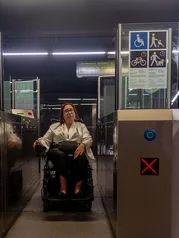
The impact of accessibility on the value of your property