
Keys to Evaluate the Appreciation in Your Future Home
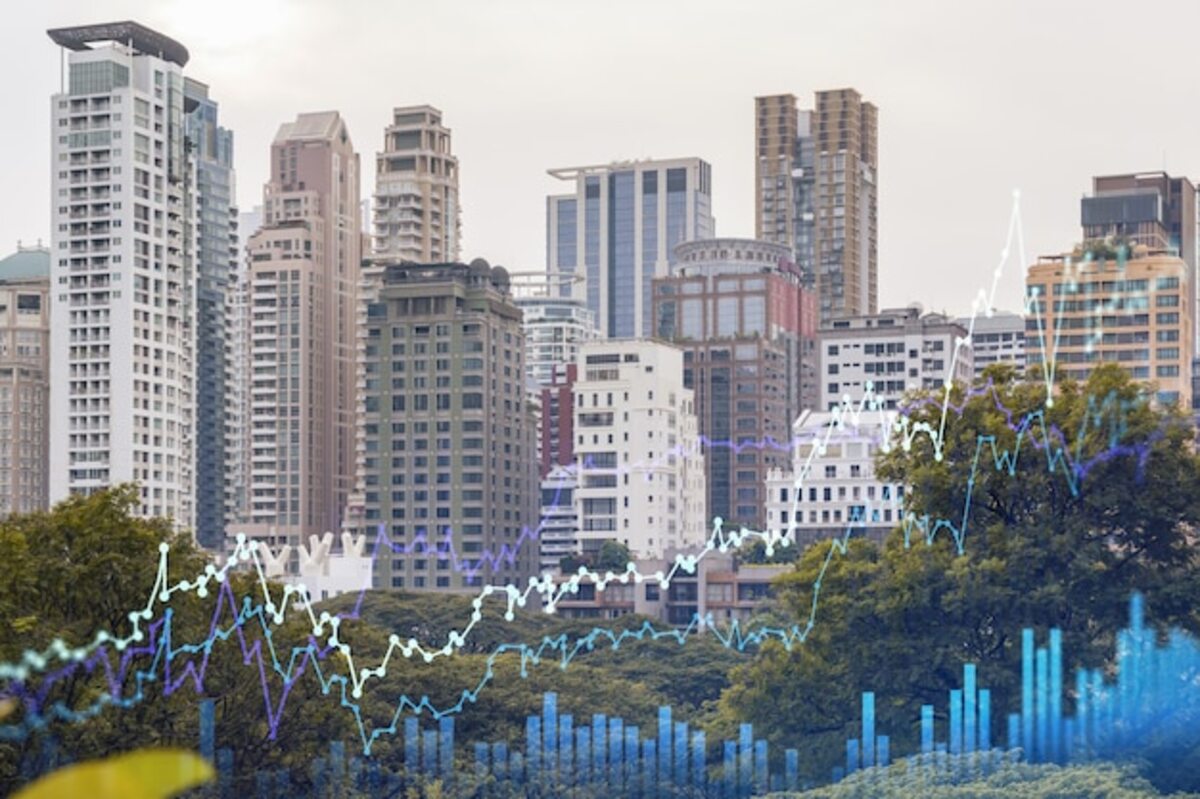
The appreciation of a property is a crucial aspect that can determine the success of your investment. Evaluating the appreciation in your future home will not only help you make informed decisions, but it will also allow you to maximize the value of your assets in the long term. In this article, you will discover the essential keys to understanding how factors such as location, urban development, and market trends influence the appreciation of your property. Get ready to become an expert in identifying valuable opportunities in the Costa Rican real estate market.
What is surplus value and why is it important?
Appreciation is defined as the increase in the value of a property over time, a phenomenon that can be influenced by various factors, such as location, improvements in infrastructure, and the development of services in the area. This increase in value is fundamental for property owners, as it not only represents an opportunity to gain profits if they decide to sell their property in the future, but it also increases their net worth. Understanding what appreciation is allows buyers to make more strategic decisions when acquiring a home and to project their investment in the long term.
The importance of appreciation lies in its ability to transform a property into a valuable asset. A home located in an area with high demand or growth can experience a significant increase in its value over time, which is especially advantageous for those looking to build wealth and financial stability. Additionally, understanding the factors that affect appreciation can help prospective homeowners identify emerging areas to invest in before prices rise significantly, thereby ensuring better returns. In summary, properly assessing appreciation not only optimizes your initial investment but also allows you to plan for a more solid financial future.
Advertisements
Factors that affect appreciation in different areas of the country
The factors that affect the appreciation of a property can vary significantly from one area to another, and understanding these differences is key to making a smart investment. One of the most determining elements is geographical location. Areas close to urban centers, basic services, schools, and commercial areas tend to have a higher potential for appreciation. Additionally, access to main roads and public transportation can increase the area's appeal, which drives demand and, consequently, the property's value over time.
Another critical factor is urban development in the vicinity. Infrastructure projects such as new roads, parks, or public facilities not only improve the quality of life but can also positively influence the perception of the neighborhood. Demographic trends also play a fundamental role; areas with a growing young population or expanding families tend to experience an increase in their property value. Understanding these aspects will allow you to assess not only the present but also the future projections of the real estate market in different regions of the country.
The impact of urban development on property valuation
Urban development plays a fundamental role in property valuation, as it transforms the environment and, therefore, the perception of value in an area. The planning of infrastructures such as new roads, shopping centers, and parks can attract more residents and investors, resulting in an increase in housing demand. Cities that invest in their infrastructure tend to see sustained growth in property prices, as they offer amenities and services that enhance the quality of life. When considering a future home, it is vital to research the urban development plans in the area to anticipate how they might influence the value of your investment.
Furthermore, gentrification is another phenomenon associated with urban development that can significantly impact property value. As previously undervalued areas undergo improvements and become attractive places for new residents, properties often appreciate rapidly. This process not only affects real estate prices but also the demographic profile of the neighborhood. Therefore, understanding urban development trends will allow you to identify areas with growth potential before prices rise dramatically. In summary, understanding how urban development influences valuation will give you a competitive advantage when investing in your future home.
How public infrastructures influence added value
Public infrastructure is a determining factor in the appreciation of a property. The construction of new roads, schools, hospitals, and shopping centers not only improves the quality of life for residents but also increases the demand for housing in those areas. When investment is made in infrastructure, surrounding areas often experience a significant increase in their value. Therefore, when assessing the appreciation of your future home, it is vital to consider what infrastructure projects are planned or under development near the property.
Additionally, access to efficient public transportation can be a major draw for potential buyers or tenants. Properties located near train stations or bus stops tend to retain their value better than those that are far from these services. This type of accessibility not only facilitates mobility but also contributes to creating more integrated and dynamic communities. In this way, analyzing the current and future state of public infrastructure will allow you to make more informed decisions about your real estate investment and ensure greater long-term profitability.
Market trends: what to expect for the future?
Real estate market trends reflect social, economic, and technological changes that can influence the appreciation of your future home. Currently, there is a growing interest in sustainable and eco-friendly properties, which means that investing in homes with energy-efficient features is not only a responsible decision but also a strategic one. These properties tend to have higher demand and, therefore, a faster appreciation in value. Additionally, the use of technology to enhance comfort and security in the home is gaining popularity; elements such as smart home management systems or home automation solutions are redefining what buyers consider valuable.
Another key aspect to consider is urban transformation and infrastructure development in previously undervalued areas. As cities grow and expand, certain neighborhoods emerge as attractive destinations due to new commercial, cultural, and recreational offerings. Investing in these areas can be very beneficial in the long run, as improved access to public transportation and other amenities can significantly increase property values. Lastly, digital connectivity is becoming an essential factor; homes located in areas with good internet coverage and technological resources are more likely to attract new buyers, especially among younger generations who value connectivity as an integral part of their lifestyle.
The importance of researching the neighborhood before buying
Researching the neighborhood before making a purchase is a key step in assessing the appreciation of a property. The location not only determines the lifestyle you will have but also influences the long-term value of your investment. A well-planned neighborhood, with access to essential services like schools, hospitals, and shops, is usually more attractive to future buyers or tenants. Additionally, it is crucial to observe the existing infrastructure and urban development plans in the area; growing areas can offer valuable opportunities that will positively reflect on appreciation.
Another relevant aspect when researching the neighborhood is the safety and quality of life it offers. Crime statistics, as well as the opinions of current residents about their experience living there, can provide you with a clear perspective on whether it is a suitable place for you and your family. Likewise, consider the diversity of the neighborhood: communities with a good cultural and social level tend to maintain constant interest from potential buyers, which can help stabilize or even increase the value of your property over time. Taking the necessary time to research each of these factors will allow you to make a more informed and strategic choice regarding your future home.
Comparison: Urban vs. Rural Surplus Value
The comparison between urban and rural appreciation is essential for anyone considering investing in the real estate market. Properties located in urban areas tend to experience faster growth in value due to factors such as constant demand, availability of services, and developed infrastructure. Cities often attract more people seeking employment and lifestyle, which creates competition for housing spaces that, in turn, drives up prices. However, this dynamism can also carry risks, such as more pronounced market fluctuations and a higher supply of properties that can saturate the area. On the other hand, rural properties present a different outlook. Although they have traditionally been considered less financially attractive, many rural areas are starting to see an increase in their appreciation due to interest in sustainable lifestyles and the search for more spacious areas following the pandemic. Additionally, initial costs are often much lower, meaning that opportunities for profit can be significant if these areas experience development or improvements in infrastructure. Evaluating these differences will allow you to make informed decisions about where to invest your money to maximize your wealth.
Tools to assess the potential appreciation of a property
To evaluate the potential appreciation of a property, it is essential to have the right tools to analyze different market variables. One of the main tools is the comparative market analysis (CMA), which involves studying similar properties in the same area to understand current prices and how they have evolved over time. This approach will help you identify whether a property is overvalued or undervalued, providing you with valuable information for your purchasing decision. Additionally, digital platforms that offer data on past sales and neighborhood trends can be invaluable resources for gaining a more comprehensive view.
Another crucial tool is consulting urban development plans and future projects in the area where the property is located. The arrival of new infrastructures, such as schools, shopping centers, or public transportation, can significantly increase the value of a property. Therefore, being aware of these potential changes will allow you to anticipate how the appreciation might vary in the future. It is also advisable to consider local economic indicators such as employment rates and population growth, as these factors directly influence real estate demand and, consequently, the appreciation of your future home’s value.
Tips to increase the value of your home after purchase
To increase the value of your home after purchase, it is essential to make strategic improvements that not only beautify the space but also enhance its market value. Investing in renovations like a modern kitchen or updated bathrooms can provide a significant return. Additionally, improving the energy efficiency of your home by installing double-glazed windows or solar panels will not only attract potential buyers but also reduce utility costs, which is an important draw for any family.
The presentation and maintenance of the home are equally crucial to maximize its value. Keeping a well-maintained garden and an attractive facade can make a significant difference in the first impression your property makes. Likewise, staying up to date with repairs and ensuring that all systems (electricity, plumbing) are functioning properly will help prevent unexpected devaluations. Finally, being attentive to neighborhood trends and participating in community initiatives can help you identify future opportunities to further enhance the value of your real estate investment.
Common mistakes when assessing capital gains and how to avoid them
When evaluating the appreciation of a property, it is common to make certain mistakes that can lead to wrong decisions. One of the most frequent is underestimating the importance of location. Often, buyers focus solely on the current price of the property without considering factors such as access to services, infrastructure, and the potential for development in the area. To avoid this mistake, it is essential to research future projects and demographic trends that may influence the long-term value of the area. Additionally, consulting with local experts can provide you with a clearer perspective on the opportunities presented by the neighborhood.
Another common mistake is ignoring real estate market conditions when making the assessment. Many people rely on historical prices without considering recent changes or economic fluctuations that could affect the value of their investment. It is essential to stay updated on current market trends and to pay attention to economic indicators that may influence supply and demand. Conducting a comparative analysis with similar properties in the same area will provide you with a more accurate and informed view of the potential appreciation of your future home, thus helping you make more informed and strategic decisions.
Advertisements
More in Property Value Appreciation

Location and Value, Property Value Appreciation
The hidden value of nature in real estate

Location and Value, Property Value Appreciation
Keys to Identify High Appreciation Areas in Costa Rica

Location and Value, Property Value Appreciation
The effect of security on real estate valuation

Location and Value, Property Value Appreciation
The effect of public transportation on property valuation
Most viewed in Location and Value

Location and Value, Best Areas
House rents in October: what rose and what fell

Location and Value, Best Areas
The housing market in October: what rose and what fell

Location and Value, Best Areas
The lot market in October: what rose and what fell

Location and Value, Community Living
The impact of accessibility on the value of your property