
Considerations for choosing the location that boosts your real estate investment
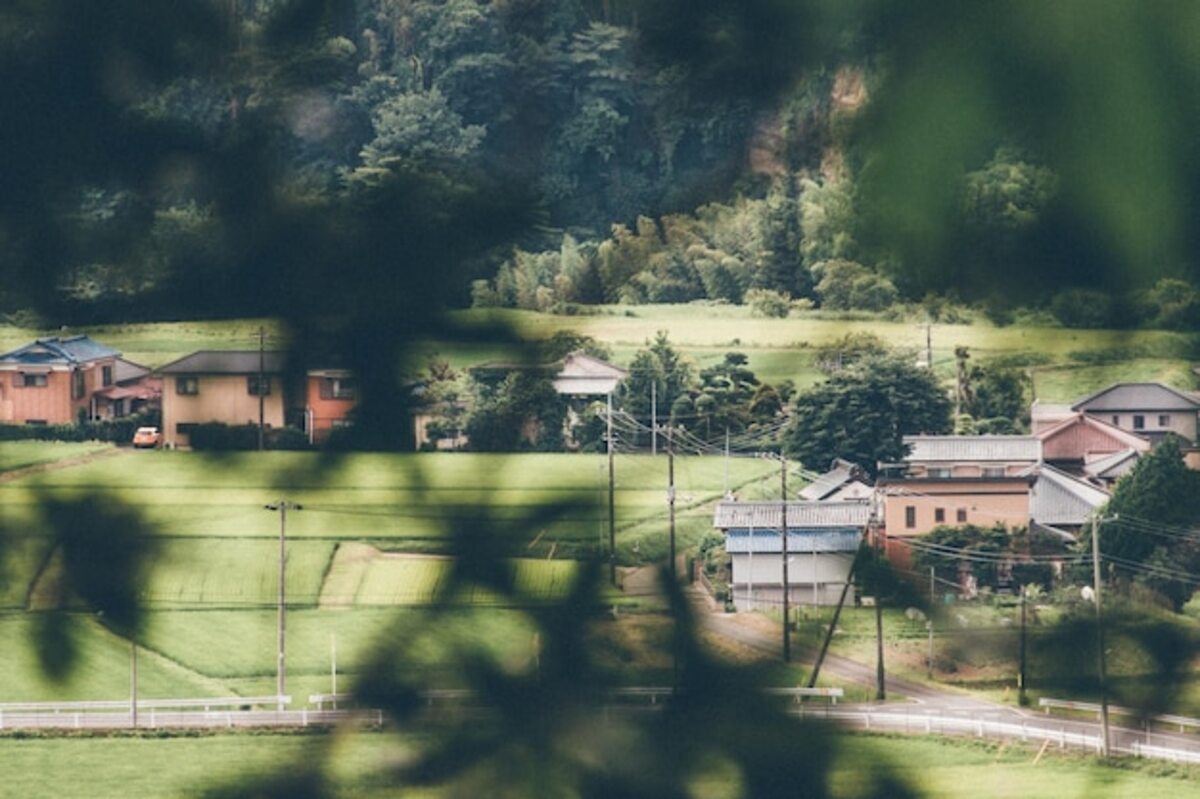
Choosing the right location for your real estate investment can make the difference between resounding success and a missed opportunity. In this article, we will explore the key considerations when deciding between rural and urban environments in Costa Rica. Both scenarios offer unique advantages, but understanding how each impacts appreciation is essential for maximizing your return on investment. Join us on this journey that will help you make informed and strategic decisions in the fascinating world of the real estate market.
Advantages of investing in urban areas: Why are they more attractive?
Urban areas offer a series of advantages that make them particularly attractive to real estate investors. First, the concentration of services and amenities in cities is a key factor driving demand. From schools and hospitals to shopping centers and entertainment options, proximity to these resources not only enhances the quality of life for residents but also increases property values. Additionally, cities often have more developed infrastructure, which facilitates access to public transportation and reduces commute times, becoming an additional attraction for potential tenants or buyers.
Another relevant aspect is population growth in urban environments. Cities tend to attract people seeking job and educational opportunities, which generates a constant flow of demand for housing. This dynamic not only keeps rental prices stable, but also promotes appreciation of property value over time. By investing in urban areas, owners can benefit from greater liquidity and long-term profitability, as housing supply is often insufficient to meet the growing demand. For these reasons, choosing urban locations can be a smart strategy for those looking to maximize their real estate investment.
Advertisements
Hidden opportunities in the rural environment: A growing market
The rural environment presents a series of hidden opportunities that can be decisive for those looking to invest in real estate. As people move away from urban life in search of tranquility, natural spaces, and a more sustainable lifestyle, rural properties have begun to gain appeal. This shift in demand can translate into a significant increase in property values, especially those located near natural resources, such as rivers or mountains, and with easy access to main roads. Investing in these areas not only offers the potential for short-term profitability through vacation rentals or appreciation but also opens the door to innovative projects, such as eco-tourism or sustainable communities.
Additionally, the rural environment tends to be less saturated than urban markets, which means there is less competition and more opportunities to acquire properties at reasonable prices. Many rural areas are experiencing gradual but steady development thanks to government incentives to improve infrastructure and services. This creates a favorable environment for visionary investors who can anticipate future trends and position themselves strategically before prices rise sharply. The combination of demographic growth towards rural areas and the improvement of local conditions can provide fertile ground for those willing to explore these emerging markets.
Demand analysis: What are buyers looking for today?
The analysis of demand in the current real estate market reveals a series of trends that buyers consider fundamental when deciding their investment. Increasingly, people are looking for properties that offer a balance between comfort and quality of life. In urban environments, proximity to essential services such as schools, health centers, and recreational areas is highly valued. On the other hand, in rural areas, tranquility, access to nature, and spacious areas that allow for a more relaxed lifestyle are appreciated. This duality represents an opportunity for investors: identifying which aspects are most relevant to their target audience can be the key to succeeding in a competitive market.
Additionally, changes in buyer priorities have driven interest in sustainable and energy-efficient properties. Many seek homes that are not only aesthetically pleasing but also have a low environmental impact. This means that investing in locations that promote eco-friendly practices and have green infrastructure can significantly increase a property's appeal. Likewise, factors such as digital connectivity have become crucial; with the rise of remote work, areas that offer good internet connectivity can become hotspots for those looking to combine the best of urban living with the tranquility of the countryside. Recognizing these emerging demands will allow investors to strategically position their properties to maximize their return on investment.
Impact of infrastructure on appreciation: Key to your investment
The added value of a property is intrinsically linked to the development of infrastructure in its surroundings. When investment is made in an area that is experiencing significant improvements in its services, such as the construction of roads, hospitals, or schools, it is likely that the property's value will increase over time. These infrastructures not only facilitate the daily lives of residents but also attract new buyers and tenants, creating a demand that can drive prices up. Therefore, before making a real estate investment, it is crucial to assess the urban and rural development plans in the chosen area.
Additionally, access to efficient public transportation and other improved facilities can be a key determinant for property valuation. In urban areas where modern transportation systems are being implemented or where new commercial routes are planned, properties tend to see a notable increase in their value. On the other hand, in rural environments, investing in properties close to sustainable agricultural or ecotourism projects can offer unique opportunities. Evaluating these dynamics not only ensures a better choice when buying or renting but also provides insight into how your investment will perform in the long term.
Lifestyle and its influence on location choice
The choice of location for your real estate investment depends not only on economic and demographic factors but also on the lifestyle you wish to promote or attract. In urban settings, for example, buyers and renters often value proximity to services such as schools, healthcare centers, and entertainment options. This dynamic and connected lifestyle can drive demand for properties in metropolitan areas, where access to public transportation and cultural activities is an essential appeal. Thus, if your goal is to attract young professionals or families seeking convenience and social activity, urban areas might be more suitable for your investment. On the other hand, rural environments offer a quieter and more relaxed lifestyle, ideal for those looking to escape the city hustle. The connection to nature, open spaces, and a closer community are characteristics valued by those who prefer this type of environment. Investing in properties located in rural areas can be attractive to people wishing to establish second homes or seeking a change in their quality of life. When considering the profile of potential buyers or renters, it is crucial to assess how these preferences will influence long-term appreciation and the overall performance of your real estate investment.
Future projections: Trends that will define the real estate market
Future projections for the real estate market indicate that demand for properties in strategic locations will continue to grow, driven by demographic changes and lifestyle preferences. New generations, increasingly interested in remote work, seek environments that offer quality of life and access to essential services. This has generated a rise in interest for rural or semi-urban areas, where buyers can enjoy larger spaces and a closer connection to nature. As cities become more congested, it is likely that we will see a movement towards these less dense areas, which may result in a significant appreciation of properties in these regions.
Furthermore, sustainability is becoming a key factor in the choice of location for real estate investments. Current buyers value eco-friendly practices and seek communities that prioritize sustainable development. This not only affects the preference for certain locations but also influences how real estate projects are designed and built. Future trends point towards developments that integrate green technology and accessible community spaces, which not only improve the quality of life for residents but also promise greater long-term returns for savvy investors willing to adapt to this new market paradigm.
Success stories: Notable investments in both rural and urban areas
The choice of location for a real estate investment can be a decisive factor in its success, and several success stories in both rural and urban areas demonstrate how this decision can transform opportunities into thriving realities. In urban environments, for example, the development of residential and commercial complexes in previously underutilized areas has led to a significant increase in property value. Projects that have revitalized entire neighborhoods have not only attracted new residents but have also boosted local economic growth by fostering job creation and improving infrastructure. This phenomenon underscores the importance of carefully assessing the characteristics of the chosen urban area, considering factors such as accessibility, housing demand, and development potential.
On the other hand, rural investments have also shown outstanding results by leveraging the natural charm and unique resources that these locations offer. Examples of eco-tourism and sustainable developments have captured the attention of investors looking for peaceful retreats or alternative tourist destinations. The revaluation of land near national parks or coastal areas has demonstrated that investors can achieve significant returns by diversifying their portfolios towards rural areas. Thus, these success stories illustrate how each type of environment offers unique opportunities; identifying which aligns best with your goals is crucial for maximizing your return on investment in the real estate market.
Advertisements
More in Rural vs Urban

Location and Value, Rural vs Urban
The relationship between landscapes and property valuation

Location and Value, Rural vs Urban
Choosing your home: keys to a location with lasting value

Location and Value, Rural vs Urban
Natural Wealth and Appreciation Opportunities in La Fortuna

Location and Value, Rural vs Urban
The influence of infrastructure on the value of your property
Most viewed in Location and Value
Location and Value, Best Areas
House rents in October: what rose and what fell

Location and Value, Best Areas
The housing market in October: what rose and what fell

Location and Value, Best Areas
The lot market in October: what rose and what fell
Location and Value, Community Living
The impact of accessibility on the value of your property