
Key Aspects of Location for Secure Investment in Costa Rica
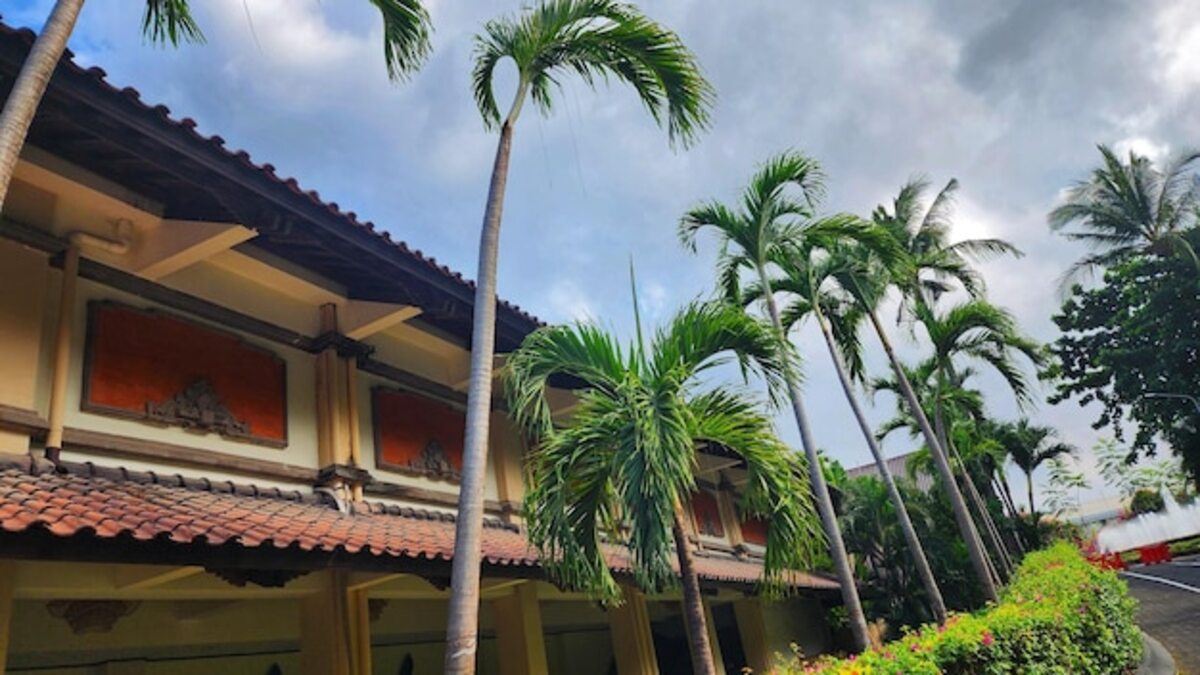
The choice of location is crucial when considering an investment in real estate in Costa Rica. Are you wondering if it is safer to invest in rural or urban areas? This article will guide you through the key aspects you need to consider to maximize appreciation and secure your investment. We will analyze the advantages and disadvantages of each environment, providing you with the necessary tools to make informed and profitable decisions.
Advantages of Investing in Urban Areas: Access and Opportunities
Investing in urban areas offers a series of advantages that are particularly attractive to those looking to secure their capital in the real estate sector. One of the main advantages is access to essential infrastructure and services, such as public transportation, education, health, and entertainment. In cities like San José, connectivity and the availability of services facilitate the daily lives of residents, which in turn increases the demand for properties. This phenomenon translates into a constant increase in property values in urban areas, making the investment more profitable in the long term.
In addition to access to services, urban areas often have a more dynamic economic environment. The concentration of businesses and job opportunities attracts a diverse population looking for residences close to their workplaces. This influx not only increases the demand for housing but also fosters commercial and cultural development, creating a favorable environment for new investments. The possibility of renting or reselling properties in these areas is significantly higher due to this constant arrival of new residents and urban growth, representing an invaluable opportunity for those interested in maximizing their profitability.
Advertisements
Benefits of Rural Life: Tranquility and Nature
Rural life in Costa Rica offers a series of benefits that make it an attractive option for those seeking tranquility and connection with nature. One of the most notable aspects is the serene environment experienced away from the urban bustle, where the pace of life is slower and allows for a more peaceful enjoyment of daily life. This tranquility not only promotes emotional well-being but also contributes to a healthier lifestyle, as people tend to spend more time outdoors, engaging in physical activities and enjoying stunning natural landscapes.
Additionally, living in rural areas means having privileged access to the biodiversity that characterizes Costa Rica. Rural environments are often surrounded by mountains, rivers, and tropical forests, allowing for a variety of recreational activities such as hiking, birdwatching, and eco-tourism. Proximity to nature can also positively influence the value of your real estate investment; properties located in these areas tend to attract buyers interested in a sustainable and environmentally conscious lifestyle. Therefore, choosing to invest in rural living not only promises tranquility but also potential growth in appreciation due to the natural appeal of the surroundings.
Surplus Value in Urban Areas: Real Estate Market Trends
The increase in value in urban areas is a crucial aspect to consider when investing in real estate in Costa Rica. Urban areas, characterized by their developed infrastructure, accessibility, and varied services, tend to attract a larger population. This translates into an increase in demand for properties, which in turn drives up their value. Furthermore, the constant growth of the urban economy and investment in public infrastructure projects are factors that create a favorable environment for real estate development. Thus, investors can expect significant appreciation of their assets in the long term if they choose to locate in these dynamic areas.
However, it is essential to pay attention to real estate market trends within urban areas. Gentrification, for example, can transform entire neighborhoods, increasing their appeal and value as new businesses and services are established. On the other hand, potential risks associated with market saturation or changes in urban planning policies that could negatively affect appreciation must also be considered. Understanding these factors will allow you to strategically choose where to invest to maximize your returns and ensure solid financial security in the future.
Sustainable Growth: Rural Investments with a Future
Sustainable growth in rural investments is a trend that has gained momentum in recent years, especially in countries like Costa Rica, where nature and biodiversity are a primary attraction. Investing in rural areas not only offers the opportunity to enjoy stunning landscapes and a quieter lifestyle but also aligns with a growing demand for organic and sustainable products. Buyers are increasingly interested in properties that promote organic farming or rural tourism, meaning that a well-located investment can offer significant long-term returns. Furthermore, the focus on sustainable practices can help attract a market segment that is environmentally conscious.
Rural infrastructure is constantly improving thanks to government policies and development programs aimed at enhancing these areas. This includes improvements in roads, access to basic services, and tax incentives for those who decide to invest in sustainable projects. As a result, rural properties are seeing an increase in their value due to this revitalization and the ongoing interest from both local and international buyers. Thus, when considering an investment in Costa Rica, one should not only think about the immediate economic return but also about how to contribute to the social and environmental well-being of the country while ensuring a profitable investment for the future.
Infrastructure and Development: Impact on Real Estate Valuation
The infrastructure and development of a region are determining factors in real estate valuation. In Costa Rica, areas that have good access to roads, efficient public transport, and basic services such as water, electricity, and internet tend to see an increase in their value. The quality of schools, hospitals, and shopping centers also significantly influences the decision of potential buyers. Therefore, when investing in real estate, it is vital to evaluate not only the current state of the infrastructure but also the future development plans that may further enhance accessibility and quality of life in that area.
Additionally, local economic growth drives public and private investment in infrastructure. Projects like new roads or expansions of public transportation can transform an area previously considered peripheral into an attractive place to live and work. When choosing a location for your investment, consider urban development projections and how these may affect the long-term value of your property. An area with concrete expansion plans is likely to attract more residents and investors, thereby increasing demand in the real estate market and ensuring greater security for your investment.
Demographic Analysis: Where is Growth Found?
Demographic analysis is essential for identifying areas with the greatest growth potential in the real estate market of Costa Rica. Statistics on the population, such as the growth rate, age distribution, and income levels, provide a clear view of where new opportunities are emerging. For example, urban areas tend to attract a growing number of young professionals and families seeking access to services and employment. These demographic dynamics suggest that investing in expanding cities or in areas close to urban centers could be safer and more profitable, as population growth generally drives housing demand.
On the other hand, the potential of rural areas should not be underestimated. With a growing interest in sustainable living and larger spaces due to remote work, many people are choosing to move to less populated localities. This has resulted in a significant increase in real estate value in those areas, making them an attractive option for investors as well. When analyzing demographic growth in both urban and rural environments, it is essential to assess how these trends can influence your investment decisions and thus ensure a diversified and adaptive strategy in response to market changes.
Lifestyle and Tourist Appeal: Key Factors to Consider
The lifestyle and tourist appeal are two interrelated factors that can significantly influence the decision to invest in real estate in Costa Rica. Areas that offer a relaxed environment, surrounded by nature and with access to outdoor activities, tend to attract both permanent residents and tourists. This type of environment not only enhances the quality of life for inhabitants but also increases the demand for properties, which can translate into consistent appreciation. Investing in areas where a healthy and active lifestyle is valued can be a smart strategy to ensure a positive return on your investment.
On the other hand, tourist appeal is an essential component that should not be overlooked. Costa Rica is known for its biodiversity and stunning landscapes, making it a favorite destination for international visitors. Properties located near beaches, national parks, or ecotourism communities tend to have high occupancy during tourist seasons, generating additional income for owners. Assessing the tourist potential of a specific location will allow you to anticipate not only immediate profitability but also the future growth of your investment value in the Costa Rican real estate market.
Strategies to Diversify Your Portfolio between Urban and Rural
To diversify your real estate investment portfolio in Costa Rica, it is crucial to find a balance between urban and rural properties. Urban areas often offer high demand due to the concentration of services, employment, and entertainment. Investing in these spaces guarantees you a higher turnover of tenants and potential for consistent income. However, the initial cost may be higher, so consider acquiring smaller properties or those in emerging areas within the city, where you can still take advantage of market growth without significantly compromising your capital.
On the other hand, rural investments present unique advantages that should not be underestimated. These areas tend to offer larger land at affordable prices and can attract buyers and renters looking for a quieter and more sustainable lifestyle. Additionally, if tourism or ecological projects are developed in the region, rural properties can experience a significant increase in their value over time. The key is to research local trends and assess how each type of property can complement one another to create a robust portfolio capable of withstanding economic fluctuations and maximizing your long-term returns.
Advertisements
More in Rural vs Urban

Location and Value, Rural vs Urban
The relationship between landscapes and property valuation

Location and Value, Rural vs Urban
Choosing your home: keys to a location with lasting value

Location and Value, Rural vs Urban
Natural Wealth and Appreciation Opportunities in La Fortuna

Location and Value, Rural vs Urban
The influence of infrastructure on the value of your property
Most viewed in Location and Value
Location and Value, Best Areas
House rents in October: what rose and what fell

Location and Value, Best Areas
The housing market in October: what rose and what fell
Location and Value, Best Areas
The lot market in October: what rose and what fell

Location and Value, Community Living
The impact of accessibility on the value of your property