
Key Factors in Choosing a Location for Your Ideal Home
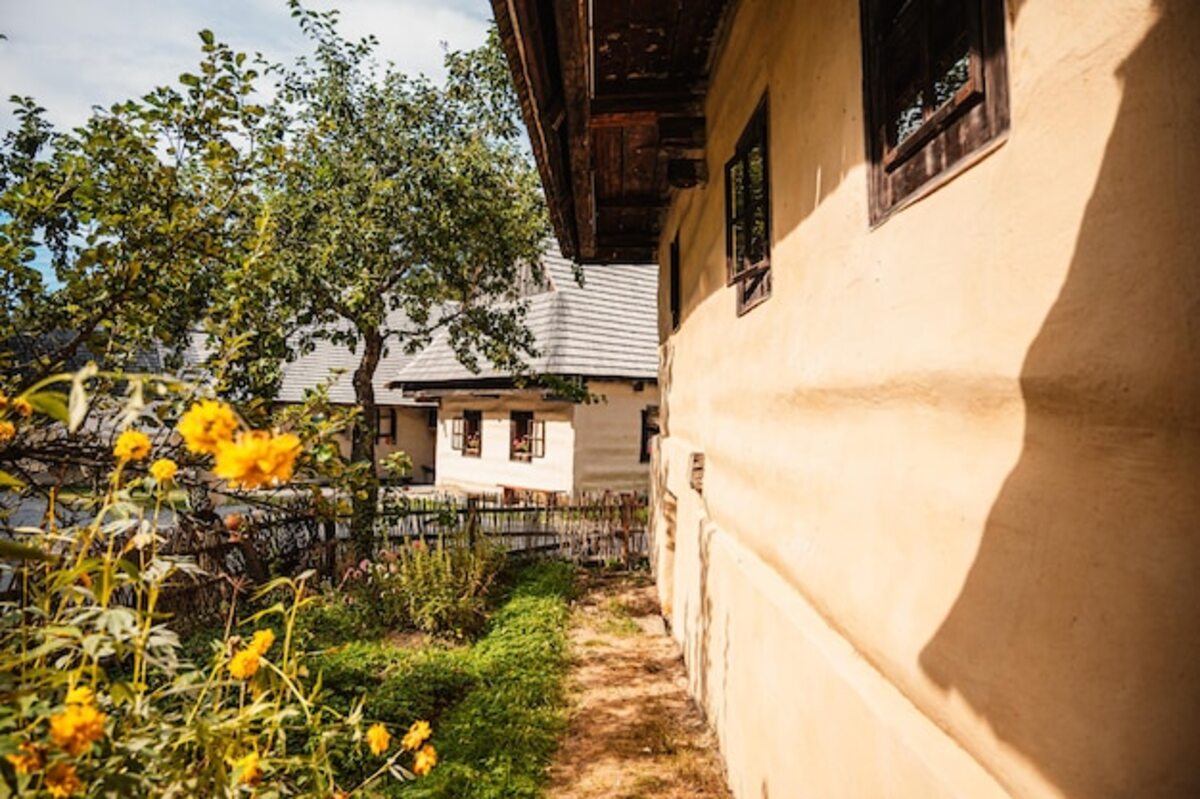
Are you searching for your ideal home? The choice between a rural or urban location is a key factor that will impact not only your quality of life but also the appreciation of your property. In this article, we will explore how the environment you choose can influence your decisions and the future value of your investment. Discover the advantages and disadvantages of each option to make an informed decision that aligns with your needs.
Advantages of living in urban areas: Connectivity and services within reach
Urban areas offer unparalleled connectivity that is hard to match in rural environments. Proximity to essential services, such as supermarkets, hospitals, and schools, facilitates daily life and saves valuable time. Additionally, cities often have a more developed public transportation system, allowing for efficient movement without having to rely solely on a car. This accessibility not only improves quality of life but also contributes to greater sustainability by reducing the carbon footprint associated with personal vehicle use.
Another aspect to consider is the cultural and recreational offerings provided by urban areas. Museums, theaters, restaurants, and social events are an integral part of the urban fabric, enriching the daily experience of their inhabitants. Social diversity also fosters a dynamic environment where broader social and professional networks can be established. These characteristics make living in a city not only practical from a logistical standpoint but also potentially emotionally rewarding by offering multiple opportunities for enjoyment and personal as well as professional growth.
Advertisements
Charm of the countryside: Tranquility and connection with nature
The charm of the countryside lies in the serenity it offers, a refuge away from the hustle and bustle of urban life. This environment provides the opportunity to enjoy natural landscapes, fresh air, and a slower pace of life. The tranquility that is felt in the countryside not only helps reduce daily stress but also fosters a deeper connection with your surroundings. Whether through walks along tree-lined paths or simply enjoying the stars on a clear night, living in the countryside can be a revitalizing experience that nourishes both the body and the mind. Moreover, the connection with nature entails a series of benefits for your physical and emotional well-being. Studies have shown that spending time outdoors improves mood and promotes a more active lifestyle. Cultivating a garden or having access to green spaces not only provides fresh and healthy food but can also become a rewarding activity for the whole family. Thus, opting for a home in a rural setting means not only choosing a place to live but embracing a lifestyle enriched by the natural beauty and peace that this type of location offers.
Impact of infrastructure on urban value appreciation
Urban infrastructure plays a crucial role in the appreciation of a property. Elements such as access to public transportation, the quality of the roads, and proximity to essential services like schools, hospitals, and shopping centers are determining factors that can increase the value of a home. Good connectivity not only facilitates daily mobility but also attracts more residents and potential buyers, generating a constant demand that can lead to a significant increase in property prices in that area. Thus, investing in a location with solid infrastructure often translates into securing wealth growth.
Additionally, the development of sustainable infrastructures, such as parks and recreational spaces, adds an extra appeal to urban areas. These features not only enhance the quality of life for residents by providing places for recreation and social interaction but also elevate the perception of the area as a desirable environment to live in. Buyers tend to value more those areas that offer green spaces and accessibility to recreational activities. Therefore, choosing to reside in an area with good infrastructure can be a strategic decision not only to enjoy the present but also to maximize the return on your investment in the long term.
Population growth and its effect on rural areas
Population growth has had a significant impact on rural areas, affecting both the availability of services and the quality of life of their inhabitants. As more people choose to settle in less densely populated areas, there is a growing demand for basic infrastructure such as transportation, education, and healthcare. This phenomenon can lead to an improvement in the supply of services, but it can also result in challenges such as rising living costs and pressure on local natural resources. For those seeking an ideal home, it is essential to consider how these dynamics may influence their daily lives and whether the chosen locality will be able to meet their long-term needs.
Additionally, demographic growth in rural areas can also transform the social and cultural landscape of these communities. The arrival of new residents can enrich cultural diversity and foster a more vibrant environment; however, this can also create tensions between old and new inhabitants regarding the use of space and community resources. This aspect is crucial for those who value a sense of belonging and social cohesion when choosing their ideal home. Therefore, understanding how demographic growth affects not only the available services but also community dynamics is essential for making an informed decision about your future residential location.
Access to education and health: Comparison between urban and rural
The choice between living in an urban or rural environment has a significant impact on access to education and health services. In urban areas, there is generally a higher concentration of educational institutions and health centers, which can offer a variety of options for residents. From public schools to well-known universities, the quality and educational diversity tend to be greater in these contexts. Additionally, access to hospitals and specialized clinics is easier, reducing wait times and increasing the likelihood of receiving timely medical attention when needed. On the other hand, in rural areas, although the educational and health offerings may be limited, many families value the calm environment and sense of community that these areas provide. Often, rural schools have fewer students per class, which can translate into more personalized attention for students. However, logistical challenges such as longer distances to access medical or educational services can negatively impact the quality of service received. Evaluating these differences is crucial when considering where to establish your ideal home, as it will affect both your daily life and the future growth of your family.
Considerations about transportation: Is it easier to get around in the city or in the countryside?
When considering transportation in the choice of your ideal home, it is essential to evaluate how people move within a city and in the countryside. In an urban environment, you will generally find more developed public transportation systems, such as buses, trains, and subways, which facilitate commuting without the need for a personal vehicle. This can represent a significant advantage for those looking to reduce expenses on car maintenance or prefer to avoid congested traffic. However, population density and a lack of parking can create stress and prolonged wait times during peak hours.
On the other hand, living in the countryside often involves a greater dependence on the car due to the lack of public transport options. While this can provide a sense of freedom and connection with nature, it also means you will need to consider longer distances to access essential services like supermarkets, hospitals, or schools. Furthermore, the time spent traveling can be a decisive factor when choosing between rural and urban living. Reflecting on your daily habits and priorities will help you decide which option best fits your lifestyle and future needs.
Local culture: Urban diversity vs rural tradition
Local culture is a fundamental element that can influence the choice between an urban or rural location for your ideal home. In cities, cultural diversity manifests through a wide range of activities, events, and services that reflect the multiculturalism of their population. From food festivals to art exhibitions, urban areas offer a dynamic environment where one can interact with people from different backgrounds and traditions. This vibrant mix not only enriches social life but also provides unique opportunities for personal and professional growth. However, it is important to consider whether this fast pace and the wide variety of options align with your lifestyle. On the other hand, rural communities are often deeply rooted in traditions that have been passed down through generations. Life in the countryside offers a sense of belonging and connection to nature that many people find comforting. Community events, such as agricultural fairs and local celebrations, foster a family-like atmosphere where everyone knows each other. Although there may be fewer recreational or cultural options compared to the city, this simplicity can be very appealing to those seeking tranquility and a slower pace of life. Ultimately, choosing between urban diversity or rural tradition will depend on your personal preferences and values regarding how you wish to live your daily life.
Strategies to maximize value according to your chosen location
To maximize the added value of your property based on the chosen location, it is essential to analyze the trends in the local real estate market. Areas with development projections, such as new infrastructures, shopping centers, or improvements in public transportation, tend to offer a significant increase in property value. Researching urban planning and future projects will allow you to anticipate which areas might become attractive places for future buyers or tenants. Proximity to essential services such as schools, hospitals, and parks also significantly influences demand, thereby increasing the value of your investment.
Another crucial aspect is the constant maintenance and improvement of the home. Regardless of whether you choose a rural or urban location, investing in renovations that enhance energy efficiency and overall aesthetics can make your property stand out in the market. Additionally, maintaining an attractive outdoor environment through well-kept gardens or recreational spaces can draw potential buyers and increase their willingness to pay more for your house. Finally, staying informed about local regulations and actively participating in the community are strategies that not only enhance your quality of life but can also positively influence the perception of the neighborhood, contributing to a sustained appreciation of your home's value.
Advertisements
More in Rural vs Urban

Location and Value, Rural vs Urban
The relationship between landscapes and property valuation
Location and Value, Rural vs Urban
Choosing your home: keys to a location with lasting value

Location and Value, Rural vs Urban
Natural Wealth and Appreciation Opportunities in La Fortuna

Location and Value, Rural vs Urban
The influence of infrastructure on the value of your property
Most viewed in Location and Value
Location and Value, Best Areas
House rents in October: what rose and what fell

Location and Value, Best Areas
The housing market in October: what rose and what fell

Location and Value, Best Areas
The lot market in October: what rose and what fell
Location and Value, Community Living
The impact of accessibility on the value of your property