
Tips for ensuring a smooth transition when buying a home
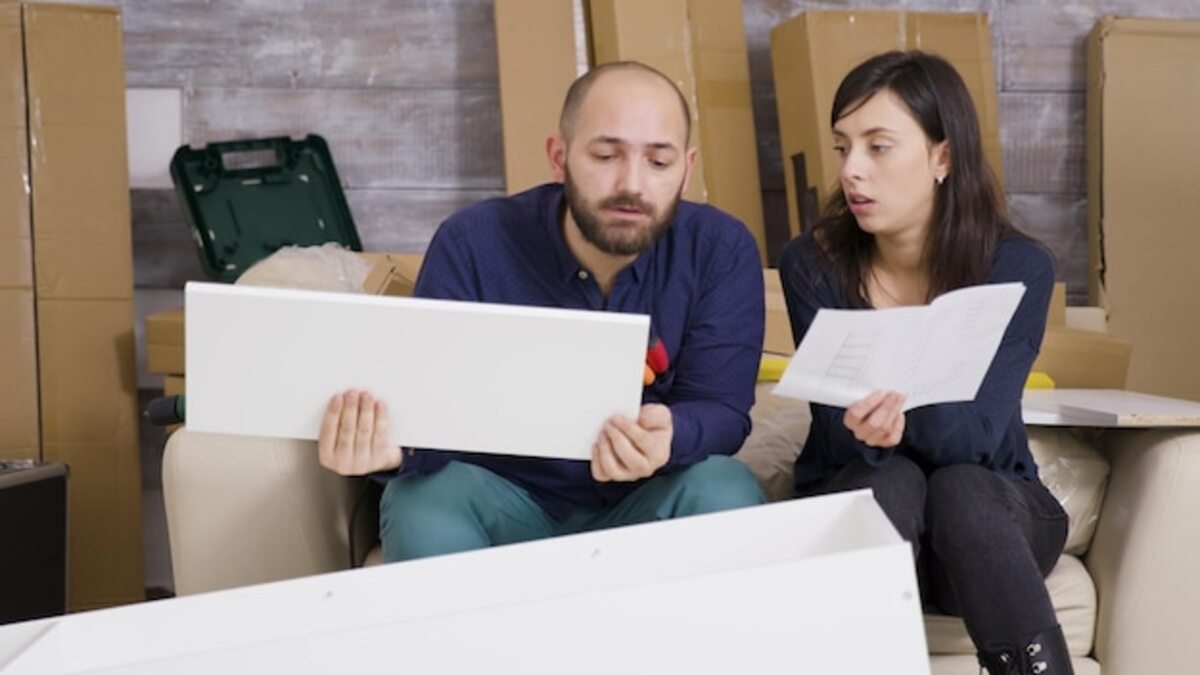
Ensuring a smooth transition when buying a home is a crucial step on your path to ownership. Ending a prior lease can be a complicated process, but with the right advice, you can avoid unpleasant surprises and ensure a seamless move. In this article, we will explore key strategies that will help you navigate each stage of this transition with confidence and peace of mind. Get ready to become the homeowner you have always dreamed of being.
Understanding the current contract: rights and obligations
To ensure a smooth transition when buying a home, it is essential that you thoroughly understand the lease agreement or any other agreement you have in place. This document not only outlines your rights as a tenant but also the obligations you must fulfill until the time of your move. It is important to read each clause carefully, paying special attention to termination dates, deadlines for notifying the landlord of your intention to leave the property, and any penalties for non-compliance. Knowing these aspects will allow you to plan your departure properly and avoid unnecessary conflicts.
In addition to familiarizing yourself with the terms of the lease, it is advisable to maintain open and honest communication with your landlord. If you plan to move, inform your landlord well in advance to facilitate a smoother transition. This courtesy can not only improve your chances of receiving a full refund of your deposit but also generate a positive reference for future rentals. Remember that understanding and properly managing your rights and obligations will help you exit your current lease without complications, which is essential before embarking on the exciting adventure of acquiring your new home.
Advertisements
Effective communication with your landlord
Effective communication with your landlord is essential to ensure that the termination of your rental agreement proceeds smoothly. It is crucial to establish an open and honest line of dialogue from the beginning. Inform your landlord about your moving plans as soon as you have clarity on them. This not only shows respect for their time and property but will also help you agree on a timeline that works for both parties. Make sure to address any requests related to the return of the deposit or any necessary repairs before your departure to avoid last-minute surprises.
Additionally, documenting all interactions and agreements can be a valuable tool during this process. Keep a written record of any important conversations and send emails or messages confirming what was discussed, which will serve as backup if any disagreement arises later. If possible, conduct a joint inspection of the place before leaving, as this helps establish a clear understanding of the property's condition and facilitates the full return of the deposit. With clear and professional communication, you will not only improve your relationship with the landlord but also lay the groundwork for a smoother transition to your new home.
Preparation for property delivery: essential checklist
To ensure a smooth delivery of the property, it is essential to have a well-structured checklist. Before the move, check every corner of your current property and make sure all spaces are in optimal condition. This includes thorough cleaning, repairing any damage, and ensuring that all installations work properly. A meticulous inspection will not only help you avoid issues with the security deposit but will also facilitate a smoother transition to your new home.
Additionally, consider documenting the condition of the property through photos or videos before the handover. This practice not only serves as evidence in case of future disputes but also allows you to remember how the place was delivered. Another important aspect within the checklist is to coordinate the delivery of keys and other access; make sure to have a clear agreement on when and where this exchange will take place. With meticulous preparation and attention to detail, you can minimize the stress associated with the handover of the property and focus on enjoying your new home.
Tips for negotiating contract termination
Negotiating the termination of a contract can be a delicate process, but with the right strategy, you can achieve a favorable resolution. First, it is essential to carefully review the terms of the existing contract to identify any clauses that may affect the termination. Familiarize yourself with the local laws on rental and tenant rights, as this will provide you with a solid foundation for your negotiation. When approaching your current landlord or property owner, maintain a friendly and professional attitude; this will facilitate dialogue and increase the chances of reaching a mutual agreement.
Also, prepare your arguments before the meeting. If you have valid reasons to request the early termination of the contract, such as buying a new home or changes in your employment situation, make sure to communicate them clearly. Sometimes, offering a reasonable timeframe to vacate the property or proposing to find a new tenant can be beneficial for both you and the landlord. Remember that open and honest communication can pave the way for a peaceful solution that satisfies both parties and avoids unnecessary conflicts during this important change in your life.
Necessary documentation to complete the rental
To conclude the rental of your current home, it is essential to gather all the necessary documentation to facilitate an orderly and smooth exit. First, review your lease agreement to identify the clauses related to its termination. Ensure that you comply with the required notice periods and document any communication made with your landlord. Additionally, prepare a detailed inventory of the property's condition at the time of your move, as this can be useful to avoid disputes over the security deposit.
Another important aspect is to gather all documents related to payments and maintenance during your stay in the property. This includes rent receipts, utility payment receipts, and records of repairs made. Having this information on hand will facilitate any negotiations you may need to carry out regarding the refund of the deposit or any other outstanding matters. With everything in order, you can focus on your new home without the additional burden of unresolved issues from the past.
How to handle security deposits when leaving a rental
When leaving a rental, one of the most important aspects to consider is the handling of the security deposit. This amount, which generally equals one or two months' rent, should be fully recovered if the conditions set forth in the contract are met. To ensure the complete return of your deposit, it is crucial to conduct a thorough inspection of the property before vacating it. Make sure to repair any damage that may have occurred during your stay and clean each room thoroughly. Documenting the condition of the home with photos can serve as evidence in case of disputes regarding the refund.
It is also advisable to communicate with your landlord or the property management to coordinate a joint inspection. This not only facilitates communication but also allows you to address potential concerns before they become larger issues. Familiarize yourself with local laws regarding security deposits; many jurisdictions require landlords to return these funds within a specific timeframe after the lease ends. Maintaining a proactive and organized approach to managing your deposit will enable you to enjoy a stress-free transition to your new home.
Strategies to find your new home quickly
To find your new home quickly, the first thing you need to do is define your priorities. Make a list of the essential features you want in your new home, such as the number of bedrooms, the location, and nearby amenities. This will not only help you filter the available options but also allow you to communicate better with real estate agents or use effective search platforms. Remember that being clear about what you really need will save you time on properties that do not meet your expectations.
Once you have your priorities clear, use multiple channels to broaden your search. Consider exploring real estate websites, social media, and community groups where buying opportunities can be shared. Additionally, do not underestimate the power of word of mouth: talking to friends, family, or colleagues about your search may lead you to discover options that are not publicly listed. Stay flexible and open to new possibilities; sometimes, a property outside your comfort zone may turn out to be the perfect option for you.
Importance of taking an inventory before moving
Creating an inventory before moving is a fundamental practice that can save you time, effort, and money. This process involves listing all the items and belongings you own, from large furniture to small items. By having a detailed record, you can identify what you really need to take to your new home, as well as what could be sold or donated. This will not only help you lighten the load during the move but also allow you to better organize the space in your new home, ensuring that each item has its proper place from day one.
Additionally, a well-executed inventory can be invaluable in case of damages or losses during the moving process. If you decide to hire professionals to transport your belongings, having a list will allow you to verify each item when you receive it in your new home. In case of any issues, you will have clear evidence of what you had and its original condition. Preparing in this way not only facilitates the transition to your new life as a homeowner, but also provides peace of mind against potential unforeseen circumstances that may arise along the way.
Financial planning for home purchase
Financial planning is a fundamental aspect when it comes to acquiring a home. Before taking the big step, it is essential to evaluate your personal finances and establish a realistic budget. This includes not only the cost of the property itself but also other associated expenses such as taxes, insurance, maintenance fees, and potential renovations. By having a clear view of your financial situation, you will be able to determine how much you can invest without compromising your economic stability. Additionally, consider the possibility of consulting with a financial advisor to gain a professional perspective that helps you make informed decisions.
Another key element in financial planning is pre-approval for a mortgage loan. This process will not only give you a more accurate idea of the amount you can finance, but it will also put you in a better position when making offers on properties. Sellers often prefer pre-approved buyers because this indicates seriousness and financial capability. Additionally, having a clear understanding of the mortgage process will allow you to compare different options and choose the one that best fits your needs. Remember that buying a home is a long-term investment; taking the time to plan properly can make the difference between a successful purchase and a future filled with financial worries.
Advertisements
More in Contract Termination

Rental Guides, Contract Termination
How to simplify the buying process after leaving your rental.

Rental Guides, Contract Termination
How to ensure an exit that enhances your next real estate investment.

Rental Guides, Contract Termination
How to prepare your future home after leaving the rental

Rental Guides, Contract Termination
Crucial aspects when leaving the rental and moving to purchase
Most viewed in Rental Guides

Rental Guides, Rights and Obligations
Tenant rights in Costa Rica: what to know before signing

Rental Guides, Rental Contracts
Strategies for Effectively Negotiating Your Rental Agreement

Rental Guides, Requirements for Renting
Tips to speed up the rental process in Costa Rica

Rental Guides, Renewal and Adjustments
Tips for ensuring a successful and surprise-free rental