
Complete guide to avoid mistakes when renting in Costa Rica
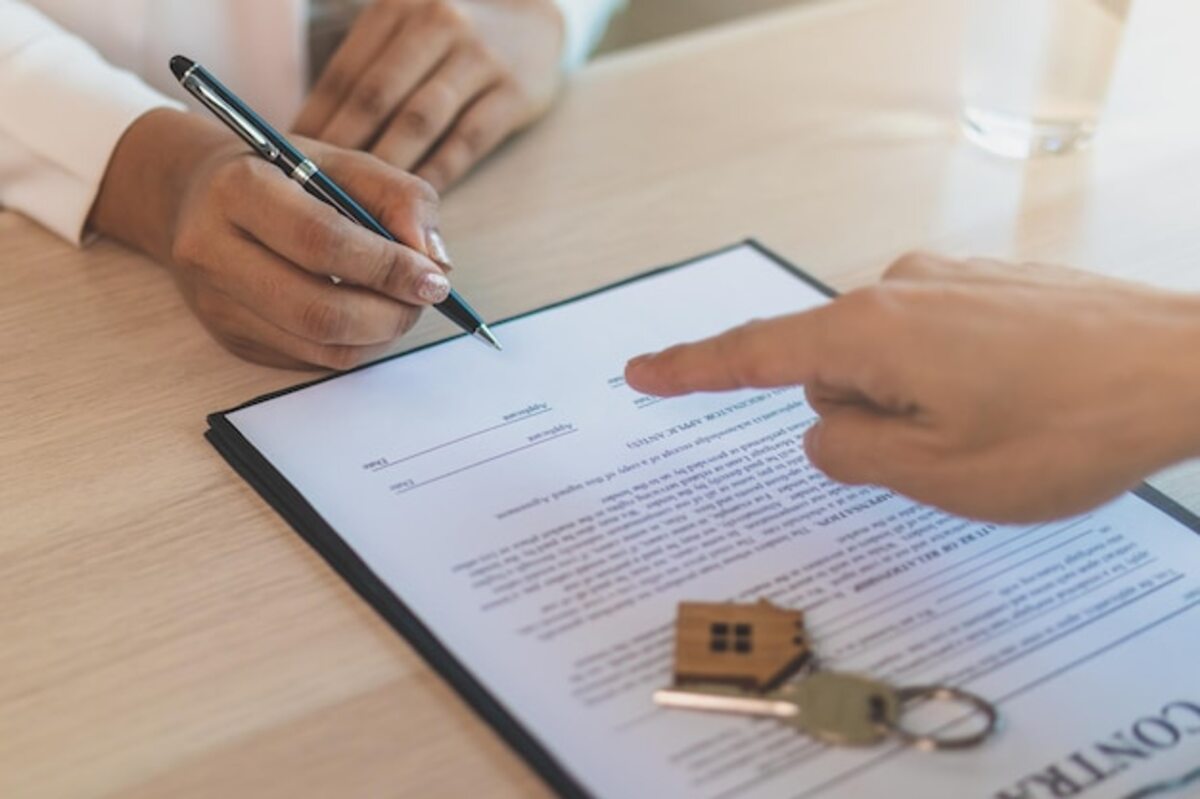
Renting a property in Costa Rica can be an exciting process, but it is also filled with pitfalls that can cost you time and money. In this 'Complete Guide to Avoiding Mistakes When Renting in Costa Rica', we will provide you with key strategies to navigate this market with confidence. From choosing the right contract to managing adjustments and renewals, here you will find practical tips that will help you avoid the most common mistakes and enjoy your new adventure without setbacks.
Understand the rental market in Costa Rica.
To understand the rental market in Costa Rica, it is essential to consider that this sector varies significantly between different regions of the country. Urban areas such as San José and its surroundings usually have high demand, which can result in higher prices and fewer options available. On the other hand, popular tourist destinations like Guanacaste or Manuel Antonio may offer attractive properties at competitive prices, but can also be subject to seasonal fluctuations. Familiarizing yourself with the specific characteristics of each area will allow you to make more informed decisions that suit your needs.
Additionally, it is essential to understand the types of rentals that predominate in the country. In Costa Rica, you can find everything from apartments and houses to luxury villas and shared spaces. Each type has advantages and disadvantages that must be carefully evaluated. The choice of property type will not only affect your living experience but also your monthly budget. Researching the current market and consulting with local real estate agents can provide you with a clearer insight into what to expect in terms of costs, maintenance, and additional services available for tenants. This knowledge will empower you to negotiate the best possible terms when signing a lease.
Advertisements
The importance of a clear and detailed contract
A clear and detailed contract is essential when renting a property in Costa Rica, as it establishes the foundation for a transparent relationship between landlord and tenant. This document should include all relevant aspects of the agreement, such as the duration of the rental, the monthly rent amount, payment conditions, as well as any additional charges that may arise. Having a well-drafted contract allows both parties to avoid misunderstandings and future disputes, providing a framework of security and trust in the transaction.
Additionally, a detailed contract should also address the policies regarding property maintenance and the responsibilities of each party. It is important to specify who will be responsible for necessary repairs and how unforeseen situations, such as property damage or issues with basic services, will be handled. This way, risks are minimized and harmonious coexistence is encouraged. Remember that a good contract not only protects your interests as a tenant but also establishes a clear commitment from the landlord to fulfill their obligations.
Avoid surprises: hidden costs in the rent
When renting a property in Costa Rica, it is essential to be aware of hidden costs that may arise and affect your budget. Often, the rental price may seem attractive at first glance, but it is important to investigate whether there are additional charges that are not clearly specified in the contract. These may include maintenance fees, utilities, or even costs associated with property management. Before signing any agreement, make sure to request a detailed breakdown of all the expenses involved to avoid unpleasant surprises that could impact your finances.
In addition to reviewing visible costs, it is also advisable to ask specific questions about the policies of the owner or property management. Ask if there is any type of refundable deposit or if additional insurance is required to cover potential damages. Having clarity on these aspects from the beginning will allow you to better plan your budget and avoid future tensions with the landlord. Transparency in these negotiations will not only help you make more informed decisions, but will also foster a more open and trustworthy relationship with the person renting you the property.
How to choose the perfect location for your rental
Choosing the perfect location for your rental in Costa Rica is essential, as it will not only affect your quality of life but also your overall experience in the country. When considering a neighborhood, it is important to evaluate factors such as proximity to essential services like supermarkets, hospitals, and schools. Additionally, think about access to public transportation and major roads. A well-located place can save you time and make daily life easier, while a poor choice can lead to constant inconveniences.
Another aspect to consider is the environment and safety of the area. Research if there are nearby communities that offer a friendly and safe atmosphere for you and your family. Talking to local residents or reviewing online forums can provide you with valuable information about what life is really like in that area. Also, consider your personal preferences: do you prefer to be close to nature or enjoy an urban environment? Taking the time to find a location that fits both your practical needs and personal desires will help you feel more comfortable and satisfied with your rental choice in Costa Rica.
Tips for Inspecting the Property Before Signing
Before signing a rental contract, it is essential to conduct a thorough inspection of the property. Start by checking the overall condition of the property; look for signs of dampness, cracks in the walls, or electrical issues that may indicate poor maintenance. Don't hesitate to turn on the taps and check the water pressure, as well as test all the appliances included in the rental. Making a list of observations will help you keep a clear record and allow you to raise any concerns with the landlord before committing to the contract.
It is also advisable to visit the property at different times of the day to assess natural lighting and the level of noise coming from outside. This will give you a better idea of the environment and the conditions you will experience daily. Also consider exploring the neighborhood; check the accessibility to basic services, public transportation, and recreational areas that align with your lifestyle.
Finally, do not underestimate the importance of asking about policies related to repairs and maintenance. Make sure you understand who will be responsible in case issues arise during your stay, as this can save you unpleasant surprises later on. By following these tips for properly inspecting the property before signing, you will be able to make informed decisions and fully enjoy your rental experience in Costa Rica.
Renovations: what to do and what to avoid when modifying a space
When modifying a space in a rented property, it is essential to first review the lease agreement. Often, landlords have specific clauses about what changes are allowed and which are not. Generally, major renovations, such as remodeling bathrooms or kitchens, require the explicit consent of the landlord. So before making any changes, make sure to communicate with your landlord and obtain their written approval. This will not only protect you legally but also help maintain a good relationship with the landlord throughout the duration of the rental.
In addition to obtaining permission to make modifications, there are certain aspects you should avoid when renovating. For example, opting for overly bright colors or unconventional styles can make it difficult to relocate when you decide to leave the property. It is advisable to choose neutral finishes and decorations that not only reflect your personal style but are also appealing to future tenants or owners. Likewise, avoid making permanent or irreversible changes; instead, consider temporary solutions such as furniture or decorative elements that you can take with you when your lease ends. This will allow you to personalize your space without compromising the property's value or facing issues when your rental period concludes.
Necessary adjustments: how to negotiate with the owner
Negotiating with the landlord is a crucial step in the rental process and can make the difference between a positive experience and a series of inconveniences. Before starting any conversation, it is essential to research the local market to have a clear idea of prices and common conditions in the area where you want to rent. This will not only give you confidence when presenting your proposals but also allow you to identify whether what is being offered is fair or excessive. Maintain a professional approach, being clear about what you need and willing to listen to the landlord's expectations.
Additionally, it's important to establish a good relationship from the beginning. Open and honest communication can facilitate favorable agreements for both parties. If you have concerns about certain aspects of the contract, such as the duration of the rental, maintenance conditions, or even the price, don't hesitate to bring them up. Effective negotiation means finding a middle ground where both feel comfortable; therefore, being prepared to compromise on some aspects can be beneficial. Remember that a good deal not only ensures your well-being during your stay but also fosters a cordial relationship with the landlord.
Maintaining a good relationship with the landlord: keys to living harmoniously.
Maintaining a good relationship with the landlord is essential to ensure a harmonious coexistence during your time in the rented property. Open and honest communication is the key; make sure to express your concerns or issues clearly and respectfully. For example, if an inconvenience arises with the facilities, notify your landlord as soon as possible. This not only demonstrates your responsibility as a tenant but also allows them to act quickly to resolve any unfavorable situation. Remember that a satisfied landlord is more likely to offer you flexibility and support during your stay.
Establish clear expectations from the beginning. Discuss details about property maintenance, payment policies, and any other specific rules you wish to clarify before signing the contract. It is also advisable to maintain a proactive attitude; if you fulfill your obligations as a tenant and show consideration for the property, it is likely that a mutual respect environment will be created. In the long run, this strong relationship can facilitate contract renewals or even negotiations on improvements to the space that benefit both parties. A good relationship with your landlord will not only make you feel more comfortable in your home but will also contribute to a much more enjoyable rental experience in Costa Rica.
Advertisements
More in Renewal and Adjustments

Rental Guides, Renewal and Adjustments
Tips for ensuring a successful and surprise-free rental

Rental Guides, Renewal and Adjustments
Tips for successfully negotiating the ideal rent in Costa Rica.

Rental Guides, Renewal and Adjustments
Keys to a successful rental in Costa Rica without surprises

Rental Guides, Renewal and Adjustments
Guide to finding the ideal rental that fits your lifestyle
Most viewed in Rental Guides
Rental Guides, Rights and Obligations
Tenant rights in Costa Rica: what to know before signing

Rental Guides, Rental Contracts
Strategies for Effectively Negotiating Your Rental Agreement

Rental Guides, Requirements for Renting
Tips to speed up the rental process in Costa Rica
Rental Guides, Renewal and Adjustments
Tips for ensuring a successful and surprise-free rental