
Essential tips for evaluating a rental that fulfills your dreams
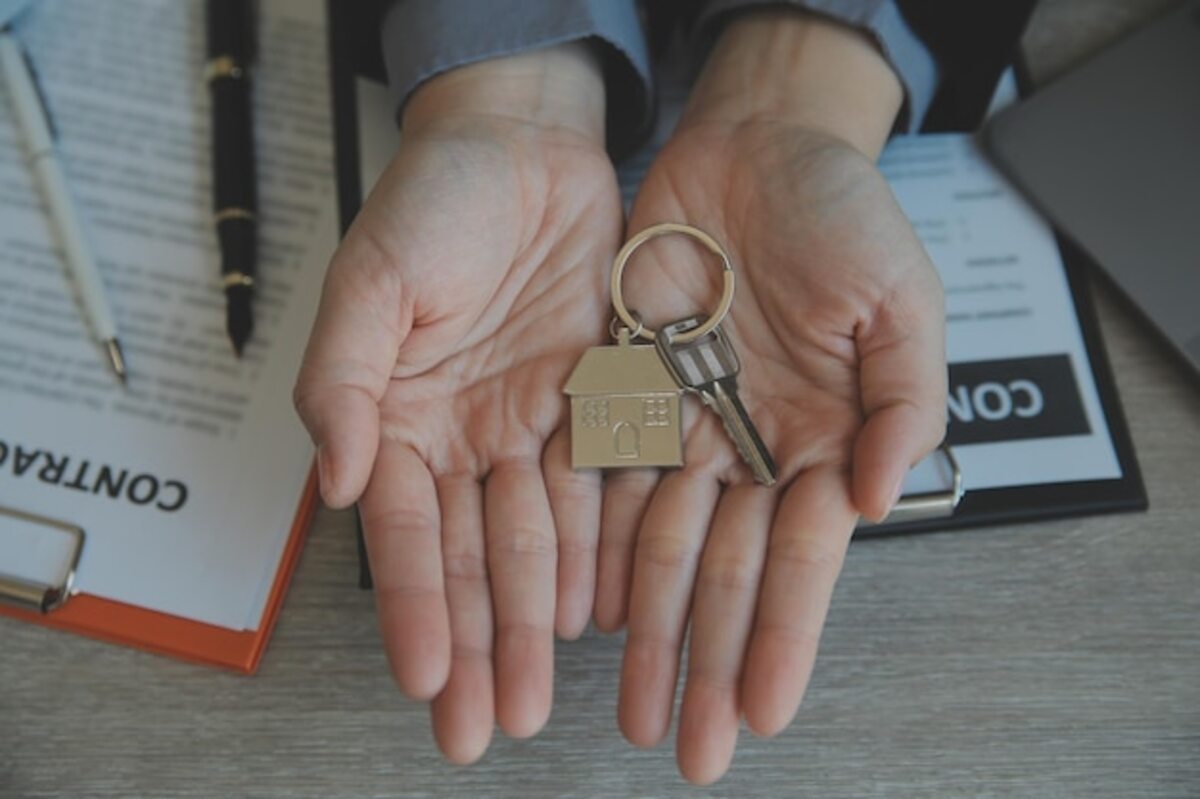
Are you looking for the perfect rental that fits your dreams and needs? Evaluating a property can be overwhelming, but with the right tips, you can make informed and accurate decisions. In this article, we will explore the key aspects you should consider when evaluating a rental in Costa Rica. From the ideal location to the terms of the contract, every detail matters in making your new home a place where you truly want to be. Join us on this journey to your dream home.
What to look for in the ideal location?
When searching for the ideal location for your new home, it is essential to consider several factors that will impact your quality of life. First, evaluate the proximity to your workplace, schools, and essential services such as supermarkets and hospitals. A well-connected location will not only save you time on commutes but will also make your daily life easier, especially if you have an active routine or family members to care for. Additionally, research the available public transportation and access routes; this can be crucial during times of high traffic.
Another important aspect is the neighborhood environment. Research whether the area has a safe and welcoming atmosphere; consider taking walks around the area at different times of the day to feel its vibe. It is also helpful to know the nearby amenities, such as parks, recreational centers, and green spaces, especially if you value outdoor activities. Remember that a good location not only affects your daily comfort but can also influence the future value of the property and its potential for appreciation.
Advertisements
Importance of proximity to basic services
Proximity to basic services is a crucial factor that you should not overlook when evaluating a rental. Having easy access to supermarkets, pharmacies, schools, and health centers can make a significant difference in your quality of life. Imagine stepping out of your home and having everything you need within a few minutes; this not only saves time but also reduces daily stress. Furthermore, if you have children, proximity to educational institutions becomes a fundamental priority to facilitate their commutes and ensure their well-being.
Another important aspect is the connectivity of the place. A good location near public transport or main roads can significantly improve your mobility, allowing you to quickly access other areas of the city without complications. This is especially relevant if you work or study in a different area. By choosing a well-located rental, you not only optimize your time and resources but also enjoy greater social interaction and cultural opportunities in your new environment. Ultimately, proximity to basic services contributes to creating a more functional and harmonious home.
Assessing the overall condition of the property
When evaluating the overall condition of a property, it is essential to conduct a thorough inspection that allows you to identify potential issues or areas that need attention. Start by observing the structure of the building: check the walls for cracks, dampness, or mold, as well as the condition of the roof and windows. A well-maintained place is not only more aesthetically pleasing but can also save you from additional expenses on costly repairs in the future. Don't forget to pay attention to the electrical system and plumbing; ensure that everything functions properly and does not have leaks or short circuits.
In addition to what is visible, consider the quality of the internal and external finishes. Elements like floors, doors, and cabinets can give you clues about the level of care the property has received. If you find worn or poorly maintained details, this may indicate neglect in other areas of the home. It is also valuable to ask the owner about the maintenance history of the property; knowing if recent repairs or updates have been made can influence your final decision. Remember that an ideal rental should not only meet your aesthetic expectations but also provide a safe and functional environment for your daily life.
Legal aspects of the rental contract
When approaching the rental process, it is essential to understand the legal aspects of the contract you are going to sign. A rental contract is not just a verbal agreement; it is a legal document that establishes the rights and obligations of both the landlord and the tenant. Make sure to read each clause carefully and that all conditions are clearly stated, including the duration of the rental, the amount of the deposit, and the rules regarding the use of the property. Do not hesitate to ask for clarifications on any aspect you do not understand, as this will protect you against potential misunderstandings in the future.
Also, check if the contract includes information about the local regulations related to leasing. In Costa Rica, for example, there are specific laws that regulate rental contracts, as well as fundamental rights for tenants. Educate yourself about your rights in case of a breach by the landlord or if you wish to terminate the contract early. Keeping a signed copy of the contract can be crucial for resolving future disputes and ensuring a smooth stay in your new home. Taking the necessary time to understand these legal aspects will be key to ensuring a positive rental experience and avoiding unpleasant surprises.
How to negotiate the rent price
Negotiating the rental price can be a crucial step in the search for your ideal home. Before you begin, it is important to research the local market and know the average prices of similar properties in the area you are interested in. This will give you a solid foundation to argue your proposal and allow you to determine if the rent you are considering is overpriced or reasonable. Also, keep in mind factors such as the duration of the contract and the condition of the property; if you find minor defects or need some improvements, you can use them as leverage during the negotiation. When you are ready to talk to the owner or real estate agent, make sure to communicate with confidence and clarity. Explain why you believe an adjustment in price would be fair, based on your research and observations about the property. You can also propose alternatives, such as offering an upfront payment for several months in exchange for a reduction in rent or negotiating additional benefits like included services or minor improvements to the home. Remember that the key is to maintain an open and flexible attitude; this will not only facilitate a more pleasant conversation but also increase your chances of reaching a satisfactory agreement for both parties.
Essential questions for the owner or real estate agent
When evaluating a rental, it is essential to ask the right questions to the landlord or real estate agent. Start by inquiring about the duration of the lease and the renewal conditions. Are there penalties if you decide to move out early? Knowing these details will help you avoid unpleasant surprises in the future and better understand your rights as a tenant. Additionally, ask about the deposit policy: how much will you have to pay and under what circumstances will it be refunded at the end of the lease? These issues are crucial for you to plan your budget clearly.
Another key aspect to consider is the additional expenses associated with the rental. Ask if there are monthly fees for utilities, maintenance, or building management. It is also advisable to inquire about the inclusion of services such as internet and cable in the rental price. By obtaining clear answers to these questions, you will be able to assess if the total cost aligns with what you are willing to invest in your new home. Remember that good communication with the owner or agent will not only facilitate the negotiation but also provide you with peace of mind in establishing a mutually beneficial agreement.
Review of pet policies and coexistence
When considering a rental, it is essential to review the pet and coexistence policies, especially if you have one or plan to adopt one in the future. Some properties may have specific restrictions related to the size, breed, or number of animals allowed. Be sure to clarify these issues from the beginning to avoid unpleasant surprises later on. Additionally, it is important that the coexistence rules are suitable for you and your furry companions; for example, check if there are common areas where your pet can play or if their presence is allowed in shared spaces.
Another aspect to consider is the compatibility of your lifestyle with the rules of the place. If you are someone who enjoys outdoor activities with your pet, make sure that the environment is suitable and safe for that. Ask about the proximity to parks or green areas and whether there are specific regulations regarding the care and management of animals within the complex or building. Having clarity on these points will not only allow you to fully enjoy your new home, but it will also foster a good relationship with your neighbors and owners, creating a harmonious environment for all residents.
The importance of security in your new home
Safety is a fundamental aspect that should not be overlooked when evaluating a rental. Living in a safe environment not only ensures the peace of mind of your loved ones but also contributes to your overall well-being. When visiting a property, observe the available security features, such as secure locks on doors and windows, alarm systems, or surveillance cameras. Additionally, research the neighborhood: is it known for being safe? Are there reports of crime in the area? Having information about the safety of the environment can provide you with greater peace of mind and allow you to fully enjoy your new home.
Another important factor to consider is the lighting and access to common areas. A well-lit place, both inside and outside the building, can deter criminal activities and foster a more welcoming environment. If you live in a building or residential complex, make sure there are adequate access control measures and that the common areas are well maintained. Collaborating with neighbors to create a safe community can also be beneficial; so consider if there are local groups that promote safety in the neighborhood. Ultimately, investing time in evaluating these safety aspects will allow you to make more informed decisions when choosing the perfect rental for you and your family.
Considerations regarding additional expenses (services, maintenance)
When evaluating a rental, it is essential not only to focus on the monthly cost of the lease but also to consider the additional expenses that may arise. These can include utilities such as water, electricity, internet, and gas, the total of which can significantly impact your budget. Ask the owner or real estate agent about the estimate of these costs to have a clear idea of how much you will need to allocate monthly for these services. Additionally, inquire if there are any extra charges for the use of common areas or building maintenance, as this can also influence your decisions. On the other hand, the maintenance of the property is another essential aspect to consider. Make sure to know who is responsible for repairs and if there are any fees associated with this service. A contract that clearly specifies the responsibilities of both the tenant and the owner can save you unpleasant surprises in the future. Assess whether the property has received recent maintenance and if records of past repairs are available; this can give you an idea of potential future problems and help you decide if that property truly meets your expectations and economic needs.
Tips for conducting an effective inspection before renting
Conducting an effective inspection before renting is essential to ensure that the property meets your expectations and needs. Start by visiting the place at different times of the day to assess the natural lighting and the neighborhood's atmosphere. Observe the common areas, such as hallways and courtyards, and pay attention to details like the condition of the walls, floors, and windows. Additionally, check for signs of moisture or structural damage that could affect your quality of life. Don't hesitate to ask the owner or agent about any concerns you may have; their willingness to answer can be indicative of their commitment to maintaining the property.
Another crucial part of the inspection is to review the facilities and services included in the rental. Make sure to check the functioning of appliances, plumbing, and heating or cooling. Ask about internet access and other essential services; this can significantly impact your daily experience. If possible, contact previous tenants to gather information about their time in the property and any issues they faced. A thorough inspection will not only help you avoid unpleasant surprises after moving in but will also allow you to better negotiate the terms of the contract if you find areas that need attention before your arrival at the new home.
Advertisements
More in Requirements for Renting

Rental Guides, Requirements for Renting
Tips to speed up the rental process in Costa Rica

Rental Guides, Requirements for Renting
Factors to consider for a safe rental decision
Rental Guides, Requirements for Renting
Aspects to consider about the services included in the rental.

Rental Guides, Requirements for Renting
Tips for securing your investment when renting a property.
Most viewed in Rental Guides
Rental Guides, Rights and Obligations
Tenant rights in Costa Rica: what to know before signing

Rental Guides, Rental Contracts
Strategies for Effectively Negotiating Your Rental Agreement
Rental Guides, Requirements for Renting
Tips to speed up the rental process in Costa Rica

Rental Guides, Renewal and Adjustments
Tips for ensuring a successful and surprise-free rental