
Crucial aspects to ensure your peace of mind when renting

Renting a home can be an exciting process, but it can also create uncertainty if you are not aware of your rights and obligations. In this article, we present crucial aspects to ensure your peace of mind when renting, guaranteeing that every step you take is backed by the law. With useful and practical information, you will be able to make informed decisions that protect your well-being and assets. Get ready to become a confident and secure tenant as we navigate together through the world of renting in Costa Rica.
Understanding Your Rights as a Tenant: What You Need to Know
Understanding your rights as a tenant is essential to ensure a positive and hassle-free rental experience. In many countries, tenants have specific rights that protect their well-being and ensure a safe and habitable environment. These rights may include the guarantee of a home in adequate conditions, the right to privacy and non-discrimination, as well as the ability to demand repairs for damages that are not the tenant's responsibility. Familiarizing yourself with these regulations will allow you not only to defend your interests but also to establish a clearer and fairer relationship with your landlord.
It is also crucial to understand the obligations that accompany these rights. As a tenant, you are required to comply with the terms of the lease agreement and to take proper care of the rented property. Negligence or breaches can lead to unnecessary conflicts and even eviction. Therefore, it is advisable to read the contract carefully before signing it and to ensure you understand all its clauses. Knowing both your rights and your responsibilities will provide you with a solid foundation to handle any situation that may arise during your rental period, allowing you to fully enjoy your home without additional worries.
Advertisements
Tenant obligations: what is expected of you?
When renting a property, it is essential for the tenant to fulfill certain obligations that ensure a harmonious relationship with the landlord and the good condition of the property. One of the main responsibilities is the timely payment of the agreed rent. This not only includes the base rental amount but also any additional charges outlined in the contract, such as utilities or maintenance. Make sure to be aware of the deadlines and accepted payment methods to avoid inconveniences and potential legal conflicts.
Another essential obligation of the tenant is to maintain the property in adequate conditions. This involves taking care of the property and making minor repairs that may arise during your stay, such as changing light bulbs or simple fixes. Additionally, you should notify the owner about any significant issues that may affect the habitability of the space, such as leaks or structural damages. Fulfilling these responsibilities not only protects your home but also contributes to a peaceful and respectful coexistence with the owner and neighbors.
Key clauses in the rental agreement
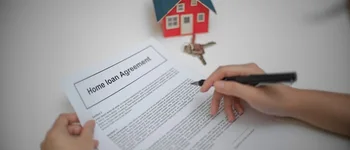
When signing a rental contract, it is essential to pay attention to the clauses that can affect both your experience as a tenant and the protection of your rights. Among these, the duration of the contract stands out, which should specify the agreed time for the rental and the conditions under which it can be renewed or terminated. It is also important to review the clause regarding the security deposit, where the conditions for its return at the end of the contract should be detailed. Make sure everything is in writing and clear to avoid misunderstandings in the future.
Also, don't forget to evaluate the clauses related to rent increases. It is essential that the conditions and timelines for making adjustments to the rental price are clearly established. On the other hand, also review the rights and responsibilities of both parties; this includes aspects such as who is responsible for the maintenance of the property and how any issues that may arise during the duration of the contract will be handled. Having this information clear from the beginning will allow you to enjoy your new home with greater peace of mind and security.
The importance of the bond: how much do you have to pay?
The deposit is a key element in the rental process, as it acts as a guarantee for both the landlord and the tenant. This deposit, usually equivalent to one or two months' rent, is used to cover potential damages to the property or any breach of contract by the tenant. Understanding how much you need to pay and the conditions under which this deposit can be withheld is essential. Make sure you are clear about what the deposit covers and how its return will be managed at the end of the contract, which will help you avoid unpleasant surprises at the end of the rental period.
Additionally, it is important to highlight that the law establishes certain regulations regarding the deposit. For example, landlords must provide a formal receipt of the amount received and keep it in a separate account if required by current regulations. Knowing this information not only protects you as a tenant but also fosters a more transparent relationship with your landlord. Ultimately, understanding how the deposit works and its implications will allow you to rent with greater confidence and reduce the anxiety associated with this financial commitment.
How to handle conflicts with the landlord: steps to follow
Dealing with conflicts with the owner can be a stressful experience, but it is essential to approach the situation calmly and in a structured manner. The first step is to document any issues that arise, whether it be a defect in the property, lack of maintenance, or breach of contract. Gather evidence such as photographs, emails, and text messages that support your position. Once you have all the necessary information, try to communicate directly with the owner to express your concerns. Maintain a respectful and professional tone; most problems can be resolved through an open conversation.
If after talking to the landlord you are unable to reach a satisfactory agreement, consider sending a formal letter outlining your concerns and the actions you expect to be taken. This will not only serve as an official record of the dispute but also demonstrates your seriousness in seeking a solution. If the conflict persists, inform yourself about the local laws related to rentals and tenant rights; you may have legal tools at your disposal to resolve the issue. Always remember to act within the legal framework to protect your rights as a tenant while working towards a peaceful resolution.
Rights to privacy and access to your home
When renting a home, it is essential to understand your rights regarding privacy and access to your personal space. As a tenant, you have the right to enjoy your housing without unwanted interference. This means that the landlord must respect your privacy and cannot enter the property without prior notice or a valid reason. Generally, the landlord is required to notify you in advance if they need to make repairs or inspections, allowing you to prepare and ensure that your belongings are protected. Familiarizing yourself with these rules will provide you with a greater sense of security in your new home.
In addition to protecting your privacy, it's important to be clear about when and how the landlord can access your home. Laws may vary by jurisdiction, but they generally establish that landlords must have reasonable grounds to enter the dwelling. This includes situations like emergencies or necessary maintenance. In case of disagreements about access, it's advisable to review the lease agreement and local laws to understand your options. Knowing these aspects not only ensures your peace of mind but also fosters a respectful and clear relationship between you and your landlord, preventing future misunderstandings.
Eviction process: what you need to know
The eviction process is a delicate matter that can cause a lot of anxiety for both tenants and landlords. It is essential to understand that eviction cannot be carried out arbitrarily; it must follow an established legal procedure. This means that if a landlord wishes to evict a tenant, they must file a lawsuit with the judge and have valid reasons, such as non-payment or breach of contract. Knowing your rights in this regard will allow you to act more confidently and protect your home in unexpected situations.
Additionally, it is important to be aware of the deadlines and necessary notifications during this process. The tenant has the right to be properly notified about the eviction lawsuit and must be given the opportunity to defend themselves in court. Ignoring these steps can result in an unfair eviction and a lack of due process. Therefore, staying informed about local laws related to rental and eviction is crucial for any tenant, thus ensuring a smoother and less stressful experience in their tenancy.
Legal protection for tenants: available resources
In the rental process, it is essential for tenants to know their rights and the legal protections available to them. In many countries, lease laws stipulate specific clauses that guarantee tenant security, such as the right to housing in adequate conditions and the respect for privacy. Furthermore, there are resources like local organizations and hotlines where tenants can obtain free or low-cost legal advice in case of disputes with landlords or managers. These tools are vital for empowering tenants and helping them understand how to assert their rights.
Another valuable resource is well-drafted rental contracts, which should include all the terms agreed upon by both parties, such as lease duration, rental amount, and maintenance responsibilities. In the event of non-compliance by the landlord, whether for failing to make necessary repairs or for unfair practices, the tenant can resort to legal avenues to enforce the agreed terms. Knowing these resources and having good legal backing not only provides peace of mind when renting but also ensures a more harmonious coexistence between tenants and landlords.
Tips for a harmonious relationship with your landlord
Maintaining a harmonious relationship with your landlord is essential for enjoying a smooth rental experience. Open and respectful communication is key; make sure to express your needs and concerns clearly, but also listen to your landlord's expectations. Establishing a channel for sincere dialogue can prevent misunderstandings and facilitate the resolution of issues that may arise during your time in the property. Remember that both you and the landlord have rights and responsibilities, so fostering a collaborative environment will contribute to the stability of the lease.
Additionally, fulfilling your obligations as a tenant, such as paying rent on time and properly taking care of the property, will strengthen the trust between both parties. If any issues or necessary repairs arise in the property, communicate them promptly to the landlord so that corrective actions can be taken in time. Also, consider documenting any relevant verbal agreements in writing, whether through emails or text messages; this will serve as backup in case of future disagreements. At the end of the day, a relationship based on mutual respect will not only benefit your emotional well-being but will also ensure a more pleasant environment in your rented home.
Advertisements
More in Rights and Obligations

Rental Guides, Rights and Obligations
Tenant rights in Costa Rica: what to know before signing

Rental Guides, Rights and Obligations
Tenant rights regarding repairs not made by the landlord
Rental Guides, Rights and Obligations
Tenant rights against abusive rental conditions

Rental Guides, Rights and Obligations
Tenant rights when requesting improvements in the rented housing
Most viewed in Rental Guides
Rental Guides, Rights and Obligations
Tenant rights in Costa Rica: what to know before signing

Rental Guides, Rental Contracts
Strategies for Effectively Negotiating Your Rental Agreement

Rental Guides, Requirements for Renting
Tips to speed up the rental process in Costa Rica

Rental Guides, Renewal and Adjustments
Tips for ensuring a successful and surprise-free rental