
Crucial aspects to secure your rental in the ideal location

Securing your rental in the ideal location can be a challenge, but it is essential to know your rights and obligations to achieve it. In this article, we will provide you with crucial aspects that will help you navigate the leasing process with confidence and success. From understanding the clauses of the contract to knowing your rights as a tenant, here you will find valuable information that will enable you to make informed decisions and avoid unpleasant surprises. Get ready to rent with security and peace of mind!
Understand the Leasing Law in Costa Rica
Understanding the Lease Law in Costa Rica is essential for anyone looking to rent a property. This legislation establishes the legal basis that governs both the rights and obligations of tenants and landlords, providing a clear framework to avoid misunderstandings and conflicts. Familiarizing yourself with these legal aspects will not only allow you to negotiate better terms but also protect you against possible abuses or adverse situations during the lease period. It is essential to read the law carefully and consult experts if necessary, to ensure that any agreement you reach is in line with the provisions of the current regulations.
Additionally, understanding the Lease Law will help you comprehend the essential clauses that must be present in your rental contract. For example, it is important to verify aspects such as the rental amount, the security deposit, the duration of the contract, and the conditions for its renewal or termination. By having clarity on these points, you can avoid unpleasant surprises at the end of your lease or in case of disputes with the landlord. Remember that a well-drafted contract should be fair and balanced, protecting the interests of both parties involved; therefore, do not hesitate to request modifications if you believe that any clause may be detrimental to you as a tenant.
Advertisements
Tenant Rights: What You Need to Know
Knowing tenant rights is essential to ensure a fair and hassle-free rental experience. As a tenant, you have the right to live in a safe and habitable environment, which includes access to basic services such as water, electricity, and heating. Additionally, the landlord is obligated to make necessary repairs in a reasonable time. It is important to familiarize yourself with local leasing laws, as these can vary by region and offer additional protection against abusive practices by landlords. This not only provides you with peace of mind but also empowers you to take action if you feel your rights are being violated.
Another key aspect of tenant rights is the prohibition of retaliation by the landlord when exercising those rights. For example, if you decide to file a complaint about unsafe or unsanitary conditions in your housing, the landlord cannot take punitive actions such as raising the rent or evicting you. Additionally, you have the right to privacy: the landlord must notify you before entering your unit, except in emergencies. Knowing these details not only protects your interests as a tenant but also fosters a healthier and more respectful relationship with your landlord. Being informed is your best tool to ensure a hassle-free rental in the ideal location.
Tenant Obligations: Complying with the Contract
The tenant has a series of obligations that are fundamental to maintaining a harmonious relationship with the landlord and ensuring compliance with the lease agreement. Firstly, it is essential that the tenant pays the rent on time and in the agreed manner, as failure to make payments can lead to legal consequences and eviction. Additionally, it is important to take proper care of the property, which includes making responsible use of the facilities and reporting any damage or issues to the landlord promptly. This type of communication not only helps prevent greater inconveniences but also establishes an environment of trust between both parties.
Another key obligation of the tenant is to respect the clauses stipulated in the lease agreement. This may include restrictions on pet ownership, subletting the space, or making permanent modifications to the property. Ignoring these conditions can result in penalties and even early termination of the contract. Therefore, carefully reading each clause and adhering to them strictly not only protects your rights as a tenant but also contributes to a peaceful and conflict-free coexistence with the landlord. Knowing and adhering to these obligations will allow you to fully enjoy your rental in that ideal location without additional worries.
How to Properly Negotiate the Rental Price
Negotiating the rental price can be a decisive step in securing the property you want without compromising your budget. Before starting any negotiation, it is essential to research the local market: compare prices of similar properties in the same area and consider factors such as amenities, the condition of the property, and the duration of the lease. Having concrete data on hand will allow you to present strong arguments to the landlord or real estate agent, which will increase your chances of obtaining a price reduction or additional benefits, such as included services.
The way you approach the negotiation is also crucial. Maintain a friendly and respectful tone while expressing your concerns about the rental cost. You can mention if you've noticed that other properties with similar features have lower prices or if you're willing to sign a longer lease in exchange for a better monthly rate. Flexibility can work in your favor; consider offering an upfront payment or the possibility of taking care of the property during your stay. Remember that a successful negotiation is not just about squeezing the landlord, but about finding a mutually beneficial solution that allows you to enjoy your new home without financial worries.
The Importance of a Well-Drafted Rental Agreement
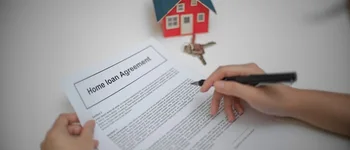
A well-drafted rental contract is essential to establish a clear and transparent relationship between the landlord and the tenant. This document not only details the terms of the lease, such as the rent amount, the duration of the contract, and the conditions of use of the property, but it also protects the rights of both parties. Having a comprehensive contract minimizes the risks of misunderstandings or future disputes, as each aspect of the agreement is clearly stipulated. It is essential to read each clause carefully before signing, ensuring that all conditions reflect what was verbally agreed upon.
Additionally, a good contract should address unforeseen situations such as the process for the return of the security deposit or the conditions under which the agreement can be terminated. Including these provisions not only adds clarity but also provides a legal framework in case of disagreements. Therefore, if you are searching for a new rental home, consider the importance of having a meticulously crafted contract; this will give you peace of mind and security throughout your experience as a tenant, allowing you to fully enjoy the space you have chosen without additional fears.
Essential Clauses That Must Be Included in Your Contract
When signing a rental contract, it is essential that this document includes certain essential clauses that will protect your rights as a tenant. Among the most important are the duration of the contract, the amount of rent, and the frequency of payments. It is crucial that details like these are clearly specified to avoid misunderstandings in the future. Additionally, make sure to include clauses about the renewal of the contract and the conditions under which it can be terminated, which will give you greater security during your rental period.
Another vital clause is related to the security deposit. This must be clearly stated in the contract, indicating its amount, conditions for its return, and any possible deductions. It is also advisable to include a clause about maintenance and repairs on the property; this will help establish who is responsible for which aspects and will prevent potential conflicts later on. By having these clauses defined and agreed upon from the beginning, you will be able to enjoy your new home with greater peace of mind and confidence that your rights are protected.
Tips for Conducting an Effective Property Inspection
Conducting an effective inspection of the property is a crucial step to ensure that your rental meets your expectations and needs. Before signing any contract, take the necessary time to visit the property. During this inspection, carefully observe each room, paying special attention to aspects such as the quality of the electrical and plumbing systems, as well as the overall condition of the walls, floors, and windows. Don't hesitate to ask the owner or real estate agent about any aspects that raise concerns and request clarifications on any pending repairs or previously reported structural issues.
In addition to the visual inspection, it is advisable to bring a checklist with the most important items to evaluate. Include points such as the functioning of appliances, the condition of the heating or air conditioning system, and the presence of moisture or mold. If possible, consider making a second visit at different times of the day to check how natural light and ambient noise vary. Conducting this thorough inspection not only gives you a better idea of the property's quality but also helps you negotiate more favorable terms in your rental agreement.
What to Do in Case of Conflicts with the Owner
In the rental process, conflicts may arise with the landlord, ranging from issues related to property maintenance to disagreements over compliance with contract clauses. The most important thing is to address these situations with calmness and professionalism. Communicating openly with your landlord can be an effective first step; often, misunderstandings can be resolved through an honest and direct conversation. It is advisable to document any communication in writing to have a clear record of what was discussed and agreed upon.
If conflicts persist and cannot be resolved through dialogue, it is essential to know your rights as a tenant. Familiarize yourself with local rental laws, as they may provide you with protection in case you need to file a formal complaint. In some cases, it may be necessary to resort to mediators or even legal avenues if the situation is not satisfactorily resolved. Staying calm and acting based on accurate information will help you manage these conflicts effectively and protect your interests as a tenant.
Additional Resources for Tenants in Costa Rica
In Costa Rica, there are various additional resources that can be of great help to tenants seeking to secure their rental in the ideal location. Non-governmental organizations and state entities offer legal advice and guidance on the rights and duties of tenants. For example, the Defensoría del Habitante provides information on how to proceed in cases of abuse by the landlord. Additionally, online platforms allow access to practical guides on lease agreements and conflict resolution, ensuring that tenants are well-informed and prepared.
Another valuable option is local tenant associations, where community support can be found and experiences can be shared with other renters. These organizations often organize workshops and informational talks on relevant topics such as current housing legislation or strategies for negotiating favorable terms in a rental agreement. With these tools at their disposal, tenants can feel more confident when signing a lease and addressing any issues that may arise during their stay in the rented property.
Advertisements
More in Rights and Obligations

Rental Guides, Rights and Obligations
Tenant rights in Costa Rica: what to know before signing

Rental Guides, Rights and Obligations
Tenant rights regarding repairs not made by the landlord
Rental Guides, Rights and Obligations
Tenant rights against abusive rental conditions

Rental Guides, Rights and Obligations
Tenant rights when requesting improvements in the rented housing
Most viewed in Rental Guides
Rental Guides, Rights and Obligations
Tenant rights in Costa Rica: what to know before signing

Rental Guides, Rental Contracts
Strategies for Effectively Negotiating Your Rental Agreement

Rental Guides, Requirements for Renting
Tips to speed up the rental process in Costa Rica

Rental Guides, Renewal and Adjustments
Tips for ensuring a successful and surprise-free rental