
Fundamental aspects to ensure a rental without surprises

Are you ready to rent your next home without encountering unpleasant surprises? In the competitive rental market in Costa Rica, knowing your rights and obligations is essential to ensure a positive experience. This article will guide you through the fundamental aspects you should consider when signing a lease agreement, providing you with practical tools to avoid misunderstandings with your landlord. Keep reading and transform your rental experience into a clear and hassle-free process.
Understanding the lease agreement: Key clauses
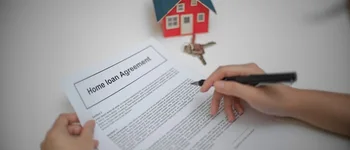
Understanding the lease agreement is essential to ensure a harmonious relationship between tenants and landlords. When signing a contract, it is crucial to pay attention to the key clauses that regulate both parties' rights and responsibilities. For example, the duration of the contract, the amount of rent, and the conditions for its renewal are essential elements that must be clearly specified. It is also important to review clauses related to the security deposit and policies regarding property damages, as this can prevent future conflicts.
Another vital aspect to consider is the rules regarding contract termination. The conditions under which either party can terminate the agreement must be clearly defined, including notice periods and any applicable penalties. Additionally, special care should be taken with clauses that may seem standard but could imply additional costs or unexpected restrictions on the use of the property. A thorough reading and full understanding of these provisions will help you avoid unpleasant surprises and ensure that your rental experience is as smooth as possible.
Advertisements
Tenant Rights: What You Need to Know
Tenant rights are fundamental to ensure a fair and balanced relationship with the landlord. In Costa Rica, tenants have the right to a safe and habitable home, which implies that the owner must maintain the property in adequate conditions. This includes ensuring access to basic services such as water, electricity, and sanitation, as well as making necessary repairs in a timely manner. Knowing these rights will allow you to demand decent conditions and avoid situations where your well-being is compromised.
In addition to the obligation to provide a habitable space, tenants also have rights related to privacy and security. For example, the landlord cannot enter the property without prior notice, except in emergencies. You also have the right to receive clear and transparent information about any rent increases or changes in the contract conditions. Familiarizing yourself with these aspects is essential to protect your interests and ensure that your rental experience is positive and free of unpleasant surprises.
Obligations of the landlord: Protecting your interests
The obligations of the landlord are a fundamental pillar for establishing a harmonious relationship between both parties. Firstly, the landlord has the responsibility to ensure that the property is in suitable condition for habitation. This includes making necessary repairs and keeping basic services functioning properly. A safe and functional home not only protects your interests as a tenant but also prevents future conflicts that may arise due to structural or infrastructure issues.
Additionally, it is crucial for the landlord to comply with the stipulations in the lease agreement, ensuring transparency in all transactions and rental conditions. This involves providing clear information about the rent amount, deposits, and any additional expenses that may arise during the duration of the contract. By doing so, the chances of unpleasant surprises are minimized, and an environment of trust and mutual respect is fostered. Knowing these obligations empowers you to assert your rights and ensure a hassle-free rental experience.
Security deposit: How much is fair to pay?
The security deposit is a crucial aspect of the rental process, as it serves as a kind of insurance for both the landlord and the tenant. Generally, this amount ranges from one to three months' rent, although it is most common for it to be set at one month. It is essential that before agreeing on the exact amount, you review local regulations and ensure that the amount is reasonable and not excessive. A deposit that is too high can be a red flag; it is always better to negotiate and reach a fair agreement that reflects the condition of the property and your expectations as a tenant.
Additionally, it is important to be clear about how this deposit will be handled at the end of the contract. Ask about the conditions under which the amount will be returned and if there will be deductions for possible damages or normal wear and tear of the property. Make sure to document any existing defects in the property when you move in; this will help you avoid conflicts when it comes time to receive your money back. Remember to request a receipt for the deposit paid and keep it as proof, as this will be essential if any disagreement arises in the future regarding its return. With these precautions, you can minimize unpleasant surprises related to your security deposit.
Maintenance and repairs: Shared responsibilities
Maintenance and repairs in a rental agreement are crucial aspects that require a clear understanding of the shared responsibilities between landlord and tenant. Generally, the owner is responsible for ensuring that the dwelling meets basic habitability standards, which includes repairing structural issues, plumbing, or faulty electrical installations. However, it is also important for tenants to stay attentive to their surroundings and report any damage or wear that may arise during their occupancy. Open and effective communication can prevent misunderstandings and ensure that both parties fulfill their responsibilities appropriately.
Additionally, establishing a clear protocol for managing repairs can prevent future conflicts. It is advisable to include in the contract details on how to notify the landlord of issues, as well as the timelines for their resolution. Often, contracts specify who is responsible for certain types of preventive maintenance, such as basic garden care or filter cleaning in appliances; understanding these clauses is essential for maintaining a good relationship between landlord and tenant. In summary, success in a rental without surprises relies on clarity regarding shared responsibilities in terms of maintenance and repairs.
Penalties for non-compliance: Avoid costly surprises
The penalties for non-compliance in a lease agreement are one of the most critical aspects to consider before signing. Often, tenants focus on the rental conditions and the rights granted by the contract, but it is equally important to understand the consequences of failing to comply with the agreed clauses. From failure to pay to not adhering to established rules, each action can incur additional costs that impact your finances. Therefore, we recommend carefully reading the contract and discussing any clause that seems ambiguous or excessively punitive with your landlord.
To avoid costly surprises, consider establishing a good channel of communication with your landlord from the beginning. If problems or unforeseen issues arise during your stay, being proactive and notifying any inconvenience in a timely manner can minimize the risk of penalties. Additionally, make sure to understand how situations like the return of the deposit or necessary repairs are handled; some penalties may arise if you do not report damages to the property on time. Knowing your rights well and maintaining a cordial relationship will allow you to enjoy a worry-free rental experience without unexpected costs.
Contract registration: Legal importance and security
The registration of the lease contract is a crucial step that is often overlooked, but it can provide invaluable legal security for both tenants and landlords. By formalizing the contract before the competent authorities, a legal framework is established that protects the rights of both parties. This means that any future disputes can be resolved more clearly and fairly, as the registered contract will serve as evidence of the agreed terms. Additionally, having an official document minimizes the risk of fraud or misunderstandings, thus ensuring that both parties fulfill their obligations.
Furthermore, the registration of the contract provides an additional layer of transparency in the tenant relationship. If the owner decides to sell the property or if any legal issues arise related to it, having a properly registered contract ensures that your position as a tenant is protected. In many cases, it can also facilitate processes such as obtaining utilities in your name or even applying for certain government benefits. Therefore, investing time in registering the contract is not only a prudent measure to avoid negative surprises but also an effective way to ensure your peace of mind throughout the rental period.
Resolving conflicts: Effective strategies for mediation
Mediation is a valuable tool for resolving conflicts that may arise during a rental, as it allows both parties to express their concerns and find solutions collaboratively. An effective strategy is to establish an open channel of communication from the beginning of the contract. By fostering an environment where both tenants and landlords feel comfortable raising issues, the escalation of misunderstandings in the future can be prevented. Actively listening and showing empathy towards each other's concerns can be key to addressing difficult situations without generating resentment.
Another important strategy is to document all relevant agreements and conversations. If a conflict arises, having clear records can help clarify misunderstandings and facilitate mediation. Additionally, involving an impartial third party, such as a professional mediator or a local organization that offers mediation services, can be beneficial to ensure that both parties are heard fairly. Remember that the goal of mediation is not to win or lose, but to find a mutually acceptable solution that allows for maintaining the tenant relationship on good terms and avoiding unnecessary tensions in your rented home.
Advertisements
More in Rights and Obligations

Rental Guides, Rights and Obligations
Tenant rights in Costa Rica: what to know before signing

Rental Guides, Rights and Obligations
Tenant rights regarding repairs not made by the landlord
Rental Guides, Rights and Obligations
Tenant rights against abusive rental conditions

Rental Guides, Rights and Obligations
Tenant rights when requesting improvements in the rented housing
Most viewed in Rental Guides
Rental Guides, Rights and Obligations
Tenant rights in Costa Rica: what to know before signing

Rental Guides, Rental Contracts
Strategies for Effectively Negotiating Your Rental Agreement

Rental Guides, Requirements for Renting
Tips to speed up the rental process in Costa Rica

Rental Guides, Renewal and Adjustments
Tips for ensuring a successful and surprise-free rental