
Tips to avoid surprises when renting a new property

Renting a new property can be an exciting adventure, but it is also full of risks that can lead to unpleasant surprises. To ensure that your rental experience is positive and hassle-free, it is crucial to know your rights and obligations as a tenant in Costa Rica. In this article, we will provide you with practical tips to avoid unwanted surprises and make your new home a safe and enjoyable place. Get ready to rent with confidence!
Know your rights as a tenant in Costa Rica
Knowing your rights as a tenant in Costa Rica is essential to protect yourself against any eventuality that may arise during the rental period. The law establishes that tenants have the right to a clear and transparent contract, specifying the conditions of the lease, as well as its duration, the rental amount, and any additional charges. Furthermore, it is important that the contract includes details about the initial condition of the property and the procedures for the return of the security deposit at the end of the lease. Familiarizing yourself with these aspects will help you avoid misunderstandings and ensure that both you and your landlord fulfill your obligations.
Another key aspect to consider is your rights regarding the rented property. As a tenant, you have the right to enjoy a safe and habitable environment; this includes access to basic services such as water, electricity, and sanitation in adequate conditions. If you encounter structural problems or significant inconveniences, such as leaks or electrical failures, it is your right to request repairs from the landlord. Likewise, remember that you have the right to privacy in your home; the landlord cannot enter without prior notice except in cases of emergency. Knowing these regulations not only empowers you as a tenant but also fosters a more harmonious relationship with your landlord from the outset.
Advertisements
Carefully review the rental agreement.
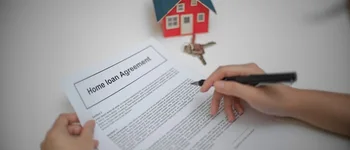
Carefully reviewing the rental contract is one of the most important actions you can take before signing. This document not only establishes the rental conditions but also protects your rights as a tenant. Make sure to read each clause attentively, paying special attention to aspects such as the duration of the contract, the rental amount, and the procedures for renewal or termination. Any term you do not understand should be clarified with the landlord or real estate agent before proceeding. Do not hesitate to ask questions; a clear and transparent contract is essential to avoid future conflicts.
Additionally, check for any additional charges or specific responsibilities you may need to assume during your stay, such as the maintenance of common areas or the payment of utilities. It is also advisable to verify if there are clauses regarding security deposits and the conditions under which part or all of this deposit may be withheld at the end of the contract. A common detail that could be overlooked is the policies in case of property damage or unforeseen situations, so make sure you understand how these scenarios will be handled. By taking the necessary time to review these elements, you can rent with greater peace of mind and enjoy your new home worry-free.
Pre-inspection: keys to detect hidden problems
A pre-rental contract inspection is essential to identify hidden issues in the property that could become a headache later on. Upon entering the home, it is advisable to bring a checklist that includes important aspects such as the condition of the walls, floors, and ceilings, as well as the functionality of the doors and windows. Pay special attention to details that could go unnoticed, such as damp stains or bad odors, as these may indicate larger problems. Do not hesitate to ask the landlord about any concerns that arise during this evaluation.
In addition to the visible aspects, don't forget to check the electrical and plumbing systems. Make sure all the outlets are working properly and that there are no leaks in faucets or pipes. It is also advisable to verify the condition of the heating or air conditioning system, if applicable. These details are crucial to avoid future inconveniences and unexpected expenses. Remember to document any findings with photographs and share them with the owner to ensure that measures are taken before you move in. A thorough inspection can be your best ally in ensuring a satisfactory rental experience without unpleasant surprises.
Ask about additional expenses and included services.
When renting a property, it is essential to ask about additional expenses that may not be included in the rental price. Beyond the monthly rent, there are costs that may arise and affect your budget, such as building maintenance, utility fees (water, electricity, and internet), as well as community fees if it is a condominium. Make sure to clarify which services are included in the contract and which are the tenant's responsibility. This analysis will help you avoid financial surprises at the end of the month.
Also, inquire about the policies related to repairs and maintenance. Ask if there are any charges associated with the repair of appliances or essential items within the property. Some properties may include these services in the rent, while others might require you to cover the costs. Having clarity on these aspects will not only help you manage your finances better but also lay the groundwork for a transparent relationship with your landlord. Don't skimp on details; every question matters when it comes to protecting your investment and well-being in your new home.
The importance of inventory when moving
The importance of conducting a thorough inventory when moving cannot be understated. This detailed list of items and conditions of the property will help you avoid disputes with the landlord at the end of the lease. When creating an inventory, make sure to include each room and its elements, from furniture to appliances. Document any existing damage or features that may affect your experience as a tenant. Having this clear and accurate record not only provides you with peace of mind but also protects your security deposit in case disputes arise.
It is also advisable to take photographs or videos of the general condition of the property during the inventory process. These visual proofs can be very useful to support your claims if the condition in which you returned the place at the end of your rental is ever questioned. A well-prepared inventory becomes a valuable tool that facilitates communication with your landlord and ensures that both parties are aligned on expectations and responsibilities throughout the duration of the contract. Therefore, taking the time for this task can save you worries and unpleasant surprises later on.
Report any issues to the owner immediately.
When you move into a new property, it is essential to establish open and effective communication with your landlord from day one. If you notice any issues, whether it's a water leak, electrical problems, or structural damage, it is crucial to inform them immediately. You are not only protecting your rights as a tenant, but you are also helping the landlord maintain their investment in good condition. Remember that any unresolved inconvenience can worsen over time and turn into a larger problem that could affect your quality of life at home.
Additionally, communicating quickly about issues helps build a trusting relationship with your landlord. This proactive approach demonstrates that you are a responsible tenant committed to caring for the property. By addressing concerns as soon as they arise, you reduce the likelihood of misunderstandings or disagreements later on. Keep a record of all communications to clarify what has been discussed and ensure that appropriate actions are taken to resolve the raised issues. In this way, you can fully enjoy your new home without unpleasant surprises.
Keep a record of all agreements and communications.
To avoid unpleasant surprises during your rental experience, it is essential to keep a detailed record of all agreements and communications with the landlord or the real estate agency. This includes any conversations you have had, whether verbal or written, as well as documents related to the rental contract. Having an organized file will allow you to have clarity about what has been agreed upon and protect yourself in case of future disputes. Remember that verbal promises can easily be forgotten or misinterpreted; therefore, putting everything in writing is essential.
Also, make sure to document any issues that arise in the property from day one. Take photographs of the apartment's condition at the time of moving in and keep copies of emails or messages sent to the landlord regarding necessary repairs. This type of evidence can be invaluable if you ever need to discuss rental conditions or the refund of the security deposit at the end of the lease. By keeping a clear and accurate record, you will not only be better prepared to resolve conflicts but also contribute to more effective and professional communication with your landlord.
Advertisements
More in Rights and Obligations

Rental Guides, Rights and Obligations
Tenant rights in Costa Rica: what to know before signing

Rental Guides, Rights and Obligations
Tenant rights regarding repairs not made by the landlord
Rental Guides, Rights and Obligations
Tenant rights against abusive rental conditions

Rental Guides, Rights and Obligations
Tenant rights when requesting improvements in the rented housing
Most viewed in Rental Guides
Rental Guides, Rights and Obligations
Tenant rights in Costa Rica: what to know before signing

Rental Guides, Rental Contracts
Strategies for Effectively Negotiating Your Rental Agreement

Rental Guides, Requirements for Renting
Tips to speed up the rental process in Costa Rica

Rental Guides, Renewal and Adjustments
Tips for ensuring a successful and surprise-free rental