
Tips to ensure your safety when renting in Costa Rica

Renting in Costa Rica can be a rewarding experience, but it also carries risks if proper precautions are not taken. Knowing your rights and obligations as a tenant is essential to ensure your safety and peace of mind during the rental process. In this article, we will provide practical tips that will help you navigate the Costa Rican real estate market safely, ensuring that your home is a refuge without unpleasant surprises. Get ready to rent with confidence!
Understand the Lease Law in Costa Rica
To ensure a safe and hassle-free rental experience in Costa Rica, it is essential to understand the Lease Law that governs rental contracts in the country. This legislation establishes the rights and obligations of both the landlord and the tenant, providing a legal framework that protects both parties. It is crucial that you carefully read the lease agreement, as it should include key aspects such as the duration of the rental, the amount of rent, the security deposit, and the conditions for terminating the contract. Knowing these details will help you avoid unpleasant surprises and give you the confidence needed to negotiate any terms you consider unfair or unclear.
Additionally, familiarizing yourself with the eviction provisions and legal procedures can be invaluable. Costa Rican law establishes certain conditions under which a landlord can request the eviction of a tenant; however, this process must follow proper legal procedures. Understanding your rights in this context will not only protect you from potential abuses by the owner, but it will also help you know how to act if you ever find yourself in a conflicting situation. In summary, informing yourself about the Leasing Law is not only a necessary step for renting safely but also a powerful tool to protect your well-being in your new home.
Advertisements
Verify the identity of the owner or real estate agent.
When considering renting a property in Costa Rica, it is essential to ensure that you are dealing with a legitimate owner or real estate agent. An effective way to verify their identity is to request the appropriate documentation, such as the property title or an official identification from the owner. If you are dealing with an agent, make sure they have a valid license and are registered with the local association of real estate agents. This will not only protect you from potential fraud but also provide you with greater confidence when making decisions about your future home.
Additionally, do not hesitate to research the reputation of the owner or agent through references and online reviews. Consult with people who have had previous experiences with them and check if they have fulfilled their commitments. Lastly, consider making a personal visit to the property before signing any contract; this will allow you to observe the conditions of the place and ensure that what is offered matches what is advertised. Remember that your safety and peace of mind are priorities when renting, and taking the necessary time to verify the identity of the owner or agent can make a difference in your experience as a tenant.
Inspect the property before signing the contract.
Inspecting the property before signing the contract is a crucial step that should not be overlooked. When visiting the property, make sure to check each room, as well as the common areas and exteriors. Pay attention to details such as dampness on the walls, the functioning of faucets and appliances, and the general condition of the furniture if it is offered furnished. Do not hesitate to ask the owner or agent about any aspect that raises questions for you. This inspection will not only help you identify potential issues that you need to address before moving in, but it will also give you a clear idea of the maintenance the property has received.
Additionally, during this visit it is advisable to check the safety of the place. Verify if there are adequate locks on doors and windows, as well as additional security systems like alarms or cameras. Also, observe the neighborhood; its environment can significantly influence your daily well-being. Remember to take notes or photographs of any pre-existing damage to avoid misunderstandings when it comes time to return the property at the end of the contract. A thorough inspection will allow you to rent with greater confidence and ensure a more pleasant experience in your new home in Costa Rica.
Carefully read the rental agreement.
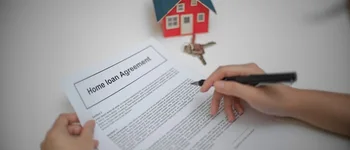
When renting a property in Costa Rica, it is essential to read the rental agreement carefully before signing it. This document not only establishes the terms of the lease but also protects your rights as a tenant. Pay attention to details such as the duration of the contract, the amount of rent, and the required deposits. Make sure that all clauses are clear and understandable, avoiding future surprises that could affect your rental experience. If there is anything you do not understand or find unfair, do not hesitate to ask the landlord or real estate agent for clarifications.
Another crucial aspect when reviewing the contract is to check for additional clauses regarding property maintenance, responsibilities in case of damages, and policies related to early termination of the agreement. Knowing your obligations and rights can save you conflicts and misunderstandings later on. Additionally, make sure to have a signed copy of the contract for your personal records; this will provide you with legal backing in case of any dispute. Do not underestimate the importance of this document: a well-drafted contract is your best ally for enjoying a safe and pleasant environment during your stay in Costa Rica.
Know your rights as a tenant
Knowing your rights as a tenant is essential to avoid complicated situations during your rental in Costa Rica. The Tenancy Law establishes various regulations that protect tenants, including the right to receive a written contract detailing the rental conditions, as well as the landlord's obligation to maintain the property in adequate conditions. Familiarizing yourself with these regulations will allow you to identify any possible abuse and act accordingly, thus ensuring fair and transparent treatment with your landlord. Additionally, it is important to know that you have rights related to privacy and the use of the property. For example, your landlord cannot enter your home without prior notice or express consent, except in emergency situations. Being informed about these rules will give you greater security when renting and will help you establish clear boundaries from the beginning of the contractual relationship. In case of any disagreement or conflict, being aware of your rights will better equip you to seek effective solutions and protect your well-being as a tenant.
Make sure the property is properly registered.
6. Make sure the property is properly registered When renting a property in Costa Rica, it is crucial to verify that it is properly registered in the National Registry. This registry not only provides information about the ownership of the property but also ensures that the owner has the right to lease the property. Requesting this documentation will allow you to confirm that there are no liens or legal issues associated with the place where you plan to live, which is essential for your safety as a tenant. Do not hesitate to ask the owner for a copy of the cadastral plan and other relevant legal documents.
Also, make sure that the rental contract is formalized and signed by both parties, and check if any additional management is required with local authorities. A written contract helps protect your rights and clearly establishes the terms of the lease, avoiding misunderstandings or future conflicts. Remember to also check if the property has residential use permits; this can affect your peace of mind and well-being during your stay. Taking the time to carry out these checks will give you greater confidence in your choice and ensure a more enjoyable rental experience.
Make a detailed inventory when moving.
When moving to a new home in Costa Rica, conducting a detailed inventory of your belongings is an essential step that you should not overlook. This process will allow you to have a clear record of all the items you are bringing with you, as well as those already in the rented property. By documenting the condition and quantity of each item, you can prevent misunderstandings with your landlord regarding potential damages or losses. Use photographs and descriptive lists to create a comprehensive report; this will be invaluable if you ever need to file a claim or simply want to ensure everything is in order when your rental agreement ends.
Additionally, this inventory not only protects your interests as a tenant, but it can also facilitate a more transparent relationship with the landlord. By sharing your record with them, both parties can be aware of the initial condition of the property and agree on clear responsibilities regarding maintenance and compliance with established rules. Making this extra effort not only provides you with peace of mind but also establishes a solid foundation for harmonious living during your stay in Costa Rica. Remember that a good start always makes a difference in any rental experience.
Maintain clear communication with the owner.
Maintaining clear and open communication with the owner is essential to ensure a smooth rental experience. From the first contact, it is important to establish a communication channel that allows for the expression of doubts, concerns, or specific needs. Make sure to discuss all relevant aspects of the contract, such as payment conditions, pet policies, or shared usage rules if it is a multifamily property. This will not only help you have clear expectations but will also foster a trusting relationship between you and the owner.
Additionally, documenting all important interactions can be useful in case disagreements arise later. If you make specific requests or reach verbal agreements about changes in the housing, make sure to confirm these points in writing to avoid misunderstandings. A good practice is to send emails or messages summarizing what was discussed; this will provide backup if necessary. By maintaining open and transparent communication with the owner, you will be able to enjoy your new home in Costa Rica with greater peace of mind and security.
What to do in case of conflicts or legal issues?
When conflicts or legal issues arise during the rental process in Costa Rica, it is essential to act calmly and knowledgeably. The first thing you should do is carefully review the lease agreement, as this document outlines the obligations and rights of both the tenant and the landlord. If disagreements arise regarding the interpretation of the contract, try to maintain open communication with the landlord to resolve differences amicably. In many cases, a simple dialogue can prevent the situation from escalating into a larger conflict.
If communication does not resolve the issue, consider seeking legal advice. In Costa Rica, there are organizations and lawyers specialized in leasing matters who can provide you with guidance and support. Documenting all relevant incidents is crucial; keep copies of emails, messages, and any other evidence that supports your position. If you need to take the matter to legal instances, having good documentation will facilitate your defense and help protect your rights as a tenant in this beautiful Central American nation.
Advertisements
More in Rights and Obligations

Rental Guides, Rights and Obligations
Tenant rights in Costa Rica: what to know before signing

Rental Guides, Rights and Obligations
Tenant rights regarding repairs not made by the landlord
Rental Guides, Rights and Obligations
Tenant rights against abusive rental conditions

Rental Guides, Rights and Obligations
Tenant rights when requesting improvements in the rented housing
Most viewed in Rental Guides
Rental Guides, Rights and Obligations
Tenant rights in Costa Rica: what to know before signing

Rental Guides, Rental Contracts
Strategies for Effectively Negotiating Your Rental Agreement

Rental Guides, Requirements for Renting
Tips to speed up the rental process in Costa Rica

Rental Guides, Renewal and Adjustments
Tips for ensuring a successful and surprise-free rental