
Aspects to consider for a rental that inspires trust

Are you looking for a rental home but worried about the trustworthiness of the process? You're not alone. Renting a home is an important decision that can impact your well-being and peace of mind. In this article, we will explore the key aspects you should consider to ensure that your choice is not only suitable but also reliable. From verifying the landlord to reviewing the contract, every detail matters to help you find a place where you can truly feel safe and happy.
Check the reputation of the owner or agency.
When looking for a rental property, one of the first steps you should take is to research the reputation of the owner or the agency in charge of the property. This is crucial, as a reliable landlord can make all the difference in your experience as a tenant. You can start by looking for online reviews, consulting with people who have had previous experiences, and checking social media or forums dedicated to the local community. A well-rated landlord generally reflects a commitment to their tenants and efficient management of any issues that may arise during the rental period.
Additionally, don't hesitate to ask for direct references from the owner or the real estate agency. Inquiring about their history and whether they have had previous tenants can provide you with valuable information about their way of operating. Remember that a responsible landlord not only cares about the condition of the property but also about maintaining clear and honest communication with their tenants. Ensuring that your landlord has a good reputation will help you establish a more peaceful and secure relationship from the start of your lease, which is essential for creating a home where you can feel completely comfortable.
Advertisements
Detailed inspection of the property before renting.
A detailed inspection of the property is a fundamental step in the rental process, as it allows you to firsthand understand the conditions of the place where you might live. When visiting the property, it is important to pay attention to aspects such as the condition of the electrical and plumbing installations, the quality of the finishes, and any signs of moisture or structural damage. Don't hesitate to open cabinets, check windows and doors, and even ask about the maintenance history of the property. The more informed you are about the actual conditions of the space, the better you will be able to assess whether it meets your needs and expectations.
Additionally, during the inspection, you should consider elements that directly impact your comfort and safety. Observe the natural lighting and ventilation; a well-lit and ventilated home not only improves your quality of life but can also prevent health-related issues. Also, check for functional heating or cooling systems that are suitable for the local climate. Bringing a checklist with you can be helpful to ensure you don’t overlook any important details during your visit. Remember that this inspection should not only serve to identify current problems but also to anticipate potential future inconveniences that could affect your experience as a tenant.
Understanding the terms of the rental contract
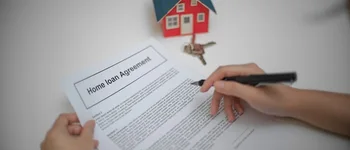
Understanding the terms of the rental agreement is essential to ensure a positive leasing experience. This document not only outlines the conditions under which you will live in the property but also protects your rights as a tenant. It is crucial to read each section carefully, paying special attention to aspects such as the duration of the contract, the amount of rent, and any clauses related to the security deposit. Make sure that everything agreed upon verbally is documented in writing in the contract, as this will provide you with greater protection in case of future disputes.
In addition to the basic points, do not underestimate the importance of reviewing the policies on renewals and terminations of the contract. Common practices may include penalties for early termination or specific requirements for automatic renewal. It is also advisable to investigate whether there are restrictions related to pets or modifications to the property that may affect your quality of life. Asking the landlord or real estate agent questions about these issues can help you make informed decisions and avoid unpleasant surprises during your stay in the property.
Key questions to ask during the visit
During a visit to a rental property, it is essential to ask questions that help you assess the honesty of the landlord and the quality of the property. Questions like "What is the payment history of previous tenants?" or "What does the rent include: utilities, maintenance, etc.?" can give you a clearer insight into expectations and responsibilities. Additionally, inquiring about the reasons why the landlord is renting out the property can reveal important information; a sincere answer can be a good indicator of the trust you can place in the deal.
It is also essential to ask about the conditions of the lease agreement. Inquire if there are additional clauses that are not clearly specified and if there is flexibility in case you need to make changes during your stay. Make sure to fully understand the terms related to the security deposit, as well as the process for its return at the end of the rental. These types of questions will not only protect you legally but will also give you a better idea of the landlord's commitment to their tenants and their willingness to maintain a transparent and fair relationship.
Know your rights as a tenant in Costa Rica
Knowing your rights as a tenant in Costa Rica is essential to ensure a positive and trouble-free rental experience. The Urban Leases Law establishes a series of rights that protect tenants, such as the right to peacefully enjoy the property, the landlord's obligation to maintain the housing in adequate conditions, and the prohibition of abusive rent increases. Familiarizing yourself with these regulations will allow you to act with confidence and security, avoiding potential conflicts during your lease. Additionally, it is important to remember that any rental contract must be clear and fair. It should include essential elements such as the duration of the lease, the amount of rent, and the responsibilities of both the landlord and the tenant. If you feel that your rights are being violated or if unfair clauses appear, do not hesitate to seek legal advice. Being informed about your rights not only empowers you as a tenant but also fosters a mutual respect environment between you and your landlord, contributing to a more harmonious relationship throughout your stay.
The importance of references and testimonials
The importance of references and testimonials cannot be underestimated when it comes to renting a home. These tools are crucial for assessing the credibility of both the landlord and the property itself. References, which can come from previous or current tenants, provide direct insight into the experience of living in the property and with the landlord. By speaking with these tenants, you can gather valuable information about home maintenance, the landlord's response to issues, and the overall quality of the environment. This allows you to make more informed decisions and reduce the risk of unpleasant surprises.
Testimonials also play a fundamental role in this equation. In an increasingly digital world, it is common to find online reviews that can provide you with a broad perspective on different properties and their owners. However, it is important to consider the source of these reviews; seeking reliable platforms or community groups can help you filter genuine information from that which may be biased or false. Thus, by gathering solid references and testimonials, you not only equip yourself with knowledge to choose a safe and pleasant place, but also build trust throughout the rental process.
Secure payment methods and deposits
When it comes to renting a home, one of the most critical aspects is ensuring that payment methods and deposits are secure. It is essential to avoid situations that could jeopardize your money or your trust in the landlord. Choose to make payments through recognized platforms that offer tenant protection, such as secure bank transfers or online payment systems with guarantees. Additionally, avoid making cash payments without an official receipt, as this can make it difficult to prove that you have fulfilled your financial obligations.
It is also advisable to agree on the amount of the deposit and the method of its return before signing the contract. Make sure to have clarity on the conditions under which the deposit will be withheld or returned at the end of the rental. A good approach is to document any agreement in writing and keep it along with your original contract. This not only provides you with an additional layer of security but also establishes a clear precedent in case of future disputes. Remember that transparency in financial transactions is key to building a trustworthy relationship between you and the landlord.
Advertisements
More in Types of Rentals

Rental Guides, Types of Rentals
Tips for choosing a rental that guarantees your investment in Costa Rica
Rental Guides, Types of Rentals
Legal aspects you should know before renting a property.

Rental Guides, Types of Rentals
Aspects to evaluate for a rental that guarantees your peace of mind

Rental Guides, Types of Rentals
Essential aspects to choose a rental that ensures your peace of mind
Most viewed in Rental Guides

Rental Guides, Rights and Obligations
Tenant rights in Costa Rica: what to know before signing

Rental Guides, Rental Contracts
Strategies for Effectively Negotiating Your Rental Agreement

Rental Guides, Requirements for Renting
Tips to speed up the rental process in Costa Rica

Rental Guides, Renewal and Adjustments
Tips for ensuring a successful and surprise-free rental