
Essential aspects for a safe and reliable rental decision

Deciding to rent a home can be one of the most important decisions in your life. In a market as diverse as the Costa Rican one, it is essential to know the key aspects that will allow you to make a safe and reliable choice. From location to the type of contract, every detail matters to ensure that your new home is a refuge and not a source of problems. Join us in this practical guide where we will break down the key elements to ensure that your rental experience is positive and satisfying.
Budget assessment: How much can you really afford?
The budget assessment is the first crucial step in the rental process. Before you venture out to visit properties, it is essential to determine how much you can truly afford. This involves not only considering the monthly rent amount but also other associated expenses such as utilities, maintenance, and insurance. Conducting a thorough analysis of your personal finances will allow you to set a clear limit and avoid unpleasant surprises later on. While the excitement of finding your new home can be overwhelming, maintaining a realistic view of what you can spend is essential for a successful rental experience.
In addition to the base rent, it is important to consider the additional costs that may arise during the rental process. These can include security deposits, administrative fees, and potential future rent increases. You should also assess whether you have an emergency fund that allows you to cope with housing-related unexpected expenses. By having clarity about your financial situation, you will be able to focus solely on the options that fit your budget without compromising your economic stability. Thus, the search becomes a more enjoyable and less stressful exercise, ensuring that your final choice is both affordable and suitable for your needs and lifestyle.
Advertisements
Types of housing: apartments, houses, and more.
When considering renting a home, one of the most important factors to evaluate is the type of property that best suits your needs and lifestyle. The main options include apartments and houses, each with their advantages and disadvantages. Apartments are often ideal for those seeking convenience and lower maintenance responsibilities, as common areas and services are frequently included in the rent. Additionally, they are usually located in urban areas with easy access to public transportation, shops, and entertainment. However, they may offer less privacy and personal space.
On the other hand, houses tend to provide greater space both indoors and outdoors, which can be beneficial for families or those seeking a quieter environment. Renting a house also involves taking on certain additional responsibilities, such as garden maintenance or minor repairs. Other types of less conventional housing, such as studios or duplexes, can be attractive options depending on your personal and economic situation. Ultimately, choosing the right type of housing not only influences your daily experience but also your overall well-being; therefore, it is essential to weigh your priorities before making a final decision.
Strategic location: Where do you want to live?
The location of your future home is one of the most crucial aspects to consider when renting. It's not just about the proximity to your workplace or school, but also about access to essential services like supermarkets, hospitals, schools, and public transportation. Living in an area that offers these conveniences can significantly improve your quality of life and ease your daily activities. Therefore, take the necessary time to research and evaluate the characteristics of the neighborhood before making a final decision.
It is also important to consider the safety of the area where you want to live. Research crime rates and talk to local residents to get a more realistic perspective on the environment. A good location should not only be practical but also provide you with peace of mind and well-being. Remember that a home is much more than four walls; it is about the environment in which you will navigate day by day. So make sure to choose a location that not only meets your immediate needs but also gives you a sense of belonging and comfort in the long term.
Review of the rental contract: Clauses to consider.
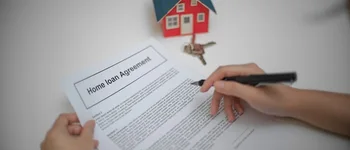
When reviewing a rental contract, it is essential to pay special attention to the clauses that may influence your experience as a tenant. Among the most relevant aspects are the duration of the contract and the conditions for its renewal or termination. Make sure it is clear the term for which you are committing to rent the property, as well as the consequences of failing to meet this commitment. It is also crucial to understand the policies regarding security deposits, as this can affect both your financial situation and the return of the money at the end of the rental period. Check for clauses that stipulate penalties in case of non-compliance and what rights you have if the landlord decides to terminate the contract prematurely.
Another fundamental aspect to consider is the rules related to the use of the property and any specific restrictions imposed by the owner. Some clauses may limit your ability to make modifications to the home, such as painting or making minor repairs, which could be uncomfortable if you are looking to personalize your space. It is also important to review the conditions regarding pets, prolonged guests, and subletting, as this could affect not only your comfort but also your relationships with neighbors and owners. At the end of the day, a well-reviewed contract will not only protect you legally but also lay the groundwork for a harmonious coexistence throughout your stay in the chosen property.
Pre-signing inspection: What to look for in the home?
The pre-signing inspection of the rental contract is a crucial step that should not be overlooked. When visiting the property, it is essential to carefully observe both the interior and exterior. Look for signs of dampness, structural damage, and the overall condition of the electrical and plumbing systems. Ensure that the appliances included in the rental are functioning properly and check the quality of the windows and doors to guarantee good thermal and acoustic insulation. Taking notes during this visit will help you make comparisons later and formulate specific questions for the owner or real estate agent.
In addition to the physical aspects, it is important to evaluate the environment surrounding the home. Research the safety of the neighborhood, the available services such as public transportation, supermarkets, hospitals, and nearby schools. Talking to some neighbors can provide you with valuable insight into the community and potential issues related to the area. Also, remember to ask if there are specific building or area regulations you should be aware of, such as rules about pets or restrictions on renovations. A thorough inspection will allow you to make an informed decision and avoid unpleasant surprises after moving into your new home.
Rights and responsibilities of the tenant.
The rights and responsibilities of the tenant are fundamental aspects that must be understood before signing a rental contract. As a tenant, you have the right to enjoy your home in adequate conditions, which includes access to basic services such as water, electricity, and security. Additionally, you have the right to privacy; this means that the landlord cannot enter your home without prior notice or valid justification. Knowing these rights will allow you to advocate for your well-being and ensure that your new home meets the necessary conditions for comfortable living.
On the other hand, the responsibilities of the tenant are also essential. It is important to make rental payments on time and take care of the property as if it were your own. This involves using the facilities properly and reporting any damage or issues to the landlord immediately. By understanding both your rights and responsibilities, you can establish a harmonious relationship with your landlord and help maintain a safe and pleasant environment in your rented home. A clear understanding of these aspects will give you confidence and peace of mind throughout the rental process.
Included or not included utility service options.
When considering a rental agreement, it is crucial to review the utilities that are included in the rental price. Some landlords offer rates that include water, electricity, internet, or even cleaning services, which can represent significant savings and make it easier to plan your monthly budget. However, it is equally important to know which services are not included and to estimate their additional costs. This will allow you to have a clearer and more realistic view of your monthly expenses and avoid unpleasant surprises at the end of the month. Be sure to ask detailed questions about each of these aspects before signing any contract.
It is also advisable to check how payments and responsibilities related to utilities are managed. For example, in some cases, the tenant may be responsible for contracting certain services in their name, which could lead to complications if you are not familiar with local providers or if there are limited options in the area. You could also inquire about the quality of service: find out if there are frequent interruptions or known issues with the supply. By clarifying all these doubts from the beginning, you will be better prepared to make an informed decision that allows you to fully enjoy your new home without inconveniences related to utilities.
Verification of the owner or real estate agency.
Verifying the owner or the real estate agency is a crucial step to ensure a safe and reliable rental experience. Before committing to sign any contract, it is essential to research the identity of the owner or the legitimacy of the agency you are dealing with. You can start by requesting documentation that proves their ownership of the property, such as deeds and tax payment receipts. Additionally, consider conducting an online search to check if they have had previous legal disputes or bad reviews that may indicate past issues. This diligence will help you avoid unpleasant surprises and ensure that you are dealing with legitimate individuals.
Another effective way to verify the authenticity of the owner or agency is by contacting previous tenants if possible. Asking them about their experience can provide you with valuable information on how contractual relationships and property maintenance are handled. You can also request direct references from the owner or agent, which can give you a clearer idea of their professionalism and commitment to their tenants. Remember that a transparent and honest deal from the beginning is essential; if you sense any reluctance from the owner or agency to provide you with this information, it could be a red flag to reconsider your decision before proceeding with the rental.
Tips for a successful long-term rental.
To ensure a successful long-term rental, it is vital to establish clear and open communication with the landlord or real estate agency from the beginning. This involves discussing not only the terms and conditions of the contract but also any expectations that both parties may have. Ask about maintenance and repair policies, as well as the services included in the rent. By defining these aspects in advance, future misunderstandings can be avoided that could complicate cohabitation and affect your peace of mind at home.
It is also advisable to conduct a detailed inventory of the property's condition at the time of your move. Take photographs and document any existing damage to avoid conflicts at the end of the lease. Be sure to read each clause of the rental agreement carefully and do not hesitate to ask for clarifications if anything is unclear. A well-understood contract accepted by both parties is essential to ensure a harmonious relationship throughout the rental period. Remember that a proactive approach can make the difference between a rewarding experience and one filled with inconveniences.
Advertisements
More in Types of Rentals

Rental Guides, Types of Rentals
Tips for choosing a rental that guarantees your investment in Costa Rica
Rental Guides, Types of Rentals
Legal aspects you should know before renting a property.

Rental Guides, Types of Rentals
Aspects to evaluate for a rental that guarantees your peace of mind

Rental Guides, Types of Rentals
Essential aspects to choose a rental that ensures your peace of mind
Most viewed in Rental Guides

Rental Guides, Rights and Obligations
Tenant rights in Costa Rica: what to know before signing

Rental Guides, Rental Contracts
Strategies for Effectively Negotiating Your Rental Agreement

Rental Guides, Requirements for Renting
Tips to speed up the rental process in Costa Rica

Rental Guides, Renewal and Adjustments
Tips for ensuring a successful and surprise-free rental