
Strategies to find a rental that protects your investment

Finding a rental that not only meets your needs but also protects your investment is both an art and a science. In this article, we will explore effective strategies to ensure that your housing choice is both profitable and secure. From the ideal location to rental contracts, every decision matters. Get ready to discover practical tips that will help you navigate the rental market in Costa Rica without losing sight of your financial goals. Your investment deserves to be in the best hands!
The importance of location: Where to rent?
Location is one of the most determining factors when considering a rental, as it influences not only the tenant's quality of life but also the property's appreciation over time. When looking for a rental property, you should evaluate aspects such as proximity to essential services like supermarkets, schools, and hospitals, as well as access to public transportation and major communication routes. A well-connected neighborhood with developed infrastructure tends to attract more potential tenants, resulting in higher demand and stability for your investment.
Additionally, it is crucial to consider the safety and community environment of the area. Researching crime rates and the type of neighbors can give you an idea of what living there will be like. Areas with active and friendly communities tend to offer a better environment for tenants, which can result in less turnover and consistent profitability. In this context, choosing the right location not only protects your current investment but also lays the groundwork for future financial opportunities by increasing the property's value over time.
Advertisements
Types of housing: Which one best suits your needs?
When considering a rental, it is essential to identify the type of housing that best suits your needs and lifestyle. Options can range from apartments in buildings with shared amenities to single-family homes with gardens. If your priority is comfort and proximity to work or educational centers, an apartment in the heart of the city could be ideal. On the other hand, if you value space and a quieter environment to enjoy with family, a house in the suburbs may offer you that and more. Evaluating the specific characteristics of each type of housing will allow you to make informed decisions that protect your investment.
In addition to size and location, also consider other factors such as the costs associated with each type of housing. Renting an apartment may include expenses like maintenance and access to common areas, while a house might require additional investments in landscaping or utilities. Conduct a detailed analysis of what you really need: do you prefer urban convenience or suburban tranquility? By answering these questions, you will be able to identify not only which type of housing best suits you but also which one offers you greater financial protection in the long run. Remember that making wise choices today can mean fewer unpleasant surprises tomorrow.
Market assessment: Knowing the fair price
Market evaluation is a crucial step in the search for a rental that protects your investment. Knowing the fair price not only involves understanding the average rates in the area but also identifying the features that can influence a property's value. Factors such as proximity to essential services, the general condition of the property, and urban development trends can significantly alter prices. It is advisable to research different sources, such as real estate portals, market reports, and opinions from previous tenants to have a comprehensive view of what a rental should cost in that specific area.
Additionally, comparing similar properties will allow you to establish a clearer framework regarding what constitutes a good deal. Do not hesitate to negotiate; often, owners are willing to adjust their prices or include additional services if they feel their offer is being taken seriously. It is also helpful to contact local real estate agents who have experience in the area and can provide valuable insights into market fluctuations. By conducting a thorough and objective assessment, you will be better prepared to make informed decisions that align not only with your housing needs but also with your long-term financial goals.
Pre-inspection: Keys to detecting hidden problems
The pre-signing inspection of a rental contract is a crucial stage that should not be overlooked if you want to protect your investment. During this phase, it is essential to conduct a thorough walkthrough of the property, paying attention to details that could indicate hidden problems. Check the condition of the electrical and plumbing systems, as repairs in these systems can be costly in the long run. Also, examine the floors, walls, and ceilings for signs of moisture or mold, which not only affect the aesthetics of the place but can also have implications for the health and structure of the property.
In addition to the visible aspects, it is advisable to ask specific questions to the owner or real estate agent about the property's history. Inquire if there have been previous issues with pests, leaks, or structural damage. Also, make sure to understand the policies regarding maintenance and repairs; good communication on these matters can prevent future conflicts. Conducting a thorough inspection and obtaining all relevant information will allow you to make informed decisions and ensure that your new home is not only comfortable but also safe and cost-effective in the long term.
Clear contracts: Legally protecting your investment
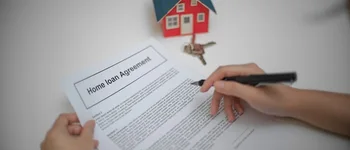
When you decide to rent a property, one of the most crucial aspects is to ensure that the contract is clear and detailed. A well-drafted contract not only establishes the rights and obligations of both parties but also protects your long-term investment. Make sure to include essential elements such as the duration of the contract, the amount of rent, policies on security deposits, and conditions for early termination. By having a solid legal document, you minimize the risk of misunderstandings or future disputes that could lead to significant financial losses.
It is also advisable to carefully review any additional clauses that may affect your investment. For example, make sure that the contract includes the possibility of rent increases and under what circumstances this could occur. It is also important to include terms that protect your rights as a tenant in case of property damage or issues with basic services. Do not hesitate to seek legal advice if you feel uncertain about any aspect of the contract; a small investment in advice can save you significant problems later and ensure that your rental experience is as safe as possible.
Effective negotiation: Tips for obtaining better terms
Effective negotiation is a key skill that can make a difference in the rental process. Before starting, it is crucial to research the market and know the average prices of similar properties in the area you are interested in. This will not only provide you with a solid foundation to argue your position, but it will also allow you to detect if an offer is truly fair or if there is room for negotiation. Prepare with concrete data on price comparisons and market conditions; this information will be your best ally when discussing terms with the owner or real estate agent.
Additionally, it is essential to approach negotiation from a place of collaboration and mutual respect. Start by establishing a friendly relationship with the landlord; this can facilitate open and honest dialogue. Clearly express your needs and concerns, but also show a willingness to listen to their viewpoints. At the end of the day, both parties are looking to reach a mutually beneficial agreement. Consider proposing creative alternatives that can satisfy both sides, such as offering upfront payment for several months or committing to take good care of the property during your stay. A good negotiation is not only about getting a better price but also about laying the groundwork for a lasting and harmonious relationship between tenant and owner.
Maintenance and management: How to care for your long-term rental
The maintenance and management of your rental are essential to ensure that your investment remains in optimal condition over time. From day one, it is crucial to establish a regular maintenance plan that includes periodic inspections of the facilities, such as plumbing, electricity, and heating or cooling systems. Do not underestimate the importance of small repairs; a small leak can turn into a bigger problem if not addressed in time. Additionally, maintaining open and proactive communication with tenants can help identify issues before they escalate, ensuring that your property remains in ideal condition.
Effective management also involves maintaining strict control over the financial aspects related to rental. This includes reviewing contracts to ensure they are up to date and accurately reflect the agreed-upon conditions. It is advisable to establish a tracking system for rent payments and other associated expenses, such as utilities or maintenance fees. By doing so, you not only protect your investment but also foster a transparent and professional relationship with your tenants. Implementing these strategies will allow you to care for your property while maximizing its long-term profitability, thereby ensuring that every decision made is a step toward a secure and sustainable investment.
Advertisements
More in Types of Rentals

Rental Guides, Types of Rentals
Tips for choosing a rental that guarantees your investment in Costa Rica
Rental Guides, Types of Rentals
Legal aspects you should know before renting a property.

Rental Guides, Types of Rentals
Aspects to evaluate for a rental that guarantees your peace of mind

Rental Guides, Types of Rentals
Essential aspects to choose a rental that ensures your peace of mind
Most viewed in Rental Guides

Rental Guides, Rights and Obligations
Tenant rights in Costa Rica: what to know before signing

Rental Guides, Rental Contracts
Strategies for Effectively Negotiating Your Rental Agreement

Rental Guides, Requirements for Renting
Tips to speed up the rental process in Costa Rica

Rental Guides, Renewal and Adjustments
Tips for ensuring a successful and surprise-free rental