Guide to investing in Costa Rica
Investment overview
Investing in Costa Rica real estate starts with understanding how the country is divided. Costa Rica is made up of seven provinces: Alajuela, Cartago, Guanacaste, Heredia, Limón, Puntarenas and San José. It has a Caribbean coast and a Pacific coast, and the interior has mountain and valley regions.
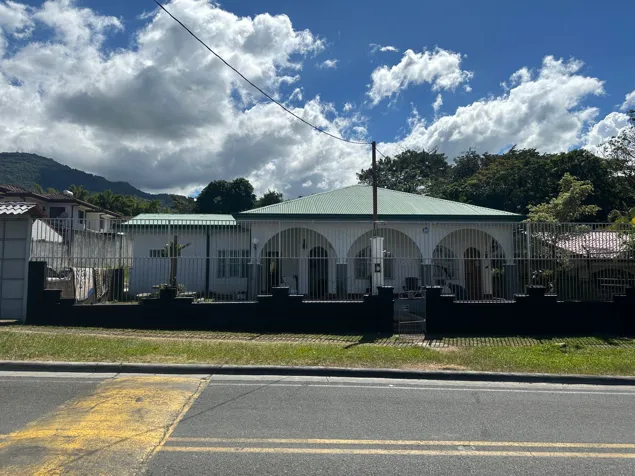
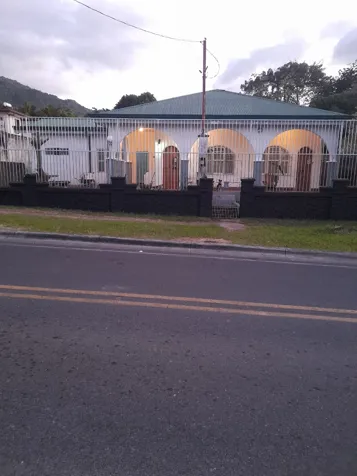
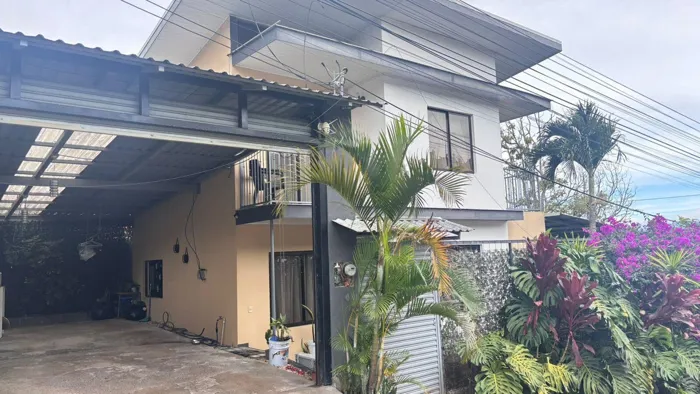
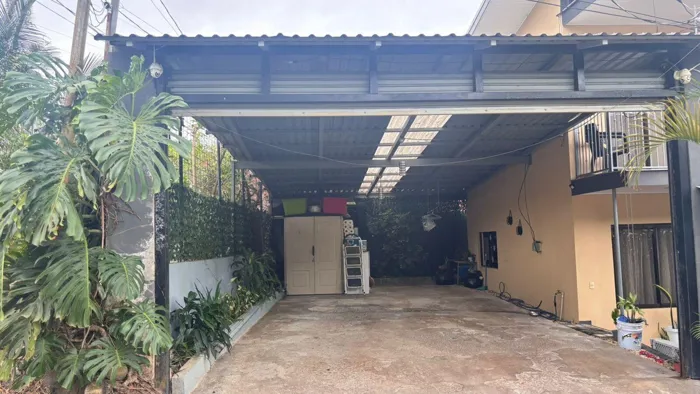
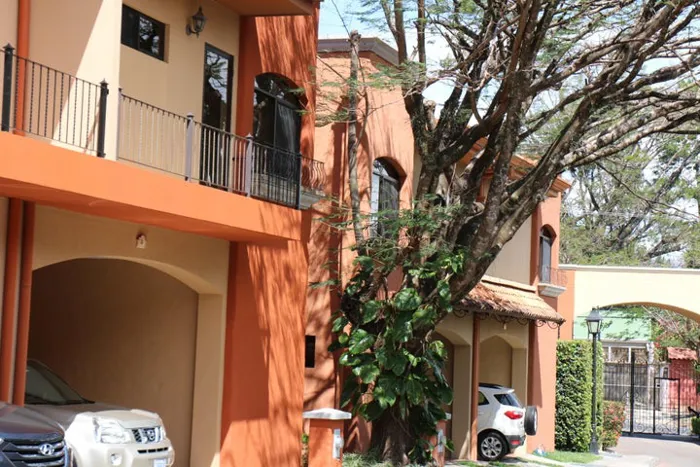
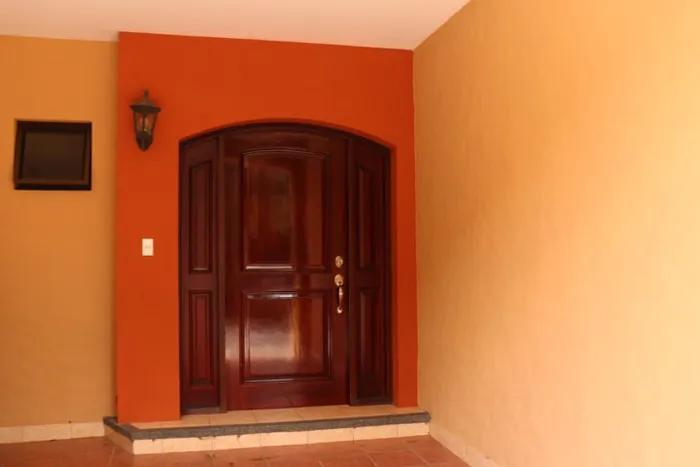
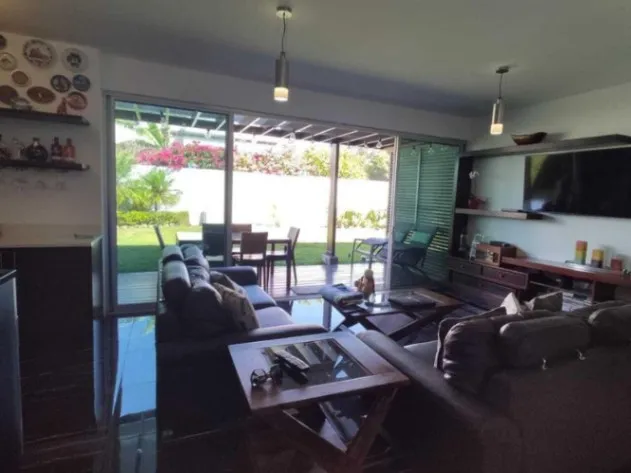
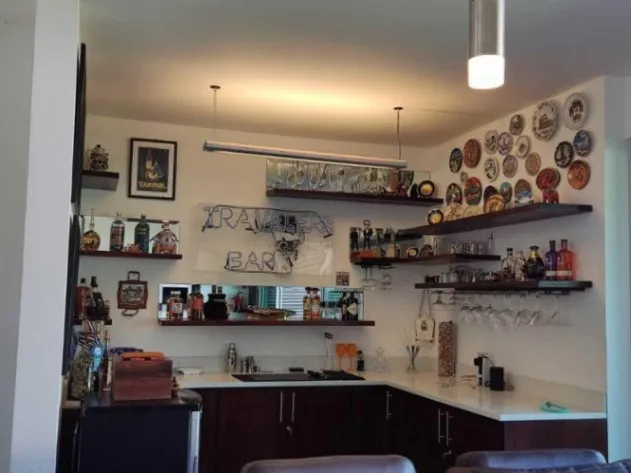
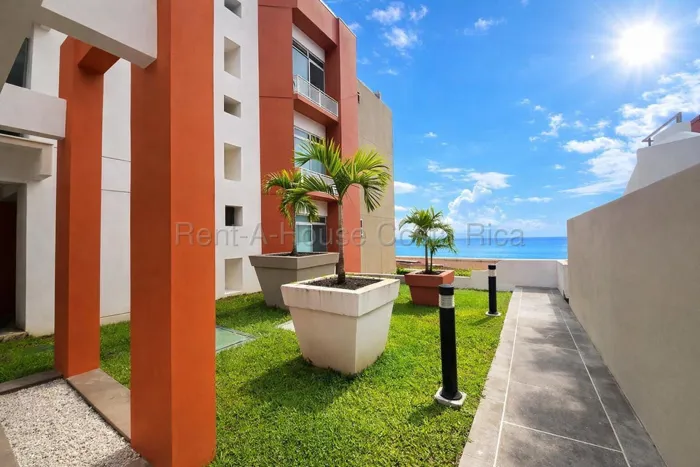
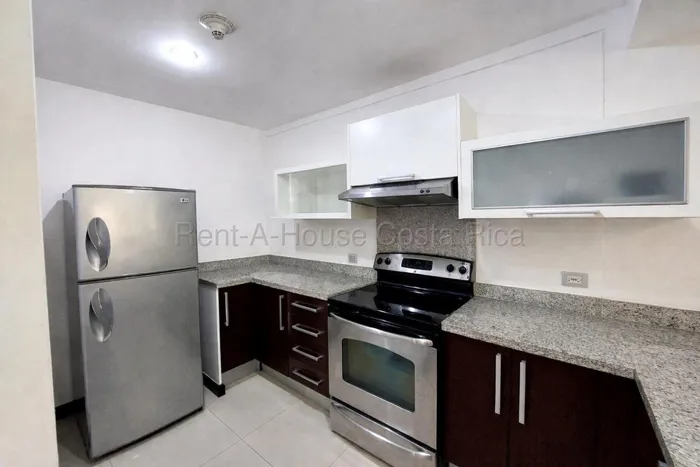
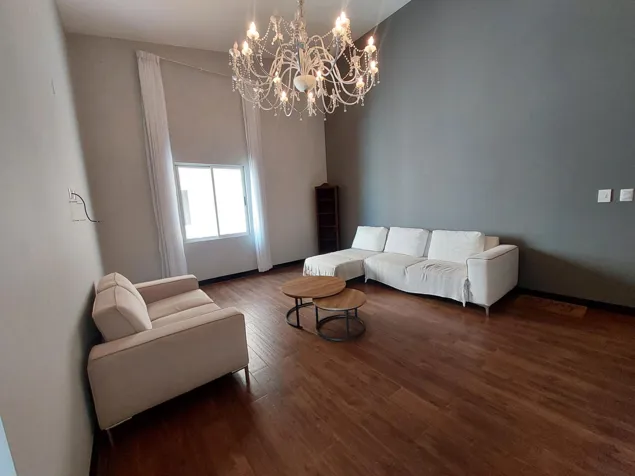
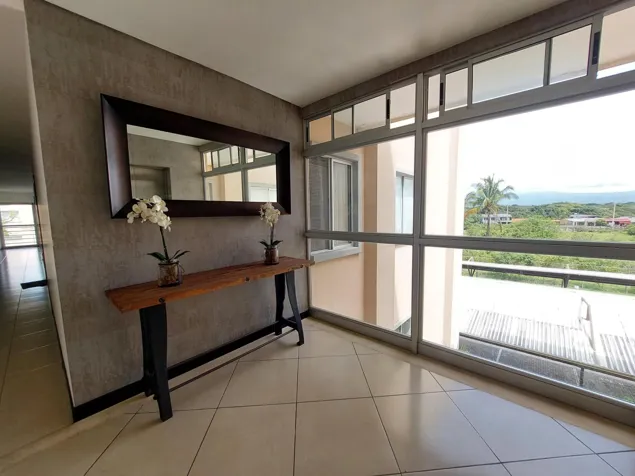
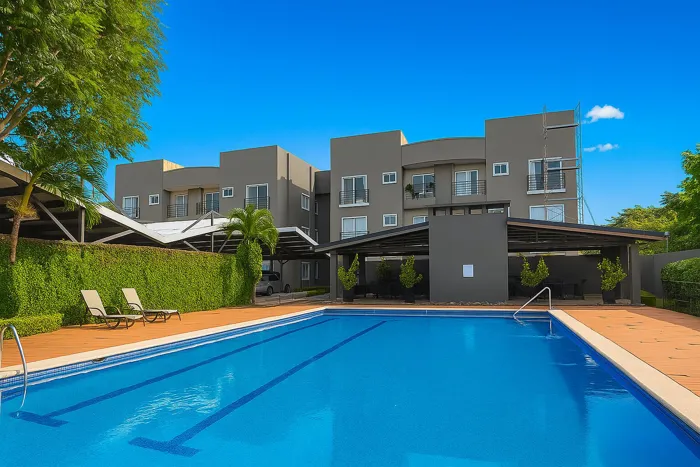
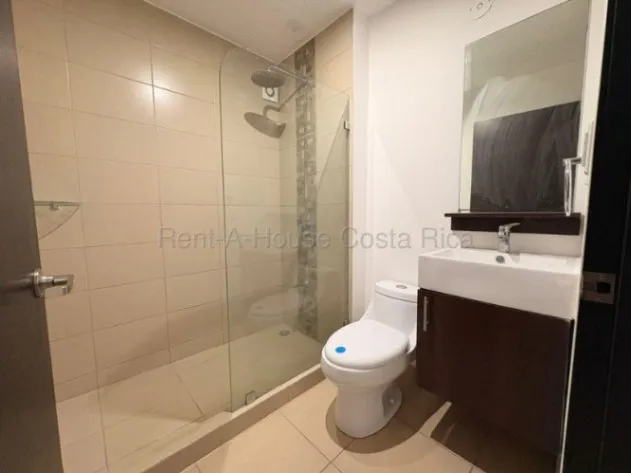
Buyers here choose among houses, apartments or condos, lots and land, farms and several commercial formats. Each province and each coast has its own climate and way of life, so the first decision is usually where to live or hold property, and only then which type.
Investment opportunities
The mix of listed property supports several buyer profiles. Someone relocating can buy a house or an apartment to live in. Someone planning to build can look at lots and land, and anyone interested in agriculture can look at farms.
Buying to rent out later is also possible with houses and apartments or condos, and a purchase of this kind is a long-term investment. Commercial spaces, offices, warehouses and buildings suit buyers who want a business base or income from a commercial tenant. Define the goal first, because it narrows the search.
Advertisements
Investment types
The property types listed for sale in the country are houses, apartments or condos, lots and land, farms, commercial spaces, offices, warehouses and buildings. What to check depends on the type:
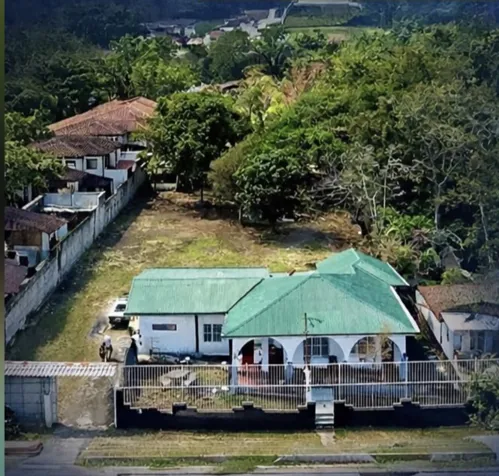
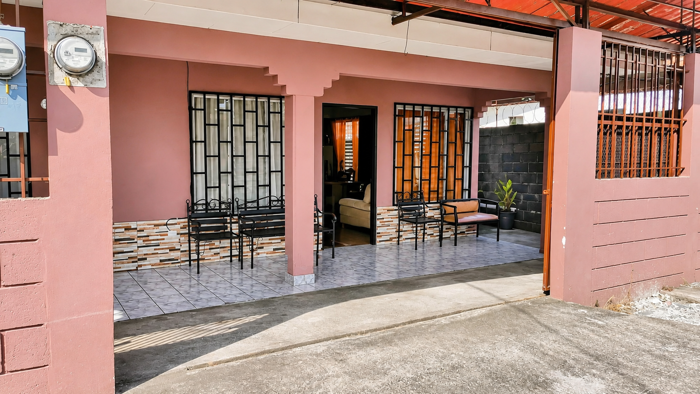
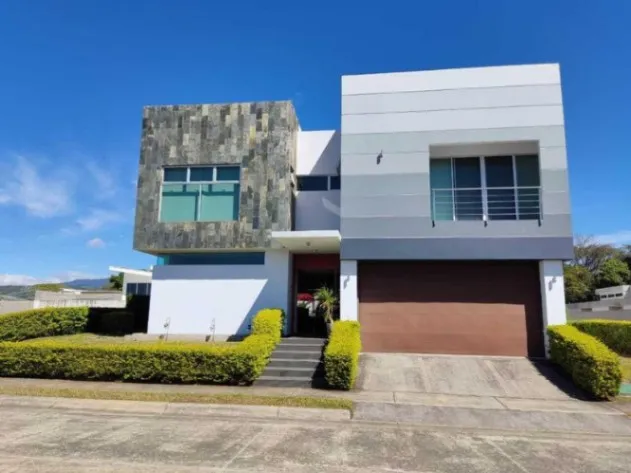
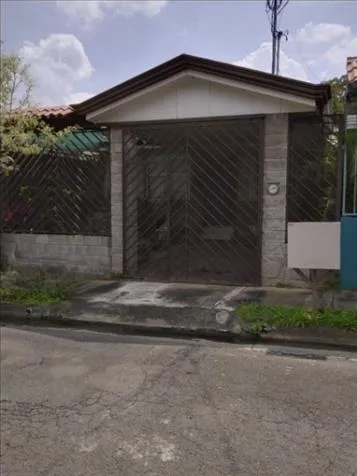
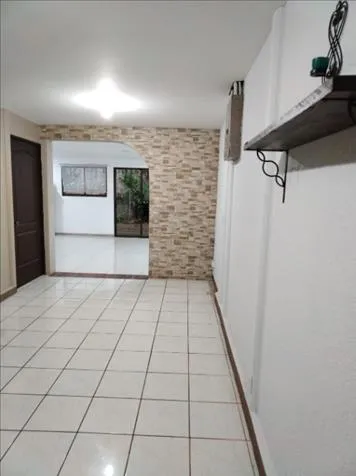
- Houses: structural condition, roof, drainage, and legal access to the street.
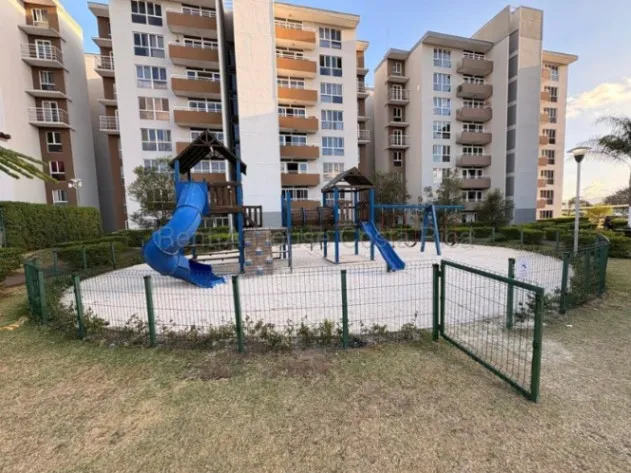
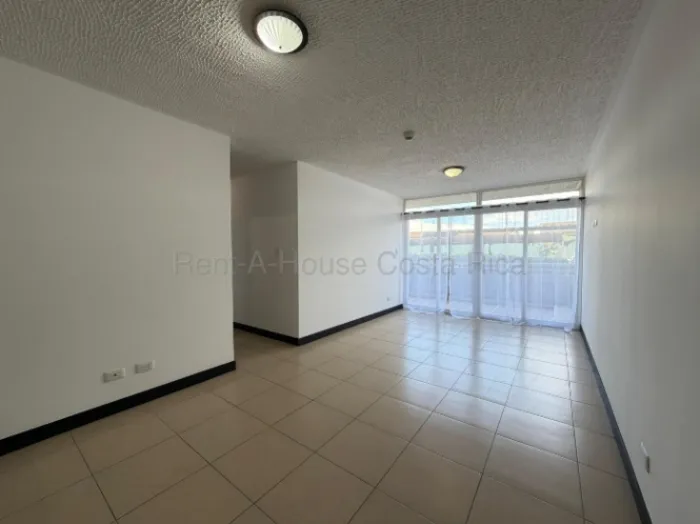
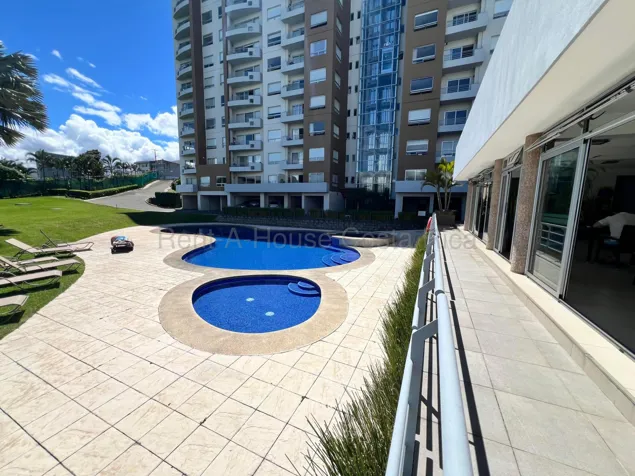
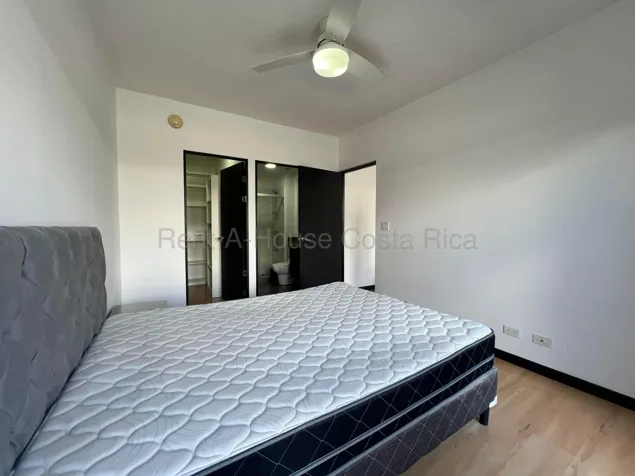
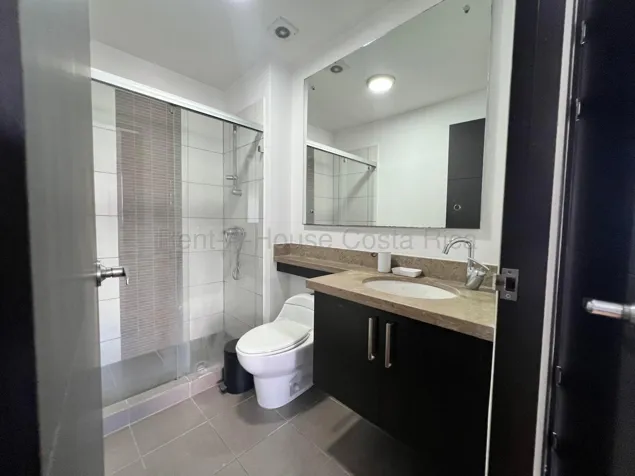
- Apartments or condos: monthly fees, what they cover, and the building rules.
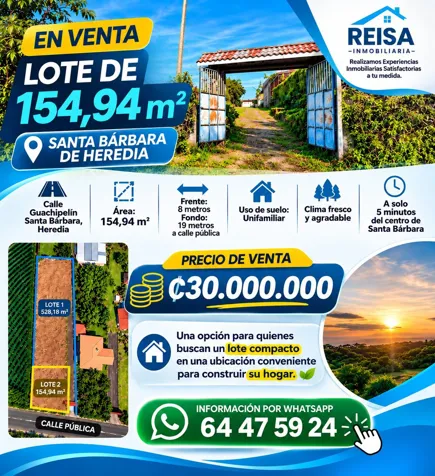
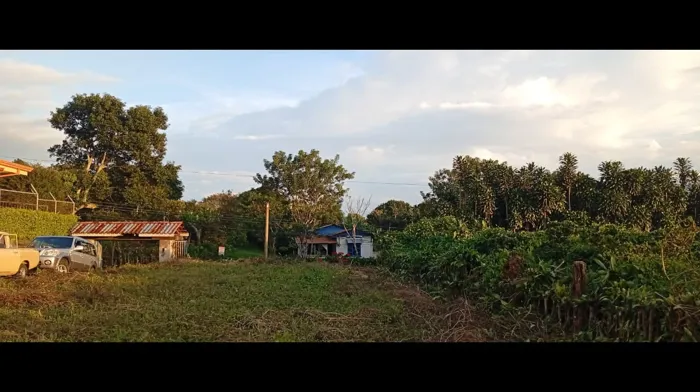
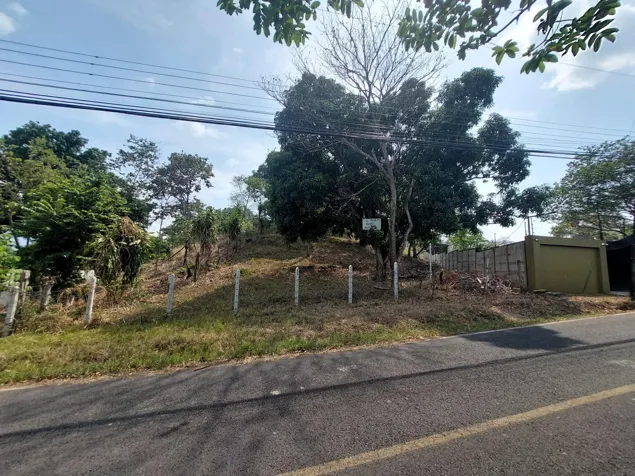
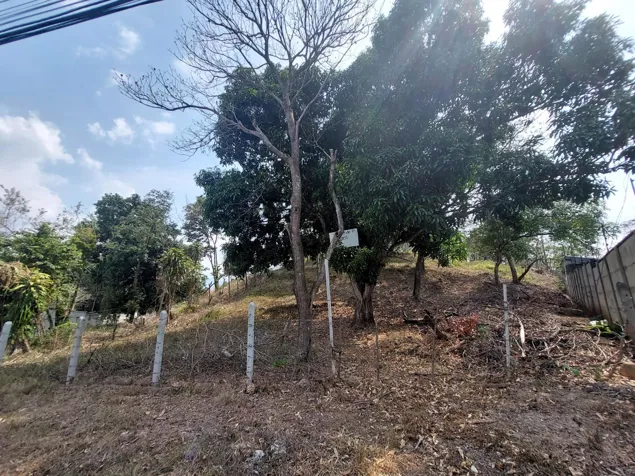
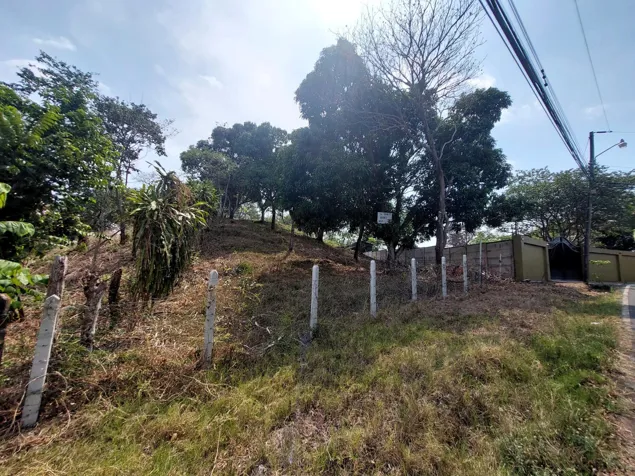
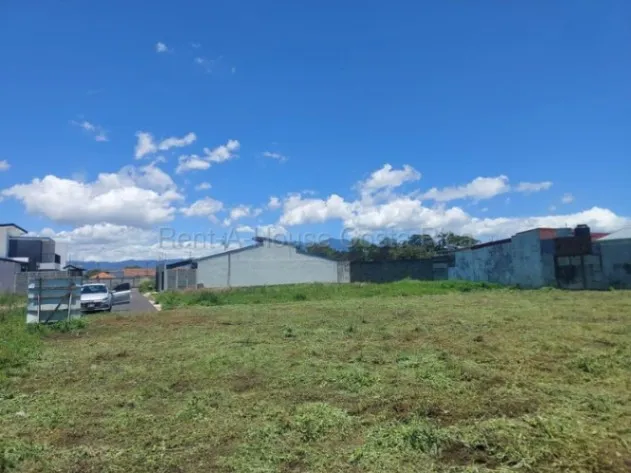
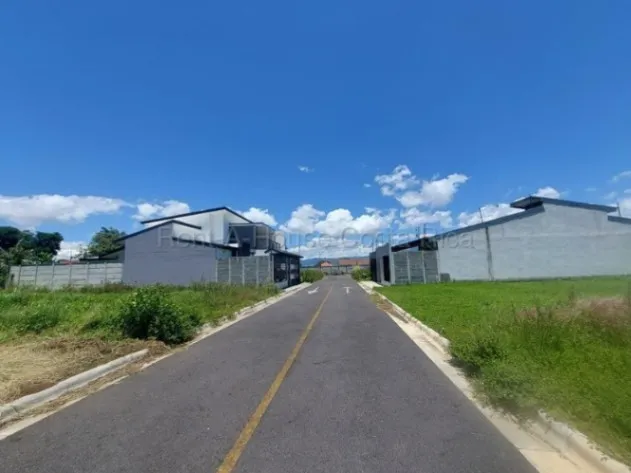
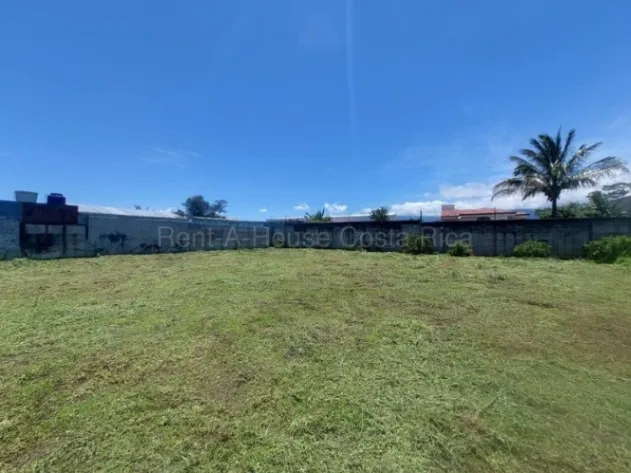
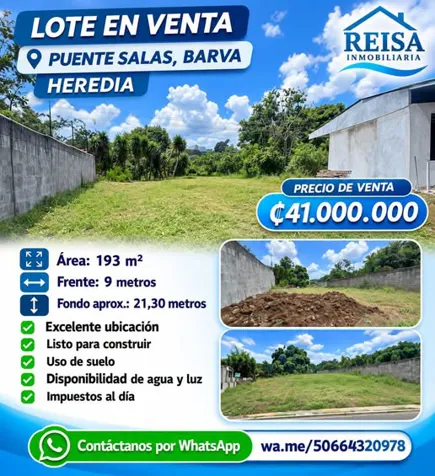
- Lots, land and farms: access, water, electricity and the shape of the terrain.
- Commercial spaces, offices, warehouses and buildings: permitted use, loading access and parking.
Advantages
Costa Rica is a coastal country with shores on both the Caribbean and the Pacific, so buyers can compare very different settings within one national legal framework. Inland areas offer a different pace from the coast.
The seven provinces give a simple way to organize a search: start with a province, then narrow to a canton and a district. Climate follows the seasons of the region, with a rainy season and a dry season whose timing varies between the Pacific, the Caribbean and the central valley.
Precautions
- A title search at the National Registry (Registro Nacional) to confirm the owner and any mortgages, liens or annotations.
- A registered survey plan (plano catastrado) that matches the title and what you see on the ground.
- A land-use certificate (uso de suelo) from the local authority, and the zoning plan where one exists, to know what can be built.
- Property tax (Law 7509) and municipal services paid up to date.
- For condos, the bylaws and proof that fees are paid (Law 7933); for coastal land, whether it falls in the maritime-terrestrial zone (Law 6043), where the 200-metre strip is not owned outright.
Development and growth
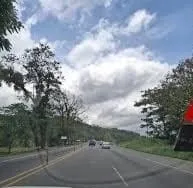
Moving between provinces means crossing very different terrain, from mountain roads to coastal highways. Real travel time depends on the hour, the weather and the road, so visit a candidate area at different times of day before buying.
Guanacaste and Puntarenas lie along the Pacific side, Limón on the Caribbean side, and Alajuela, Heredia, Cartago and San José make up much of the central region. Checking how a property connects to services and to the nearest town matters as much as the property itself.
Advisory
A purchase is usually organized with a local real estate agent, a Costa Rican notary and, ideally, a lawyer. Compare several properties of the same type in the same area before making an offer, and ask for the full closing-cost breakdown before signing. The transfer is made by public deed before a notary and pays the transfer tax (Law 6999).
Foreigners can own titled property with the same rights as citizens (Article 19 of the Constitution), with the exceptions the law sets. Agencies and agents with listings appear further down this same page.