

Alajuela real estate: investing guide
Overview
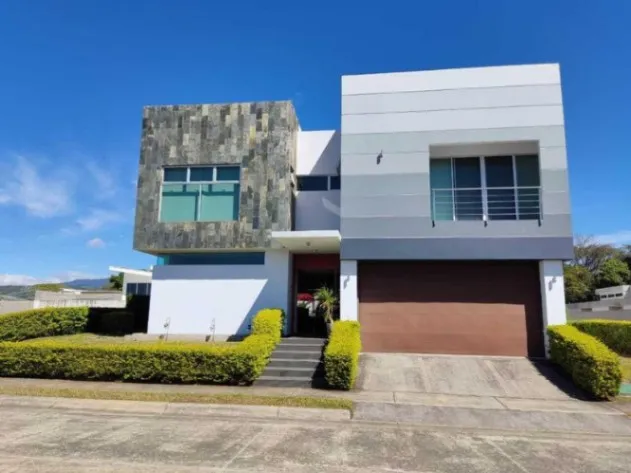
Alajuela real estate covers one of the seven provinces of Costa Rica, located in the northern and central part of the country. The province spans 9789.4 km² (3779.7 sq mi) and is made up of 16 cantons, from Alajuela itself to Upala and Los Chiles. Buyers here find homes, apartments or condos, lots, farms and commercial property, so the same province serves people who want to live, build or hold property for income.
What people buy here
Because the listings cover residential, rural and commercial types, several buyer profiles make sense. Someone relocating can buy a house or condo to live in. Someone who wants to build can look at lots and land. Others buy a farm for agricultural use or a rural home.
Buying a unit or commercial space to rent out later is also investing, and a purchase held for the long term is an investment in its own right. Each profile calls for a different canton, so narrow the search first.
Property types
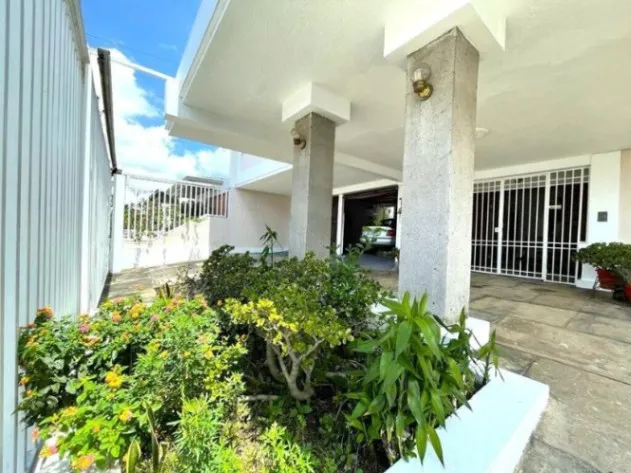
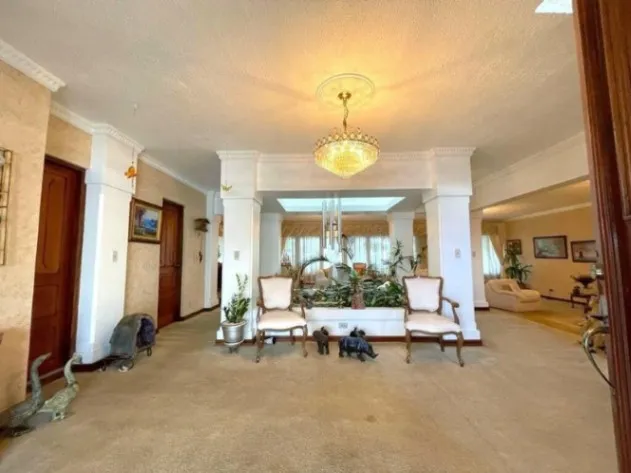
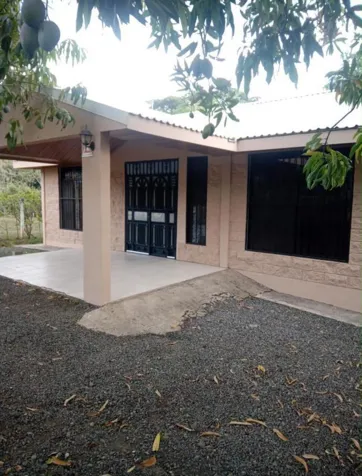
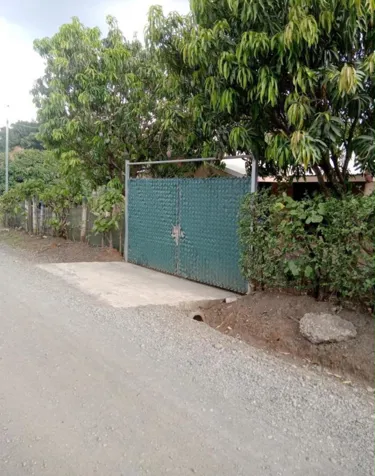
The pack shows these types for sale in the province:
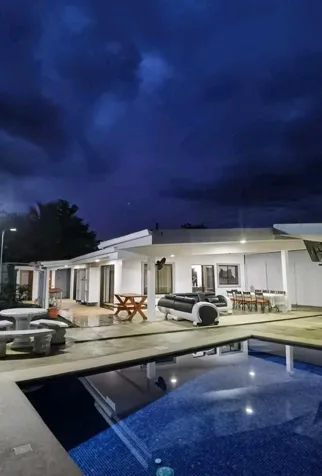
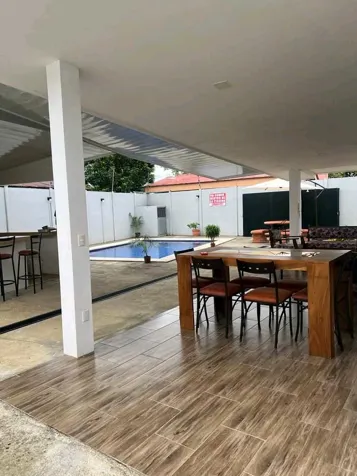
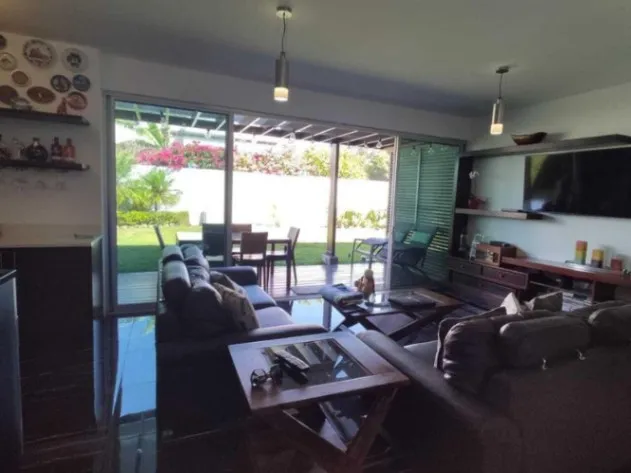
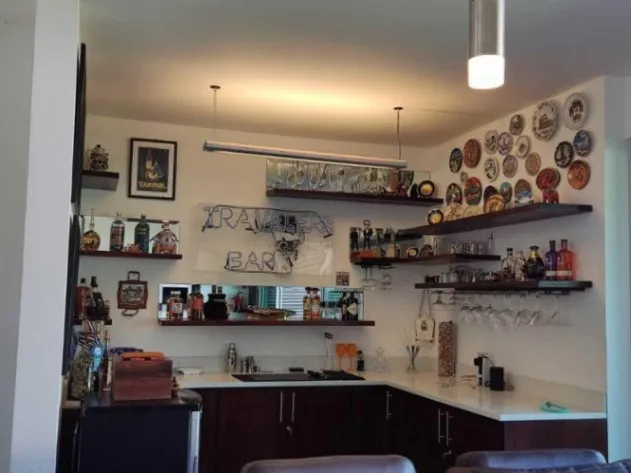
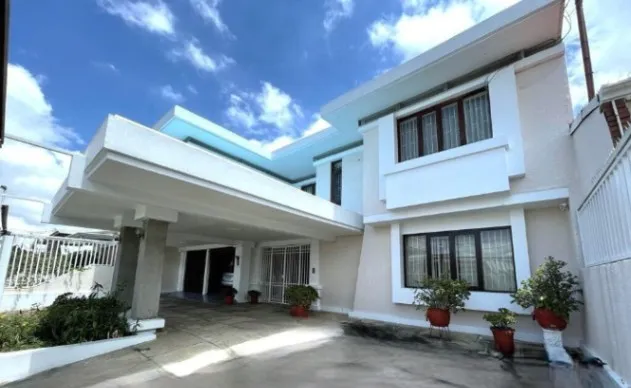
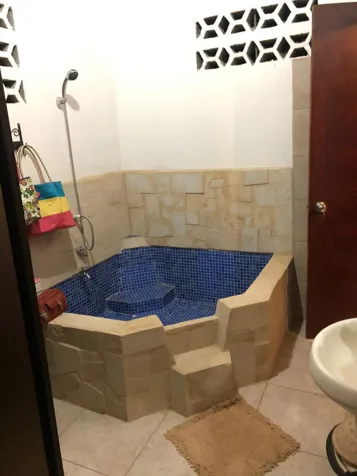
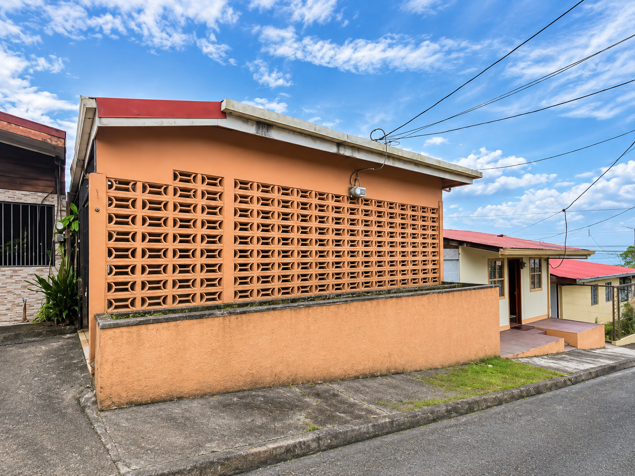
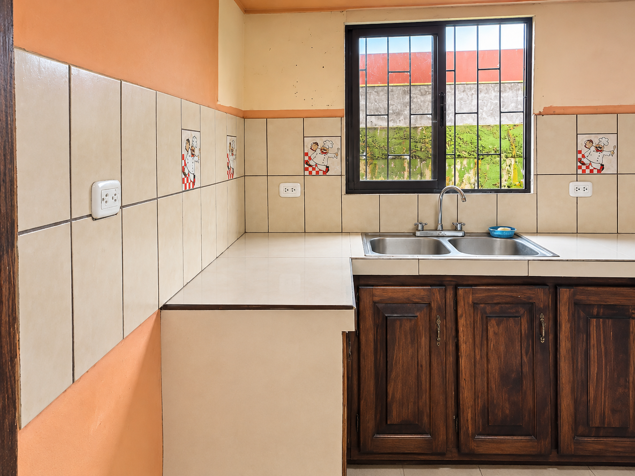
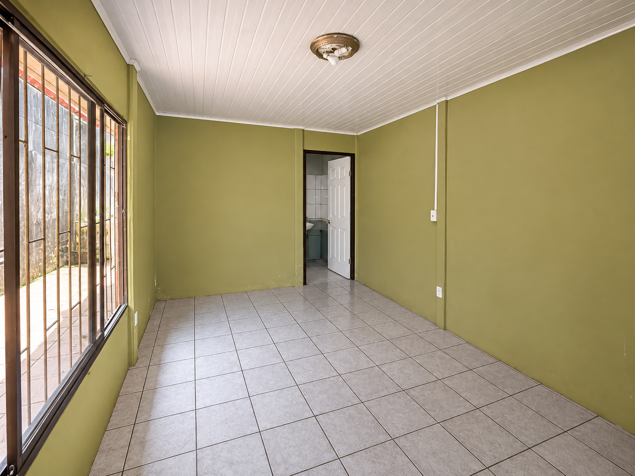
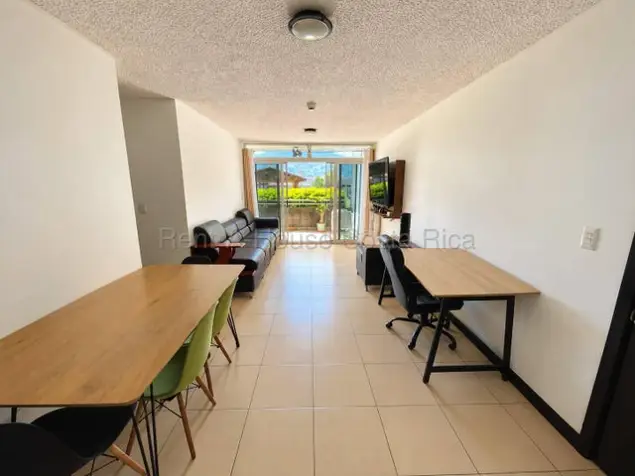
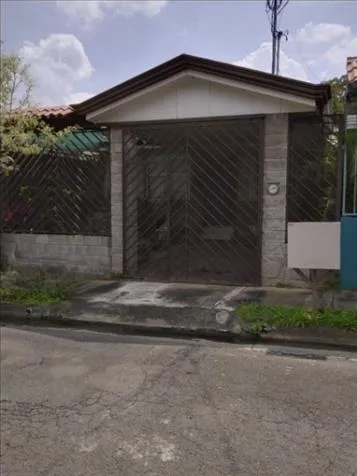
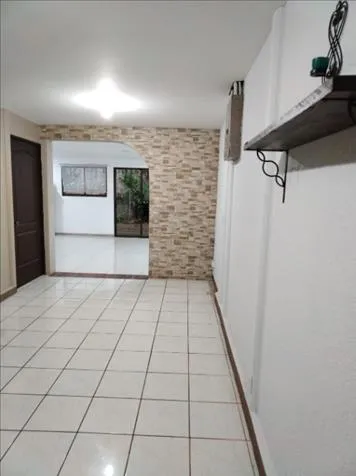
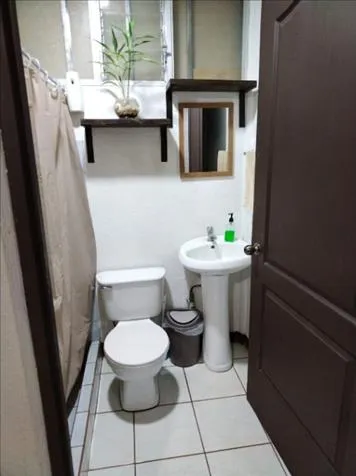
- Houses: check condition, roof, plumbing and legal access.
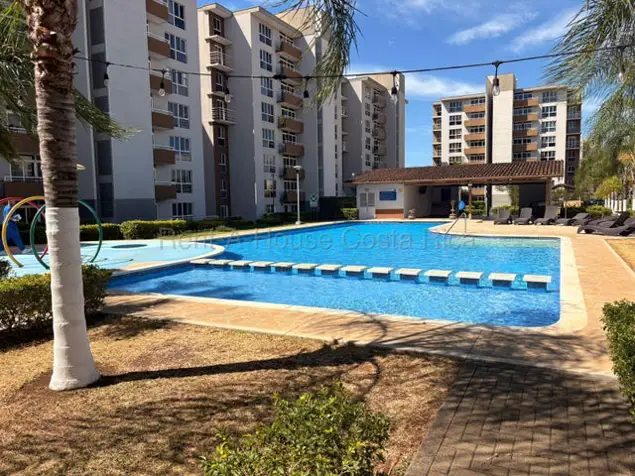
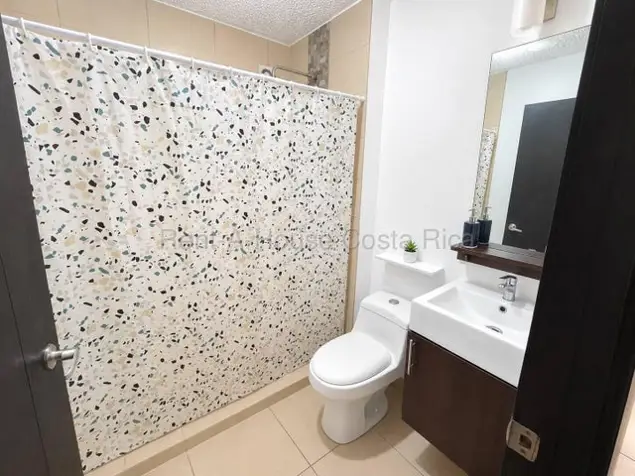
- Apartments or condos: ask about monthly fees and the bylaws.
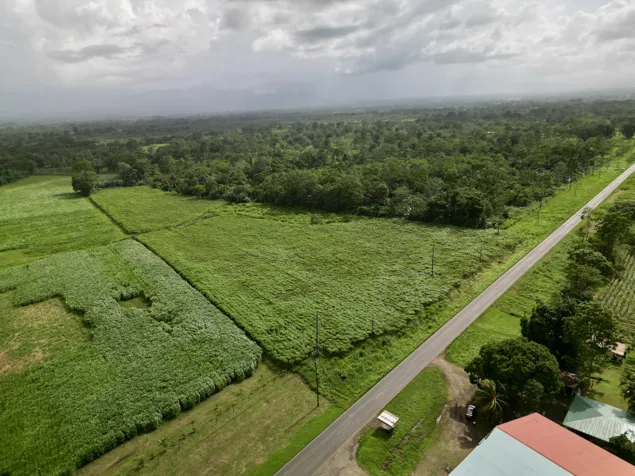
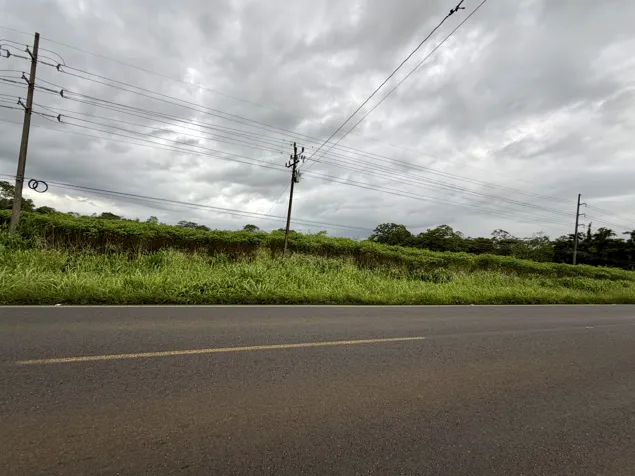
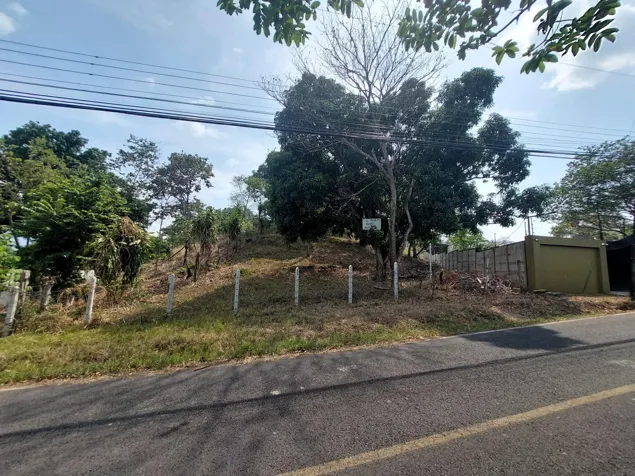
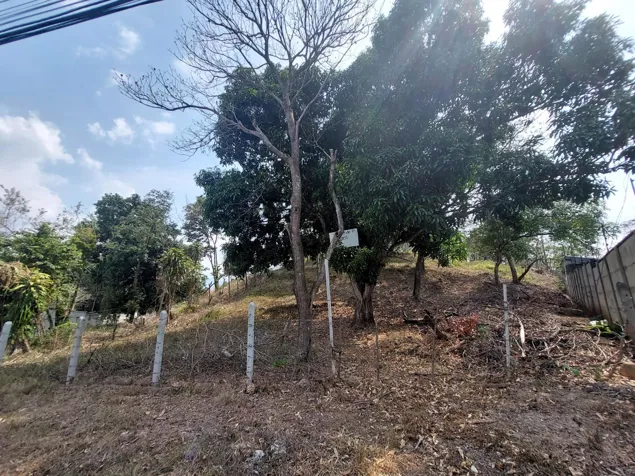
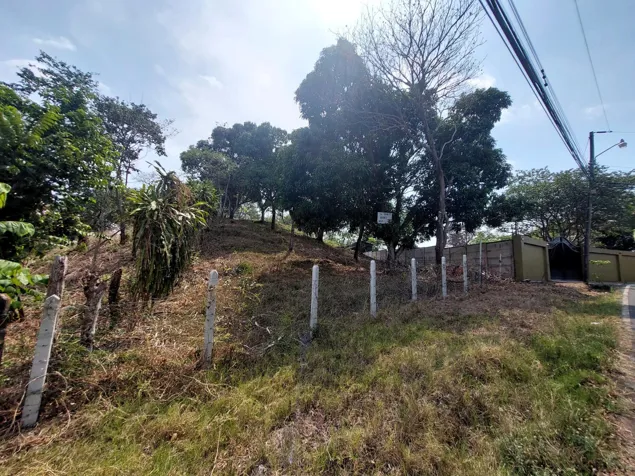
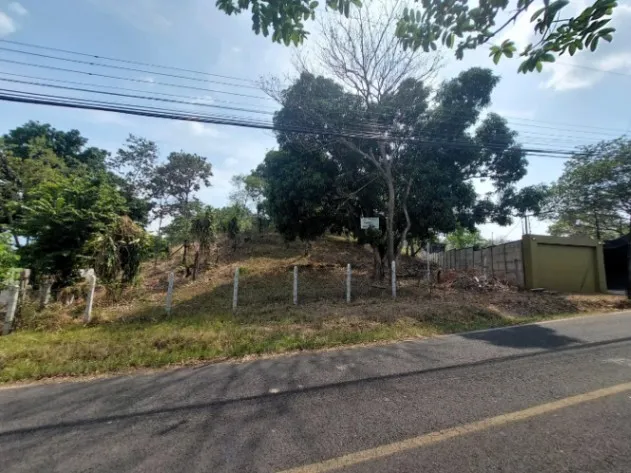
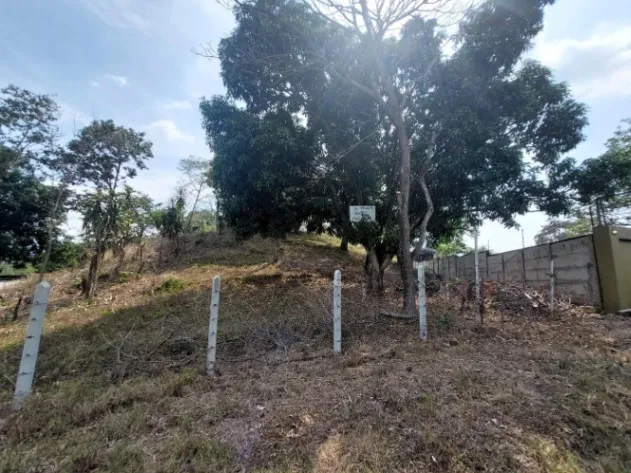
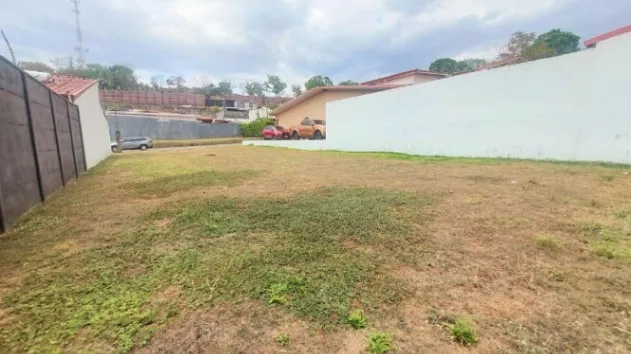
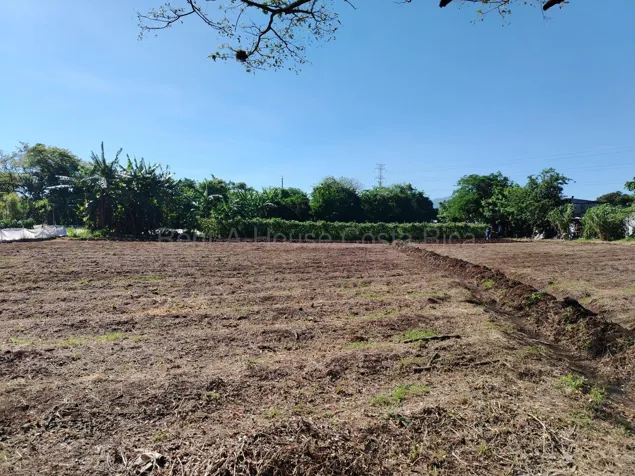
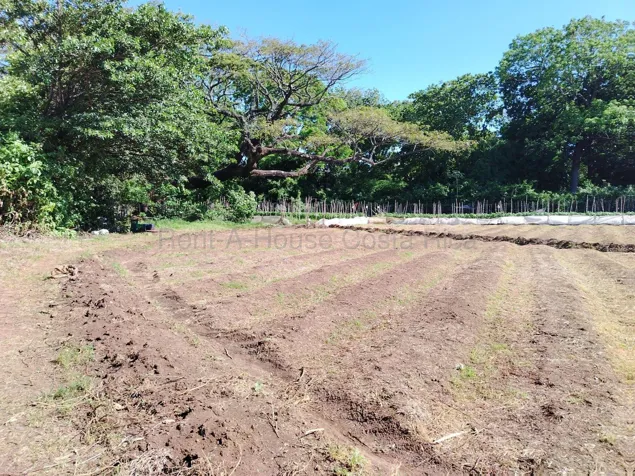
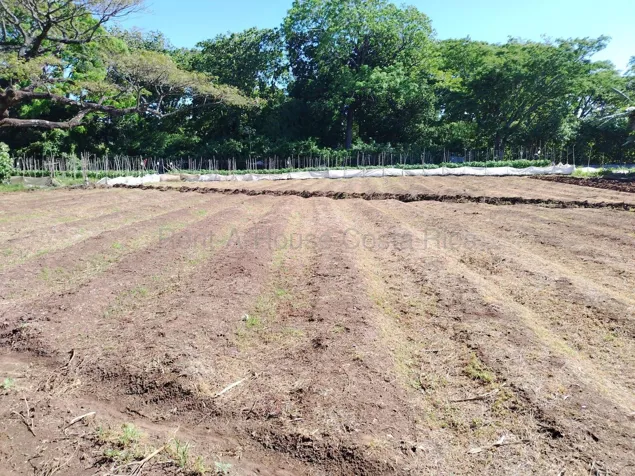
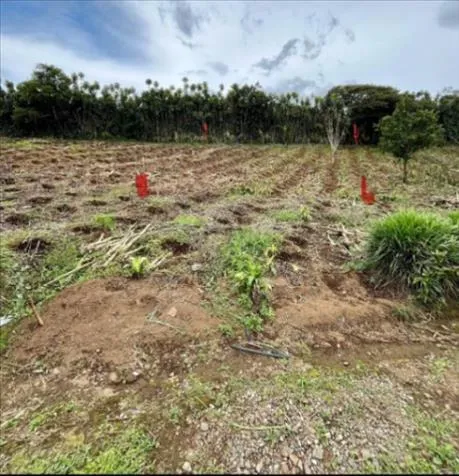
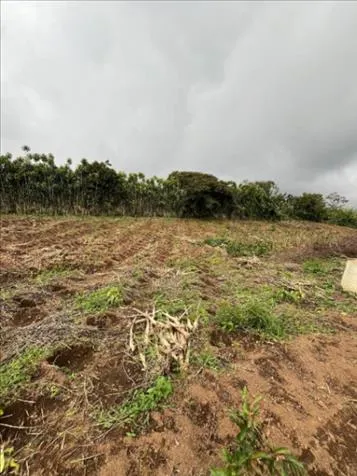
- Lots and land: confirm access, water and electricity.
- Farms: check boundaries, water sources and road access.
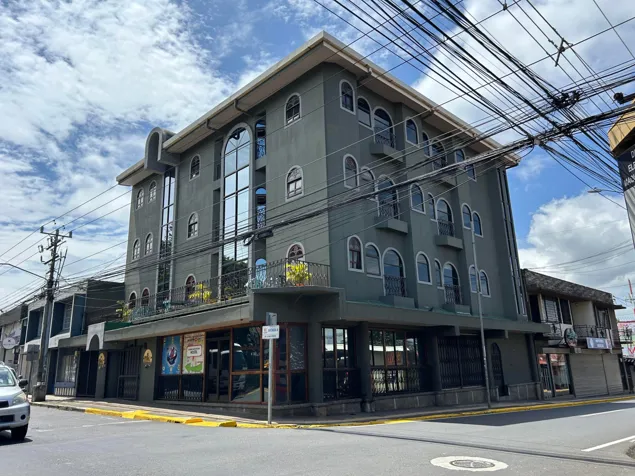
- Commercial spaces, offices, warehouses and buildings: confirm the permitted use and the state of the structure.
When there are enough listings, this page shows above how many of each type are for sale.
Why buy here
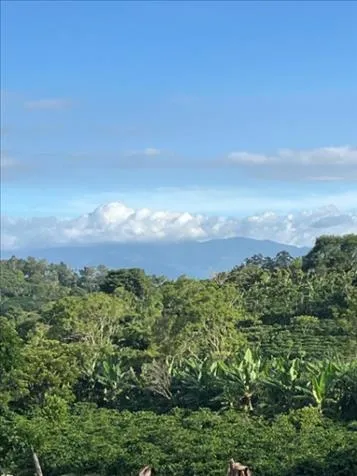
Alajuela is not coastal: it is an inland province, so the beach strip rules do not come into play here. Its cantons are spread across the northern and central parts of Costa Rica, which gives buyers very different settings within a single province, from towns close to the Central Valley to areas farther north.
That variety is the main reason to compare cantons before choosing. Province-level figures say little about a specific property, so the location of each listing matters more than the province as a whole.
What to check before buying
- A title search at the National Registry (Registro Nacional): owner, mortgages, liens and annotations.
- A registered survey plan (plano catastrado) matching the title and the boundaries, size and access you see on the ground.
- A land-use certificate (uso de suelo) from the local municipality and the canton's zoning plan, which say what can be built.
- Property tax (Law 7509) and municipal services paid up to date.
- For lots and farms, written water availability (AyA or the local ASADA) and electricity, plus protection areas around springs and rivers (Forestry Law 7575).
- For condos, the bylaws and proof that fees are paid (Law 7933).
Getting around
The province is formed by these cantons: Alajuela, Atenas, Grecia, Guatuso, Los Chiles, Naranjo, Orotina, Palmares, Poás, Río Cuarto, San Carlos, San Mateo, San Ramón, Sarchí, Upala and Zarcero. Each has its own municipality, which handles permits and local procedures.
Getting around depends on which canton you choose, and real travel time varies with the hour and the road. Visit the area at different times of day before deciding.
How to buy
A purchase usually runs through a real estate agent, a Costa Rican notary and a title search. Compare prices of similar properties in the same canton before making an offer, and ask for the full closing-cost breakdown before signing.
The transfer is done by public deed before a notary and pays the transfer tax (Law 6999). Foreigners can own titled property with the same rights as citizens (Article 19 of the Constitution), with the exceptions the law sets. Agencies and agents with listings in the zone appear further down this same page.