San Juan, Poás, Alajuela real estate: investing guide
Overview
San Juan, Poás, Alajuela real estate is the market for the second district of the canton of Poás, in the province of Alajuela, Costa Rica. The district covers 16.4 km² (6.3 sq mi) and uses postal code 20802. Its district seat village is San Juan Sur.
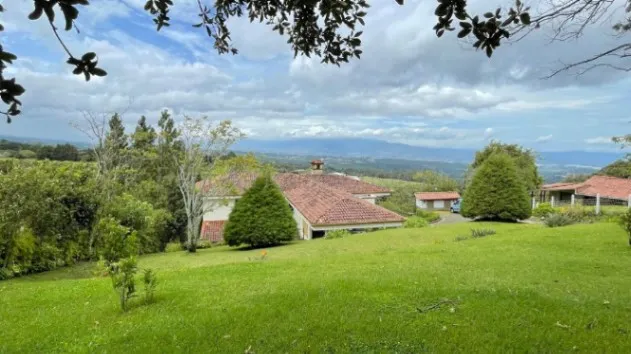
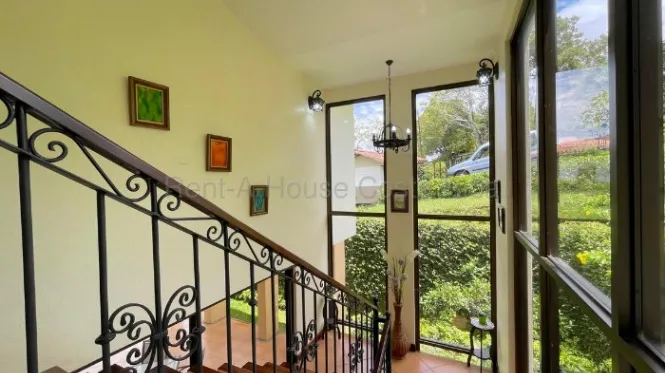
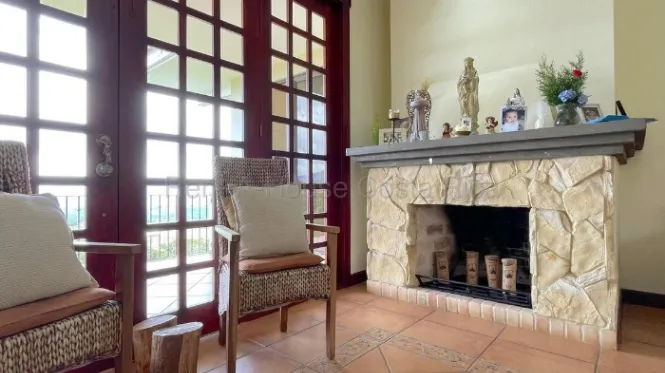
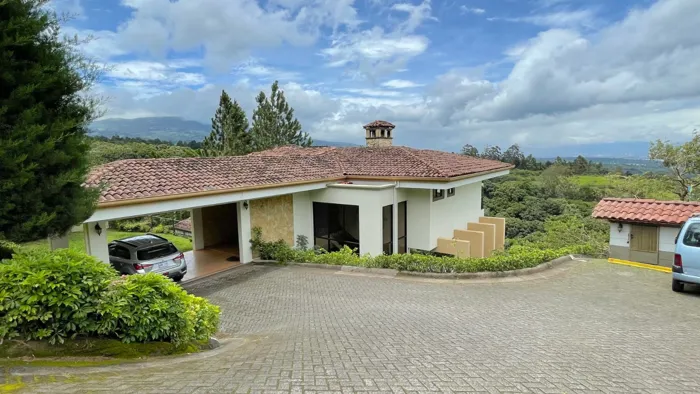
The property type currently listed for sale is houses, so buying here mostly means a home to live in or a house to rent out later. A purchase is a long-term investment, and the zone is best understood before you compare individual listings.
What people buy here
Because houses are what is listed, the clearest profile is the buyer who wants a home: a primary residence, or a second home for part of the year in the Costa Rica highlands.
A second profile is buying a house to rent out later. That is investing in income, so check that the property suits the tenants you have in mind and that local rules allow your intended use. Lots to build or farms are not listed at the moment, so a build-your-own plan would depend on what appears later.
Advertisements
Property types
Only houses are listed for sale in the zone right now. When there are enough listings, this page shows above how many are listed and typical prices.
- Condition: look at the roof, walls, plumbing and electrical system, and ask for any repair history.
- Access: confirm how you reach the house year-round and whether the road is public.
- Water: ask which provider supplies the house and whether the connection is in the owner's name.
- Size: compare the built area and the lot with what the registered plan states.
Why buy here
The district sits inland, so it is not coastal, and it belongs to the Alajuela province in Costa Rica's Central Valley highlands. That means no coastal strip rules apply to the land.
In a straight line, the canton seat of San Pedro is 6.3 km (3.9 mi) away, downtown San José is 28.5 km (17.7 mi) and Juan Santamaría International Airport (SJO) is 15.8 km (9.8 mi). Those figures show a location within reach of the capital and the main airport, which matters for owners who travel often.
What to check before buying
Before signing, these checks apply to a house purchase here:
- A title search at the National Registry (Registro Nacional): who owns the property and whether it carries mortgages, liens or annotations.
- A registered survey plan (plano catastrado) that matches the title and what you see on the ground, including boundaries, size and access.
- A land-use certificate (uso de suelo) from the Municipalidad de Poás and, where one exists, the canton's zoning plan.
- Property tax (Law 7509) and municipal services paid up to date.
- Transfer by public deed before a Costa Rican notary, with the transfer tax (Law 6999); ask for the full closing-cost breakdown first.
Foreigners can own titled property with the same rights as citizens (Article 19 of the Constitution), with the exceptions the law sets.
Getting around
San Juan borders Sarapiquí (canton of Alajuela), San Isidro (canton of Grecia), San José (canton of Grecia), San Pedro, San Rafael, Sabana Redonda and Toro Amarillo (canton of Sarchí). Knowing these neighbors helps you judge where daily errands might lead.
The official villages include Altura, Corazón de Jesús, Guapinol, Mastate, San Juan Norte and Tablones. Real travel time depends on the hour and the road, so drive the route yourself at the times you would use it before deciding.
How to buy
A purchase is usually organized with a local agent to shortlist houses and compare asking prices, and a Costa Rican notary who handles the title search, the deed and the registration. Visit more than one house to see how price relates to size, condition and access.
Agencies and agents with listings in the zone appear further down this same page. Ask each one for the property's registry data and survey plan early, and have the notary confirm everything before you pay a deposit.