

San Carlos, Alajuela real estate: investing guide
Overview
Buying San Carlos, Alajuela real estate means looking at one of the largest cantons in Costa Rica, covering 3358.5 km² (1296.7 sq mi) in the province of Alajuela. It is made up of 13 districts, so the market is varied: town properties, rural land and commercial buildings all appear in the same canton.
The local authority is the Municipalidad de San Carlos. Because the canton is so large, a purchase here is a long-term investment that depends heavily on which district the property sits in, and the first step is to understand the zone before comparing individual properties.
What people buy here
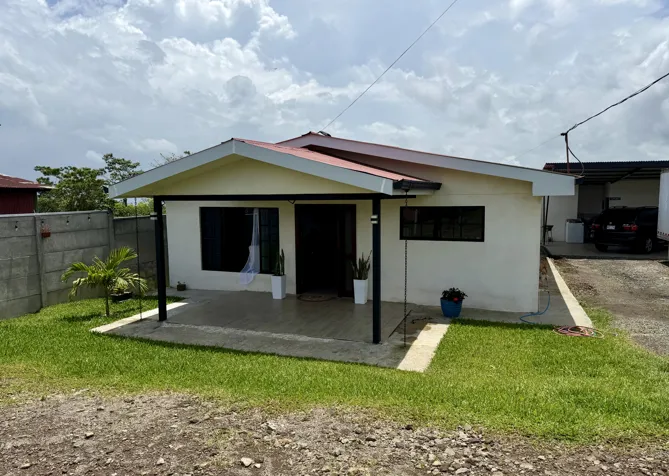
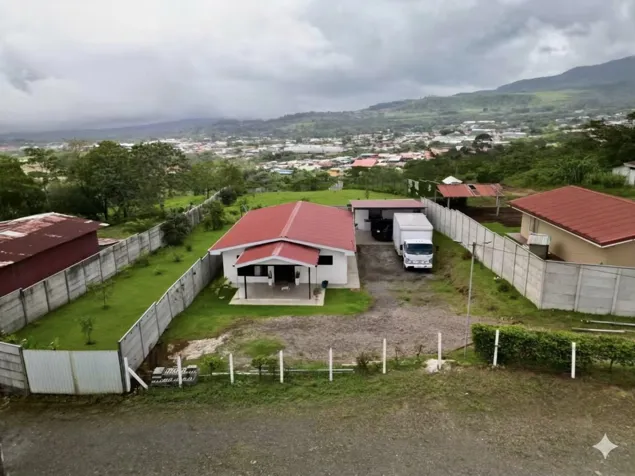
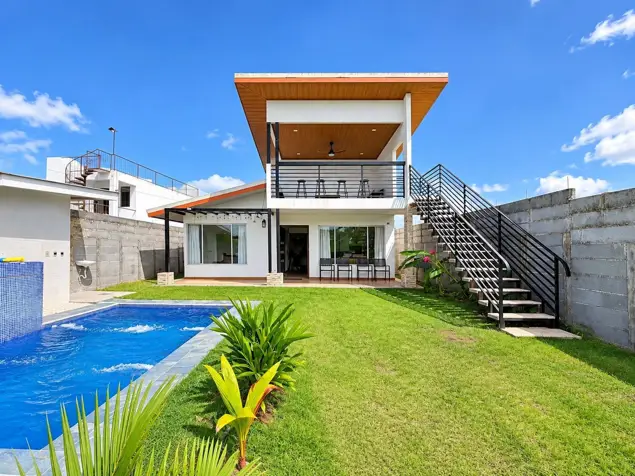
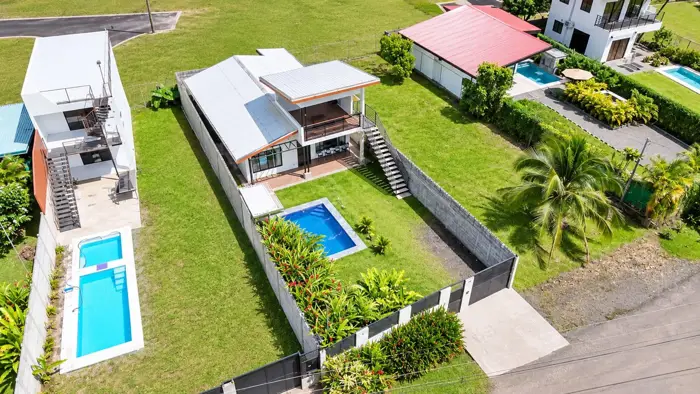
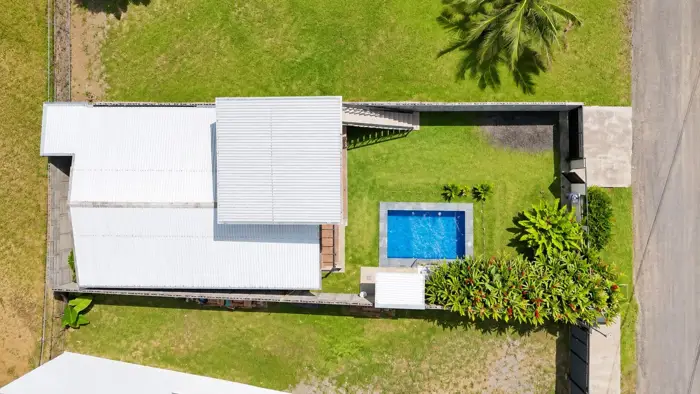
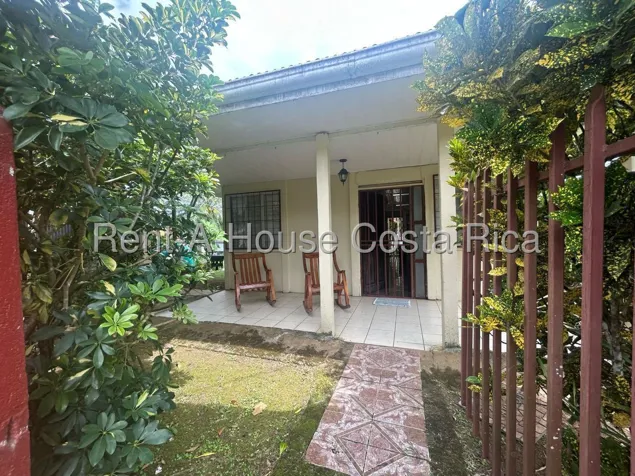
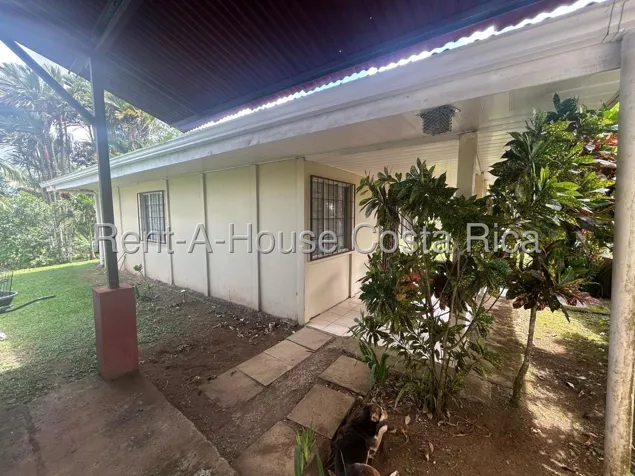
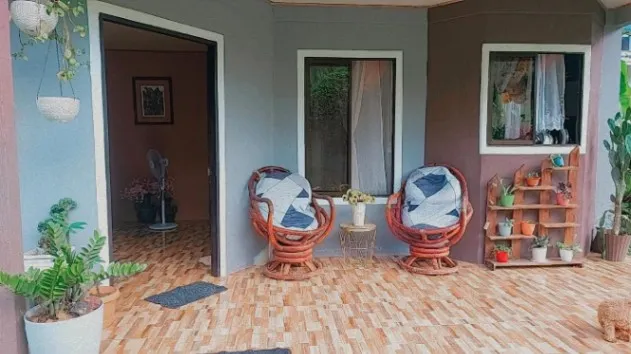
The mix of property types listed suggests several buyer profiles. Someone who wants a home to live in can look at houses, or at apartments and condos. Those planning to build can look at lots and land, while farms suit buyers who want working or rural property.
Buyers who plan to rent out later can consider houses, apartments, commercial spaces, warehouses or buildings, since the canton also has rental activity in those categories. Buying to rent is investing, and rental income is only a possibility, not a given, so compare each property on its own terms.
Property types
For sale in the canton you will find the following types, each with its own points to check:
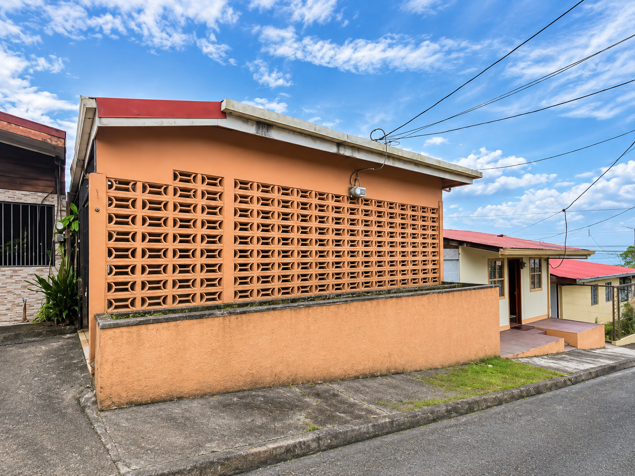
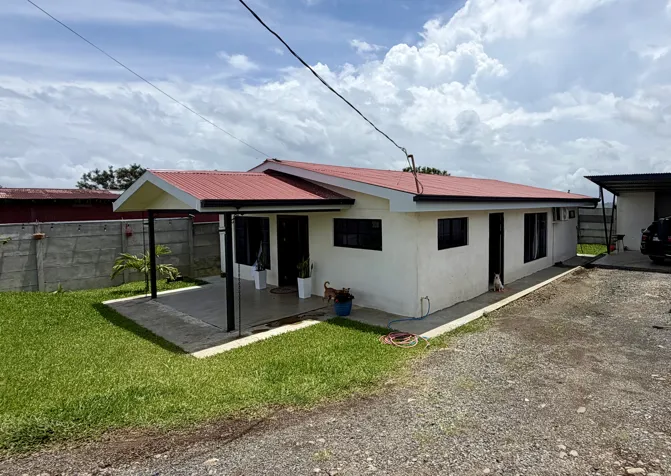
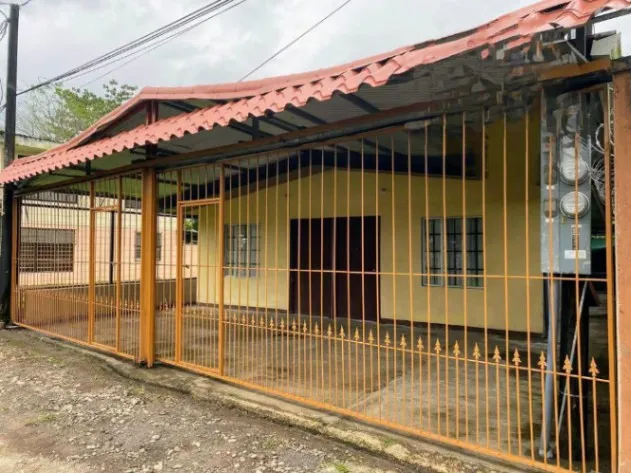
- Houses: structural condition, roof, drainage, and legal access to the street.
- Apartments or condos: monthly fees, what they cover, and the building bylaws.
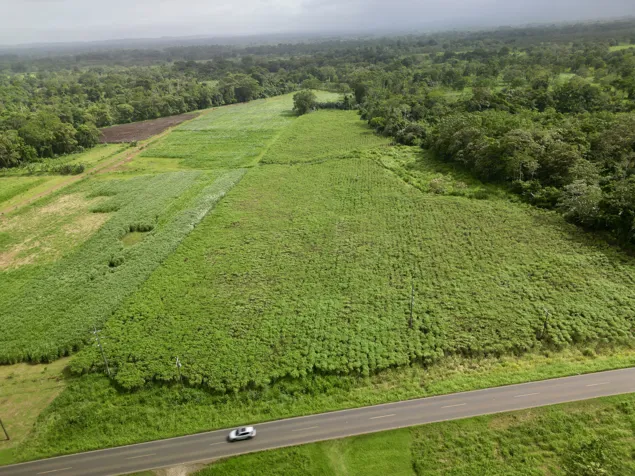
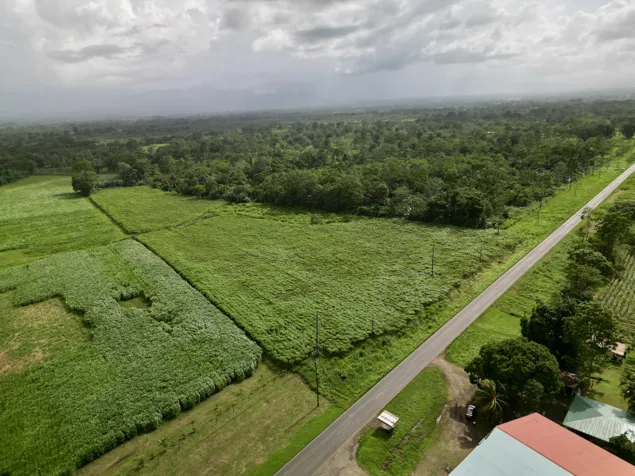
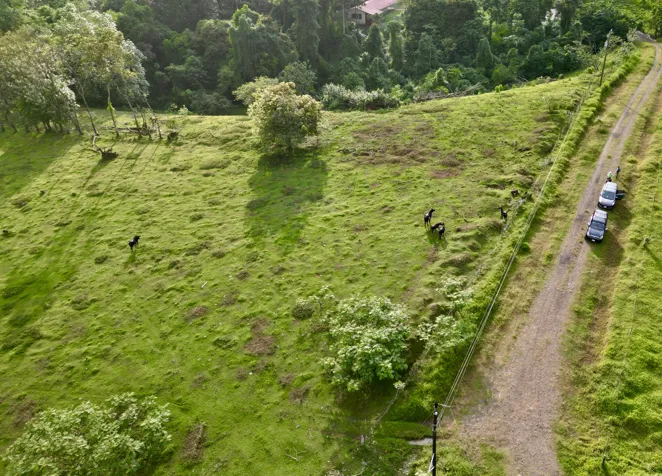
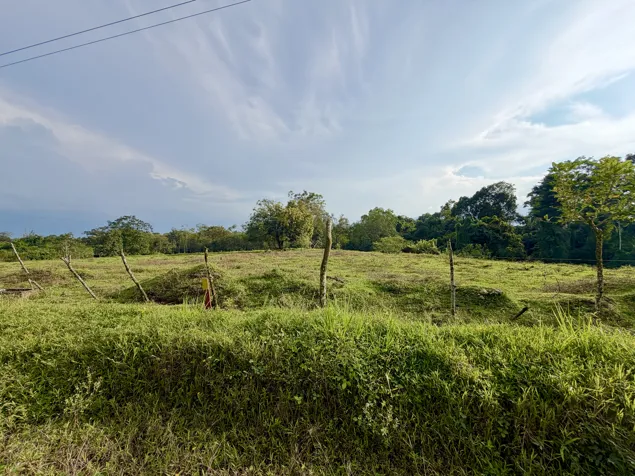
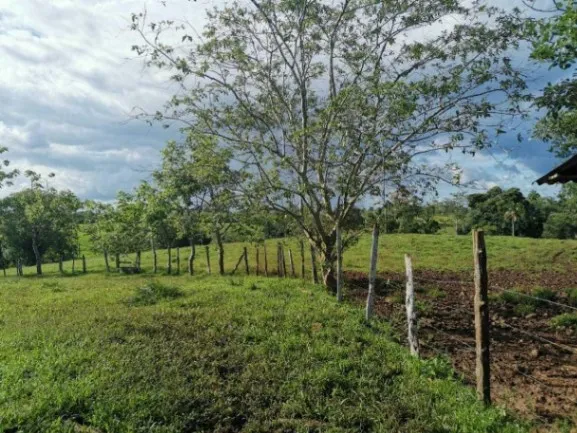
- Lots and land: access, slope, water and electricity availability.
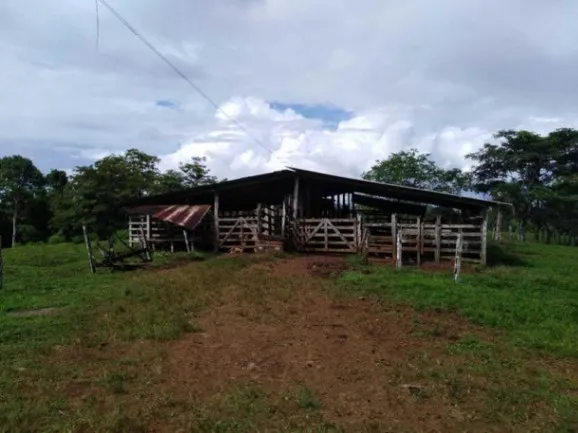
- Farms: boundaries, internal roads, water sources and how much of the land is usable.
- Commercial spaces, warehouses and buildings: permitted use, loading access, parking and condition of the installations.
When there are enough listings, this page shows above how many of each type are for sale.
Why buy here
San Carlos is an inland canton, not a coastal one, in the province of Alajuela in the northern part of Costa Rica. In a straight line it lies 82.9 km (51.5 mi) from downtown San José, and 70.7 km (43.9 mi) from Juan Santamaría International Airport (SJO).
Those figures show it is within reach of the capital and the main airport, yet far enough to have its own rural and town character. Since it is not coastal, the maritime-terrestrial zone rules do not apply here.
What to check before buying
- A title search at the National Registry (Registro Nacional) to confirm the owner and any mortgages, liens or annotations.
- A registered survey plan (plano catastrado) that matches the title and the boundaries, size and access you see on the ground.
- A land-use certificate (uso de suelo) from the Municipalidad de San Carlos and, where one exists, the zoning plan, to know what can be built.
- Property tax (Law 7509) and municipal services paid up to date.
- For lots and farms, written water availability from AyA or the local ASADA, electricity, and protection areas around springs and rivers (Forestry Law 7575).
- For condos, the bylaws and proof that fees are paid (Law 7933).
Getting around
The canton is made up of 13 districts: Quesada, Florencia, Buenavista, Aguas Zarcas, Venecia, Pital, La Fortuna, La Tigra, La Palmera, Venado, Cutris, Monterrey and Pocosol. Correct spelling aside, each district has its own setting, so it helps to decide which areas fit your plans before visiting.
Real travel time between districts, or toward the capital, depends on the hour and the condition of the road. Visit at different times of day before deciding, especially if you plan to commute or run a business.
How to buy
A purchase usually starts by defining what you want to buy and in which district, then comparing similar properties to understand asking prices. A local agent can help with that and with arranging visits. Agencies and agents with listings in the zone appear further down this same page.
The transfer is done by public deed before a Costa Rican notary and pays the transfer tax (Law 6999), so ask for the full closing-cost breakdown before signing. Foreigners can own titled property in Costa Rica with the same rights as citizens (Article 19 of the Constitution), with the exceptions the law sets.