

Jesús María, San Mateo, Alajuela real estate: investing guide
Overview
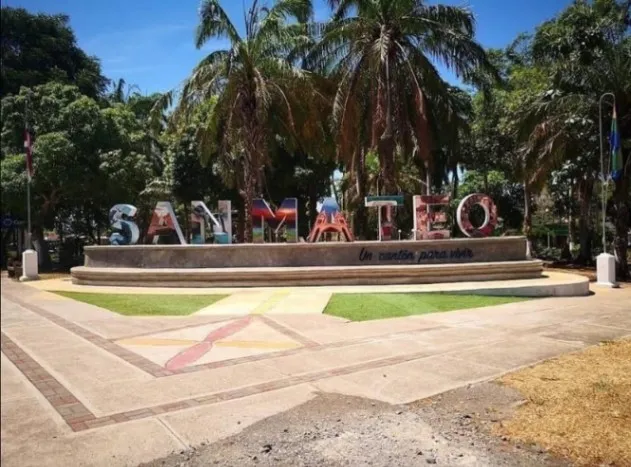
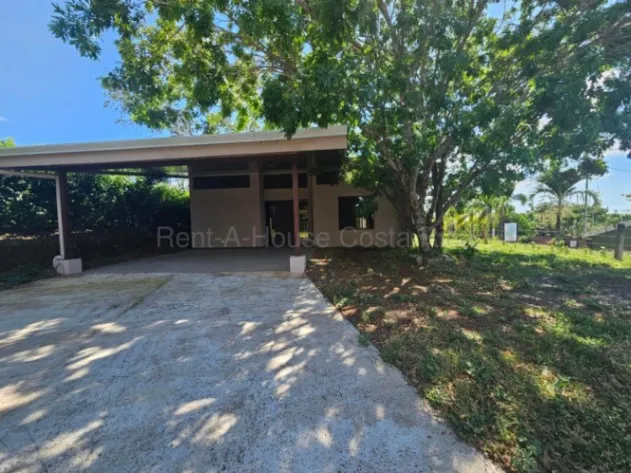
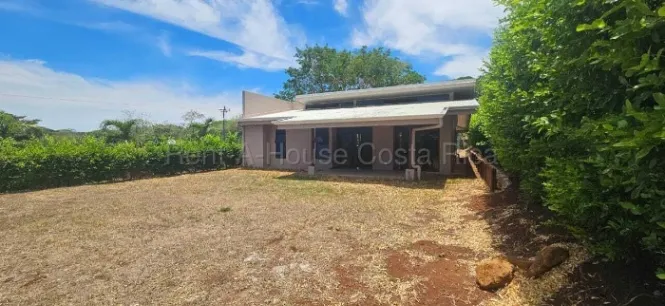
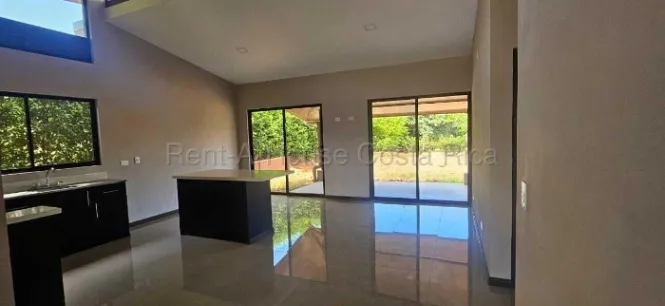
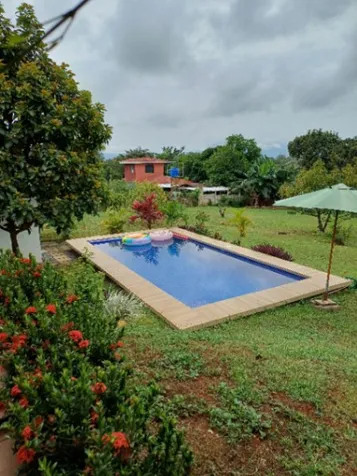
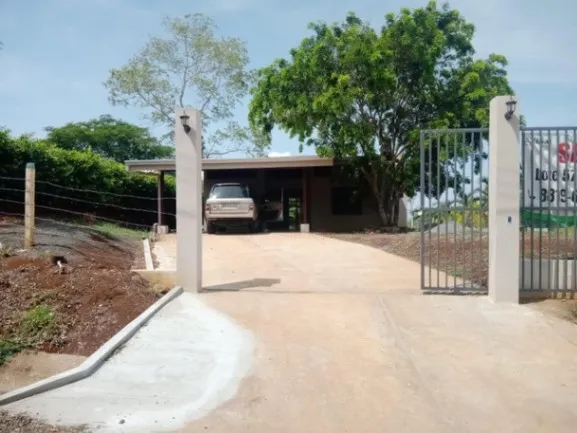
Jesús María, San Mateo, Alajuela real estate covers a district in the canton of San Mateo, in the province of Alajuela, Costa Rica. It is the third district of the canton, covers 18.7 km² (7.2 sq mi) and uses postal code 20403. The listings are houses, lots and land, and farms, so purchases here usually mean a home, a plot to build on, or rural land. A purchase is a long-term investment, and the details of each property matter more than the district name.
What people buy here
Based on what is listed, three buyer profiles make sense. The first is buying a house to live in, whether as a full-time resident or as a base while relocating from abroad. The second is buying a lot to build a home to your own plan, which means budgeting for permits and utilities. The third is a farm, for someone who wants rural land for personal use or small-scale production.
Buying a house to rent out later is also possible, though the rental market here is not shown in the pack, so treat any income as an estimate to verify locally.
Property types
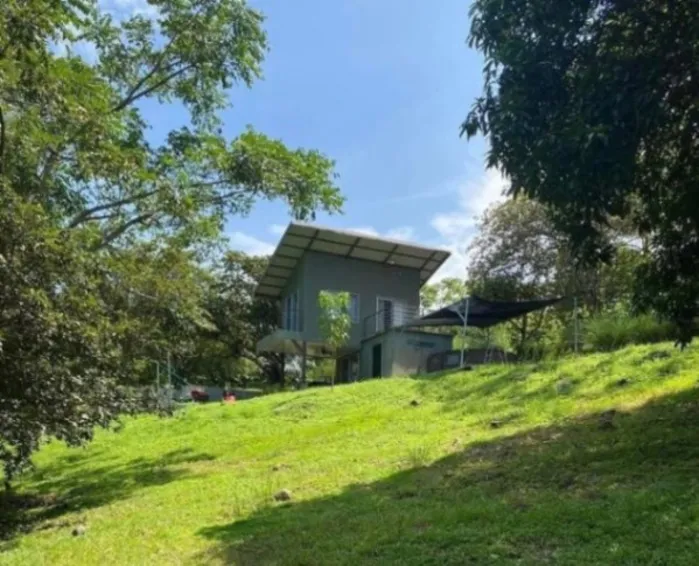
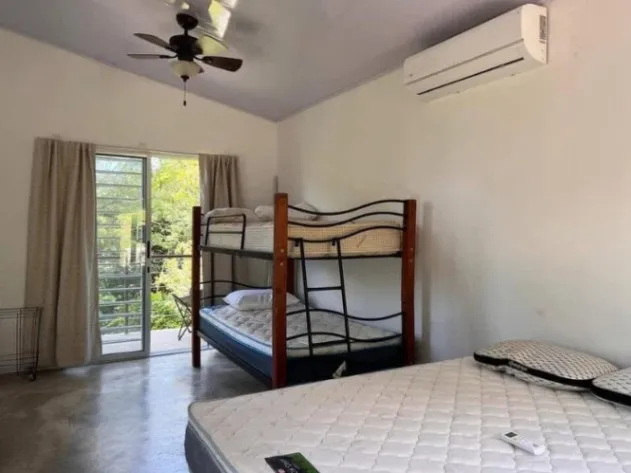
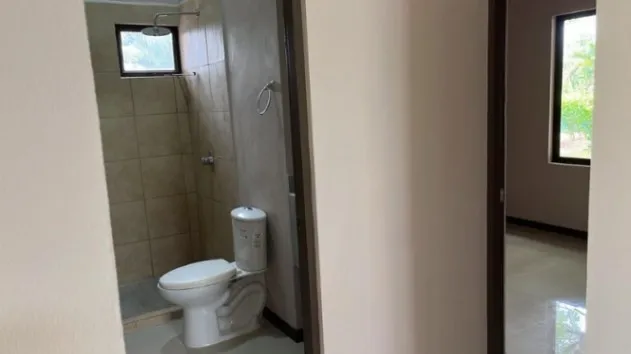
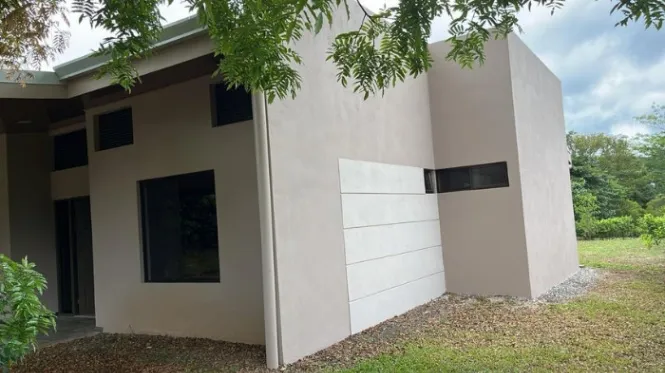
- Houses: check the structure, roof, plumbing and wiring, how the property is reached, and whether the water supply is steady.
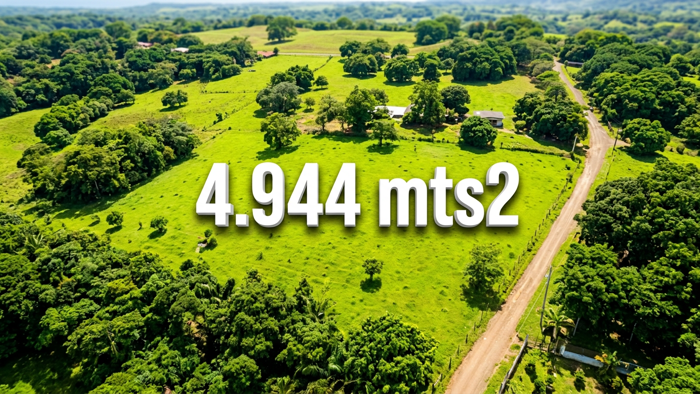
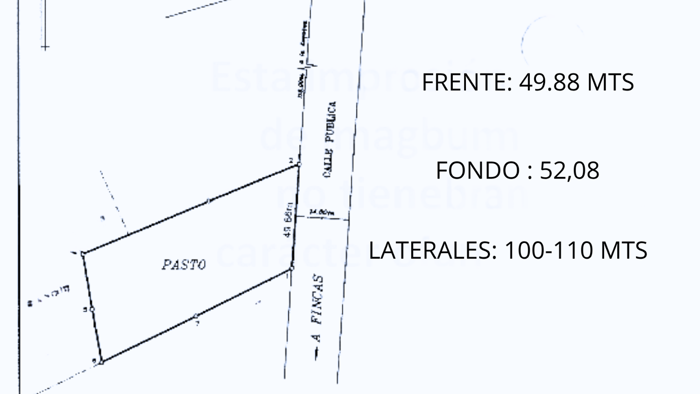
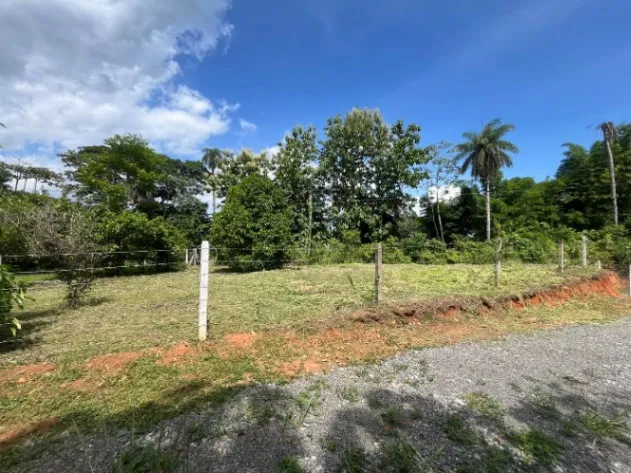
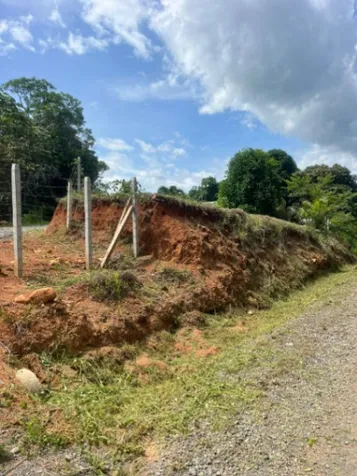
- Lots and land: check the access, the shape and slope of the ground, and whether water and electricity reach the boundary. Confirm what the zoning allows you to build.
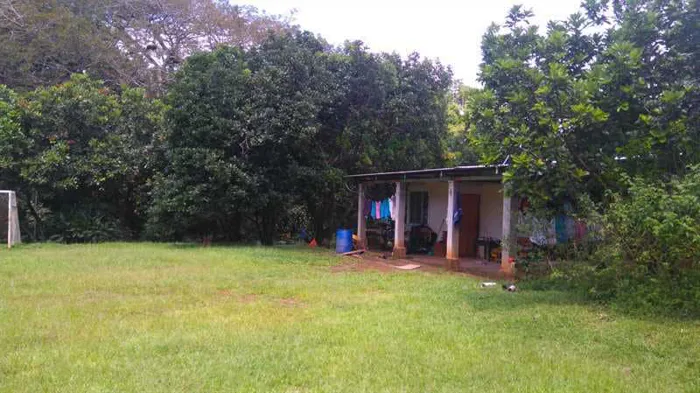
- Farms: check the legal access, the water sources, the boundaries and the buildings on the land. Ask which parts are usable and which are protected.
When there are enough listings, this page shows above how many of each type are for sale and typical prices.
Why buy here
Jesús María is an inland district, not a coastal one, so the beach-zone rules do not apply here. It lies in the province of Alajuela, in the central-Pacific side of the country's interior.
The canton seat, San Mateo, is 5.9 km (3.7 mi) away in a straight line. Downtown San José is 56.5 km (35.1 mi) away in a straight line, and Juan Santamaría International Airport (SJO) is 41.3 km (25.7 mi) away in a straight line. That puts the district within reach of the capital and the main airport while keeping a rural setting.
What to check before buying
- A title search at the National Registry (Registro Nacional) shows the owner and any mortgages, liens or annotations.
- A registered survey plan (plano catastrado) should match the title and what you see on the ground, including boundaries, size and access.
- A land-use certificate (uso de suelo) from the Municipalidad de San Mateo, plus the canton's zoning plan where one exists, says what can be built.
- For lots and farms, get written water availability from AyA or the local ASADA, confirm electricity, and request building permits from the local authority.
- Check protection areas around springs and rivers (Forestry Law 7575) and whether the land lies inside or next to a protected wildlife area.
- Property tax (Law 7509) and municipal services should be paid up to date.
Getting around
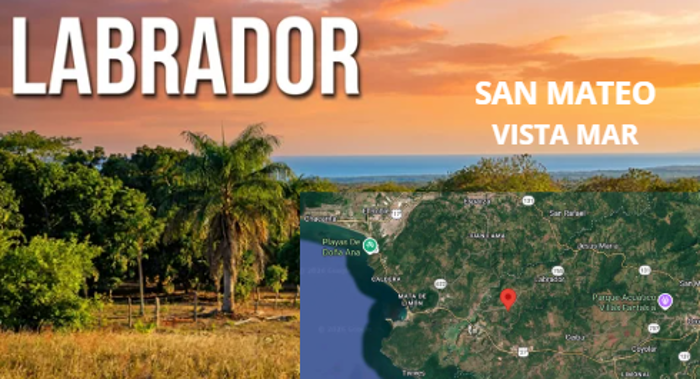
The district borders San Mateo, Labrador, La Ceiba (canton of Orotina) and San Rafael (canton of Esparza). Its official villages are Garabito, Quebrada Grande and Quinta, which help when you locate a property on a map or a deed.
Real travel time depends on the hour and on the state of the road, so drive the route to a property at the times you would normally travel before deciding.
How to buy
Start by working with a local agent who knows the area, and compare several properties of the same type before making an offer. Agencies and agents with listings in the zone appear further down this same page.
The transfer is done by public deed before a Costa Rican notary and pays the transfer tax (Law 6999). Ask for the full closing-cost breakdown before signing. Before investing, have the notary or a lawyer run the title search first. Foreigners can own titled property in Costa Rica with the same rights as citizens (Article 19 of the Constitution), with the exceptions the law sets.