Upala, Alajuela real estate: investing guide
Overview
Upala, Alajuela real estate covers the canton of Upala in the province of Alajuela, Costa Rica, an area of 1596.6 km² (616.5 sq mi). The canton is made up of eight districts, and the listings here are houses, lots and land, and farms. That mix suits buyers who want a home with space around it, land to build on, or a working property. A purchase here is a long-term investment, so it helps to understand the canton before looking at individual properties.
What people buy here
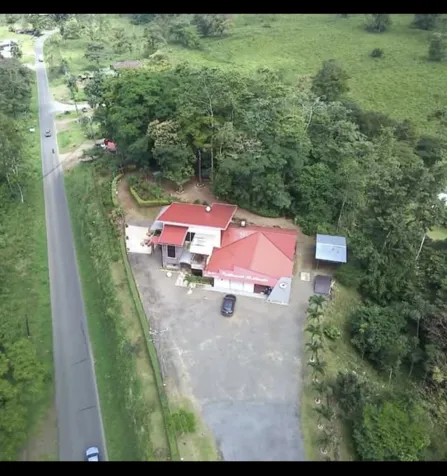
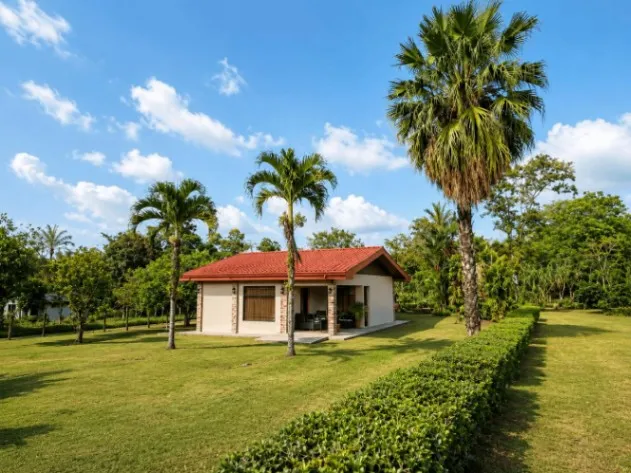
Given what is listed, three buyer profiles make the most sense. The first is the own home: a house for someone who plans to live in the canton, whether full time or for part of the year. The second is the lot to build on, for buyers who want to design their own house and are willing to handle permits and utilities.
The third is the farm, for people who want land for agriculture or livestock, or simply a large rural property. Buying a house to rent out later is also possible, but the pack lists no rentals, so income plans should be checked locally and not assumed.
Advertisements
Property types
Three property types are listed for sale. Each calls for different checks:
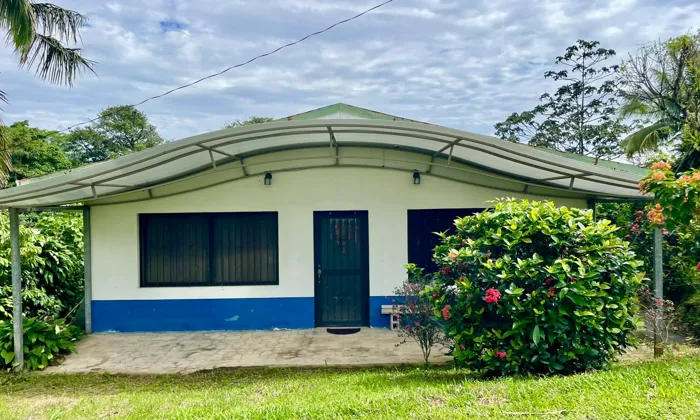
- Houses: structural condition, roof, wiring, plumbing, the type of road access, and whether water service is connected.
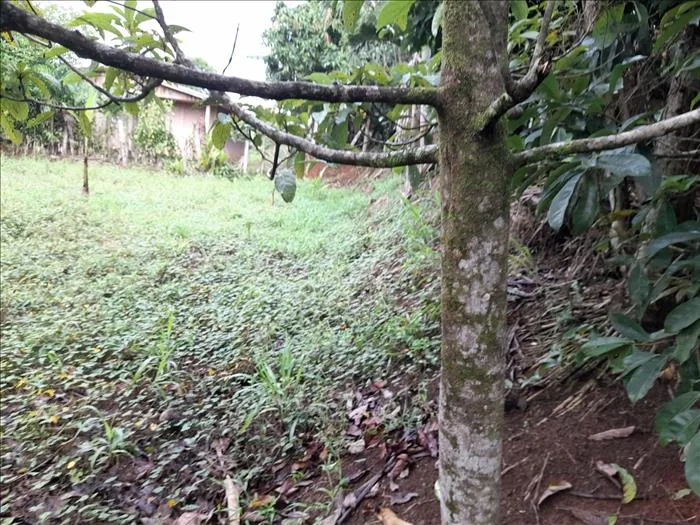
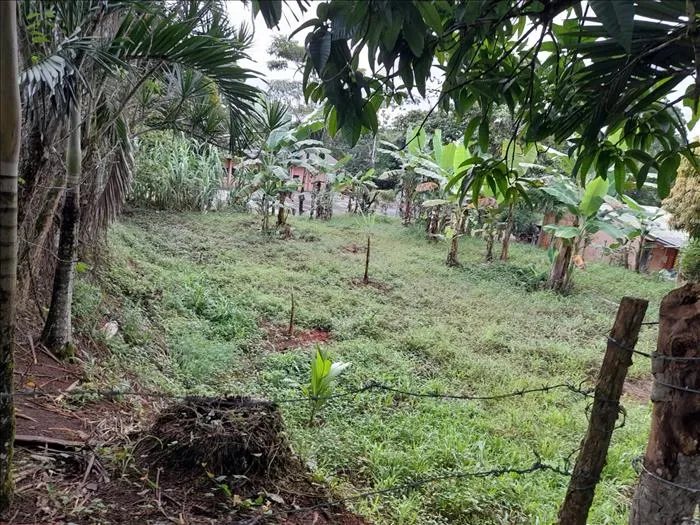
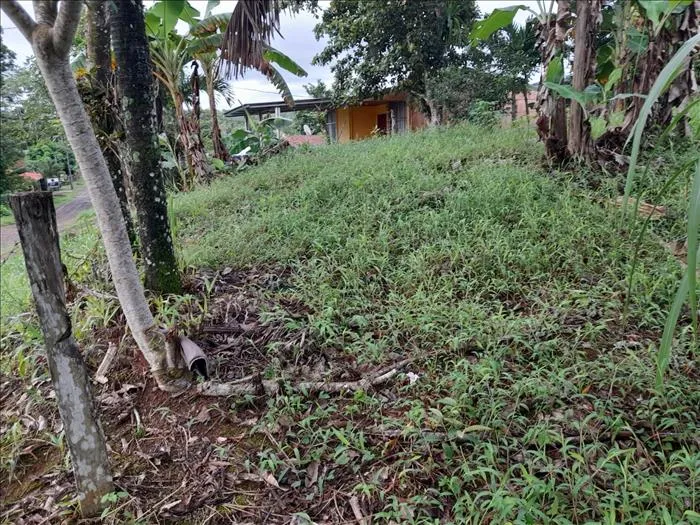
- Lots and land: boundaries, slope, legal access, and whether water and electricity reach the property.
- Farms: size on the registered plan, access in the rainy season, water sources, and any buildings on the land.
When there are enough listings, this page shows above how many of each type are for sale and typical prices.
Why buy here
Upala is not coastal, so the maritime-terrestrial zone rules do not come into play for most purchases here. It sits in the north of Costa Rica, inland, and has its own canton seat in the district of Upala.
In a straight line, the canton is 158.1 km (98.2 mi) from downtown San José. The nearest international airport in the pack is Daniel Oduber International Airport (LIR), 53.8 km (33.4 mi) away in a straight line. These are map distances, not driving distances, but they give a foreign buyer a sense of how far the canton is from the capital and from a main gateway.
What to check before buying
- A title search at the National Registry (Registro Nacional): who owns the property and whether it carries mortgages, liens or annotations. Order it before investing.
- A registered survey plan (plano catastrado) that matches the title and what you see on the ground, including boundaries, size and access.
- A land-use certificate (uso de suelo) from the Municipalidad de Upala and, where one exists, the zoning plan: it states what can be built and for what use.
- Written confirmation of water availability (AyA or the local ASADA) and electricity before buying land to build; building permits come from the municipality.
- Protection areas around springs and rivers (Forestry Law 7575), and whether the land lies inside or next to a protected wildlife area.
- Property tax (Law 7509) and municipal services paid up to date.
Getting around
The canton is made up of eight districts: Upala, Aguas Claras, San José, Bijagua, Delicias, Dos Ríos, Yolillal and Canalete. Each one has its own character and its own access, so a property's district matters as much as the canton itself.
Real travel time between districts, and to the canton seat, depends on the hour and on the state of the road, especially in the rainy season. Visit the property by the route you would use every day before deciding.
How to buy
A purchase usually starts with a local agent who knows the districts and can show you comparable properties, so you can compare prices before making an offer. Agencies and agents with listings in the zone appear further down this same page.
Once you agree on a price, a Costa Rican notary prepares the public deed, and the transfer pays the transfer tax (Law 6999). Ask for the full closing-cost breakdown before signing. Foreigners can own titled property in Costa Rica with the same rights as citizens (Article 19 of the Constitution), with the exceptions the law sets.