Cartago real estate: investing guide
Overview
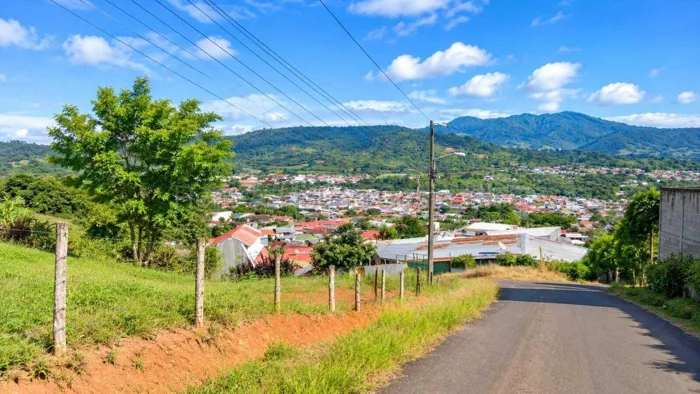
Cartago real estate covers a whole province of Costa Rica, with an area of 3091.5 km² (1193.6 sq mi). It is made up of eight cantons, and the province has no coastline. Buyers here find a wide mix of property: homes, apartments, land, farms and several kinds of commercial buildings.
Because the province is large, a purchase starts with choosing the canton, then the specific property. A home bought for the long term is also an investment, so the choice of area matters as much as the property itself.
What people buy here
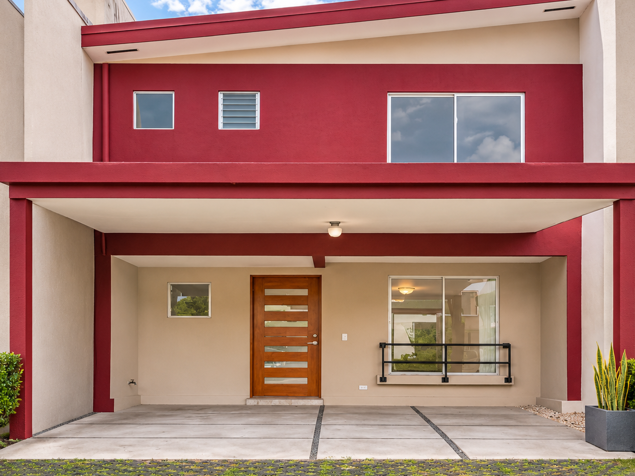
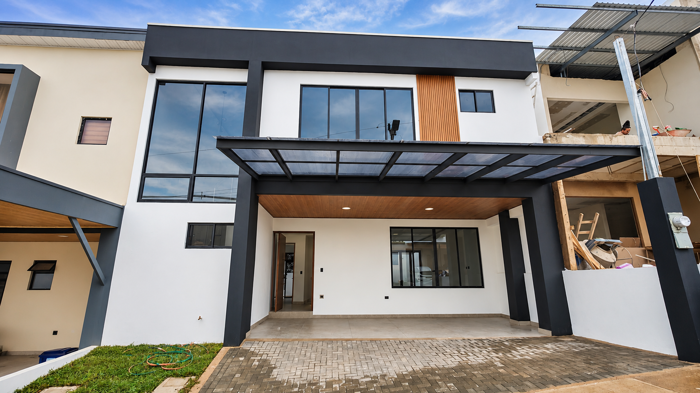
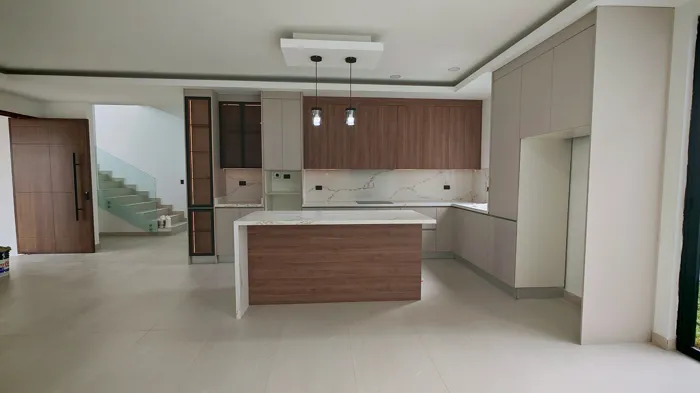
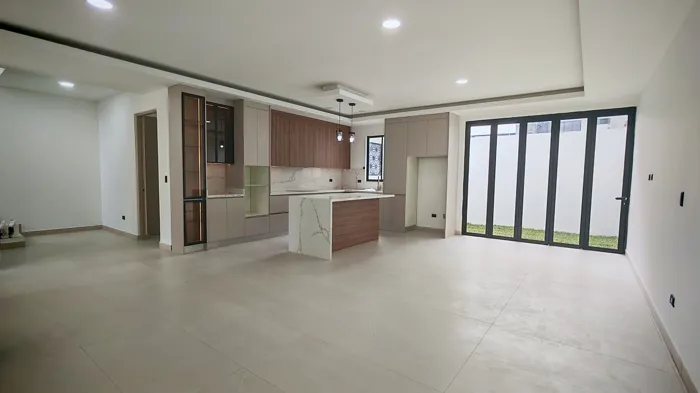
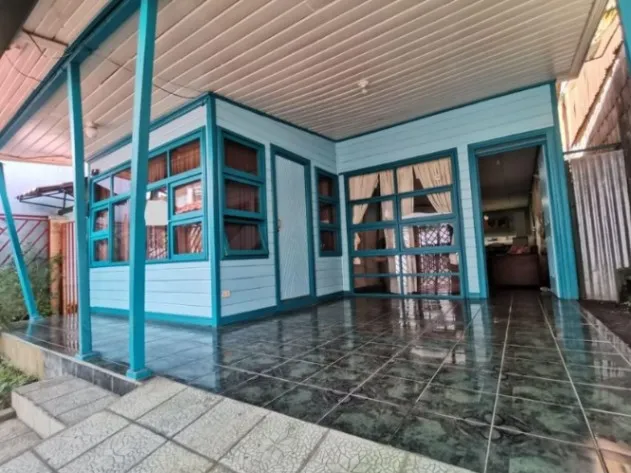
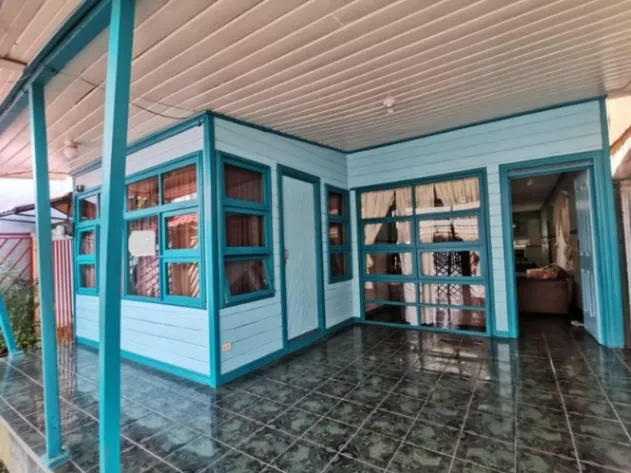
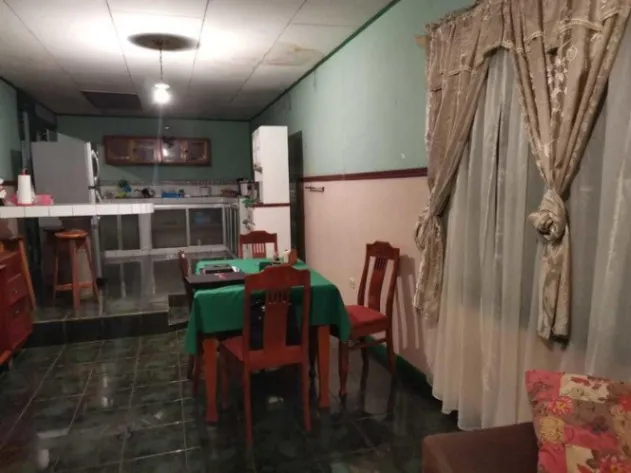
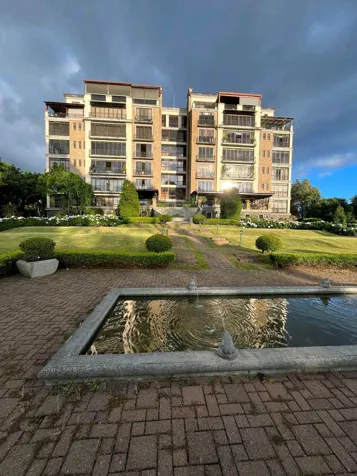
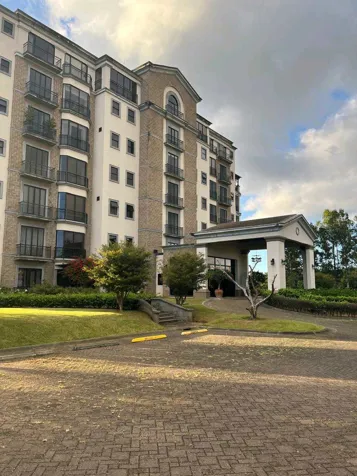
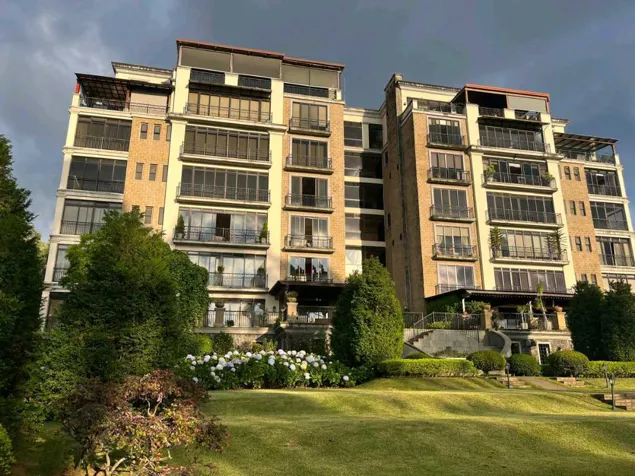
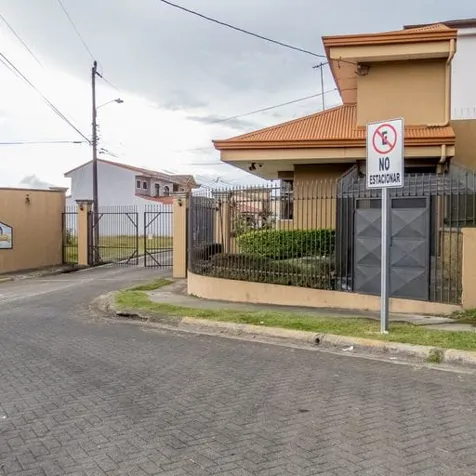
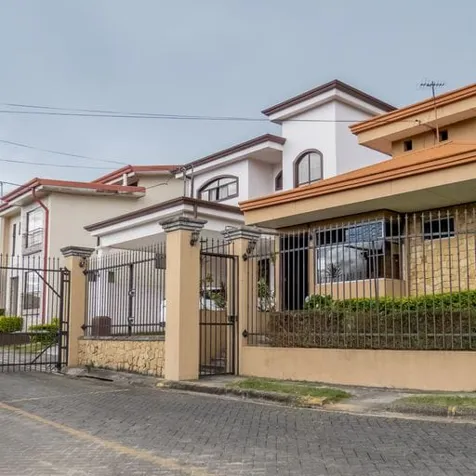
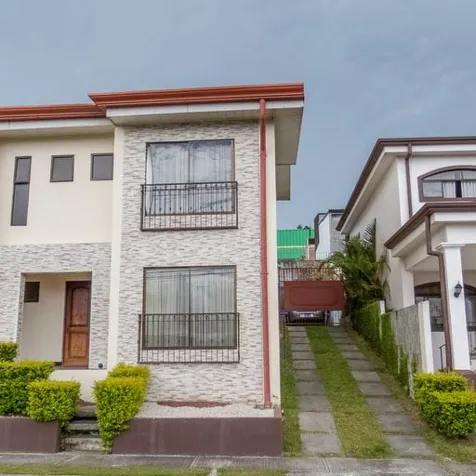
The listed property types point to several buyer profiles. Someone relocating can look at houses or apartments and condos as a primary residence. Those who want to build can focus on lots and land, while farm listings suit buyers who want rural property.
Buyers who plan to rent out later can compare houses and apartments, since rentals also exist in the province for those types; buying to rent is investing, so it helps to think through the use of the property first. Commercial spaces, offices, warehouses and buildings fit people who want a place for a business or a property to lease to others.
Advertisements
Property types
Cartago lists eight types of property for sale. Each one calls for different checks:
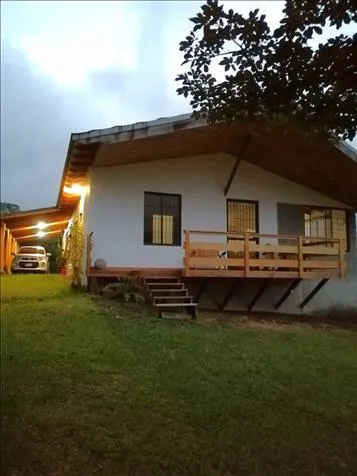
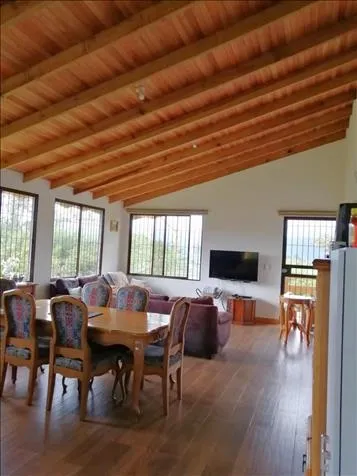
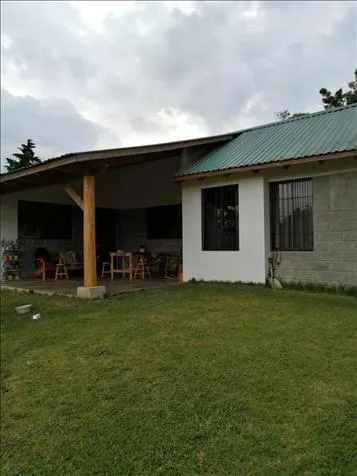
- Houses: structural condition, roof, drainage, and legal access to the street.
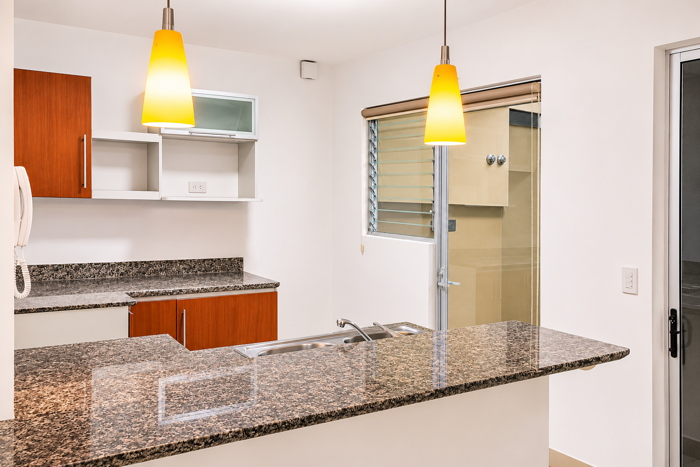
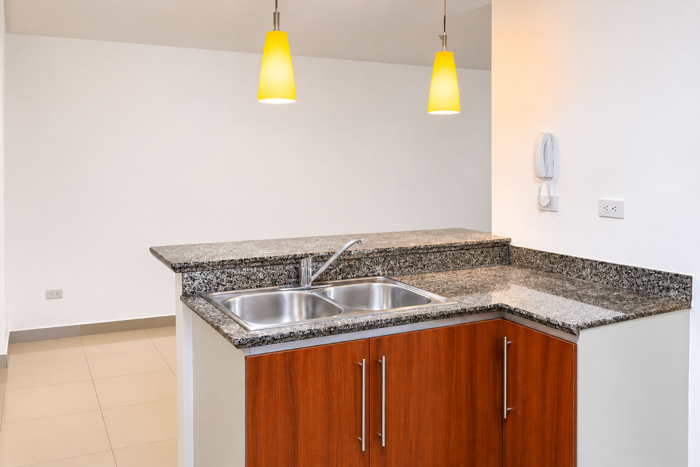
- Apartments or condos: monthly fees, shared areas and the building rules.
- Lots and land: boundaries, slope, access and water supply.
- Farms: water sources, internal roads, and how much of the land can actually be used.
- Commercial spaces, offices, warehouses and buildings: permitted use, parking, loading access and the state of the installations.
Why buy here
Cartago is one of Costa Rica's seven provinces and sits in the country's interior, not on the coast. That means no maritime-terrestrial strip to deal with, which simplifies the legal side of many purchases.
Its eight cantons give buyers a range of settings to compare, from town properties to rural land. The province has a wide area, so the character of a property can change a lot from one canton to the next. When there are enough listings, this page shows above what is listed by type and typical prices.
What to check before buying
- Run a title search at the National Registry (Registro Nacional) to confirm the owner and any mortgages, liens or annotations.
- Get a registered survey plan (plano catastrado) that matches the title and what you see on the ground, including boundaries, size and access.
- Request a land-use certificate (uso de suelo) from the local municipality and check the canton's zoning plan, where one exists.
- Confirm that property tax (Law 7509) and municipal services are paid up to date.
- For lots and farms, get written water availability from AyA or the local ASADA, confirm electricity, and check Forestry Law 7575 protection areas around springs and rivers.
- For condos, read the bylaws and get proof that fees are paid (Law 7933).
Getting around
The province is made up of eight cantons: Alvarado, Cartago, El Guarco, Jiménez, La Unión, Oreamuno, Paraíso and Turrialba. Each has its own municipality, so rules on permits and land use depend on where the property sits.
Real travel time between cantons depends on the hour and the road, so visit a property at the times you would normally travel. Comparing two or three cantons in person gives a better sense of daily life than a map does.
How to buy
A purchase usually begins by comparing similar properties and prices in the canton you prefer. A local agent can help with that and with arranging visits. Agencies and agents with listings in the province appear further down this same page.
The transfer is done by public deed before a Costa Rican notary and pays the transfer tax (Law 6999); ask for the full closing-cost breakdown before signing. Foreigners can own titled property with the same rights as citizens (Article 19 of the Constitution), with the exceptions the law sets. A lawyer can review the title search and survey plan before you sign.