Tucurrique, Jiménez, Cartago real estate: investing guide
Overview
Tucurrique, Jiménez, Cartago real estate covers the second district of the canton of Jiménez, in the province of Cartago, Costa Rica. It spans 33.5 km² (12.9 sq mi) and uses postal code 30402. The district is not on the coast. The property listed for sale here is land: lots and farms. That makes it a place for buyers who want to build, farm or hold a parcel for the long term, rather than shop for finished homes.
What people buy here
With lots and farms listed, the buyer profiles are fairly clear. The first is someone who wants to build a home, either to live in full time or as a second residence. The second is a buyer who wants a farm to work or to keep as rural land.
Buying to rent out later is possible, but with land you would first have to build, so it takes more time and planning. Treat that as a long-term investment and confirm what the local authority allows before counting on any rental income.
Advertisements
Property types
Two property types are listed for sale in this district.
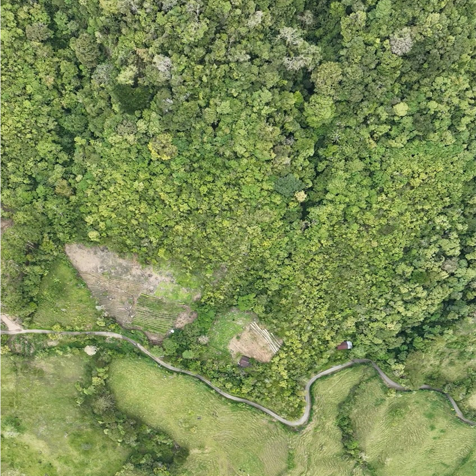
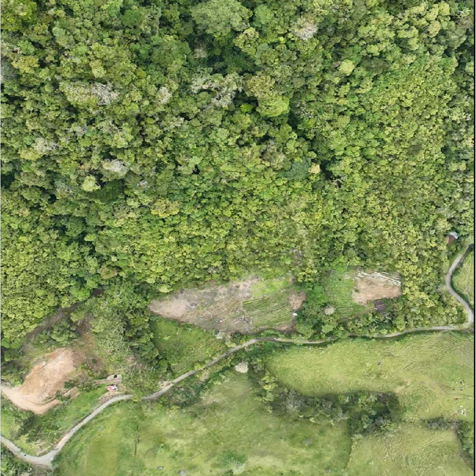
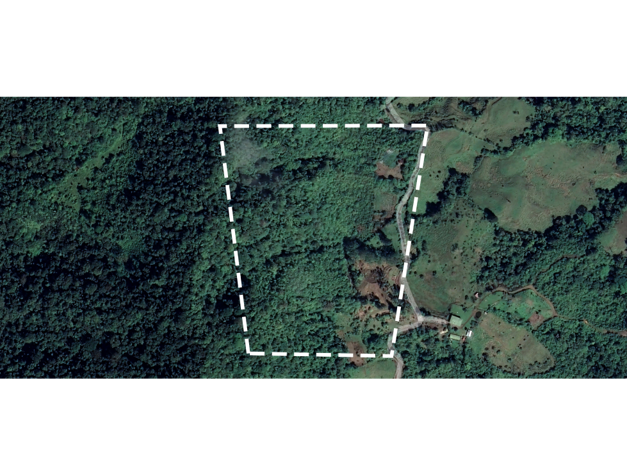
- Lots and land: check access to the parcel, how the boundaries look on the ground, the slope, and whether water and electricity reach the lot.
- Farms: look at legal access, water sources, existing structures and their condition, and which parts of the land can actually be used.
When there are enough listings, this page shows above what is listed by type and the typical prices, which helps you compare parcels.
Why buy here
Tucurrique sits in the province of Cartago, in the interior of Costa Rica, and has no coastline. In a straight line it is 5.6 km (3.5 mi) from Juan Viñas, the canton seat, and 38.2 km (23.7 mi) from downtown San José. Juan Santamaría International Airport (SJO) is 54.6 km (33.9 mi) away in a straight line.
Those figures show a rural district that stays within reach of the capital and the main airport. Being inland also means the coastal strip rules do not come into play.
What to check before buying
- A title search at the National Registry (Registro Nacional) to see who owns the property and whether it carries mortgages, liens or annotations.
- A registered survey plan (plano catastrado) that matches the title and what you see on the ground: boundaries, size and access.
- A land-use certificate (uso de suelo) from the Concejo Municipal de Distrito de Tucurrique. Local procedures in this district go to its district municipal council (Law 8173), not to the canton's municipality.
- Written confirmation of water availability (AyA or the local ASADA) and electricity before buying to build. Building permits come from the local authority.
- Protection areas around springs and rivers (Forestry Law 7575), and whether the land lies inside or next to a protected wildlife area.
- Property tax (Law 7509) and municipal services paid up to date.
Getting around
Tucurrique borders Cachí (canton of Paraíso), Juan Viñas, Pejivalle and Turrialba (canton of Turrialba). Those are the areas you pass through or near when moving around the district.
Official villages in the district include Alto Campos, Bajo Congo, Congo, Duán, Esperanza, Hamaca, Sabanilla, San Antonio del Monte and Vueltas. When you look at a parcel, ask which village it belongs to. Real travel time depends on the hour and the road, so visit at different times of day before deciding.
How to buy
A purchase usually starts by working with a local agent who knows the area, then comparing several parcels and their asking prices. Agencies and agents with listings in the zone appear further down this same page.
Before investing, have a lawyer or notary review the title search and the survey plan. The transfer is done by public deed before a Costa Rican notary and pays the transfer tax (Law 6999), so ask for the full closing-cost breakdown first. Foreigners can own titled property with the same rights as citizens (Article 19 of the Constitution), with the exceptions the law sets.