

Río Azul, La Unión, Cartago real estate: investing guide
Overview
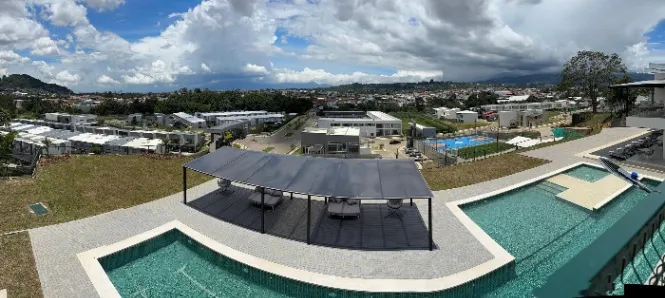
Río Azul, La Unión, Cartago real estate covers a district of 4.9 km² (1.9 sq mi) in the canton of La Unión, province of Cartago, in Costa Rica. It is the eighth district of the canton and its postal code is 30308. The listings here are lots and land and warehouses, so a purchase usually means land to build on or a commercial building, rather than a ready-made home. Buying here is a long-term investment that depends on what the land or building can legally be used for.
What people buy here
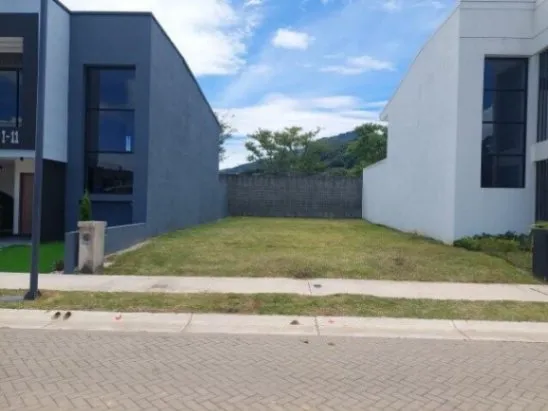
Given what is listed, two buyer profiles fit best. The first is the person who wants to buy a lot and build a home, choosing the site and design instead of taking an existing house. The second is the buyer who needs space for a business, such as storage or light operations, and looks at warehouses.
A lot can also be held for a later build, or built and rented out. A warehouse can be rented to a business, which makes buying it a way of investing for income. Neither option suits someone who wants to move in immediately, so be clear about your timeline first.
Advertisements
Property types
The pack lists two property types for sale in this district.
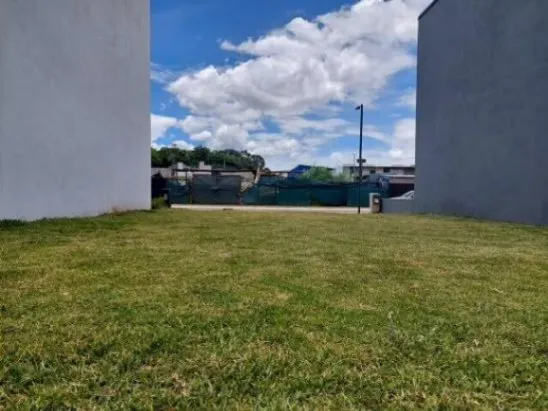
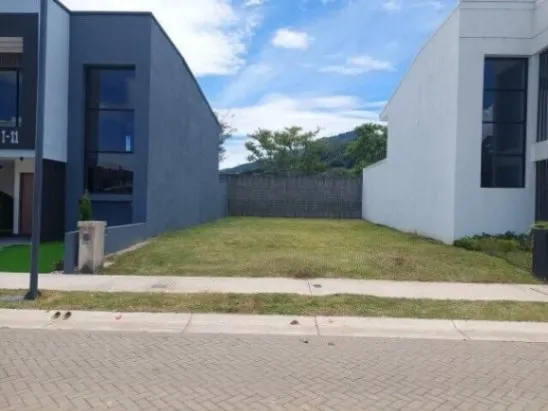
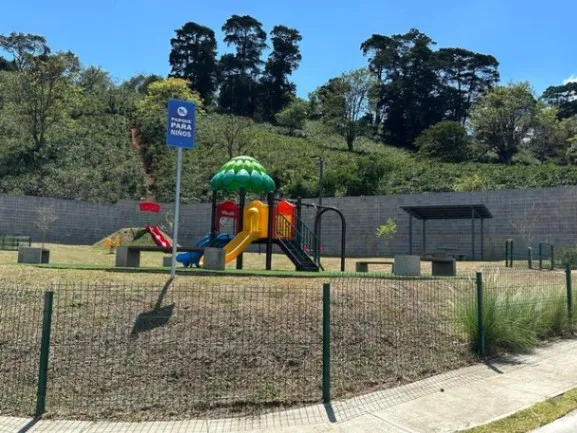
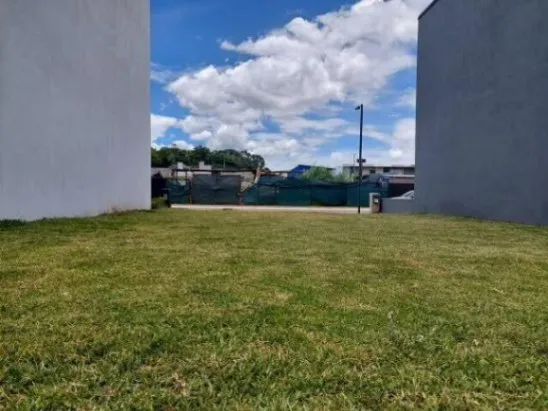
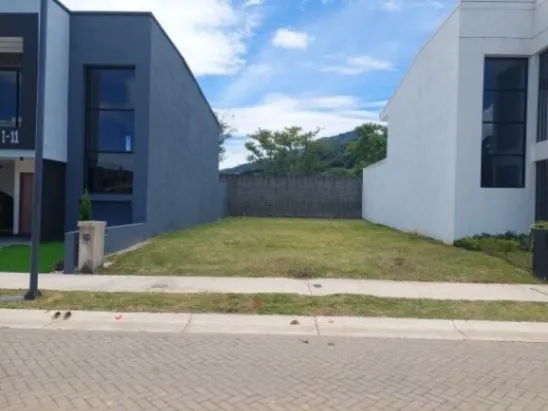
- Lots and land: check the shape and slope, legal access from a public road, water and electricity availability, and whether the size on the survey plan matches what you see on the ground.
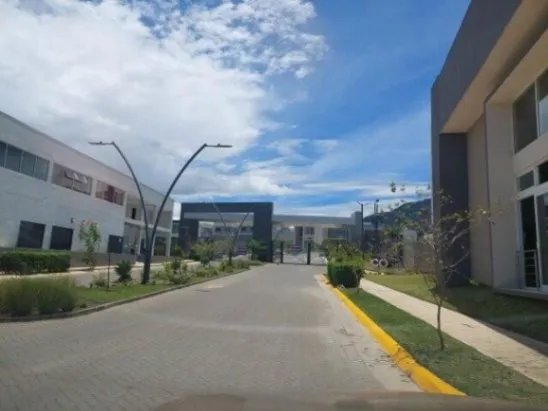
- Warehouses: check the condition of the roof, floor and structure, access for trucks or deliveries, the permitted use of the site, and any utility connections the business needs.
When there are enough listings, this page shows above how many of each type are for sale and typical prices.
Why buy here
Río Azul is an inland district, not coastal, in the province of Cartago in the central part of Costa Rica. In a straight line, it is 4.1 km (2.5 mi) from Tres Ríos, the seat of the canton of La Unión, and 7.6 km (4.7 mi) from downtown San José.
The distance to Juan Santamaría International Airport (SJO) is 23.8 km (14.8 mi) in a straight line. Being near the capital is the main locational reason to buy here, especially for a business that needs to reach the capital or for a household that wants to live close to it.
What to check before buying
- A title search at the National Registry (Registro Nacional) to see who owns the property and whether it has mortgages, liens or annotations.
- A registered survey plan (plano catastrado) that matches the title and the boundaries, size and access on the ground.
- A land-use certificate (uso de suelo) from the Municipalidad de La Unión and the canton's zoning plan, where one exists, to confirm what can be built and for what use.
- Written water availability from AyA or the local ASADA, and electricity, before buying a lot to build. Building permits come from the municipality.
- Property tax (Law 7509) and municipal services paid up to date.
- Protection areas around springs and rivers (Forestry Law 7575) if the land is near a watercourse.
Getting around
Río Azul borders San Antonio, Patarrá and Damas in the canton of Desamparados, Sánchez and Tirrases in the canton of Curridabat, Quebradilla in the canton of Cartago, and San Diego and San Juan.
Inside the district, the official neighbourhoods include Lindavista and Loma Gobierno, and the official villages include Quebradas and Rincón Mesén. Real travel time to any of these places depends on the hour and the road, so visit at the times you would normally travel before deciding.
How to buy
A purchase usually starts with defining what you need: land to build on or a building for a business. Then compare several properties of the same type in the area, and ask a local agent for the asking prices of similar lots or warehouses. Agencies and agents with listings in the zone appear further down this same page.
Before signing, have a lawyer or notary run the title search and review the survey plan. The transfer is done by public deed before a Costa Rican notary and pays the transfer tax (Law 6999), so ask for the full closing-cost breakdown first. Foreigners can own titled property with the same rights as citizens (Article 19 of the Constitution), with the exceptions the law sets.