

Hojancha, Guanacaste real estate: investing guide
Overview
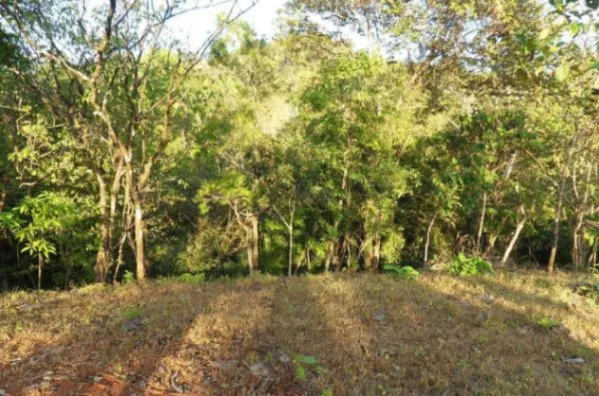
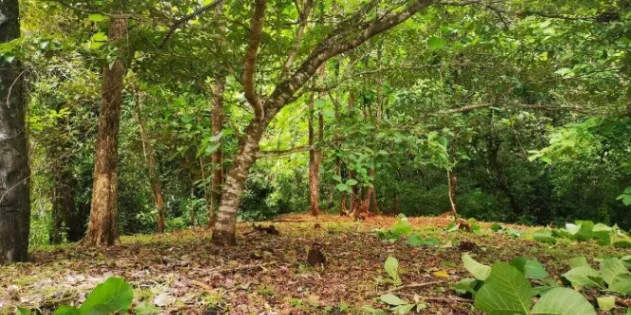
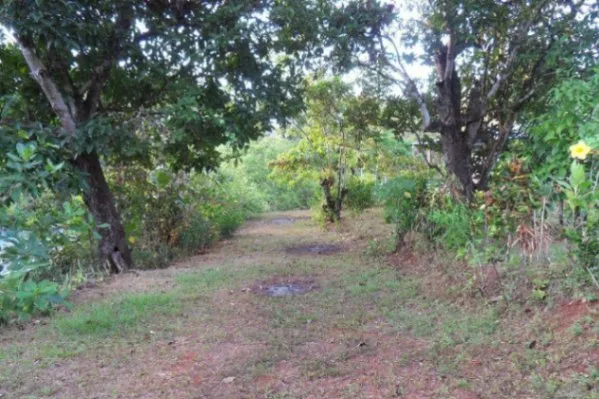
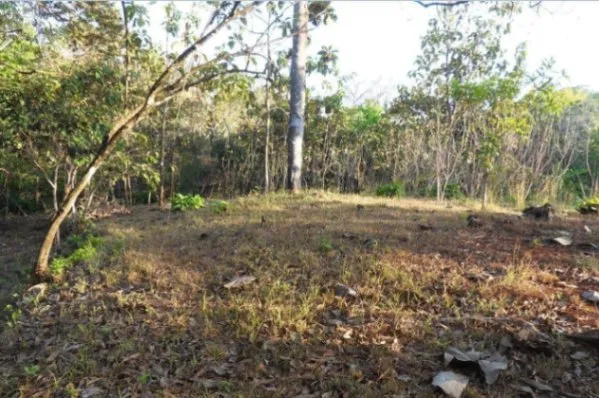
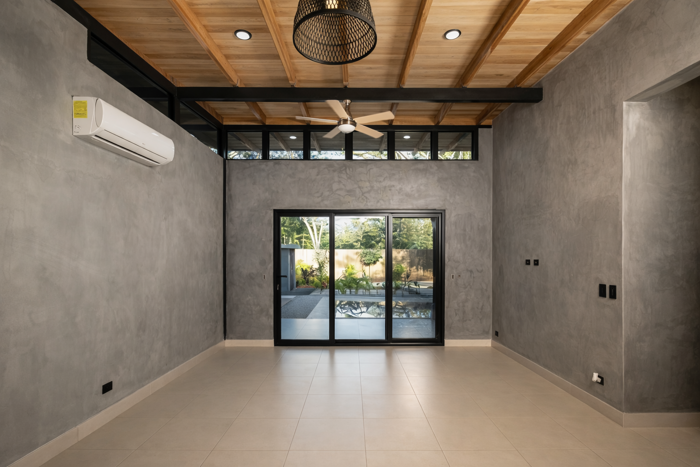
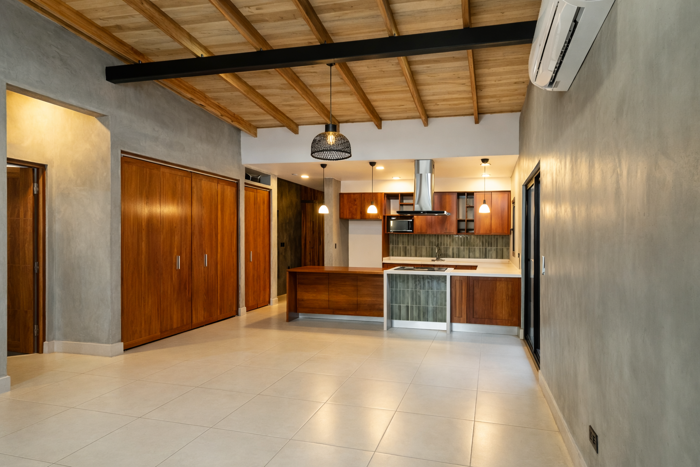
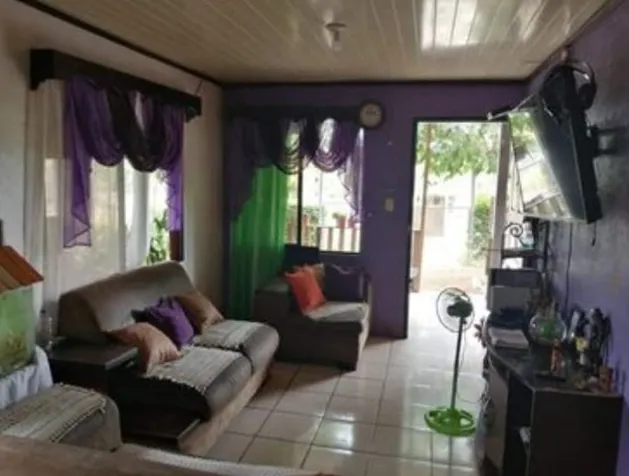
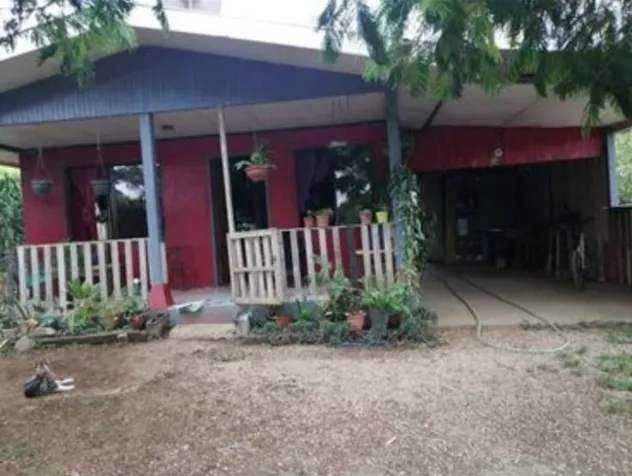
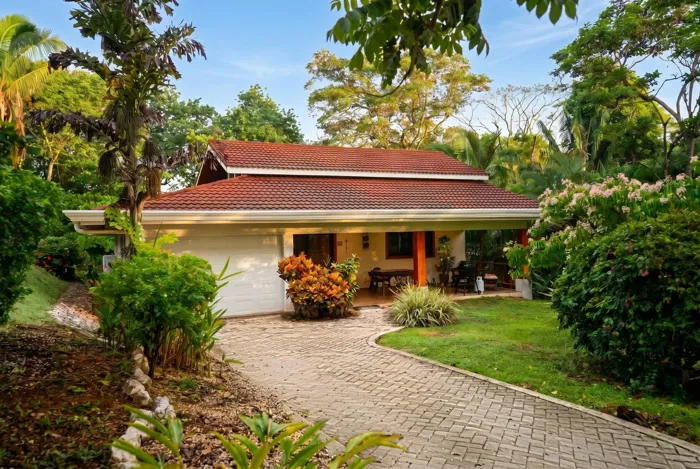
Hojancha, Guanacaste real estate covers the canton of Hojancha in the province of Guanacaste, in northwestern Costa Rica. The canton has an area of 262.8 km² (101.5 sq mi) and is made up of five districts. Buyers here look at houses, lots and land, farms and buildings. The mix points to people who want a home, a piece of land to build on, or rural property, and who plan to hold it for the long term.
What people buy here
The listed property types suggest a few buyer profiles. Someone relocating can look at houses as a primary or second home. Someone who wants to build can compare lots and land across the canton's districts before choosing one.
Farms fit buyers who want rural land for agriculture or simply space. Buildings may suit those who want a property to rent out later, which is a form of investing that depends on the use the local authority allows. Each profile needs its own checks, covered below.
Property types
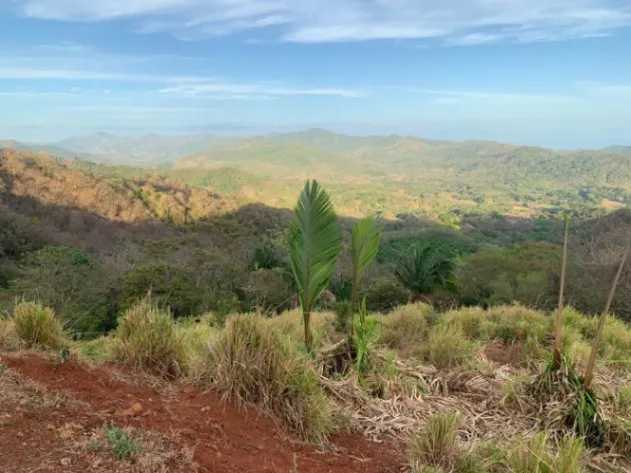
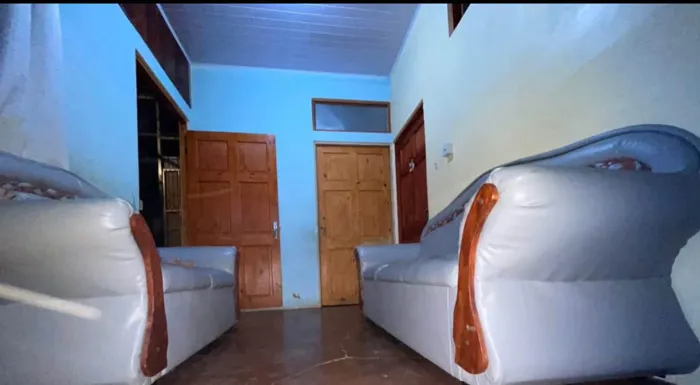
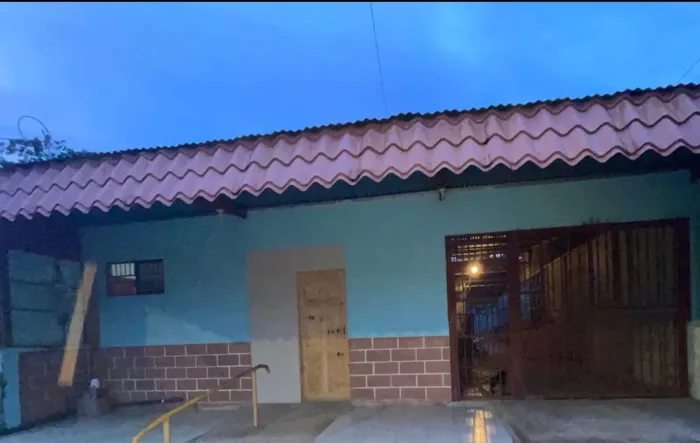
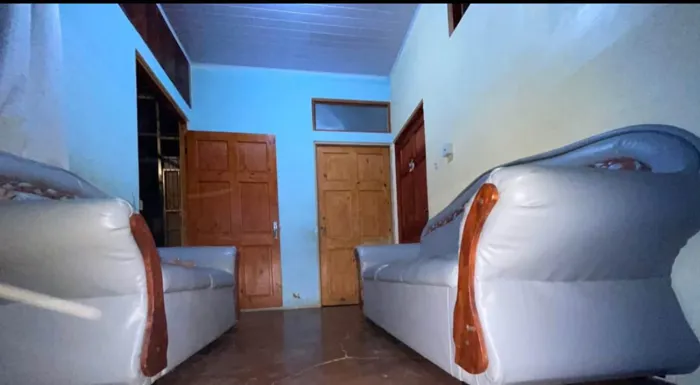
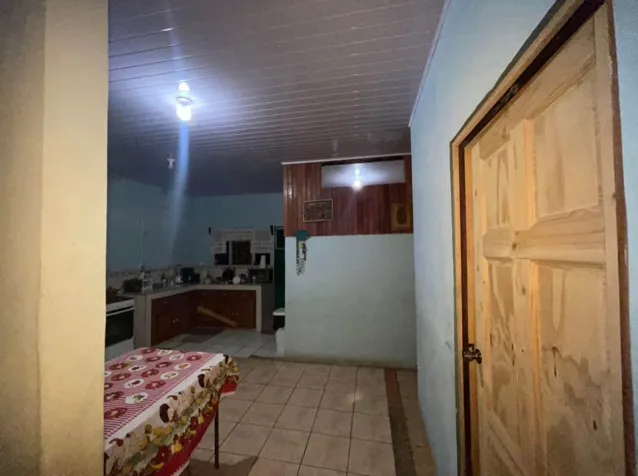
Four types are listed for sale. For houses, look at the condition of the structure, the roof, the water supply and whether the access road is passable in the rainy season.
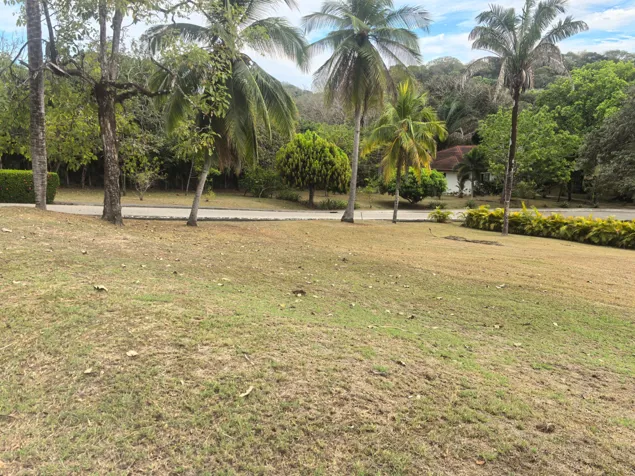
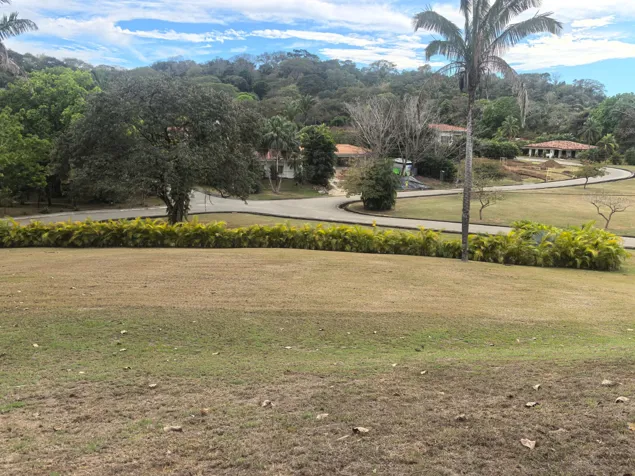
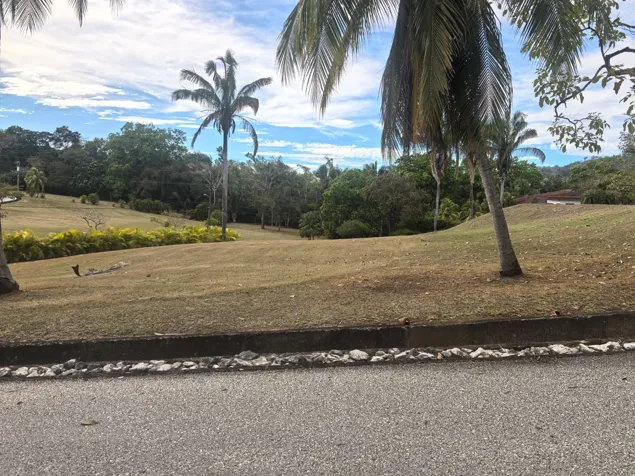
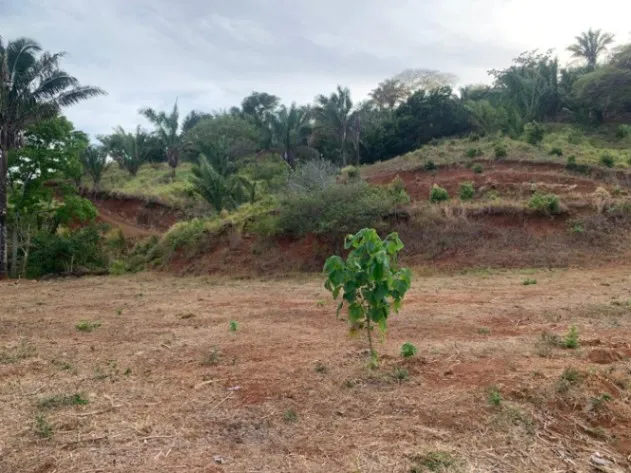
- Lots and land: confirm boundaries, access, water and electricity, and what the zoning allows.
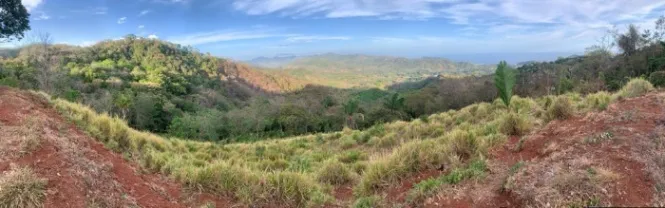
- Farms: check the legal access, water sources, and how much of the land is usable.
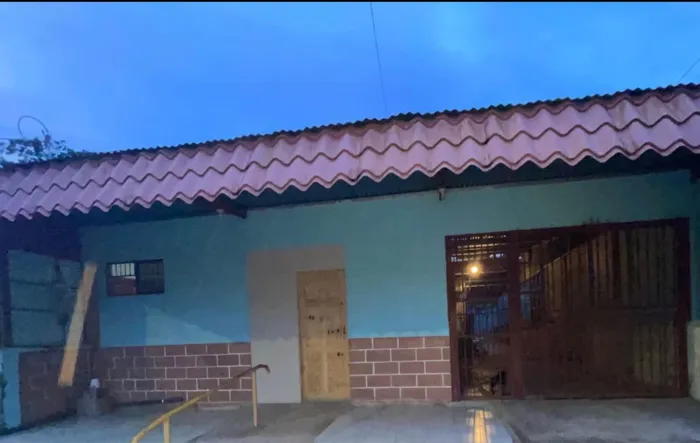
- Buildings: review the structure, the permitted use and any unpaid municipal charges.
When there are enough listings, this page shows above what is listed by type and typical prices.
Why buy here
Hojancha is in Guanacaste, in the northwest of Costa Rica, and the canton is coastal. From the pack, the straight-line distance to downtown San José is 147.4 km (91.6 mi). Daniel Oduber International Airport (LIR) is 69.0 km (42.9 mi) away in a straight line.
That puts the canton within reach of a regional airport that handles international flights, which matters for buyers who will travel back and forth from the United States. Guanacaste has a marked dry season and a rainy season, which affects how a property looks and how roads behave through the year.
What to check before buying
- A title search at the National Registry (Registro Nacional): who owns the property and whether it carries mortgages, liens or annotations.
- A registered survey plan (plano catastrado) that matches the title and what you see on the ground: boundaries, size and access.
- A land-use certificate (uso de suelo) from the Municipalidad de Hojancha and, where one exists, the zoning plan.
- Written water availability from AyA or the local ASADA, plus electricity, before buying land to build; building permits come from the local authority.
- The maritime-terrestrial zone (Law 6043): the 200-metre strip from the high-tide line, where the first 50 metres are public and the other 150 are only granted as municipal concessions.
- Property tax (Law 7509) and municipal services paid up to date.
Getting around
The canton is made up of five districts: Hojancha, Monte Romo, Puerto Carrillo, Huacas and Matambú. Puerto Carrillo and the others differ in how far they sit from the town center and from the coast, so a property's exact position inside the canton matters.
Real travel time depends on the hour and the road, and rural roads can change with the season. Visit the property at different times of day and, if possible, in both the dry and rainy seasons before deciding.
How to buy
A purchase usually starts with a local real estate agent who knows the districts and can help compare asking prices for similar properties. Agencies and agents with listings in the zone appear further down this same page.
Then a Costa Rican notary prepares the public deed and registers the transfer. Before signing, ask for the full closing-cost breakdown, including the transfer tax (Law 6999), since a purchase is a long-term investment. Foreigners can own titled property in Costa Rica with the same rights as citizens (Article 19 of the Constitution), with the exceptions the law sets.