Nicoya, Guanacaste real estate: investing guide
Overview
Buying Nicoya, Guanacaste real estate means buying in a canton of Guanacaste province, in northwestern Costa Rica, that covers 1337.3 km² (516.3 sq mi). The canton is made up of seven districts and has a coastline, so the properties for sale range from town houses to land and farms.
Because the canton is large, one purchase can look very different from another. Where a property sits within the canton matters as much as its type, so it helps to understand the zone before looking at individual listings.
What people buy here
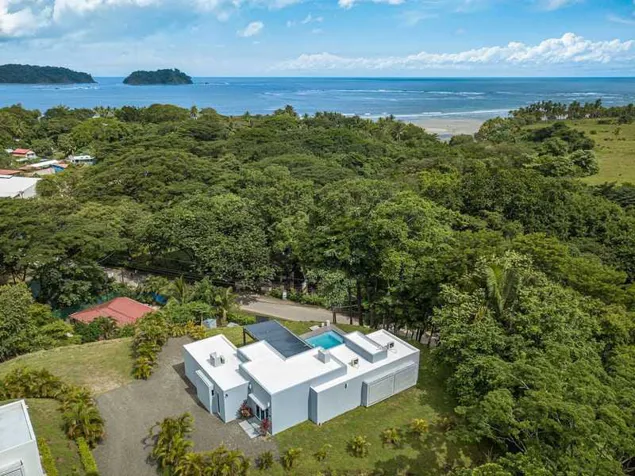
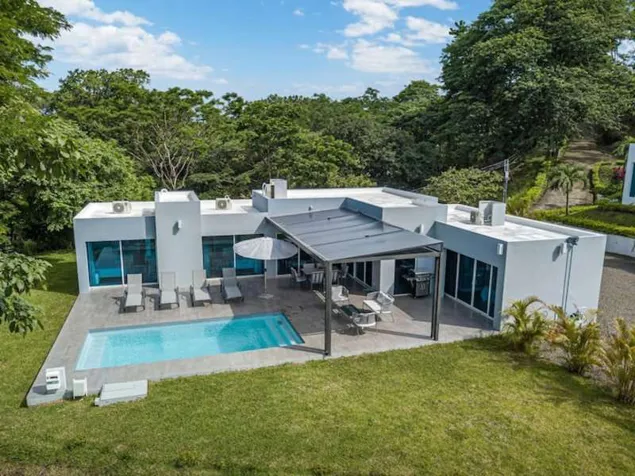
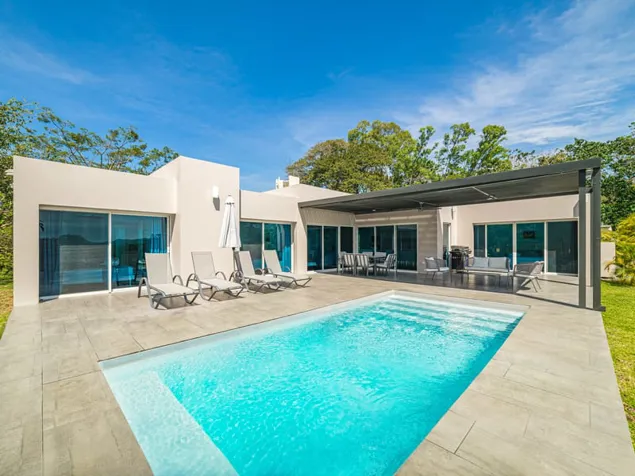
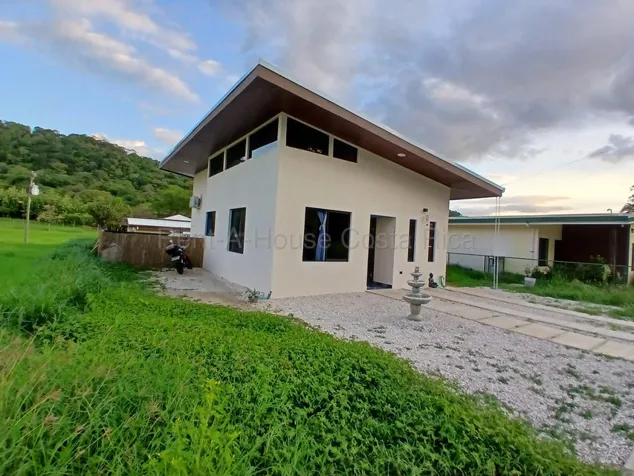
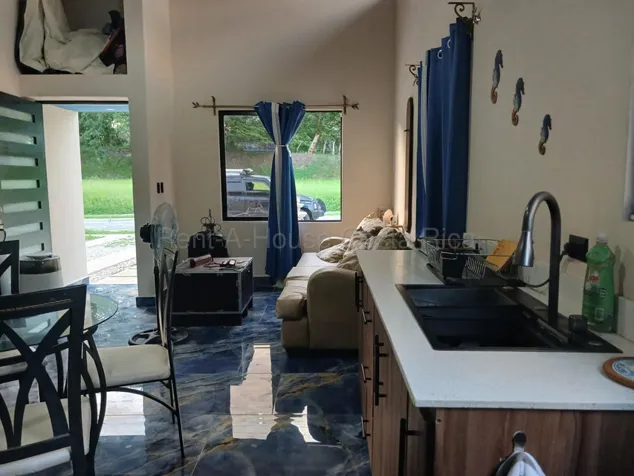
The mix of property types suggests several kinds of buyer. Someone who wants a home to live in can look at houses, or at apartments and condos if they prefer shared upkeep. Someone planning to build can focus on lots and land.
Buyers thinking about income can consider a house to rent out later, a long-term investment that depends on how the property is managed. Rural buyers can look at farms. Warehouses and buildings suit those who want a commercial or mixed-use property rather than a home.
Advertisements
Property types
Per the pack, these types are listed for sale in the canton:
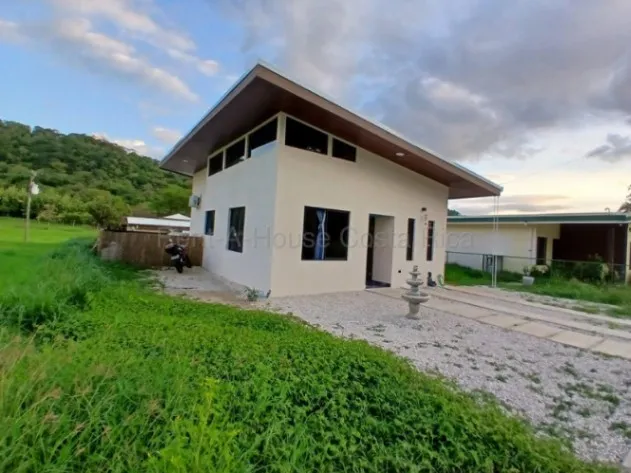
- Houses: check condition, roof, water supply and legal access.
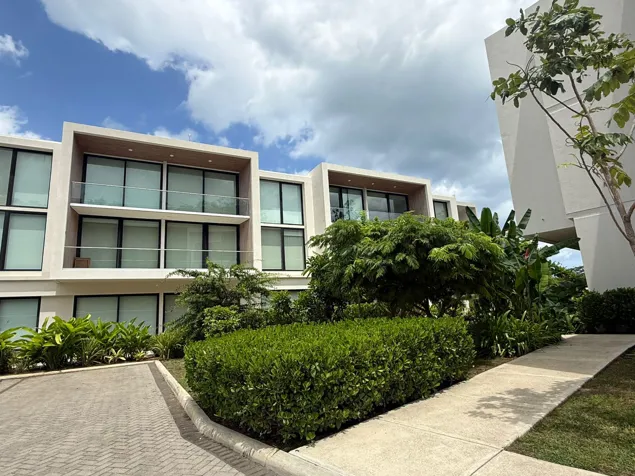
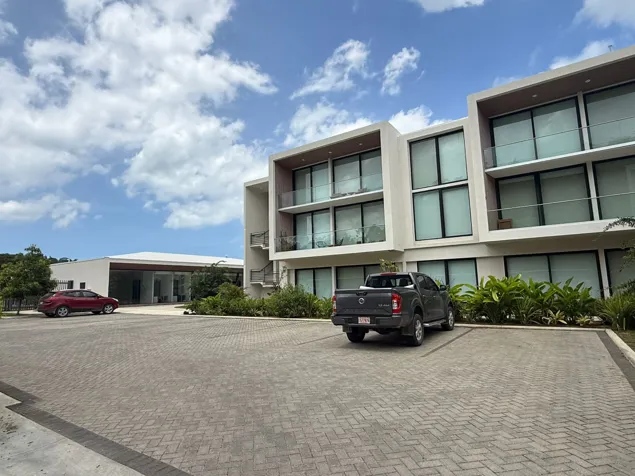
- Apartments or condos: ask about monthly fees and the building rules.
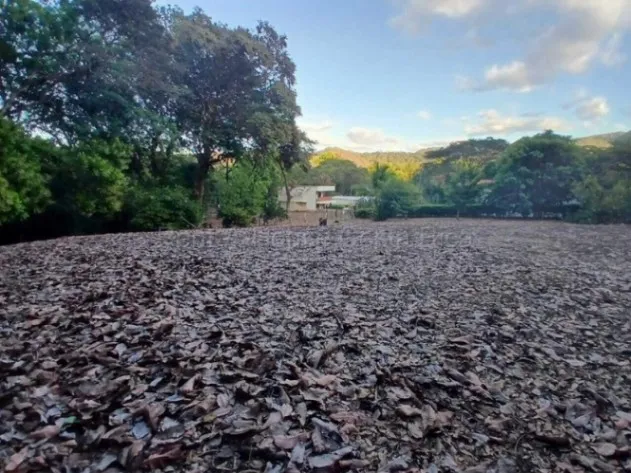
- Lots and land: confirm access, water, electricity and what may be built.
- Farms: look at access, water sources and the boundaries.
- Warehouses and buildings: confirm permitted use and the state of the structure.
Why buy here
Nicoya sits in Guanacaste, on the Pacific side of Costa Rica, and the canton is coastal. The seasons follow the usual pattern for this part of the country: a marked dry season and a rainy season.
In a straight line, downtown San José is 152.1 km (94.5 mi) away. Daniel Oduber International Airport (LIR) is 54.1 km (33.6 mi) away in a straight line, which is useful for buyers who plan to travel often from abroad.
What to check before buying
- A title search at the National Registry (Registro Nacional), ordered before investing: who owns the property and whether it carries mortgages, liens or annotations.
- A registered survey plan (plano catastrado) that matches the title and what you see on the ground, including boundaries, size and access.
- A land-use certificate (uso de suelo) from the Municipalidad de Nicoya and, where one exists, the zoning plan.
- The maritime-terrestrial zone (Law 6043): the 200-metre strip from the ordinary high-tide line. The first 50 metres are public and the other 150 are only granted as municipal concessions, so check whether the land falls inside it.
- Written water availability (AyA or the local ASADA) and electricity before buying land to build; for condos, the bylaws and proof that fees are paid (Law 7933).
- Property tax (Law 7509) and municipal services paid up to date.
Getting around
The canton is made up of seven districts: Nicoya, Mansión, San Antonio, Quebrada Honda, Sámara, Nosara and Belén de Nosarita. They are spread across a large area, so the setting changes from one district to another.
Real travel time depends on the hour and on the state of the road, so it is worth driving the route to a property at the times you would normally use it, including in the rainy season.
How to buy
A purchase usually starts with comparing several properties and prices in the district you prefer. A local agent can help with that, and when there are agencies and agents with listings in the zone, they appear further down this page.
The transfer is done by public deed before a Costa Rican notary and pays the transfer tax (Law 6999), so ask for the full closing-cost breakdown before signing. Foreigners can own titled property in Costa Rica with the same rights as citizens (Article 19 of the Constitution), with the exceptions the law sets.