Cuajiniquil, Santa Cruz, Guanacaste real estate: investing guide
Overview
Cuajiniquil, Santa Cruz, Guanacaste real estate covers a district in the canton of Santa Cruz, in the province of Guanacaste, Costa Rica. It is district number 6 of the canton, has postal code 50306 and spans 217.9 km² (84.1 sq mi). The district seat village is San Juanillo.
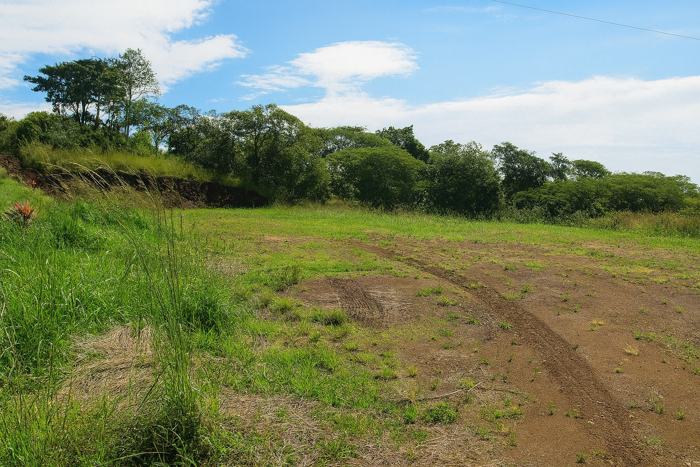
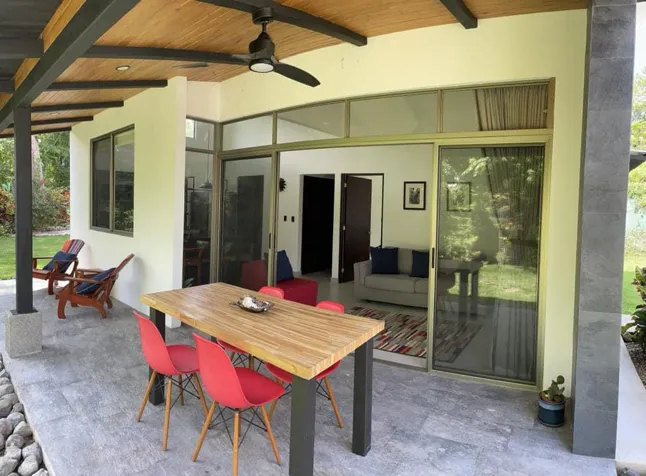
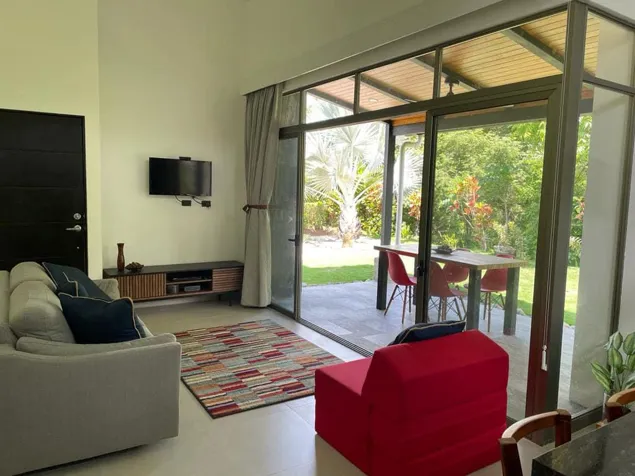
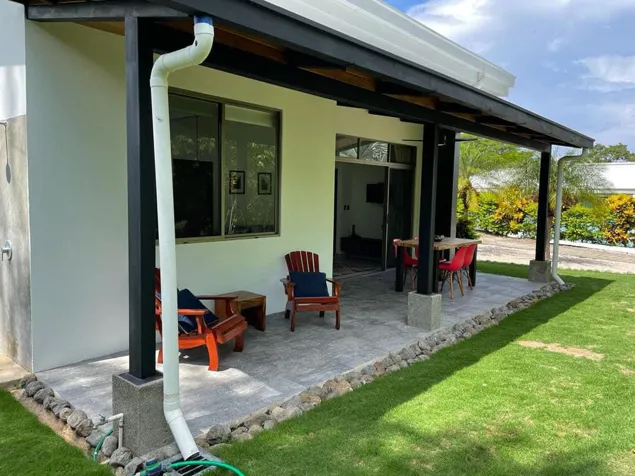
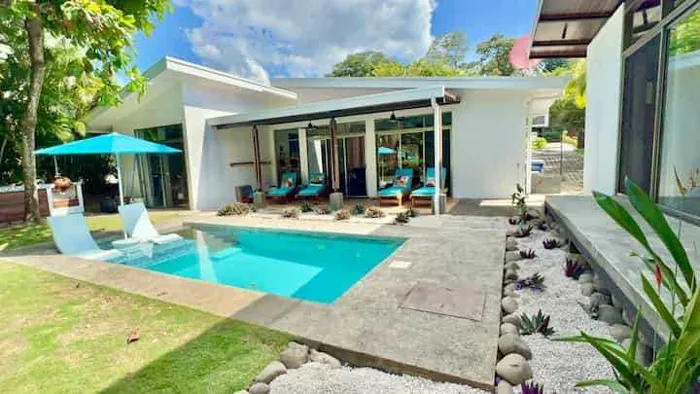
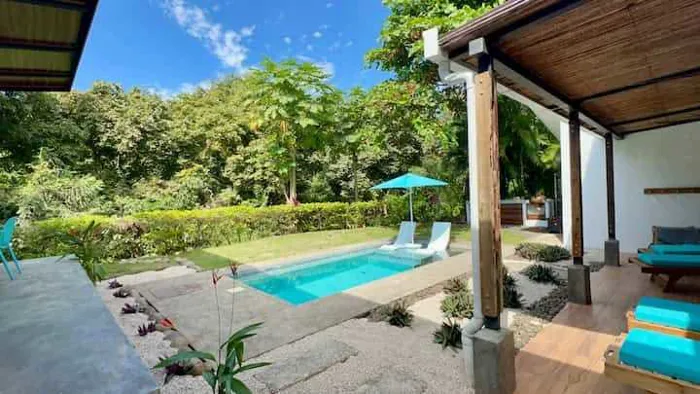
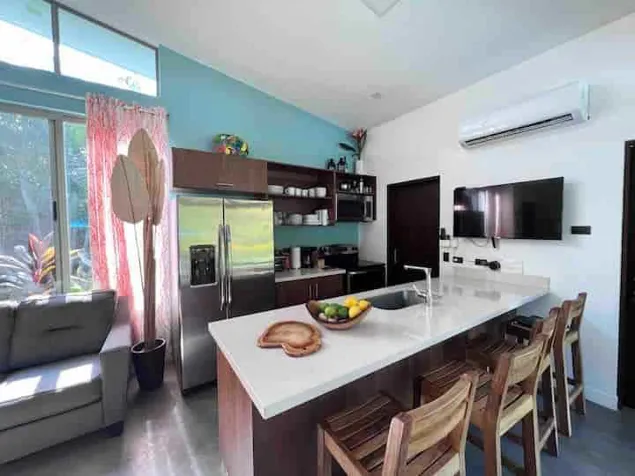
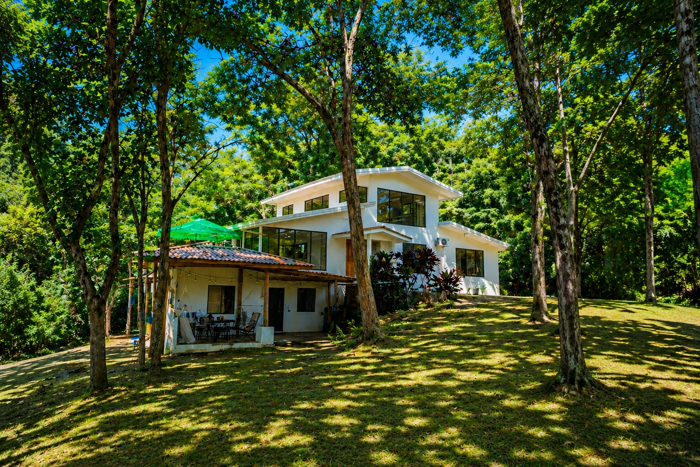
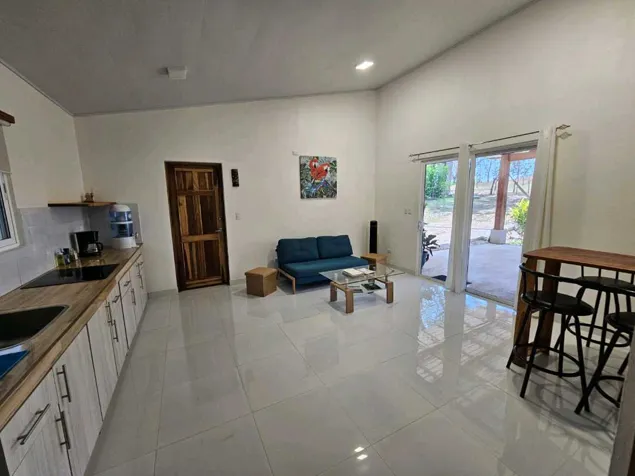
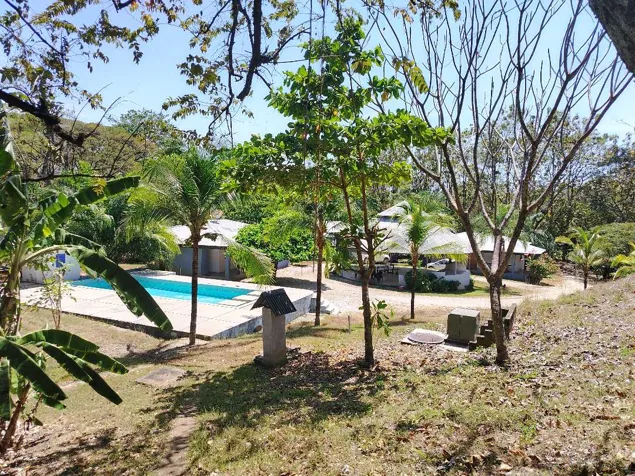
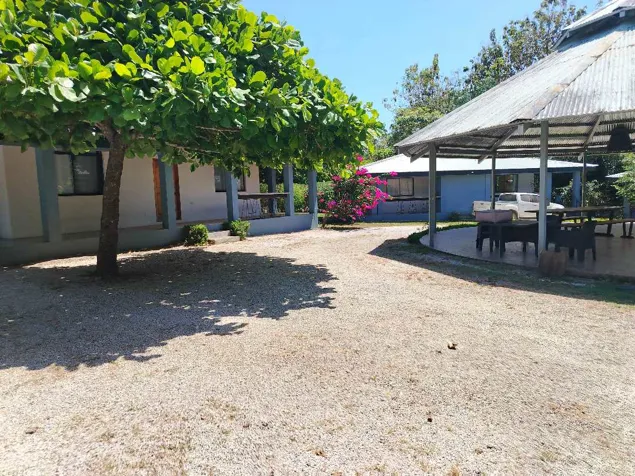
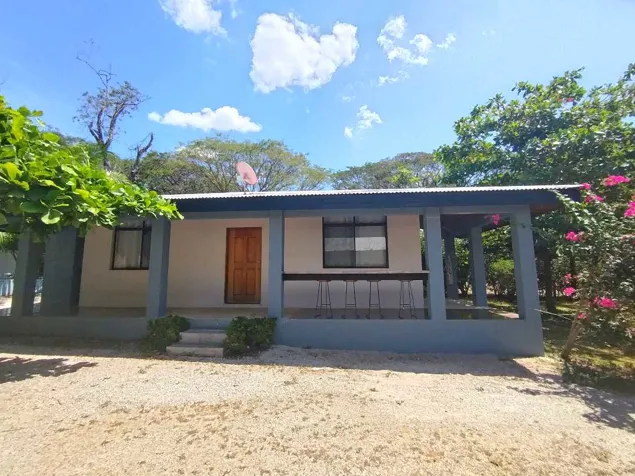
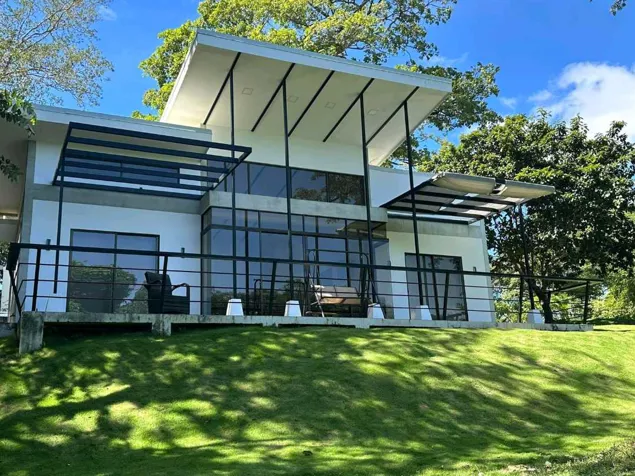
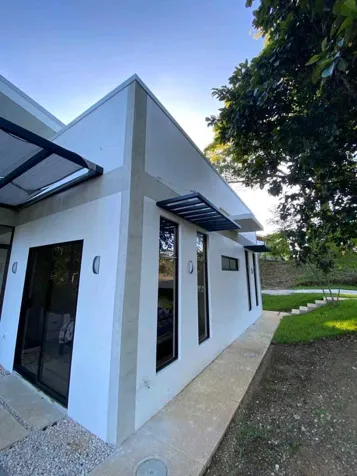
Buyers here are mostly looking at houses, lots and land, and farms. A purchase is a long-term investment, so the first step is understanding how the district is laid out and what each property type involves.
What people buy here
Given what is listed, the buyer profiles that fit are fairly clear.
- Own home: buyers who want to live in a house in a rural, coastal part of Guanacaste.
- Lot to build: buyers who prefer to choose the site and design their own house over time.
- Farm: buyers who want land for agricultural use or open space.
Buying a house to rent out later is also investing, and it can work, but it is income that depends on the property and the season, so treat it as a possibility rather than a given.
Advertisements
Property types
Three types are listed for sale. In houses, look at construction condition, roof and drainage, and whether water and electricity are connected and in whose name.
For lots and land, check legal access to a public road, the shape and boundaries, and whether utilities reach the site. For farms, add water sources, the state of fences and tracks, and what the land can legally be used for. When there are enough listings, this page shows above how many of each type are for sale.
Why buy here
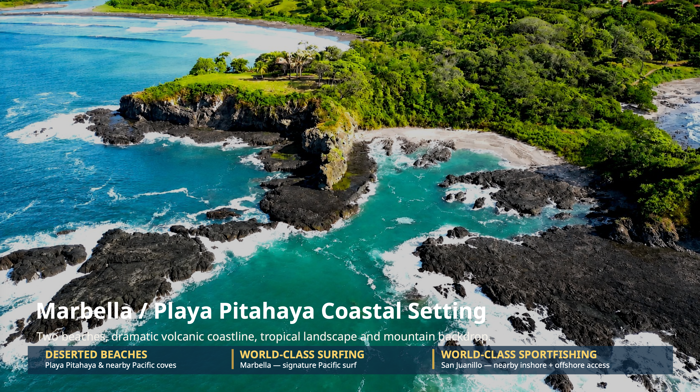
Cuajiniquil is coastal and lies in Guanacaste, in the northwest of Costa Rica. In a straight line, the canton seat, Santa Cruz, is 21.3 km (13.2 mi) away.
Downtown San José is 178.7 km (111.0 mi) away in a straight line. The nearest airport listed is Daniel Oduber International Airport (LIR), 60.2 km (37.4 mi) away in a straight line, which matters for buyers who will fly in from abroad.
What to check before buying
- A title search at the National Registry (Registro Nacional): who owns the property and whether it has mortgages, liens or annotations.
- A registered survey plan (plano catastrado) that matches the title and what you see on the ground: boundaries, size and access.
- A land-use certificate (uso de suelo) from the Municipalidad de Santa Cruz and, where one exists, the canton's zoning plan.
- The maritime-terrestrial zone (Law 6043): the 200-metre strip from the ordinary high-tide line. The first 50 metres are public and the other 150 are only granted as municipal concessions, not owned outright.
- Written water availability (AyA or the local ASADA) and electricity before buying a lot to build; building permits come from the local authority.
- Protection areas around springs and rivers (Forestry Law 7575) for lots and farms outside town.
Getting around
The district borders Nicoya and Nosara (both in the canton of Nicoya), Santa Cruz and Veintisiete de Abril. That helps place it within the region and shows which areas you may pass through.
Official villages include Alemania, Bolillos, Cuajiniquil, Manzanillo, Marbella, Ostional and Punta Caliente, among many others. Real travel time depends on the hour and the road, so drive the route to a property at the time of day you would normally use it.
How to buy
A purchase usually involves a local real estate agent, a Costa Rican notary who prepares the public deed, and a lawyer if you want independent review. Ask for the title search and survey plan early, and compare asking prices of similar properties before making an offer.
Foreigners can own titled property in Costa Rica with the same rights as citizens (Article 19 of the Constitution), with the exceptions the law sets. Agencies and agents with listings in the zone appear further down this same page.