

Rita, Pococí, Limón real estate: investing guide
Overview
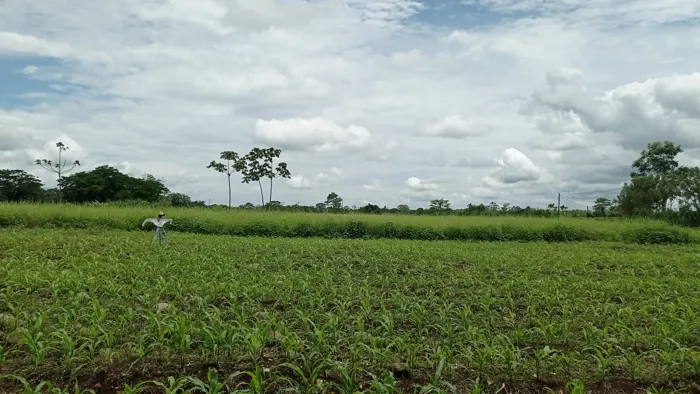
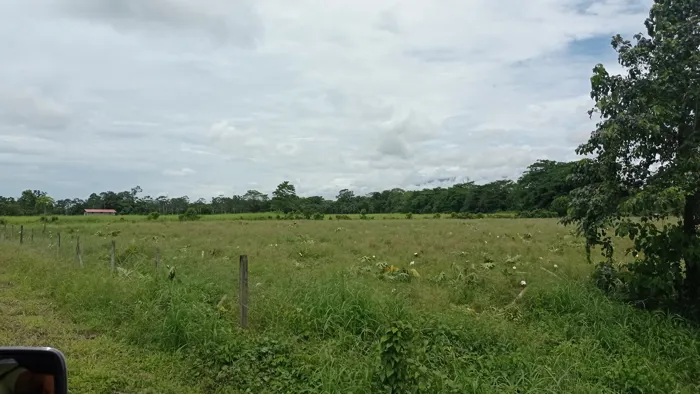
Rita, Pococí, Limón real estate covers a large inland district in the canton of Pococí, in Limón province, Costa Rica. It is the third district of the canton, has postal code 70203 and spans 504.5 km² (194.8 sq mi). Buyers here will mostly find houses, lots and farms, which suits people who want space, land to work or a place to build. Because the district is large and mostly spread out, a purchase is a long-term decision that depends heavily on the exact location of each property.
What people buy here
Given what is listed, three buyer profiles make sense. The first is an own home: someone relocating who wants a house and is comfortable outside a city center. The second is a lot to build on, for people who prefer to design their own place and have time to handle permits and utilities.
The third is a farm, for buyers who want working land or a rural retreat. Buying a house or farm to rent out later is also possible, and that is investing, but rental income is never guaranteed and should be checked locally before you commit.
Property types
The pack lists three types for sale in this district. Each calls for different checks:
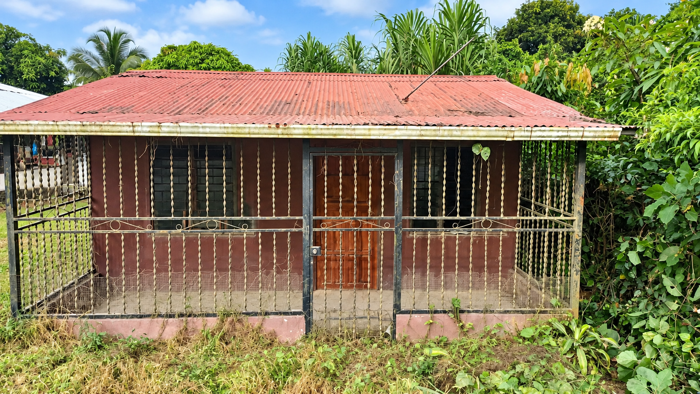
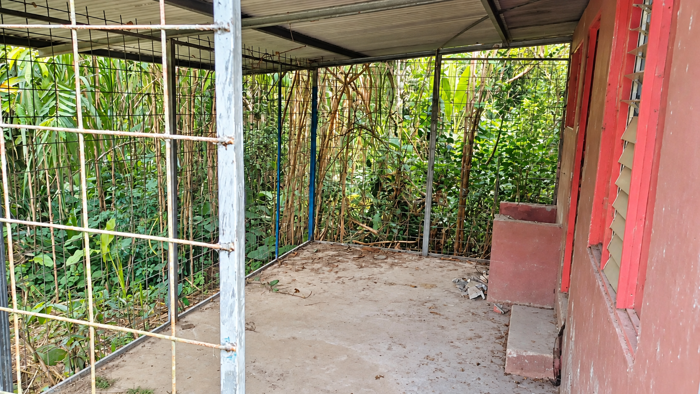
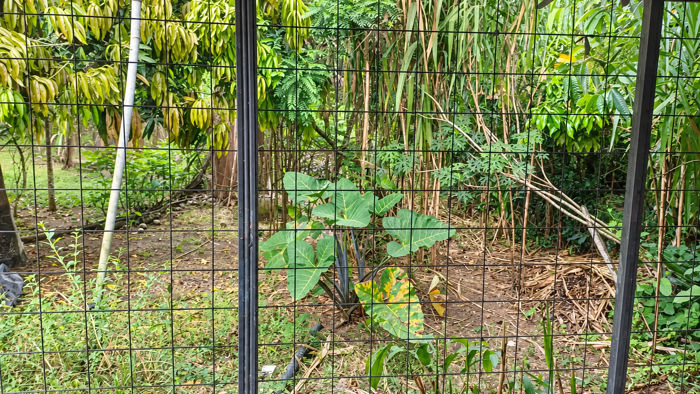
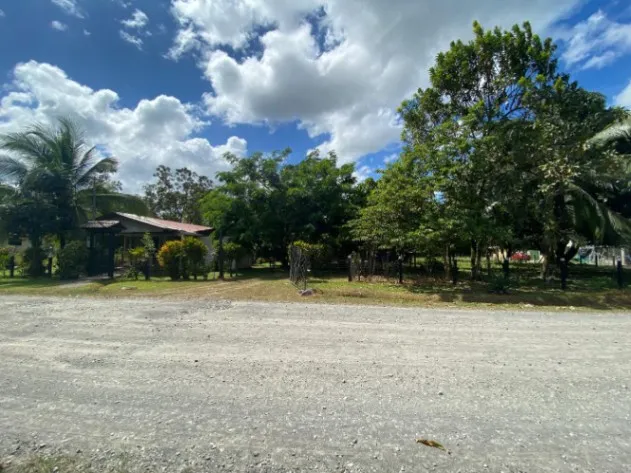
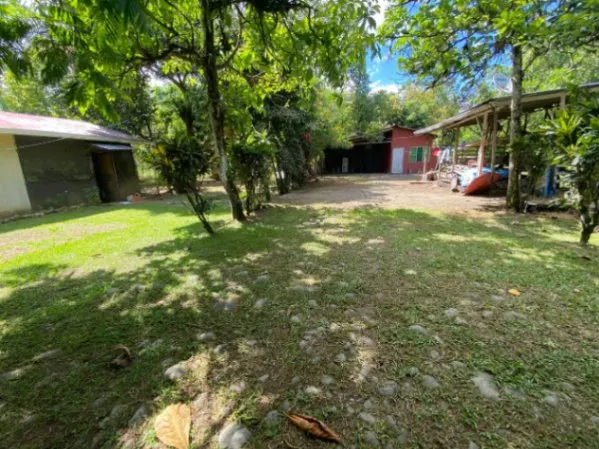
- Houses: look at structural condition, roof, damp, wiring, the water supply and whether the road to the door is passable in the rainy season.
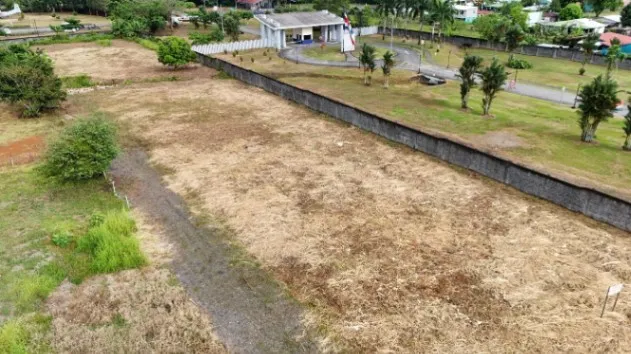
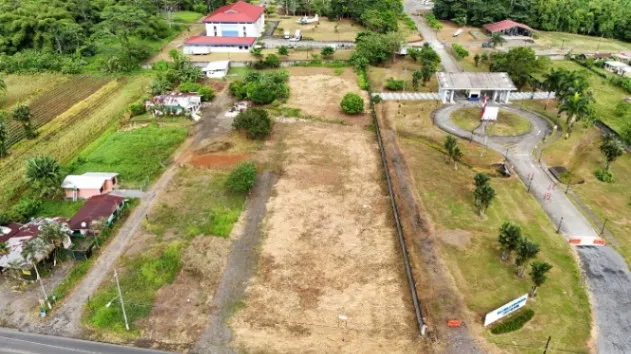
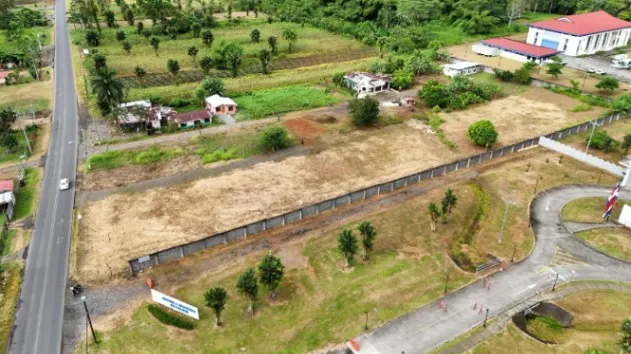
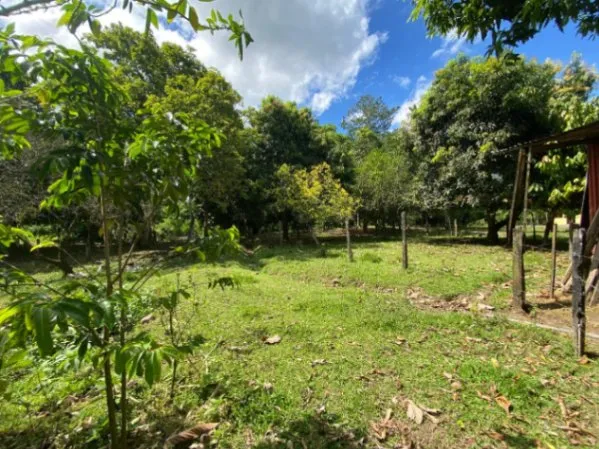
- Lots and land: confirm legal access, boundaries, slope, and whether water and electricity reach the property.
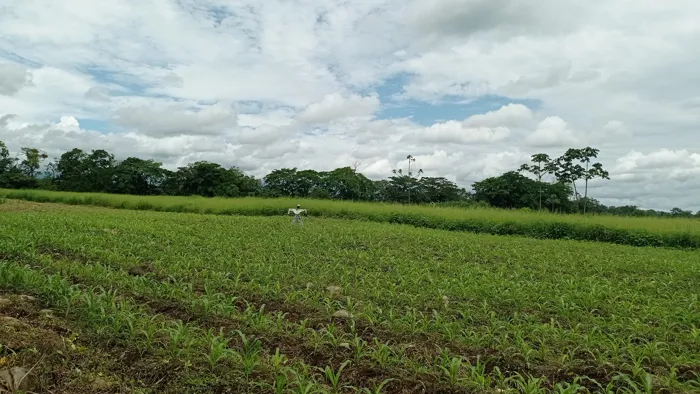
- Farms: check how much of the land is usable, the access, water sources, any existing buildings, and how the boundaries compare with the registered plan.
When there are enough listings, this page shows above how many of each type are for sale.
Why buy here
The district is inland, not coastal, so beach-zone rules are not a factor here. It lies in Limón province, in the Caribbean side of Costa Rica.
In a straight line, the canton seat, Guápiles, is 32.6 km (20.3 mi) away. Downtown San José is 66.8 km (41.5 mi) in a straight line, and Juan Santamaría International Airport (SJO) is 70.5 km (43.8 mi) in a straight line. These figures show the district is reachable from the capital region while still being rural in character.
What to check before buying
- Run a title search at the National Registry (Registro Nacional) to see the owner and any mortgages, liens or annotations.
- Get a registered survey plan (plano catastrado) and make sure it matches the title and the boundaries, size and access you see on the ground.
- Request a land-use certificate (uso de suelo) from the Municipalidad de Pococí, plus the zoning plan where one exists, to know what can be built.
- For lots and farms, obtain written water availability (AyA or the local ASADA) and confirm electricity; building permits come from the municipality.
- Check protection areas around springs and rivers (Forestry Law 7575) and whether the land is next to a protected wildlife area.
- Confirm property tax (Law 7509) and municipal services are paid up to date.
Getting around
Rita borders eight districts: Puerto Viejo, Las Horquetas and Llanuras del Gaspar (all in the canton of Sarapiquí), plus Guápiles, Roxana, Cariari, Colorado and La Colonia. Which neighbor a property sits closest to matters for daily errands.
Official neighbourhoods in the district include Cruce de Jordán, Peligro and Pueblo Nuevo. Real travel time depends on the hour, the weather and the condition of the road, so drive the route to any property you consider, at different times of day.
How to buy
A purchase usually starts with comparing several properties and prices in the area, ideally with a local agent who knows the access and conditions of each one. Agencies and agents with listings in the zone appear further down this same page.
Before investing and signing, have a lawyer or notary verify the title search, the survey plan and the land-use certificate. The transfer is done by public deed before a Costa Rican notary and pays the transfer tax (Law 6999), so ask for the full closing-cost breakdown first. Foreigners can own titled property with the same rights as citizens (Article 19 of the Constitution), with the exceptions the law sets.