Corredor, Corredores, Puntarenas real estate: investing guide
Overview
Corredor, Corredores, Puntarenas real estate is the market for the first district of the canton of Corredores, in the province of Puntarenas, Costa Rica. Corredor is also the canton seat, covers 274.6 km² (106.0 sq mi) and uses postal code 61001.
The only property type listed for sale here is farms, so a purchase is mostly about land: rural acreage to work, to hold, or to build on. Buying land is a long-term decision, and the checks below matter more than the listing photos.
What people buy here
Because farms are the type currently listed, the buyer profiles that fit are those who want land rather than a finished home. One is the person who wants a farm to live on and build a house on over time. Another is the buyer who wants rural land to work or to keep as a long-term investment.
Buying to rent out is less clear from what is listed, since no rental listings appear for the district. If income is the goal, plan around the land itself and confirm what use the local rules allow before assuming anything.
Property types
The pack lists one type for sale: farms. For each farm, look at these points:
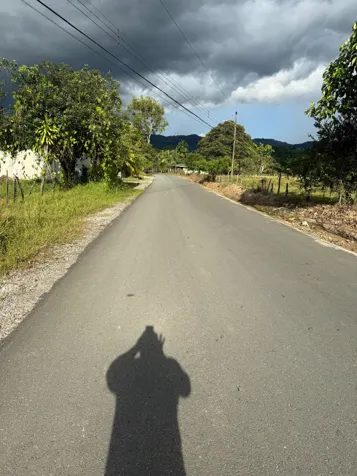
- Access: whether the property fronts a public road or depends on a right of way, and how that access behaves in the rainy season.
- Water: whether there is written availability from AyA or the local ASADA, or a private source with its own protection area.
- Electricity: whether the grid reaches the boundary or must be extended.
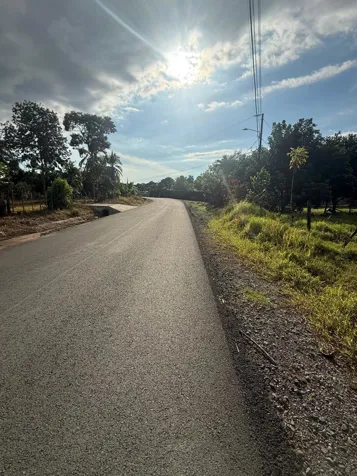
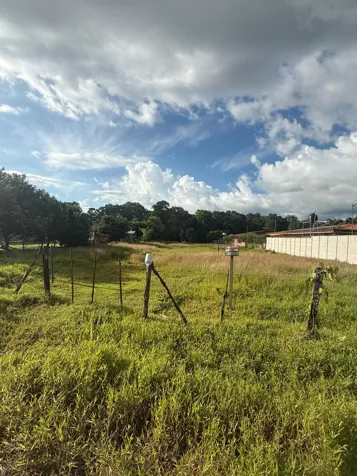
- Condition: fences, existing buildings, and how much of the land is actually usable.
- Boundaries: whether what you walk matches the registered size.
Why buy here
Corredor is the seat of its canton, and the canton seat is the district itself, so there is no separate distance to measure. San José is 191.2 km (118.8 mi) away in a straight line, and Juan Santamaría International Airport (SJO) is 206.1 km (128.1 mi) in a straight line.
The district is not coastal, so the beachfront rules do not apply to it. It lies in the province of Puntarenas, in the southern part of Costa Rica, where the rainy and dry seasons follow the general pattern of the Pacific side of the country.
What to check before buying
- Before investing, run a title search at the National Registry (Registro Nacional) to see who owns the farm and whether it carries mortgages, liens or annotations.
- Compare the registered survey plan (plano catastrado) with the title and with the ground: boundaries, size and access.
- Request a land-use certificate (uso de suelo) from the Municipalidad de Corredores, and the canton's zoning plan where one exists, to learn what can be built and for what use.
- Get written water availability from AyA or the local ASADA, and confirm electricity, before buying to build. Building permits come from the municipality.
- Check the protection areas around springs and rivers (Forestry Law 7575) and whether the land lies inside or next to a protected wildlife area.
- Confirm that property tax (Law 7509) and municipal services are paid up to date.
Getting around
Corredor borders the districts of Golfito, Guaycará and Pavón (canton of Golfito), Aguabuena (canton of Coto Brus), Canoas and Laurel. Knowing these neighbors helps you place a farm relative to the surrounding rural area.
Inside the district, official neighborhoods include Bosque, Caño Seco, Capri, Carmen, Corredor, Progreso, San Juan and Valle del Sur. Real travel time depends on the hour and the road, so drive the route to any property you consider at the times you would actually use it.
How to buy
A purchase usually starts with comparing several properties and their asking prices. When there are enough listings, this page shows above what is listed by type and typical prices, which gives you a reference. Agencies and agents with listings in the zone appear further down this same page.
Once you choose a property, an independent Costa Rican notary prepares the public deed and handles the transfer. Ask for the full closing-cost breakdown, including the transfer tax (Law 6999), before signing. Foreigners can own titled property with the same rights as citizens (Article 19 of the Constitution), with the exceptions the law sets.