Parrita, Puntarenas real estate: investing guide
Overview
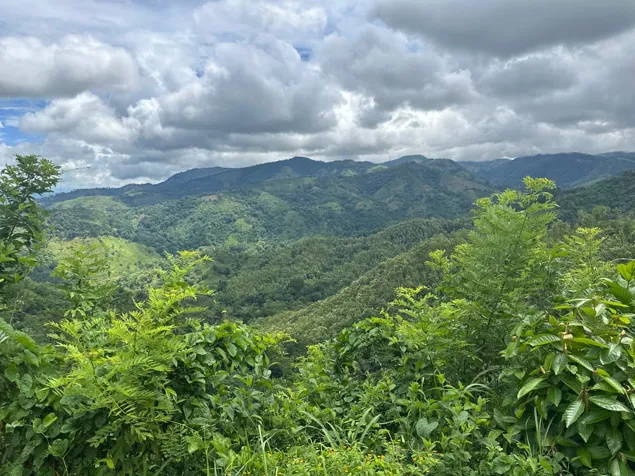
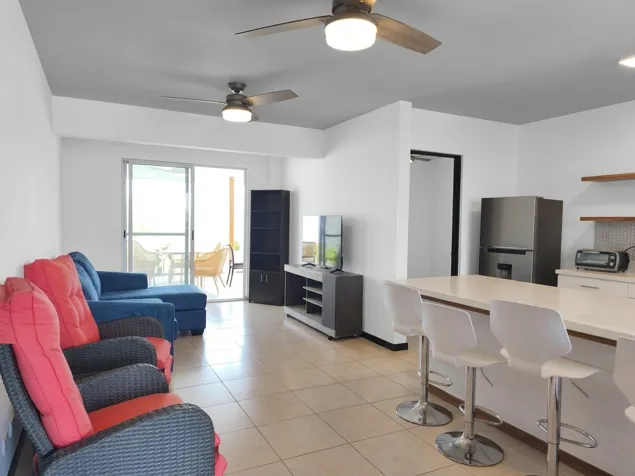
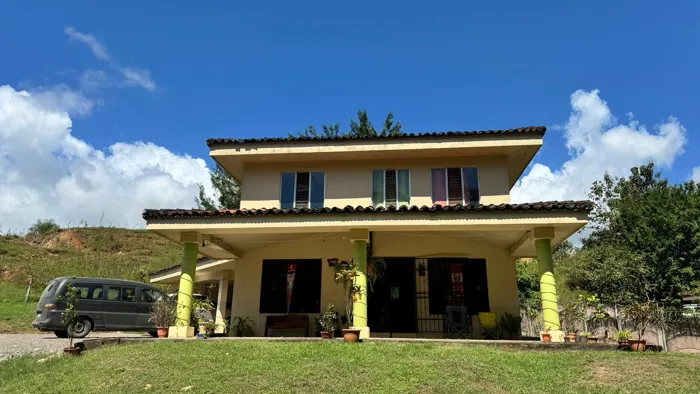
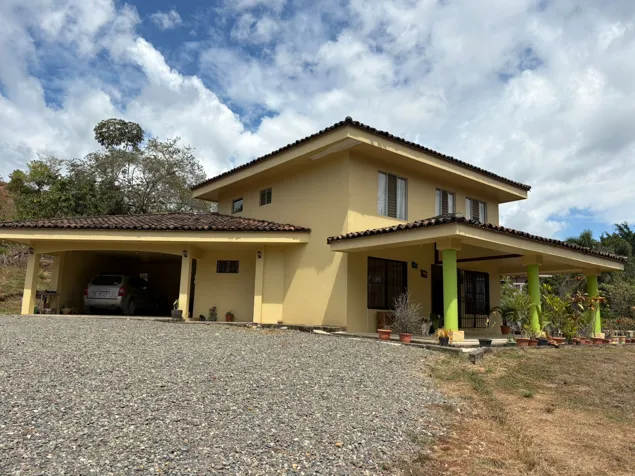
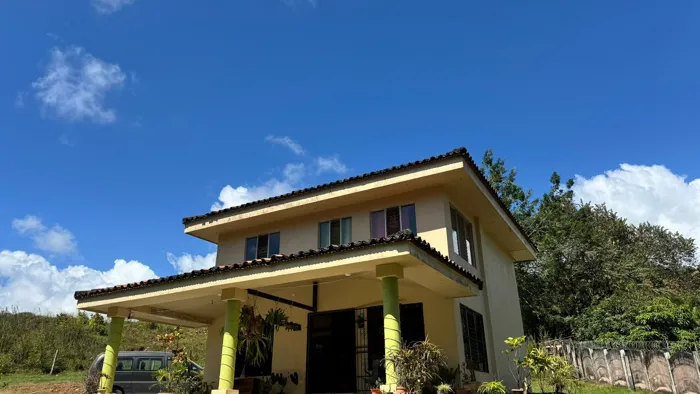
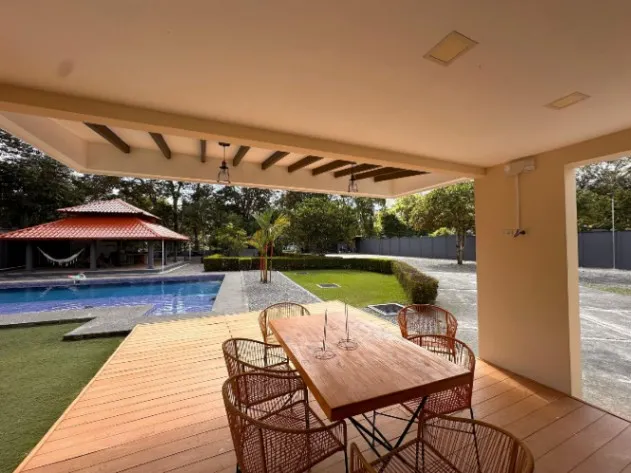
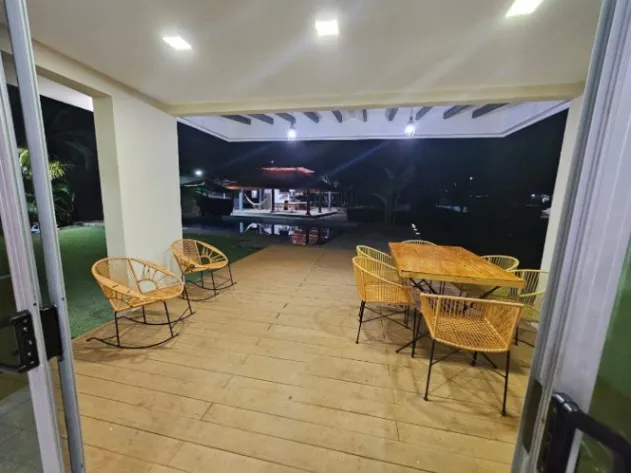
Parrita, Puntarenas real estate covers the canton of Parrita, in the province of Puntarenas, on the Pacific side of Costa Rica. The canton has an area of 482.6 km² (186.3 sq mi) and is made up of a single district, also called Parrita. Buyers here will mostly find houses, lots and farms, so the market suits people who want a home, land to build on or rural property rather than a unit in a managed complex.
What people buy here
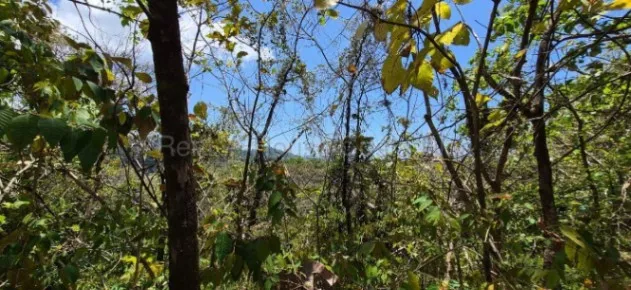
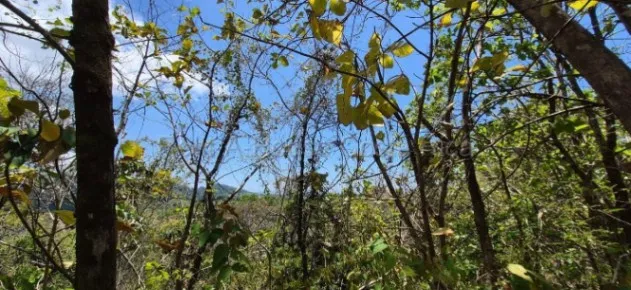
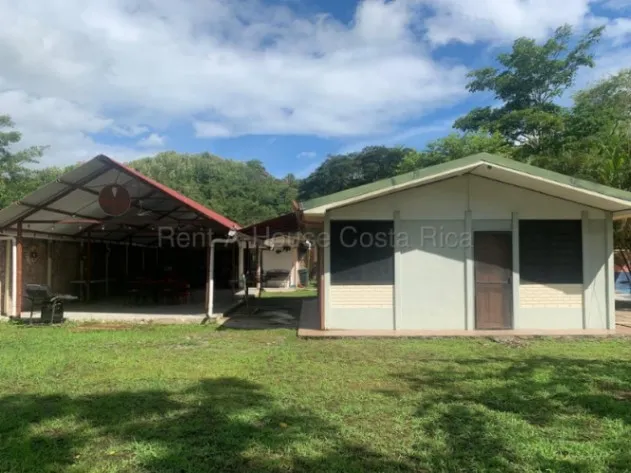
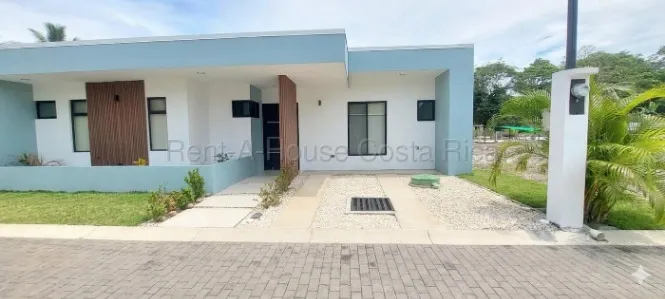
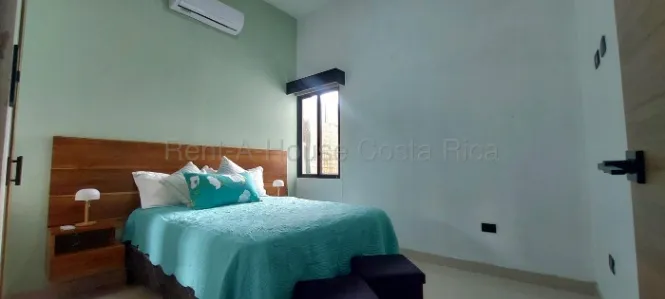
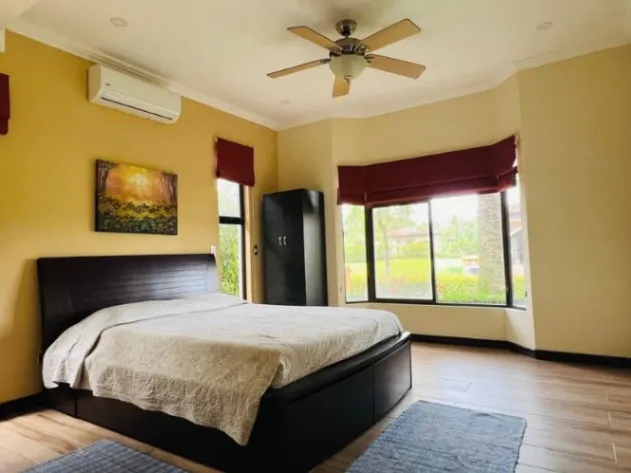
Based on what is listed, several buyer profiles make sense. Someone relocating can buy a house to live in. Someone with a plan can buy a lot and build, once water, power and permits are confirmed. Buyers who want land for agriculture or a country property can look at farms.
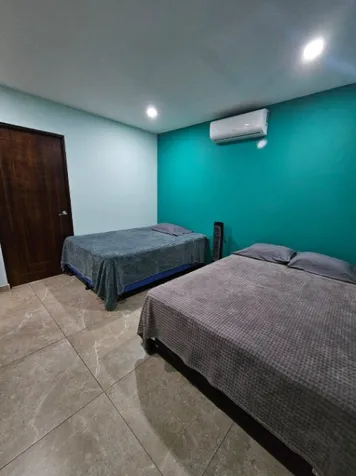
A house can also be bought to rent out later, which makes the purchase a long-term investment. Rental houses do appear in the zone, but income depends on the property, its condition and its access, so test any rental plan against real local demand before you commit.
Advertisements
Property types
The pack lists three types for sale: houses, lots and land, and farms. Each needs a different look.
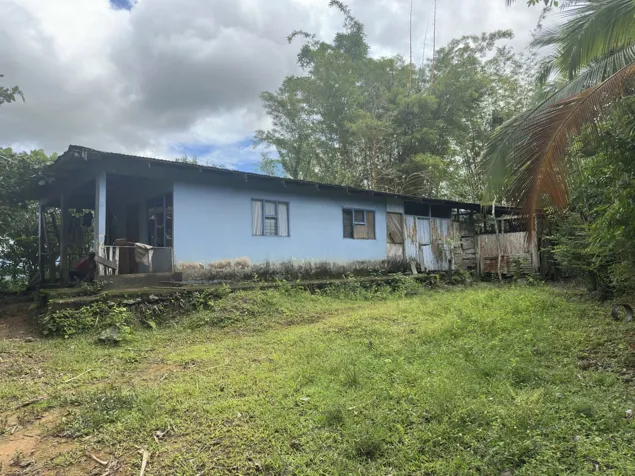
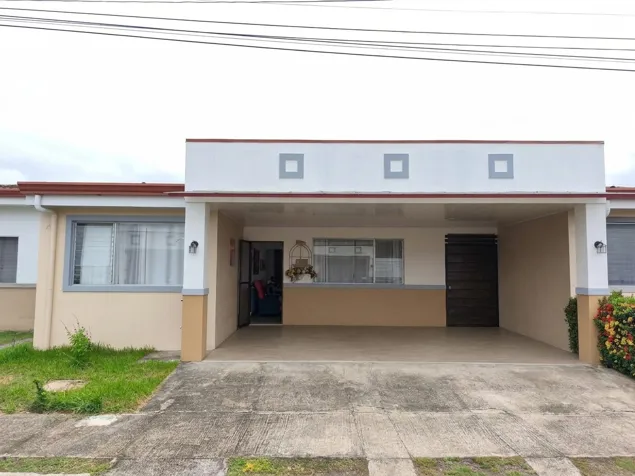
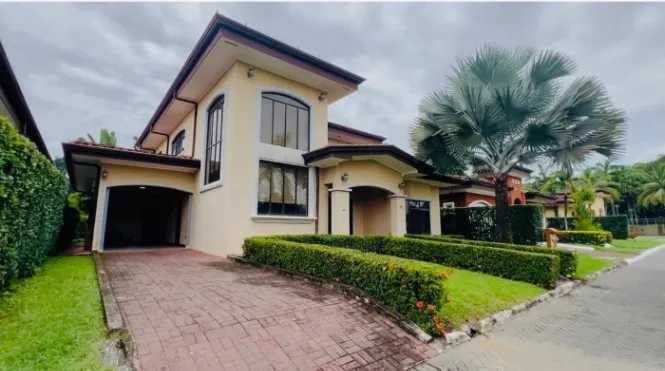
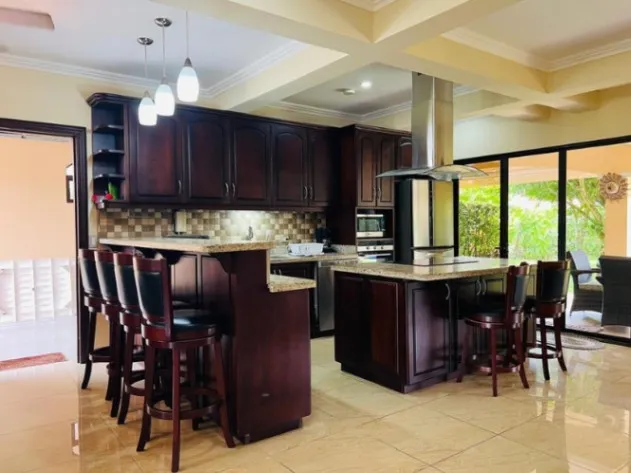
- Houses: check the structure, roof, humidity damage, water supply and whether the construction is registered and matches the plans.
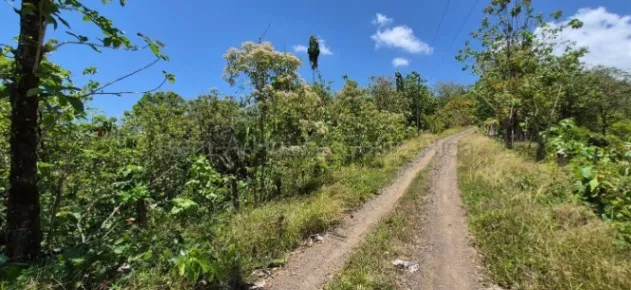
- Lots and land: confirm legal access, boundaries, slope, flooding risk, and whether water and electricity reach the property.
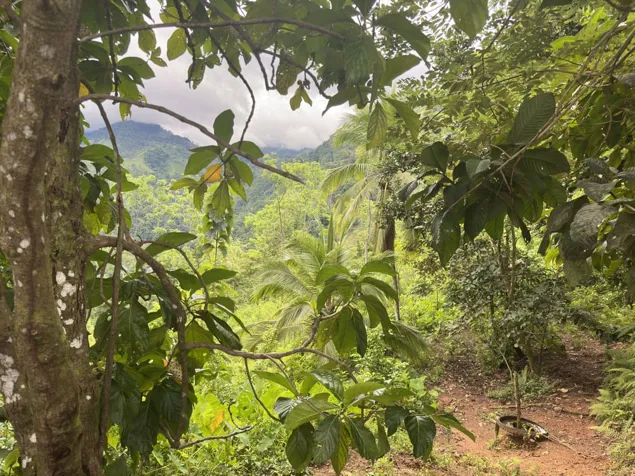
- Farms: check the size on the survey plan, internal roads, water sources and any protected areas on or beside the land.
Why buy here
Parrita is in a coastal canton on the Pacific side of Costa Rica, in the province of Puntarenas. In a straight line it is 49.8 km (30.9 mi) from downtown San José and 49.5 km (30.8 mi) from Juan Santamaría International Airport (SJO). That puts a Pacific-coast canton within reach of the capital and the main international airport.
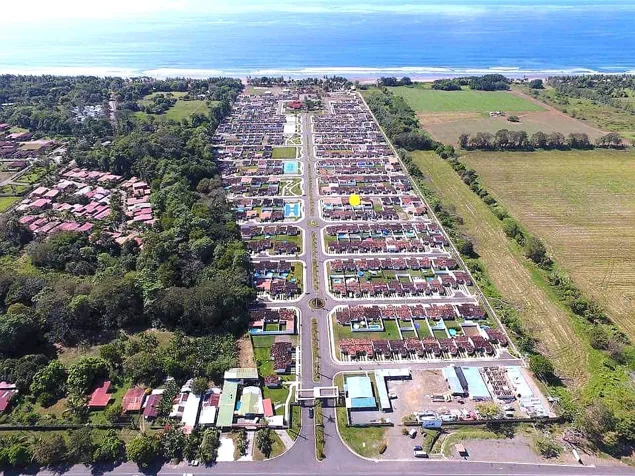
Being coastal also matters for what you buy, since land near the shore can fall under special rules, covered in the checks below.
What to check before buying
- Before investing, run a title search at the National Registry (Registro Nacional) to see who owns the property and whether it carries mortgages, liens or annotations.
- Get a registered survey plan (plano catastrado) that matches the title and what you see on the ground: boundaries, size and access.
- Request a land-use certificate (uso de suelo) from the Municipalidad de Parrita and ask about the canton's zoning plan, if one exists.
- Confirm property tax (Law 7509) and municipal services are paid up to date.
- For lots and farms, get written water availability from AyA or the local ASADA, confirm electricity, and check protection areas around springs and rivers (Forestry Law 7575).
- Near the coast, check whether the land falls inside the maritime-terrestrial zone (Law 6043): the first 50 metres of the 200-metre strip are public and the other 150 are only granted as municipal concessions, not owned outright.
Getting around
This is a canton level page, so the area is described by what makes it up. Parrita has one district, which shares its name with the canton, and the Municipalidad de Parrita is the local authority. Building permits and local procedures go through that municipality.
Real travel time to the capital, the airport or other towns depends on the hour and the road, so visit at the times you would normally travel before deciding.
How to buy
Start by comparing several properties of the same type so you understand local asking prices. Then work with a real estate agent who knows the canton and can help you gather the documents. Agencies and agents with listings in the zone appear further down this same page.
A Costa Rican notary handles the transfer by public deed, and the transfer tax (Law 6999) applies. Ask for the full closing-cost breakdown before signing. Foreigners can own titled property with the same rights as citizens (Article 19 of the Constitution), with the exceptions the law sets.