Palmichal, Acosta, San José real estate: investing guide
Overview
Palmichal, Acosta, San José real estate means land in the third district of the canton of Acosta, in San José province, Costa Rica. The district covers 34.1 km² (13.2 sq mi) and its postal code is 11203. The property type listed for sale here is farms, so a purchase is mostly about rural land rather than a unit in a town development.
Buying here is a long-term decision: a farm is bought for what the land allows and how it can be reached, so it helps to understand the zone before looking at individual listings.
What people buy here
Because farms are what is listed, the buyer profiles that fit are fairly specific. Some people look for a rural property to live on, with room for a house, a garden or a few animals. Others want land to build a home over time, which means checking what the zoning allows before anything else.
A farm can also be an investment if you plan to rent out a house or part of the land later, but that depends on the permitted use and on access. Buyers who want a ready-to-use apartment or a small lot in a developed area will find that this zone, as listed, does not offer those types.
Advertisements
Property types
The pack lists one type for sale in this district: farms. A farm can mean very different things, so look at each one closely:
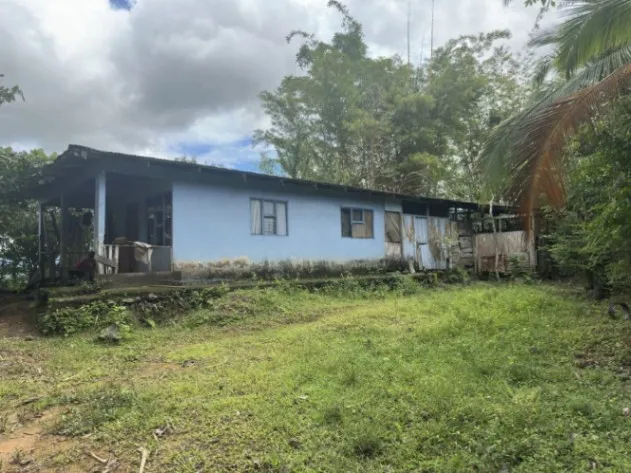
- Condition of any existing house, sheds or fences.
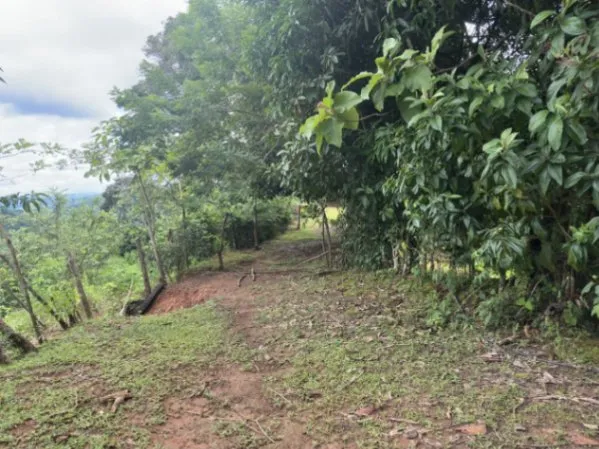
- Access: whether the road reaches the property and who maintains it.
- Water: whether there is a legal connection or a spring, and in whose name.
- Slope and usable area compared with the total size on paper.
- Any rights of way crossing the land.
When there are enough listings, this page shows above what is listed by type and typical prices, which gives a reference point for comparison.
Why buy here
Palmichal is an inland district, not coastal, in the San José province of Costa Rica's Central Valley region. In a straight line it is 4.1 km (2.5 mi) from San Ignacio, the canton seat of Acosta, and 16.4 km (10.2 mi) from downtown San José.
The Juan Santamaría International Airport (SJO) is 18.2 km (11.3 mi) away in a straight line. These are map distances, so they show that the district is close to the capital and the main airport rather than how long a trip takes.
What to check before buying
- Title search at the National Registry (Registro Nacional): who owns the property and whether it carries mortgages, liens or annotations.
- A registered survey plan (plano catastrado) that matches the title and what you see on the ground: boundaries, size and access.
- A land-use certificate (uso de suelo) from the Municipalidad de Acosta and, where one exists, the canton's zoning plan, which says what can be built and for what use.
- Written water availability from AyA or the local ASADA, and electricity, before buying to build; building permits come from the local authority.
- Protection areas around springs and rivers (Forestry Law 7575) and whether the land lies inside or next to a protected wildlife area.
- Property tax (Law 7509) and municipal services paid up to date.
Getting around
Palmichal borders six districts: San Antonio (canton of Escazú), Tarbaca (canton of Aserrí), Tabarcia (canton of Mora), San Antonio (canton of Alajuelita), San Ignacio and Guaitil. That mix of neighbors from several cantons shows how the district sits between Acosta and the southwest edge of the capital area.
The official villages include Agua Blanca, Bajo Cerdas, Bajos de Jorco, Bolívar, Cañadas and Caragral, among others. Real travel time depends on the hour and the road, so visit the property at different times of day before deciding.
How to buy
A purchase is usually organized with a local agent who knows rural land, a Costa Rican notary who prepares the public deed, and a lawyer if you want independent review. Before investing, ask the notary to run the title search and to give you the full closing-cost breakdown, including the transfer tax (Law 6999), before you sign.
Compare several farms before making an offer, looking at size, access and water rather than asking price alone. Agencies and agents with listings in the zone appear further down this same page. Foreigners can own titled property in Costa Rica with the same rights as citizens (Article 19 of the Constitution), with the exceptions the law sets.