

San Pedro, Pérez Zeledón, San José real estate: investing guide
Overview
San Pedro, Pérez Zeledón, San José real estate is what this page covers: San Pedro is the fifth district of the canton of Pérez Zeledón, in San José province, Costa Rica. It covers 205.7 km² (79.4 sq mi) and its postal code is 11905. The listings here are houses, lots and land, farms and commercial spaces, so a purchase usually means a home, a plot to build on, working land or a small business premises. Buying here is a long-term decision, so it helps to understand the district before looking at individual properties.
What people buy here
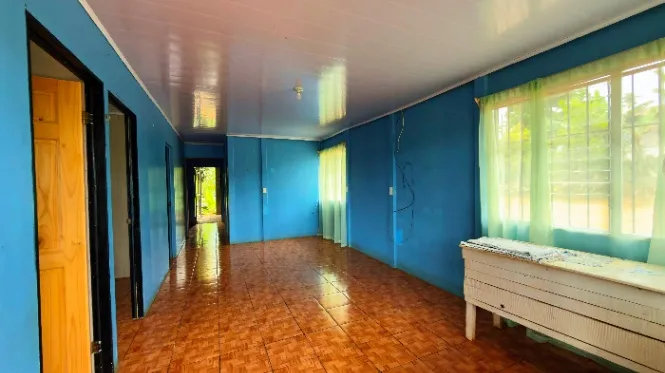
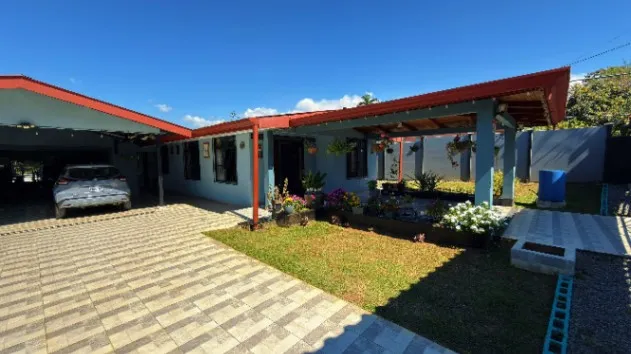
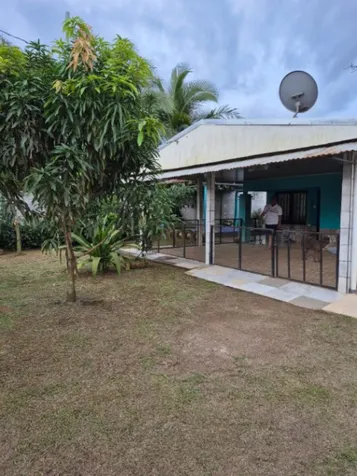
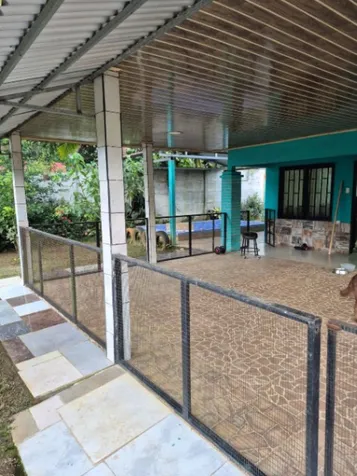
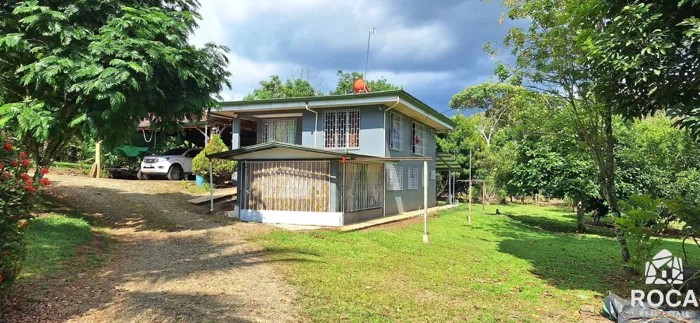
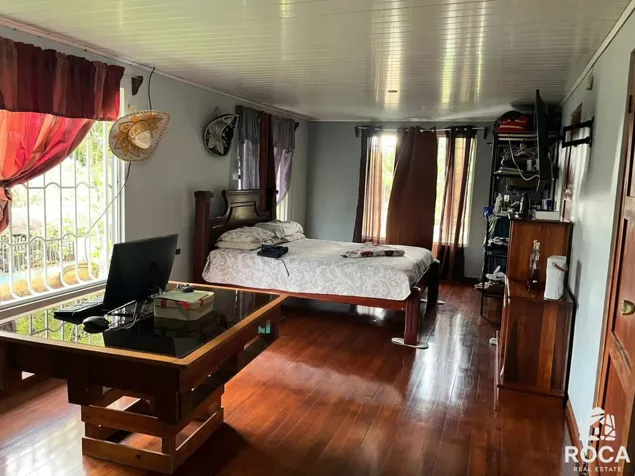
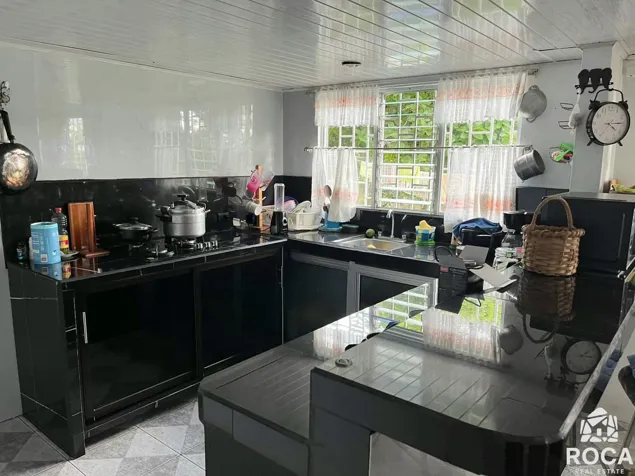
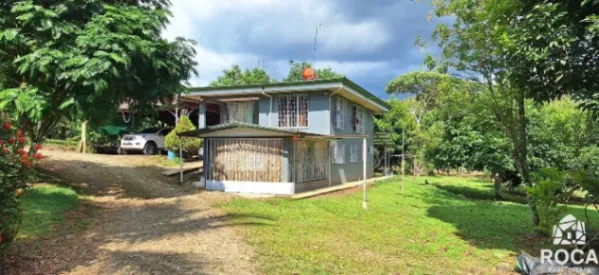
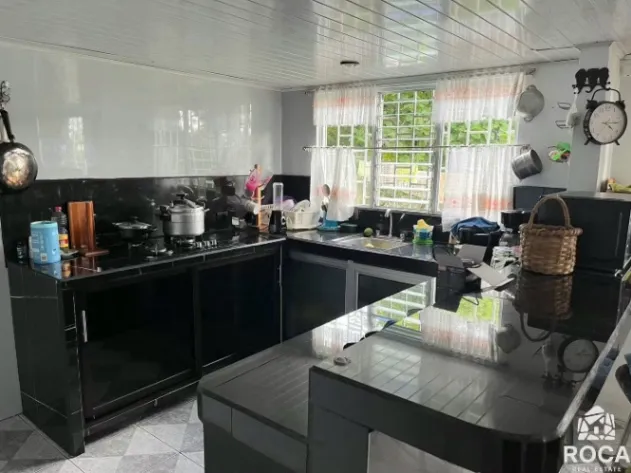
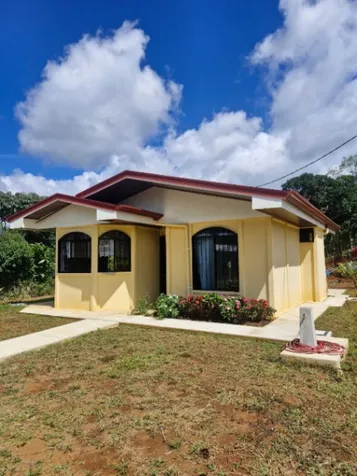
The mix of listings points to a few buyer profiles. Buying a house suits someone who wants a base in the countryside of southern Costa Rica. Buying a lot fits a person who plans to build and can wait for permits and utilities to be arranged.
Farms attract buyers who want land to work or simply more space. Commercial spaces suit someone who wants to run a business locally. Buying to rent out later is also possible, and it counts as investing, but this page lists only properties for sale in the district, so any rental income would be your own plan to test. When there are enough listings, this page shows above what is offered by type and typical prices.
Property types
Four property types are listed for sale in the district. What to look at in each:
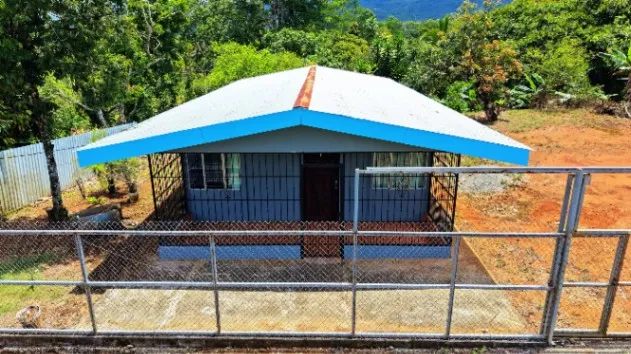
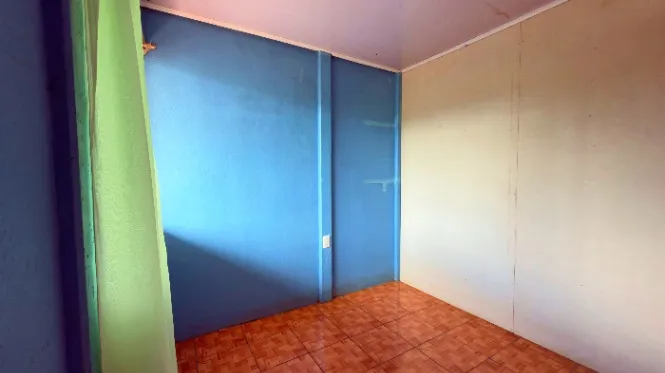
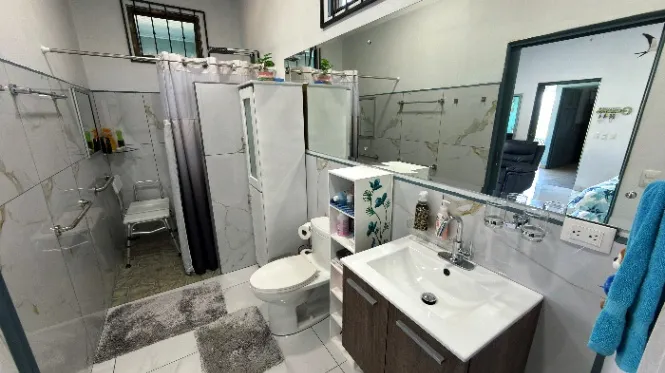
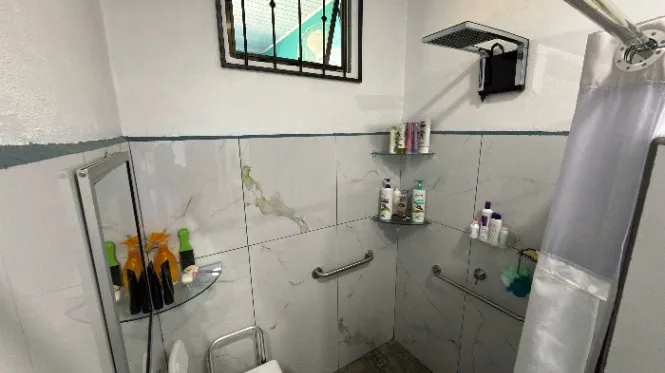
- Houses: structural condition, roof, drainage, and whether water and electricity are connected and in whose name.
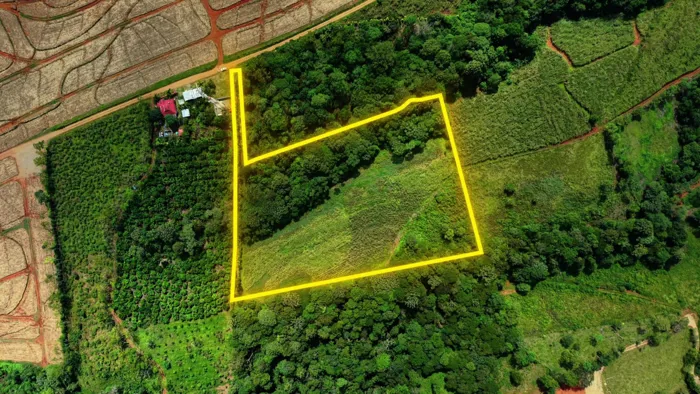
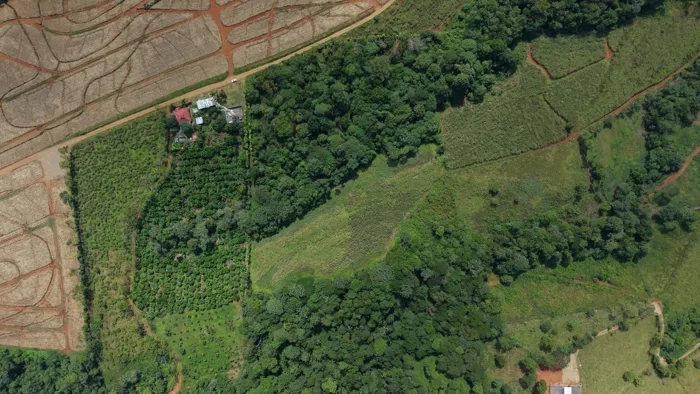
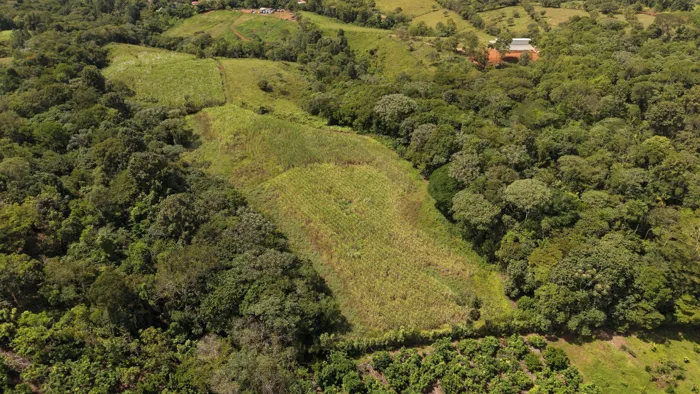
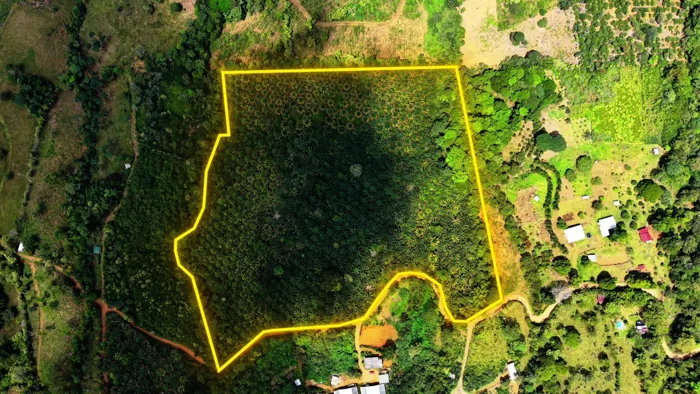
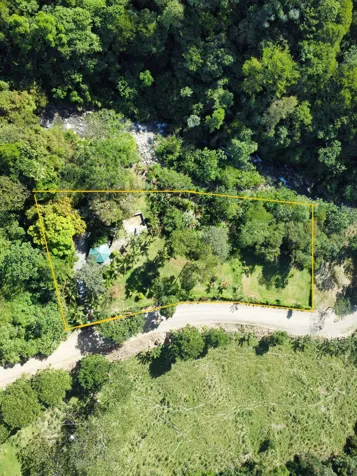
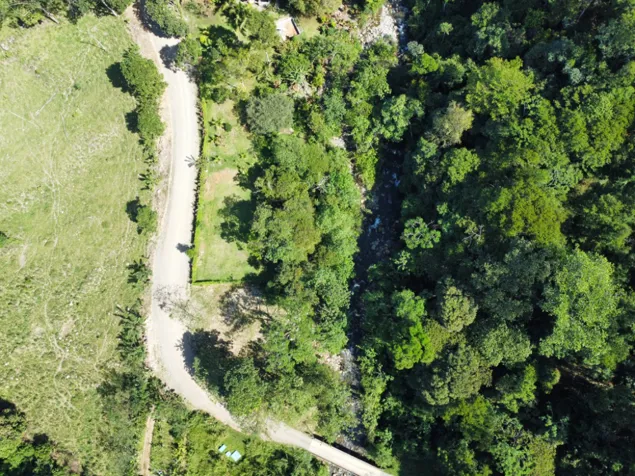
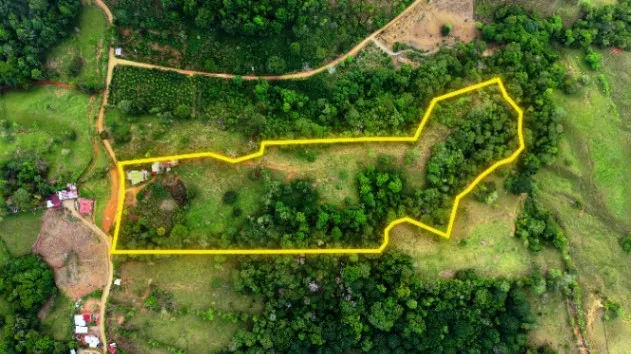
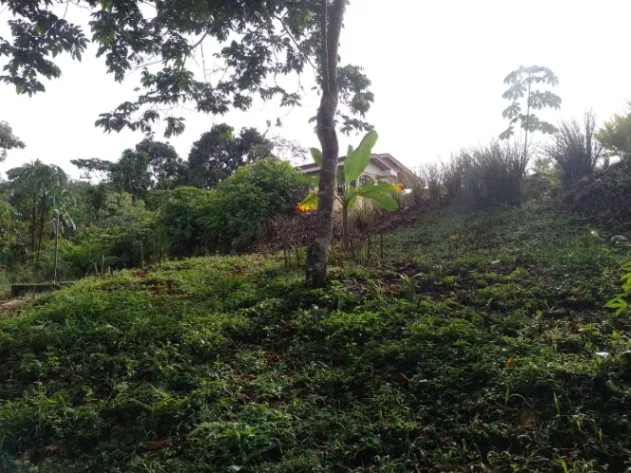
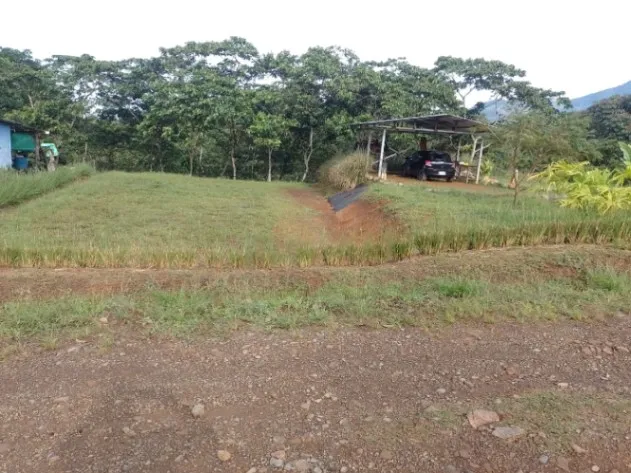
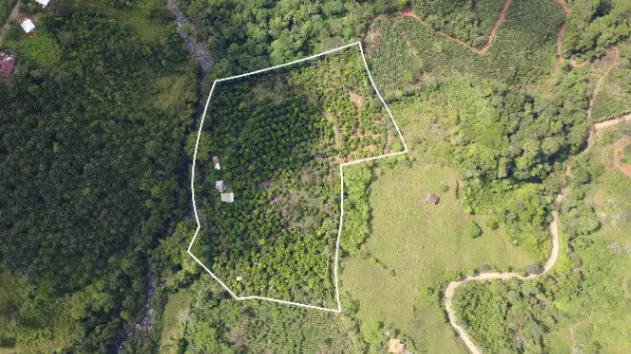
- Lots and land: legal access, slope, boundaries against the survey plan, and written water availability.
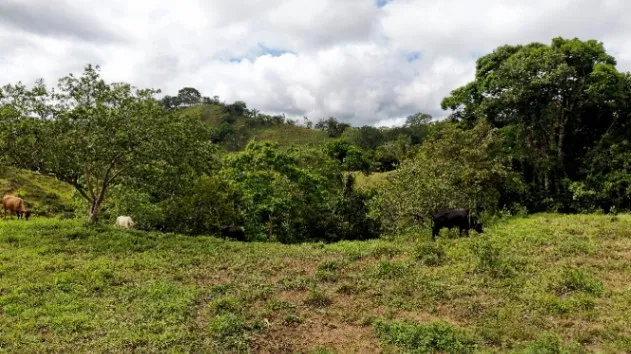
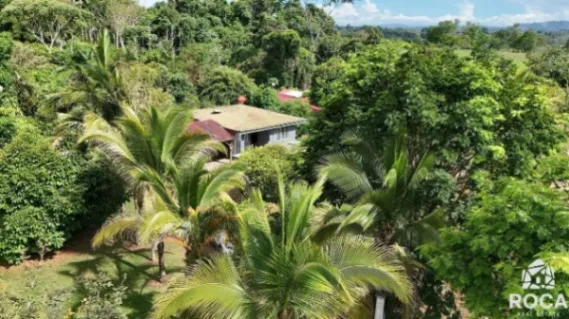
- Farms: access in the rainy season, water sources, and how much of the land is usable.
- Commercial spaces: permitted use, parking and access, and any monthly fees or taxes tied to the premises.
Why buy here
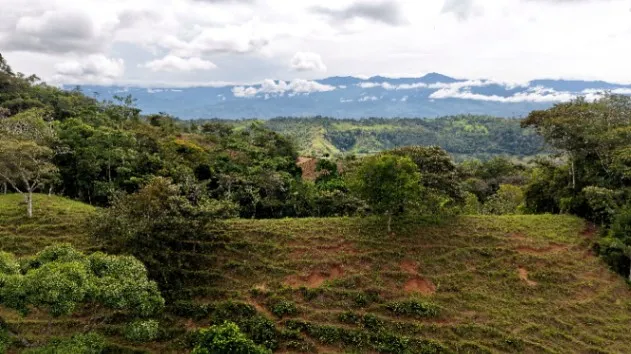
San Pedro is an inland district and is not coastal, so there is no beachfront land to consider. It sits in the canton of Pérez Zeledón, in the south of San José province. In a straight line it is 22.7 km (14.1 mi) from the canton seat, San Isidro de El General, 91.2 km (56.7 mi) from downtown San José, and 106.4 km (66.1 mi) from Juan Santamaría International Airport (SJO).
These are straight-line figures only. They show where the district lies relative to the canton seat and the capital, and they do not replace checking the actual road.
What to check before buying
- A title search at the National Registry (Registro Nacional) to see who owns the property and whether it carries mortgages, liens or annotations.
- A registered survey plan (plano catastrado) that matches the title and what you see on the ground: boundaries, size and access.
- A land-use certificate (uso de suelo) from the Municipalidad de Pérez Zeledón and, where one exists, the canton's zoning plan, which says what can be built and for what use.
- Property tax (Law 7509) and municipal services paid up to date.
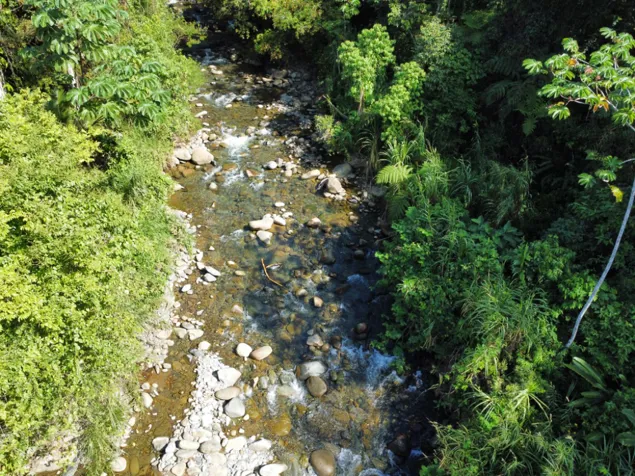
- For lots and farms, written water availability from AyA or the local ASADA, electricity, and building permits from the local authority. Also check protection areas around springs and rivers (Forestry Law 7575) and whether the land lies inside or next to a protected wildlife area.
- The transfer is done by public deed before a Costa Rican notary and pays the transfer tax (Law 6999); ask for the full closing-cost breakdown before signing.
Getting around
San Pedro borders Rivas, Cajón and La Amistad within the same canton or nearby, plus Volcán in the canton of Buenos Aires and Telire in the canton of Talamanca. That places it at the edge of Pérez Zeledón, next to districts in other cantons.
The official neighbourhood is Cruz Roja. Villages include Alto Calderón, Arenilla, Cedral, Fátima, Fortuna, Guaria, Junta and Laguna, among others. Real travel time depends on the hour and the road, so drive the route to a property at the time of day you would normally use it before deciding.
How to buy
A purchase is a long-term investment and is usually organised in steps: compare several properties of the same type, hire a licensed agent if you want help, and engage a Costa Rican notary to run the title search and prepare the deed. Foreigners can own titled property in Costa Rica with the same rights as citizens (Article 19 of the Constitution), with the exceptions the law sets.
Compare asking prices against similar properties before making an offer, and get every closing cost in writing. Agencies and agents with listings in the zone appear further down this same page.