
How technology enhances security in your new home
How technology enhances security in your new home
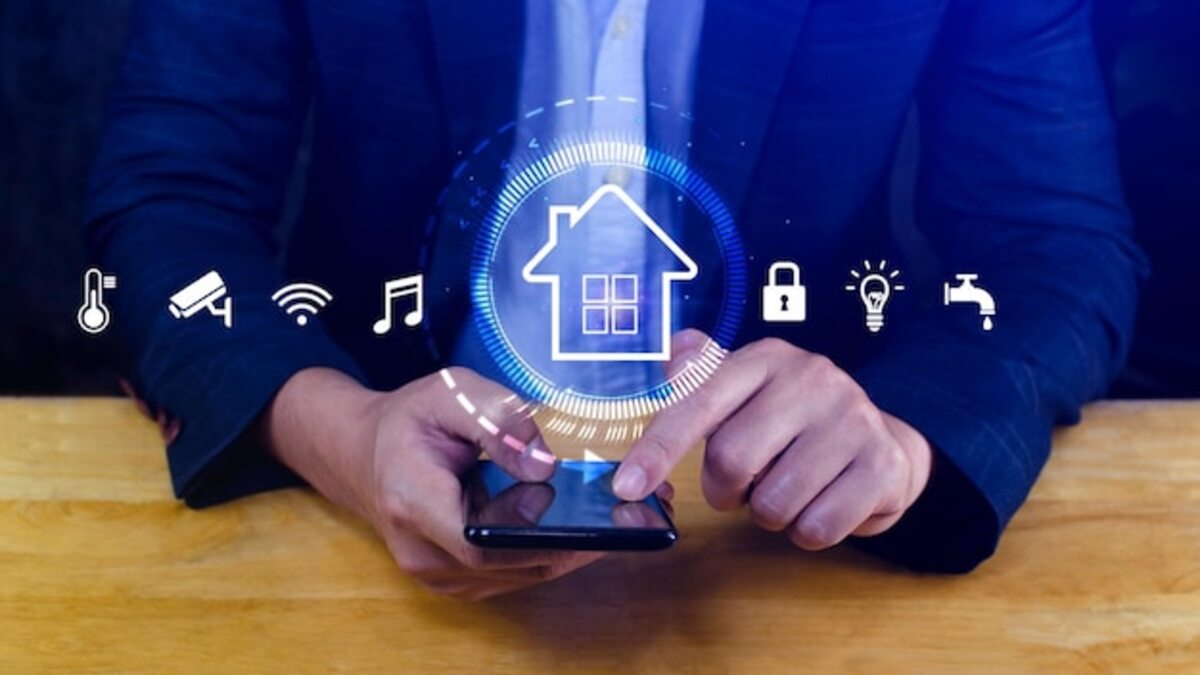
The security of your home is a priority that you cannot overlook. In a world where technology is advancing rapidly, having smart solutions can mean the difference between feeling secure or vulnerable in your new home. From integrated alarm systems to connected surveillance cameras, these devices not only protect your belongings but also provide you with the peace of mind you need to fully enjoy your space. Discover how these innovations can transform your home into a safe and modern haven.
The security of your home is a priority that you cannot overlook. Nowadays, where crime can be a concerning issue, investing in technological solutions has become a necessity. Integrated alarm systems are an excellent option for those seeking a quick response to any eventuality. These systems can be programmed to send instant notifications to your smartphone or even alert local authorities, ensuring that you are always informed about the situation of your home, no matter where you are. The combination of motion sensors and contacts on doors and windows creates a network of protection that provides you with confidence and peace of mind.
In addition to alarm systems, connected surveillance cameras represent another invaluable tool for enhancing security in your home. These cameras allow you to monitor your interior and exterior spaces in real-time through mobile apps, meaning you can check on your home with just a tap on your device. Many current options include advanced features such as facial recognition and artificial intelligence that can differentiate between an intruder and a family member or friend, which reduces false alarms. By integrating these technologies, you transform your home into a safe and modern refuge where you can enjoy yourself without excessive concerns about security.
Advertisements
Smart alarm systems: How do they work and what are their advantages?
Smart alarm systems have revolutionized the way we protect our homes. Unlike traditional systems, these devices connect to the Internet and can be controlled through mobile apps. This allows homeowners to monitor their property in real time, receive instant notifications about any suspicious activity, and even manage other smart home functions from a single platform. Additionally, many models include features such as integrated security cameras, motion sensors, and facial recognition technology, which enhances the system's effectiveness.
One of the main advantages of smart alarm systems is their ability to adapt to the specific needs of the user. For example, security zones can be customized or different modes activated according to the schedule (such as "away mode" when no one is home). Another great advantage is the ability to integrate these systems with other smart home devices, such as lights and electronic locks, creating a safer and more automated environment. This not only enhances protection against theft and vandalism but also provides peace of mind to homeowners knowing they have complete control over their home's security from anywhere.
Security cameras: The digital eye that never rests
Security cameras have revolutionized the way we protect our homes. Equipped with advanced technology, such as Wi-Fi connectivity and night vision, these tools become the digital eye that never rests. Through mobile applications, homeowners can access live images from anywhere in the world, providing unmatched peace of mind. Additionally, many cameras feature motion detection and instant alerts, allowing for quick action in response to any suspicious activity.
The installation of security cameras not only serves as a deterrent for potential intruders but also provides visual evidence in case of incidents. This is especially useful for resolving disputes or filing complaints with the relevant authorities. With the ability to record and store video in the cloud or on local devices, these systems offer a comprehensive solution for keeping your home safe. In an environment where security is paramount, cameras are positioned as an essential investment for those looking to protect their property and loved ones.
Smart lighting: Keeping intruders at bay
Smart lighting has become one of the most effective tools for enhancing home security. By integrating lighting systems controlled through mobile apps or virtual assistants, homeowners can schedule specific times for the lights to turn on and off automatically. This simple yet clever trick simulates the presence of people at home, which is deterrent for potential intruders. Additionally, many systems allow for remote activation of the lighting, providing peace of mind to homeowners even when they are away.
Another significant advantage of smart lighting is its ability to adapt to different security scenarios. Some smart bulbs offer features like color or intensity change, allowing for the creation of personalized and realistic environments. For example, a "vacation" mode can be set up to mimic the usual behavior of the home with lights that subtly flicker or turn off and on at random intervals. Additionally, some devices are compatible with motion sensors, turning on automatically when detecting unusual activity near the home, thus further increasing the level of alertness to potential threats.
Finally, the integration of security cameras with smart lighting systems adds an additional layer to home protection. By linking outdoor lights with cameras, it can be ensured that upon detecting motion, not only will any suspicious activity be recorded, but the affected area will also be instantly illuminated. This combination not only significantly improves visibility at night but can also serve as a powerful deterrent against potential intruders. With these technological advancements at hand, keeping your home safe has never been so accessible and effective.
Electronic locks: Security at the click of a button
Electronic locks have revolutionized the way we secure our homes, offering an unprecedented combination of convenience and security. Unlike traditional locks that rely on physical keys, these innovative locks allow access through numerical codes, magnetic cards, or even mobile applications. This not only eliminates the risk of losing keys but also provides stricter control over who can enter your residence. With features like remote management and the ability to receive real-time notifications, you can keep a vigilant eye on your home's security from anywhere.
Additionally, many electronic locks are designed to integrate with other smart home devices, creating a robust security ecosystem. Imagine being able to schedule specific times for certain people to access your home or automatically activate the lock when it detects that you are leaving. These advanced functionalities not only enhance daily convenience but also provide an additional layer of protection against intrusions. In summary, investing in electronic locks is a smart decision for those looking to improve the security of their new home with accessible and efficient technology.
Motion sensors: The first line of defense
Motion sensors have become an essential tool for enhancing home security. By detecting any movement in specific areas, these devices emit instant alerts, allowing homeowners to act quickly in the event of potential intrusions. Their ability to distinguish between everyday movements and suspicious activities means they not only protect main entrances but also vulnerable points of the home, such as windows and backyards. This technology not only provides peace of mind to residents but also deters potential intruders by knowing they are under constant surveillance.
Additionally, many modern motion sensor models are equipped with advanced functionalities, such as connectivity to mobile applications and integrated alarm systems. This allows users to receive real-time notifications directly on their mobile devices, facilitating home monitoring even when they are away. Some sensors can even activate outdoor lights or security cameras upon detecting movement, creating a safer and less attractive environment for criminals. In a world where prevention is key, having well-placed motion sensors can be a valuable investment in safeguarding your new home.
Remote monitoring: Be the guardian of your home from anywhere.
Remote monitoring has become an essential tool for those who want to maintain the security of their home, no matter where they are. Thanks to internet-connected surveillance cameras and smart alarm systems, it is now possible to observe in real time what is happening in your home from a smartphone or tablet. This technology not only provides peace of mind to homeowners but also allows them to act quickly in any suspicious situation, whether by alerting authorities or taking immediate measures to protect their property.
In addition to instant visual access, many remote monitoring systems offer advanced features such as motion detection and automatic alerts. These features allow the owner to receive notifications instantly if unusual activity is detected, providing an additional level of security. Likewise, some devices allow interaction with people at the entrance of the home through two-way audio, which is useful for managing deliveries or deterring intruders. Thus, being the guardian of your home has never been so accessible and effective thanks to modern technology.
Integration with virtual assistants: Total control and convenience
The integration of virtual assistants in the home has revolutionized the way we interact with our security devices. These assistants, such as Amazon Alexa or Google Assistant, allow users to manage alarm systems, surveillance cameras, and smart locks through simple voice commands. This not only provides total control over the home environment but also adds an extra layer of convenience and accessibility. The ability to check the status of the security system or receive instant alerts about unusual activities, all from the comfort of the couch or while doing other tasks, transforms the user experience and reinforces the sense of protection.
Additionally, the synchronization between multiple devices connected through the virtual assistant facilitates comprehensive home management. For example, you can schedule a routine that automatically turns on the outdoor lights and locks the doors at dusk or receive notifications when someone enters or exits your home. This automation not only enhances security by making it seem like there is activity at home even when you are away, but it also allows you to customize the level of protection according to your specific needs. In summary, integration with virtual assistants transforms any residence into a safer and more efficient space, perfectly adapting to the modern demands of the smart home.
Fire and leak technology: Beyond physical security
The integration of fire and leak technology in the home not only provides an additional layer of physical security but also offers emotional peace of mind to residents. Modern fire detection systems are equipped with advanced sensors that can identify smoke, heat, and toxic gases in real time, alerting occupants before the situation becomes critical. Furthermore, many of these devices are compatible with mobile applications, allowing for instant notifications even when one is away from home. This interconnection between devices ensures a quick and effective response to emergencies.
On the other hand, leak detection technology is equally crucial for home protection. Devices such as smart water sensors not only detect leaks and unwanted accumulations but can also automatically shut off the water supply in the event of a significant leak. This type of solution prevents costly structural damage and minimizes the risk of mold or deterioration. By combining these technological systems with a proactive approach to home maintenance, homeowners can ensure a safer and healthier environment for their families.
Future trends in technology for home security
Home security technology is constantly evolving, and future trends promise to elevate the safety of our homes to a higher level. Among the most notable innovations are artificial intelligence systems that can learn and adapt to the behavior patterns of residents. These systems not only enhance intruder detection but also optimize home management by identifying unusual situations, such as an open door or an unclosed window. Thus, the integration of smart sensors and cameras with facial recognition capabilities will allow for distinguishing between regular visitors and strangers, providing an additional layer of protection.
Another significant trend is the rise of interconnected home automation, where all home devices communicate with each other through secure networks. This interconnection will allow homeowners to control their security from anywhere using mobile applications. Additionally, the incorporation of blockchain technologies promises to further enhance the privacy and security of personal data related to the home. With these innovations underway, the future of secure homes is not only based on preventing intrusions but also on providing peace of mind to their inhabitants by allowing them to stay connected and informed about what is happening inside and outside their residence.
Advertisements
More in Entertainment and Technology

Home, Entertainment and Technology
Optimize your home purchase with accessible and reliable technology.

Home, Entertainment and Technology
Bring your walls to life with interactive digital art at home.

Home, Entertainment and Technology
Design a musical space at home with immersive technology.
Home, Entertainment and Technology
Optimize your home with technology that boosts your real estate investment.
Most viewed in Home

Home, Furniture
Furniture that promotes the art of rest and disconnection

Home, Furniture
How to select furniture that reinforces your investment in Costa Rica
Home, Essential Appliances
Appliances that ensure functionality and style in your home
Home, Security and Technology
Early warning systems for smart home security