
Technological strategies to secure your investment in housing

Are you considering investing in real estate and want to ensure that your money is well protected? In the digital age, technological strategies have become key allies in maximizing the value of your investment. From market analysis tools to smart security systems, discovering how technology can safeguard your home is essential. In this article, we will present various strategies that will help you make informed decisions and protect your assets with confidence.
Market analysis: Technological tools to assess the real value of properties
Market analysis is an essential component for any investor looking to secure their investment in housing. Currently, there are sophisticated technological tools that allow for the accurate and quick evaluation of the real value of properties. These platforms use real-time data on recent sales, market trends, and specific features of homes to generate detailed reports. By leveraging these tools, buyers can gain a clear insight into the fair value of a property before making an offer, thus avoiding impulsive decisions that could lead to significant financial losses.
Many of these technological solutions include interactive maps and comparisons with similar properties in the area, providing a broader perspective of the local market. This not only helps identify attractive opportunities but also allows for a better understanding of the factors affecting a property's long-term value. By integrating market analysis into their decision-making process, investors can create stronger and more informed strategies to maximize their return on investment in the real estate sector. Thus, with accurate and up-to-date information, each step becomes an informed decision toward a more secure financial future.
Advertisements
Smart security systems: Protecting your home with innovation
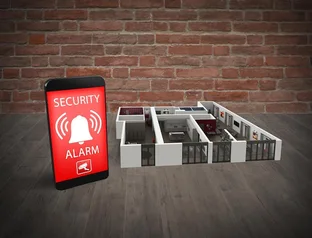
Smart security systems have revolutionized the way we protect our homes. These devices not only provide continuous surveillance through connected cameras but also allow remote control via mobile apps. This means you can monitor your home from anywhere in the world, receiving real-time alerts for any suspicious activity. The integration of technology such as motion sensors, alarms, and smart locks not only enhances security but also provides peace of mind to homeowners, who can feel secure knowing that their investment is protected.
Additionally, many of these systems are designed to be intuitive and easy to install, allowing homeowners to tailor security measures to their specific needs. With advanced features such as facial recognition and the ability to schedule times to activate or deactivate devices, customization is a key aspect that adds to the added value of these technologies. In a real estate market where the protection of assets is vital, investing in a smart security system is not only a prudent decision; it is a guarantee to secure your home against any eventuality.
Remote monitoring: How home automation can protect your investment
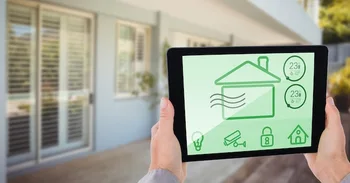
Home automation has revolutionized the way we interact with our homes, and its remote monitoring capability stands out as an essential tool for those looking to protect their real estate investment. Through connected devices, such as security cameras, motion sensors, and smart alarm systems, homeowners can monitor their properties in real-time from anywhere in the world. This not only provides invaluable peace of mind but also allows for quick action in unusual situations or emergencies, minimizing potential damage and thereby safeguarding the property's value.
Additionally, remote monitoring goes beyond security; it also includes efficient management of home resources. With smart thermostats and automated lighting systems, homeowners can optimize energy consumption, which not only contributes to a more sustainable home but can also translate into significant long-term savings. This combination of security and efficiency not only protects your investment by preventing losses from theft or structural damage, but also increases the property's appeal in the event of future transactions. With these technological tools at your disposal, taking care of your investment has never been more accessible and convenient.
Mobile applications: Efficient management of home maintenance
Mobile applications have become essential tools for the efficient management of home maintenance. These platforms not only allow for tracking necessary tasks and repairs but also facilitate the scheduling of reminders for preventive maintenance. From changing filters in the air conditioning to checking electrical installations, having an app that centralizes this data ensures that every aspect of the home is in optimal condition. In this way, homeowners can avoid major problems and costly repairs resulting from neglect.
Additionally, many of these applications offer additional features such as the ability to connect with qualified professionals with a click. This simplifies the process of finding and hiring maintenance services, allowing users to request quotes and even schedule appointments directly from their mobile device. By integrating these technological solutions into the home routine, not only is the time spent on maintenance optimized, but it also ensures that each area of the home receives the appropriate attention. In summary, using mobile applications represents a key strategy to protect your investment and ensure a safe and functional environment.
Sustainable energy: Technological investments that increase the value of your property
Sustainable energy has become a crucial factor when considering the value of a property. Investments in clean technologies, such as solar panels, geothermal heating systems, and energy-efficient appliances not only contribute to reducing environmental impact but also significantly enhance long-term profitability. These solutions allow homeowners to lower their energy bills and increase the efficiency of their homes, which can be a significant attraction for future buyers or tenants interested in more sustainable options.
Additionally, properties equipped with sustainable energy technologies tend to have a higher valuation in the real estate market. As consumers become more environmentally conscious and seek homes that reflect their commitment to sustainability, having eco-friendly features can differentiate your property from others in the area. Implementing these investments not only ensures a more efficient and cost-effective home but also adds emotional and aesthetic value to the space, making it a more desirable option for those looking to settle in a place that promotes a conscious and responsible lifestyle.
Big Data and real estate predictions: Making decisions based on concrete data
The use of Big Data in the real estate sector has revolutionized the way investors make decisions. By collecting and analyzing large volumes of information on price trends, market behavior, and demographic characteristics, data-driven tools enable buyers to identify opportunities that may have previously gone unnoticed. This ability to predict market movements not only helps in selecting properties with high appreciation potential but also allows for risk assessment and loss minimization in less favorable investments. With concrete data, investors can make more informed decisions aligned with their financial objectives.
Moreover, modern analytical platforms offer intuitive visualizations that facilitate the understanding of complex market dynamics. For example, thanks to predictive analysis, it is possible to anticipate changes in demand or identify emerging areas where property values could increase significantly. These tools are not only useful for making smart purchases; they are also valuable for those looking to rent or sell their properties at the right time. Ultimately, integrating Big Data into your real estate strategies will allow you to navigate the market with confidence and secure your long-term investment.
Virtual reality and digital tours: Facilitating the buying and selling of properties
Virtual reality and digital tours have revolutionized the way we buy and sell properties, becoming essential tools for housing investors. These technologies allow potential buyers to take virtual tours of properties from the comfort of their homes, eliminating geographical barriers and saving time. With just a couple of clicks, it is possible to explore every corner of a house or apartment, visualize the space, and assess its layout without the need for physical relocation. This not only facilitates the decision-making process but also broadens the options available for those looking to invest in different markets.
In addition, digital tours offer the possibility of showcasing properties in a more attractive and interactive way. Sellers can highlight unique features through 3D images and immersive videos, thereby increasing the interest of potential buyers. This enriched experience not only enhances the presentation of the property but also generates confidence in its quality. By integrating these technological solutions into the buying-selling process, both buyers and sellers can make more informed and secure decisions, contributing to a more solid and protected real estate investment.
Advertisements
More in Entertainment and Technology

Home, Entertainment and Technology
Optimize your home purchase with accessible and reliable technology.

Home, Entertainment and Technology
Bring your walls to life with interactive digital art at home.

Home, Entertainment and Technology
Design a musical space at home with immersive technology.
Home, Entertainment and Technology
Optimize your home with technology that boosts your real estate investment.
Most viewed in Home

Home, Furniture
Furniture that promotes the art of rest and disconnection

Home, Furniture
How to select furniture that reinforces your investment in Costa Rica
Home, Essential Appliances
Appliances that ensure functionality and style in your home
Home, Security and Technology
Early warning systems for smart home security