
Maximize the potential of your new home with efficient organization.
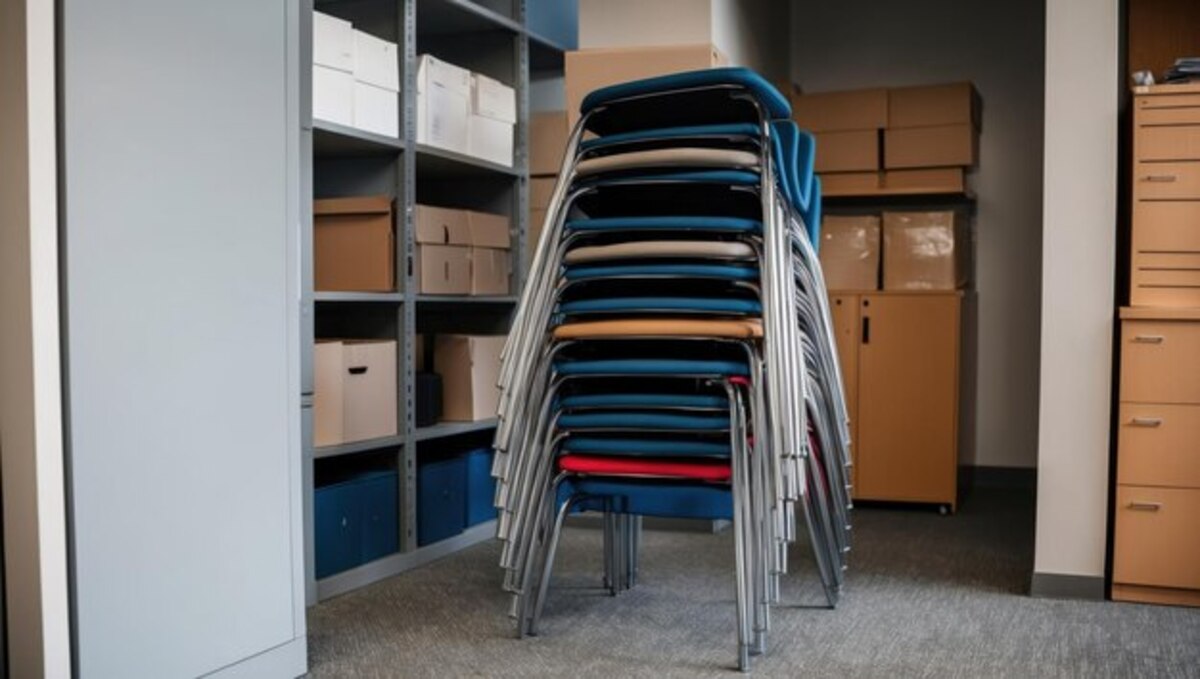
Maximize the potential of your new home with efficient organization. The way you organize your spaces can completely transform the functionality and aesthetics of your house. In this article, you will discover key strategies to optimize every corner, facilitating a more harmonious and productive life. You will learn to declutter, choose smart furniture, and implement systems that adapt to your daily needs. Get ready to enjoy a home that not only looks good but also functions like a dream!
Importance of organization at home: psychological and practical benefits
Home organization goes beyond simple aesthetics; it has a profound impact on our mental health and emotional well-being. An orderly space promotes a sense of calm and control, which can reduce stress and anxiety. When every object has its place, it is easier to focus on daily tasks and enjoy a harmonious environment. The visual clarity that an organized home provides can also foster creativity, allowing minds to feel free to explore new ideas without the distraction of clutter.
In addition to the psychological benefits, efficient organization offers undeniable practical advantages. A well-organized home makes it easier to access the items you need, saving time and energy on everyday tasks like cooking, cleaning, or working from home. Implementing smart storage systems maximizes the use of available space, making even the smallest areas functional. By optimizing every corner of your home, you will not only improve its appearance but also enhance its utility, transforming it into a place where every family member can thrive and feel comfortable.
Advertisements
Strategies to Get Rid of Clutter: The Art of Simplifying
One of the keys to achieving an efficient organization in your home is learning to get rid of clutter. To do this, it is essential to adopt a minimalist mindset, which encourages simplifying and valuing only those items that truly bring joy or functionality to your daily life. Start with each room in your house, carefully reviewing your belongings and asking yourself if you really need them. A good strategy is to apply the six-month rule: if you haven't used an item in that time, it might be the right moment to let it go. This practice will not only help you free up physical space but also create a clearer and more tranquil environment.
The implementation of practical systems can greatly facilitate the process of getting rid of clutter. Use labeled containers, baskets, and organizers that will allow you to easily sort your belongings. By doing so, you will be able to quickly identify what you have and what you no longer need. Additionally, establish a regular maintenance system: dedicate a few minutes each week to review your spaces and discard any unnecessary items before clutter accumulates again. With these strategies, you will transform your home into an organized sanctuary where everything has its place, allowing you to fully enjoy every corner without distractions or visual chaos.
Multifunctional furniture: how to maximize space without sacrificing style
Multifunctional furniture has become an essential solution for those looking to maximize space without sacrificing style. In a home where every square meter counts, opting for pieces that serve more than one function is not only practical but also aesthetically pleasing. For example, a sofa bed can serve as a comfortable place to relax during the day and transform into a cozy bed for guests at night. Similarly, coffee tables with storage or folding desks allow for organization while adding a modern touch to the decor.
When choosing multifunctional furniture, it is important to consider both quality and design. Well-designed pieces are not only functional but also reflect your personal style and enhance the overall aesthetics of the home. Consider furniture that incorporates durable materials and stylish finishes, as well as options that offer versatility without compromising comfort. By implementing these smart solutions, you will create spaces that flow easily and adapt to your daily needs, making your home a more organized and welcoming place.
Vertical storage techniques: make the most of your walls.
Walls are one of the most underutilized resources in home organization. Implementing vertical storage techniques not only frees up floor space but also allows for better visibility and access to your belongings. From floating shelves to decorative hooks, every vertical corner can be transformed into a functional and stylish area. Consider using modular shelves that suit your specific needs; these can be easily adjusted as your requirements or decorative tastes change.
Also, don't forget to take advantage of the space behind doors and in corners. Hanging organizers are ideal for keeping items like shoes, kitchen utensils, or cleaning products within reach without sacrificing the aesthetics of the home. You can also opt for more creative solutions, such as installing a pegboard for tools or a system of stackable bins that provide both storage and a decorative element. By maximizing the use of walls, you will transform your home into a more organized and efficient space, optimizing every square meter available.
Create specific zones: design spaces according to activities
Creating specific zones in your home is essential to maximize its potential and facilitate a more organized lifestyle. By designing spaces according to the activities you engage in, you can enhance the functionality of every corner. For example, establishing a dedicated area for work or study, equipped with ergonomic furniture and sufficient lighting, not only increases productivity but also helps to clearly distinguish between leisure time and work time. Additionally, by creating specific zones such as a reading nook or a relaxation area, you can encourage moments of enjoyment and tranquility in your daily life.
The key is to make the most of every available space. Use open shelves to divide areas without the need for physical walls or incorporate curtains to create temporary divisions in multifunctional rooms. The choice of furniture also plays a crucial role; opt for pieces that can serve multiple purposes, such as sofa beds or extendable tables. This way, you not only organize your belongings efficiently but also make your home easily adaptable to different needs and situations. Creating these specific zones will allow each family member to have their own personalized space, thereby promoting a more harmonious and satisfying coexistence.
Digital tools for effective organization: useful apps and gadgets
In the digital age, having technological tools can be a great ally in achieving effective organization in your home. There are various applications specifically designed to help you manage your daily tasks, from project planning to inventory tracking. Applications like Trello or Todoist allow you to create task lists that can be shared with other household members, facilitating collaboration and ensuring that everyone is aware of their responsibilities. Additionally, some applications offer automatic reminders, which will help you stay on top of home maintenance without additional effort.
Smart gadgets also play a crucial role in organizing the modern home. Devices like virtual assistants or smart speakers can act as control centers, allowing you to organize your daily life through simple voice commands. On the other hand, electronic tags and digital organizers will help you sort and quickly access your belongings without wasting time searching. Implementing these tools not only optimizes physical space but also provides you with greater mental clarity, allowing you to fully enjoy the cozy and tidy environment you have created in your new home.
Maintaining long-term organization: sustainable habits for your home
To maintain long-term organization in your home, it is essential to establish sustainable habits that naturally integrate into your daily routine. This involves creating an organization system that is not only effective when implemented but also easy to maintain over time. Start by assigning a specific place for each item; when everything has its designated space, it is easier to return things to their place after use. For example, use labeled boxes or baskets to group similar items and facilitate access. The key here is consistency: once all household members adopt these habits, you will notice a significant reduction in clutter and an improvement in overall functionality.
Additionally, consider implementing periodic reviews to assess the state of your organization. Setting a day each month to review cabinets, drawers, and shelves will help you identify items that you no longer need or that have lost their usefulness. This practice not only prevents the accumulation of unnecessary things but also gives you the opportunity to reorganize according to your new needs or lifestyle. Remember that maintaining an organized home is not just about having clean and tidy spaces, but also about cultivating an environment where each element contributes to your daily well-being. With small, consistent efforts, you can enjoy a harmonious and functional home for a long time.
Advertisements
More in Organization and Spaces
Home, Organization and Spaces
Discover how to organize your new home to maximize its value.
Home, Organization and Spaces
Organize your new home to maximize investment and comfort.
Home, Organization and Spaces
Intuitive organization for a home that flows with life
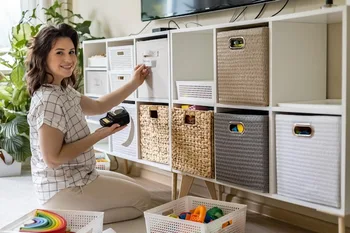
Home, Organization and Spaces
Maximize your new home with essential organizing strategies.
Most viewed in Home
Home, Furniture
Furniture that promotes the art of rest and disconnection
Home, Furniture
How to select furniture that reinforces your investment in Costa Rica
Home, Essential Appliances
Appliances that ensure functionality and style in your home
Home, Security and Technology
Early warning systems for smart home security