
Essential aspects to ensure integrity in your new home
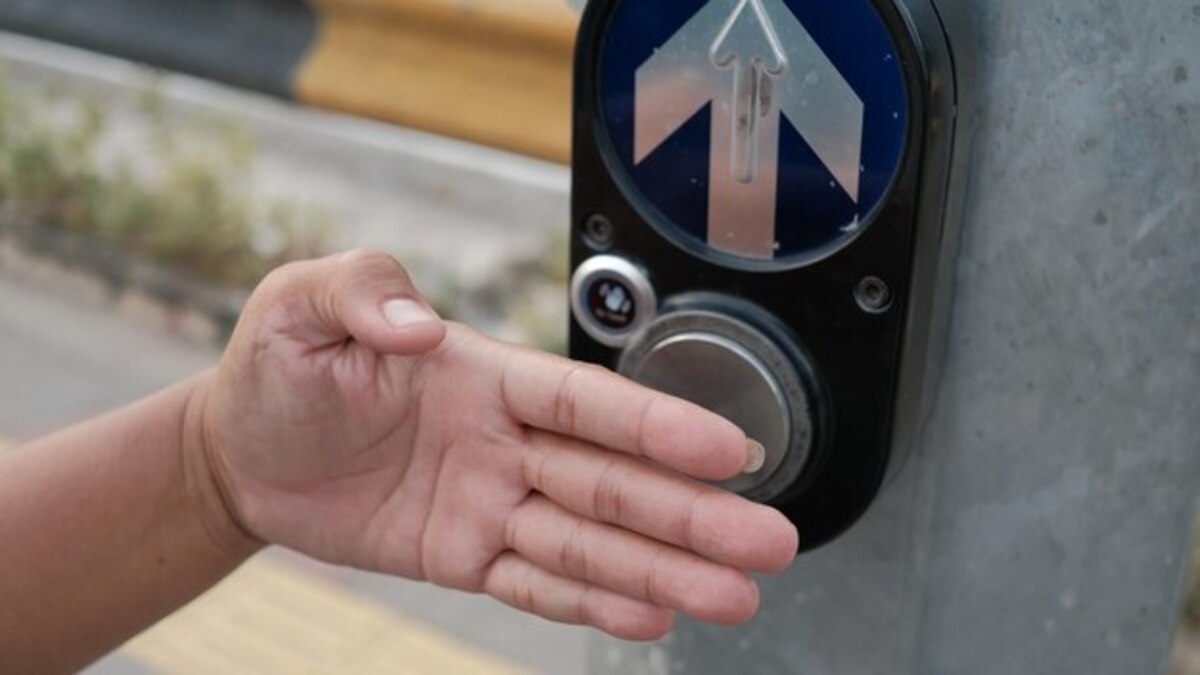
Ensuring the integrity of your new home is a priority that you cannot leave to chance. In a world where security and technology intertwine, it is vital to know the essential elements that will help you protect your personal space. From alarm systems to smart locks, every detail matters in creating a safe and welcoming environment. In this article, you will discover effective strategies and practical tips that will transform your home into a safe haven for you and your loved ones.
The importance of home security: why should you care?
Home security is a fundamental aspect that should not be underestimated. Protecting your personal space not only involves safeguarding your material belongings but also ensuring the peace of mind of those who inhabit it. A safe environment contributes to emotional and psychological well-being, allowing each family member to feel protected and comfortable in their own refuge. By prioritizing security, you are investing in a higher quality of life, where you can enjoy without worries or fears.
Moreover, property crimes have increased over time, making it even more urgent to maintain adequate measures to protect your home. Having effective security systems can deter potential intruders and minimize the risk of theft or damage. Additionally, a well-secured home can even increase its value in the real estate market; potential buyers are often willing to pay more for properties that offer security guarantees. In short, safeguarding the integrity of your home is a responsibility that impacts not only your daily life but also the future of your family’s assets.
Advertisements
Alarm systems: the first step towards effective protection.
The installation of an alarm system is one of the most fundamental steps to ensure the security of your new home. These systems not only act as a deterrent against potential intruders but also provide peace of mind to residents knowing they are protected 24/7. There are various options on the market, from traditional alarms to interconnected smart systems that can be managed from your smartphone. Evaluating your specific needs and adapting the system to the characteristics of your home will allow you to maximize its effectiveness.
Additionally, many modern systems include additional features such as surveillance cameras, motion sensors, and automatic alerts in case of suspicious activity. Integration with other smart devices in the home can create a robust ecosystem that not only protects your property but also enhances your quality of life. Don't forget to consider the possibility of professional monitoring, as having a specialized company can provide an immediate response to any eventuality. Choosing the right system is the first step toward effective protection, thus ensuring the integrity and well-being of all household members.
Smart locks: convenience and security in one device.
Smart locks have revolutionized the way we secure our homes, combining convenience and security in a single device. Unlike traditional locks, these innovative solutions allow access to your home through smartphones, personalized codes, or even facial recognition. This not only eliminates the need for physical keys but also lets you control who enters and exits your house from anywhere. The option to create temporary codes for visitors or service personnel is a standout feature that adds an extra layer of convenience and peace of mind.
Security is also enhanced with smart locks thanks to features such as instant alerts about unauthorized access attempts and the ability to monitor the lock's status in real-time. Some advanced versions even integrate video surveillance systems, allowing you to see who is at the door before opening. With all these features, smart locks not only protect your home against unwanted intrusions but also provide an additional level of control and access that adapts to your daily needs. By choosing this type of technology to secure your new home, you are investing in a safer and more comfortable future for you and your family.
Outdoor lighting: how to deter intruders with light.
Exterior lighting is a powerful tool in protecting your home. A well-lit house not only provides a sense of warmth and welcome but also acts as an effective deterrent against intruders. Dark areas around your property can become ideal hiding spots for those with malicious intentions. Therefore, it is advisable to install lights at strategic points, such as entrances, garages, and side passages. Additionally, using motion sensors can be an excellent strategy; these lights activate in response to any movement and alert both the inhabitants and potential intruders of their presence.
Incorporating smart technology into your outdoor lighting system can take security a step further. The ability to program or remotely control the lights from your mobile phone allows you to simulate home occupancy even when you are away. Additionally, some modern lights come with color-changing and flashing options that can be useful for alerting neighbors or deterring potential intruders by showing unusual activity. Ultimately, by implementing appropriate and strategic outdoor lighting, you will not only beautify your home but also create an environment less prone to external threats.
Surveillance cameras: keep an eye on your property from anywhere.
Surveillance cameras have become an essential tool for those who want to maintain constant control over their property. These modern technological solutions allow you to observe and record what happens inside and outside your home, providing peace of mind even when you're not present. Thanks to Wi-Fi connectivity and mobile applications, you can receive real-time alerts and access images from anywhere, whether you're working, traveling, or enjoying a vacation. This capability for remote monitoring not only provides security but can also act as an effective deterrent against potential intruders.
Additionally, many modern surveillance cameras offer advanced features such as night vision, motion detection, and continuous recording. Some models even include two-way audio functions, allowing you to communicate with people on your property in real time. Integrating this type of technology into your security system not only enhances the protection of your home but also helps create a safer environment for you and your loved ones. By choosing the right system according to your specific needs and the design of your home, you will be taking a significant step towards creating the safe haven you desire.
Motion sensors: technology that protects without complications.
Motion sensors have become an indispensable tool for those looking to enhance their home security without complications. These devices, which use advanced technology to detect movement in specific areas, allow for the identification of unusual activities and send instant alerts to owners or security services. By strategically installing sensors at entrances, hallways, and outdoor spaces, you can create an efficient surveillance system that acts as an effective deterrent against intruders. Their ease of installation and setup means that anyone can benefit from this technology without needing to be an expert.
Additionally, many modern models offer additional features, such as integration with mobile applications that allow you to monitor your home in real time from anywhere. This means you can receive immediate notifications if movement is detected while you are away, providing you with peace of mind knowing that your space is protected even from a distance. The combination of motion sensors with other security measures, such as cameras and alarms, creates a safer and more connected environment. In summary, these devices not only provide an additional layer of protection to your new home but do so without complications or excessive worries.
Cybersecurity at home: protect your connected devices.
Cybersecurity at home is a fundamental aspect that is often overlooked. As more devices connect to the Internet, from security cameras to smart thermostats, vulnerability to digital threats increases. Therefore, it is crucial to establish a secure network and protect each of your connected devices. This includes changing default passwords to strong and unique ones, as well as keeping software updated to fix potential security flaws. Additionally, consider implementing a separate Wi-Fi network for your IoT (Internet of Things) devices, which will limit access in case one of them is compromised.
Another effective measure is to use tools like firewalls and antivirus specific to your smart devices. These tools help monitor suspicious activities and protect your personal information from intruders. It is also important to educate all household members about safe online practices, such as not clicking on unknown links or downloading unverified applications. By adopting a proactive approach to cybersecurity, you can significantly minimize risks and enjoy your connected home with peace of mind.
Physical barriers: reinforced fences and gates as the first line of defense.
Physical barriers, such as fences and reinforced doors, play a crucial role in the security of your home. These structures not only serve as a first line of defense against intruders but also provide a sense of privacy and peace of mind. When choosing appropriate fences, consider durable materials and designs that hinder unauthorized access. Fences can be made of treated wood, wrought iron, or even composite materials, each offering different levels of protection and aesthetics that suit your personal style.
Reinforced doors are another essential component in the home security strategy. Equipped with robust locks and enhanced anchoring systems, these doors are more difficult to force open. Additionally, many modern doors include extra features such as reinforced frames and laminated glass that increase their resistance to impacts. By investing in a solid and well-installed door, you not only protect your belongings but also provide an effective barrier against potential external threats. Together, these physical measures establish a strong foundation for the overall security of your new home.
Family planning in emergencies: prepare for the unexpected.
Emergency family planning is a crucial aspect of home safety. It is essential that every family member knows the procedures to follow in case of an unexpected situation, such as fires, natural disasters, or even burglaries. This includes establishing a clear evacuation plan and designating safe meeting points outside the home. Additionally, it is advisable to conduct regular drills to ensure that everyone is familiar with the procedure and can act quickly and confidently when needed. Effective communication is key; so make sure that each person knows how to contact each other in case of separation during an emergency.
Having a well-equipped emergency kit can make a difference in critical moments. This kit should include essential items such as drinking water, non-perishable food, flashlights, a first aid kit, and important documents stored in a safe place. Each family has specific needs, so customize your kit according to the characteristics and preferences of the household members. Do not underestimate the power of being prepared; good planning can provide peace of mind and increase the chances of keeping your family safe in adverse situations. With a proactive approach to emergencies, you will turn your new home into a truly safe haven for your loved ones.
Regular maintenance of security systems: ensuring their continued effectiveness.
Regular maintenance of security systems in your home is a crucial part of ensuring their continued effectiveness. Devices such as surveillance cameras, alarms, and sensors require periodic checks to ensure they are functioning properly. A system that has not been maintained adequately may fail at critical moments, which could compromise the safety of your home and the peace of mind of your family. Performing routine checks will allow you to identify any potential issues before they become a real threat.
In addition to physical maintenance, it is important to update the software and settings of your smart devices. Many modern security systems operate through apps that can receive updates with improvements and fixes to protect you against vulnerabilities. Also, make sure to change passwords regularly and review who has access to your systems. By following these steps, you can maintain a secure environment and respond quickly to any eventuality, thus ensuring the ongoing integrity and protection of your new home.
Advertisements
More in Security and Technology
Home, Security and Technology
Early warning systems for smart home security

Home, Security and Technology
Tips to secure your investment when buying property in Costa Rica
Home, Security and Technology
Innovation in security systems for smart homes

Home, Security and Technology
Redefining home security with smart mesh technology
Most viewed in Home

Home, Furniture
Furniture that promotes the art of rest and disconnection

Home, Furniture
How to select furniture that reinforces your investment in Costa Rica
Home, Essential Appliances
Appliances that ensure functionality and style in your home
Home, Security and Technology
Early warning systems for smart home security