
Essential aspects to ensure safety in your new home
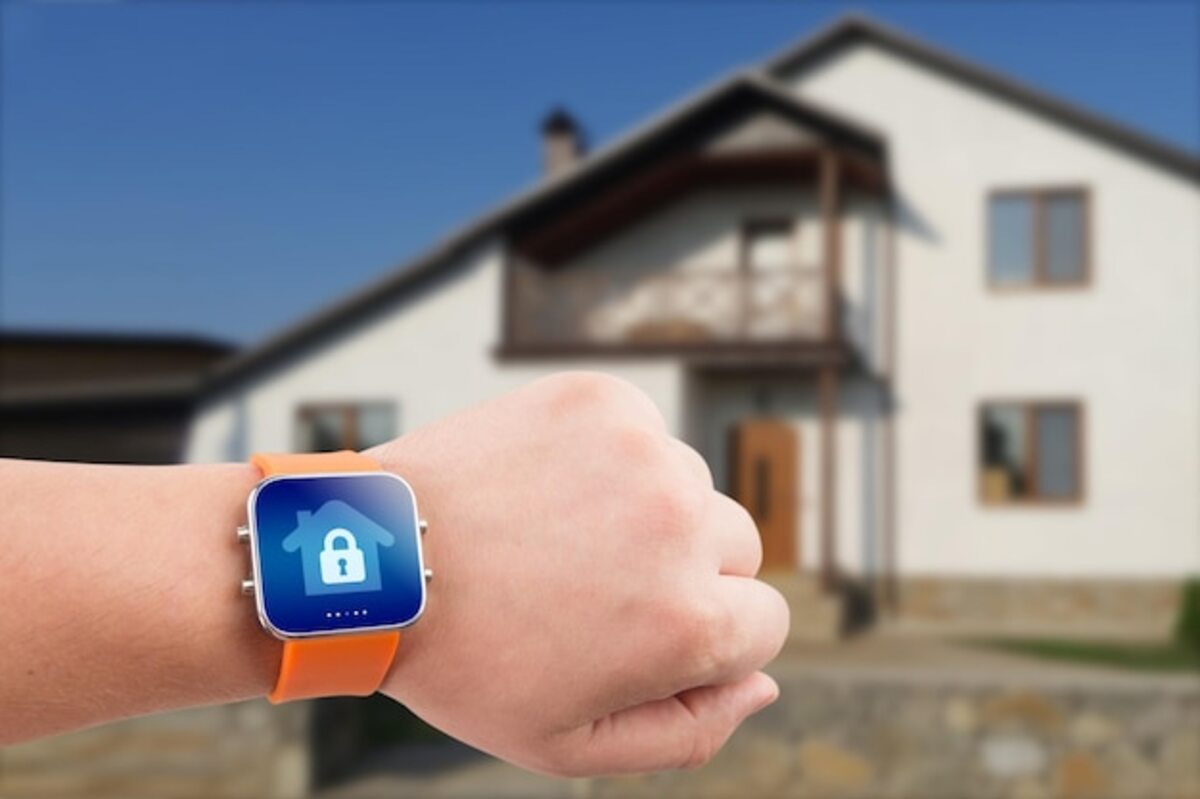
The security of your new home is a priority that you cannot overlook. As you settle into a space that promises to be your refuge, it is essential to implement the appropriate measures to protect it. In this article, we will explore the essential aspects that will ensure the safety of your home through the effective integration of technology and best practices. From surveillance systems to practical tips, discover how to create a safe and welcoming environment for you and your loved ones.
Importance of home security: Why should you care?
Home security is an aspect that not only safeguards your belongings but also protects the physical and emotional well-being of those who live in it. A safe environment provides peace of mind, allowing you to fully enjoy your space without the constant worry of potential intrusions or accidents. The lack of adequate measures can turn your home into an easy target for criminals, which not only jeopardizes your material possessions but also affects the sense of well-being and comfort that should characterize your personal refuge. Therefore, investing time and resources in improving security is a smart and necessary decision.
Moreover, the importance of home security goes beyond mere protection against theft; it extends to preventing household accidents such as fires or falls. Implementing appropriate security measures involves creating an environment where each family member can move with confidence. From installing smoke detectors to securing stairs and windows, these practices not only minimize risks but also promote a more harmonious family environment. In summary, caring about home security is essential for ensuring a calm and protected life in the long term.
Advertisements
Alarm systems: Which one is the most suitable for you?
When choosing an alarm system for your new home, it is crucial to consider your specific needs and the type of protection you want. There are various options on the market, from basic systems that only emit an audible alarm to advanced systems that include 24/7 monitoring, security cameras, and motion sensors. Evaluate factors such as the size of your home, the number of entrances and exits, as well as whether you want to integrate other smart devices. Conducting a detailed analysis will help you select a solution that not only fits your budget but also provides the necessary peace of mind.
Also, consider usability and additional features that can enhance security. Some systems allow management through mobile apps, giving you the ability to control home security from anywhere. It is also important to research installation options: some systems are DIY (do it yourself), while others require professional installation. Be sure to read reviews and compare features to find the system that is most suitable for you; at the end of the day, the most important thing is to feel safe in your own space.
Surveillance cameras: Choosing the best options on the market.
To ensure the safety of your home, choosing the right surveillance camera is a crucial step. In today's market, there is a wide variety of options that cater to different needs and budgets. When selecting a camera, consider factors such as image quality, night recording capability, and connectivity options. Cameras with HD resolution or higher provide sharper images, which can be essential for identifying faces or license plates. Additionally, cameras equipped with night vision will allow you to monitor your spaces even in low-light conditions, providing continuous protection.
Another aspect to consider is the possibility of accessing your cameras remotely. Many options available on the market allow for connection through mobile apps, enabling you to monitor your home from anywhere. It is also advisable to choose models that offer cloud storage or SD card storage to ensure that you do not lose any important evidence. Integration with smart home systems can be an additional advantage; some cameras can link with alarms and sensors to create a complete system that maximizes your security and peace of mind. With these considerations in mind, you can make informed and effective decisions to protect your new haven.
Outdoor lighting: How to deter intruders with light.
Exterior lighting is a key element in the security of your home, as it not only beautifies the space but also acts as a deterrent barrier for potential intruders. A well-lit environment reduces shadows and dark corners where criminals could hide. By installing lights in entrances, hallways, patios, and vulnerable areas, you enhance the visibility of the area, which in turn increases the perception of risk for those considering unauthorized entry. Additionally, the use of motion sensors can be very effective; these lights activate upon detecting movement, surprising any intruder and alerting residents.
Integrating different types of outdoor lighting can maximize its effectiveness. LED lights are a popular choice due to their low energy consumption and long lifespan. Also consider installing decorative lighting that not only enhances the aesthetics of the home but also provides functionality. The combination of fixed and movable lights allows you to adjust the lighting according to your specific needs and the time of day. Remember that the key is to create a well-lit environment where any suspicious activity is easily visible, making your home less attractive to intruders.
Smart locks: Advantages and disadvantages.
Smart locks have become a popular option for those looking to enhance the security of their home. One of the main advantages of these locks is the convenience they offer; you can control access to your home from your smartphone, allowing you to unlock doors without the need for physical keys and share temporary codes with visitors or maintenance services. Additionally, many smart locks feature advanced functionalities such as real-time alerts and access logs, providing you with greater control over who enters and exits your home. However, it is also essential to consider some disadvantages associated with smart locks. One of the most concerning aspects is their vulnerability to cyber attacks; if digital security measures are not properly implemented, these locks can be hacked. Furthermore, in the event of a power outage or system failure, you could find yourself locked out of your house if you do not have an alternative method to gain access. Therefore, when opting for a smart lock, it is important to carefully weigh its benefits against the potential risks and ensure that you choose a reliable option with good cybersecurity practices.
Wi-Fi Security: Protecting Your Personal Information.
The security of your Wi-Fi network is a crucial aspect to protect your personal information and that of your family. Often, wireless networks become the gateway for digital intruders seeking to access sensitive data, such as passwords and banking details. To safeguard your information, it is essential to change the default credentials of the router, use a strong password that includes a combination of letters, numbers, and special characters, and enable WPA3 authentication if available. Additionally, consider hiding the SSID (network name) so that it is not visible to potential attackers.
Another important measure is to ensure that your devices are always updated with the latest software and firmware versions. Updates often include security patches that fix detected vulnerabilities. Additionally, avoid connecting unnecessary devices to your Wi-Fi network; each additional device represents a potential risk. Implementing a separate network for guests can also add an extra layer of protection. By following these steps, you can enjoy a safer digital environment while feeling comfortable in your new home.
Remote access control: Monitoring your home from anywhere.
Remote access control has become an indispensable tool for those looking to maintain the security of their home from anywhere. Thanks to current technology, you can monitor the entrances and exits of your residence through applications on your smartphone or tablet. Surveillance cameras, smart locks, and alarm systems connected to the Internet allow you to stay aware of what is happening in your home in real time. With just a tap, you can view live images, receive notifications about suspicious activities, and even unlock doors to grant access to family members or services without having to be physically present.
Additionally, remote access control is not limited to visual monitoring; it also includes the ability to interact with smart devices that further enhance your security. For example, you can schedule lights to turn on and off at specific times, thereby simulating that someone is home even when you are away. This strategy deters potential intruders and adds an extra layer of protection. Implementing a comprehensive system that combines these technologies not only provides you with peace of mind while you are away, but also allows you to manage your home efficiently and securely from anywhere in the world.
Neighbors as allies: The importance of a watchful community.
Home security depends not only on the measures you implement within it but also on the surrounding environment. Having neighbors as allies can be an effective strategy for creating a safer atmosphere. A vigilant community becomes a support system where everyone strives to maintain neighborhood safety. By fostering good relationships and keeping open communication with your neighbors, you can stay informed about any suspicious activity and share valuable information that contributes to collective protection.
Additionally, participating in community activities or watch groups can strengthen the sense of belonging and responsibility among residents. Organizing regular meetings to discuss safety-related issues allows for the identification of potential risks and the development of joint plans to address them. This collaboration not only makes each home safer but also creates a friendly and trustworthy environment where all community members feel protected and supported. Ultimately, remembering that safety is a shared responsibility can make a difference in your new home.
Emergency plans: Preparing your family for the unexpected.
Emergency preparedness is a key component of home safety that should not be underestimated. Having a clear and accessible action plan can make a significant difference in times of crisis, whether due to natural disasters, fires, or any other unexpected situation. Start by discussing with your family the potential threats that could arise in your area and ensure that each member knows their specific role within the plan. Establishing meeting points, evacuation routes, and communication methods are essential steps to ensure that everyone is prepared and can act quickly when needed.
It is also advisable to conduct periodic drills to familiarize everyone with the process and adjust the plan as necessary. Including emergency kits in your home, containing basic supplies such as water, non-perishable food, flashlights, and first aid kits, is also crucial. Make sure to check these kits regularly to maintain their effectiveness. By taking these proactive precautions, you will not only be protecting your family from the unexpected, but you will also foster a sense of security and confidence in the new space that you now call home.
Regular maintenance of safety equipment: Key to its effectiveness.
Regular maintenance of security equipment is a critical aspect that should not be overlooked when ensuring the protection of your home. Systems like alarms, surveillance cameras, and smoke detectors require periodic checks to ensure they are functioning correctly. Ignoring these tasks can lead to failures at crucial moments, when their effectiveness is needed the most. Therefore, establish a schedule to check and maintain these devices, ensuring they are clean, updated, and have functioning batteries.
In addition to physical inspections, it is also important to stay updated with security software updates if you have systems connected to the internet. These updates not only improve the performance of the equipment but also fix vulnerabilities that could be exploited by intruders. Implementing a proactive approach to maintenance ensures not only the continued effectiveness of your security measures but also the peace of mind needed to fully enjoy your new home.
Advertisements
More in Security and Technology
Home, Security and Technology
Early warning systems for smart home security

Home, Security and Technology
Tips to secure your investment when buying property in Costa Rica
Home, Security and Technology
Innovation in security systems for smart homes

Home, Security and Technology
Redefining home security with smart mesh technology
Most viewed in Home

Home, Furniture
Furniture that promotes the art of rest and disconnection

Home, Furniture
How to select furniture that reinforces your investment in Costa Rica
Home, Essential Appliances
Appliances that ensure functionality and style in your home
Home, Security and Technology
Early warning systems for smart home security