
Key aspects to ensure trust in your new home
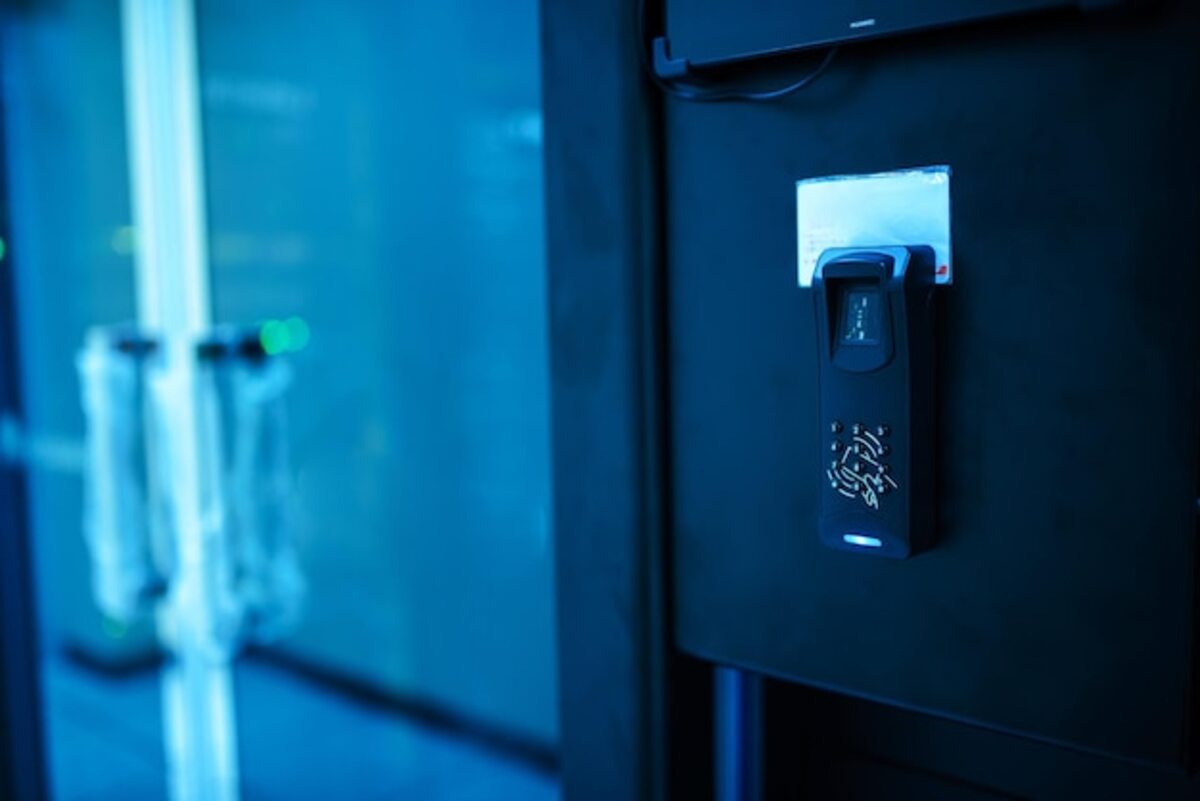
Ensuring trust in your new home is essential for enjoying a safe and comfortable environment. In this article, we will explore the key aspects of security and technology that will help you feel protected and at ease. From advanced alarm systems to home automation solutions, you will discover how to implement effective measures that not only safeguard your space but also enhance your quality of life. Get ready to transform your home into a safe haven!
The importance of a good lock: What features to look for?
A good lock is the first step to protecting your new home, and it is essential to choose one that offers robustness and trust. When looking for locks, it is important to consider features such as the manufacturing material; stainless steel locks are highly recommended for their resistance to wear and corrosion. Additionally, opt for models that have security certifications, such as grade 1 or 2, which guarantee a higher level of protection against forced entry attempts. Technology also plays a crucial role; smart locks offer additional features such as remote control and real-time notifications, allowing you to keep an eye on home security from anywhere.
Another key aspect when selecting a lock is the type of mechanism it uses. Double-cylinder locks can provide greater security in areas where there are windows close to the door, while locks with a numerical combination eliminate the need for physical keys and make it easier for family or friends to access without compromising security. Don't forget to also consider the ease of installation and maintenance; a lock that is complicated to install or repair can become a long-term problem. By taking these features into account, you can ensure that you choose a lock that not only meets your aesthetic needs but also your expectations for security and functionality.
Advertisements
Security systems: Alarms or cameras? Pros and cons.
Security systems have become a primary necessity for any home, and when considering between alarms and cameras, it's essential to evaluate the pros and cons of each option. Alarms are devices that detect intrusions or unauthorized movements and emit a loud sound to deter criminals. Their main advantage is immediacy; if activated, they alert residents and can notify authorities. However, their effectiveness may be limited if no one is home or if the system is not connected to a professional monitoring service. On the other hand, security cameras offer a visual solution that allows you to monitor your home in real-time from anywhere thanks to connectivity with mobile devices. Their ability to record images provides valuable evidence in case of incidents and can deter criminal behavior simply by their visible presence. However, the initial cost of installation and maintenance may be higher than that of a basic alarm, and it also raises privacy concerns if not managed properly. Ultimately, the choice between alarms or cameras will depend on your specific needs and the level of protection you wish to implement in your new home.
Home automation: Total control from your smartphone.
Home automation has become an essential tool for those looking to maximize security and comfort in their homes. With total control from your smartphone, you can manage various devices such as security cameras, smart locks, and lighting systems, all through a single app. This not only allows for constant monitoring of your home but also provides peace of mind knowing you can act quickly in case of any eventuality. The ability to schedule routines or receive real-time alerts ensures that you are always aware of what is happening in your space.
Additionally, the integration of smart technology not only enhances security but also optimizes energy consumption and facilitates daily tasks. For example, you can schedule the lights to turn on automatically at dusk or adjust the thermostat temperature from anywhere. This connectivity not only provides convenience but can also help prevent dangerous situations, such as leaving a window open or forgetting to activate the alarm system when leaving. Ultimately, having an automated home significantly increases your level of confidence and satisfaction, ensuring that every corner is designed to offer you protection and well-being.
Smart lighting: An ally in nighttime security.
Smart lighting has become an essential component for enhancing nighttime security in our homes. These systems allow for remote control of lights and scheduling specific times for them to turn on and off automatically. This way, they simulate the presence of people at home, deterring potential intruders and providing a sense of security for both residents and their visitors. Additionally, many smart lighting devices are compatible with virtual assistants, enabling lights to be activated through voice commands or mobile apps from anywhere.
Another notable aspect is the possibility of integrating smart lighting with other home security systems. For example, upon detecting unusual movements through cameras or sensors, the system can automatically turn on exterior or interior lights, illuminating strategic areas and increasing visibility. This combination not only enhances security but also provides comfort and peace of mind knowing that your home is protected against any eventuality. Adopting technologies like these is a significant step towards a safer and more welcoming environment.
Remote monitoring: Stay connected through technology.
Remote monitoring has become an essential tool for those looking to maintain the security of their home even when they are not present. Thanks to mobile applications and connected devices, you can monitor your property in real-time from anywhere in the world. Smart security cameras, motion sensors, and alarm systems are integrated into a digital platform that allows you to receive instant notifications about any suspicious activity. This constant connection not only provides peace of mind but also enables you to act quickly in the face of potential threats.
In addition to security, remote monitoring also offers the ability to manage other aspects of the home. You can control lighting, thermostats, and appliances, all from your smartphone. This functionality not only optimizes energy efficiency but also adds convenience to your daily life. Imagine being able to turn on the lights or adjust the thermostat before arriving home; these small actions can make a big difference in your quality of life. By integrating advanced technology into your home, you ensure a safer and more welcoming environment for you and your loved ones.
Perimeter security: Protecting the exterior of your property.
Perimeter security plays an essential role in protecting your home, as it serves as the first line of defense against intrusions and external threats. Implementing adequate measures, such as sturdy fences, high walls, and strategic lighting systems, can deter potential intruders and provide a sense of security both inside and outside your property. Additionally, considering the use of surveillance cameras and motion sensors at access points can offer you constant visibility of what occurs outside, allowing you to react quickly to any suspicious situation.
Complementing these strategies with advanced technology can take perimeter security to a new level. Intelligent systems that integrate with mobile applications allow you to monitor your home from anywhere in the world. For example, receiving instant alerts about unusual movements or having access to your camera recordings in real time are features that not only enhance security but also provide peace of mind knowing that you can control and supervise your environment even when you are far away. Making the exterior of your property a safe space is essential to ensure the necessary confidence to fully enjoy your new home.
Fire protection: Technology that saves lives.
Fire protection is a critical aspect of home safety, and today, technology has advanced significantly to offer solutions that can save lives. From smart smoke detectors that send alerts to your phone to automatic sprinkler systems that activate upon detecting heat, these innovations not only enhance safety but also provide peace of mind to occupants. Implementing a comprehensive fire detection and extinguishing system can be the difference between a safe evacuation and a devastating tragedy. Furthermore, the integration of technologies such as surveillance cameras and motion sensors allows for monitoring the most vulnerable areas of the home. By receiving instant notifications about any suspicious activity or changes in the environment, you can act quickly to address a potential fire before it becomes a disaster. These tools are essential for creating a safe and reliable environment where you can fully enjoy your time without worries. Investing in technology for fire protection is investing in your peace of mind and the safety of your loved ones.
The combination of interconnected devices and early alerts not only improves your response to emergencies but also allows you to maintain constant control over what happens inside and around your home. Being well-informed and prepared is key to ensuring that every corner is adequately protected, allowing you to live confidently in your new refuge.
Tips for creating a safe community: The role of the active neighbor.
An active neighbor can be a key element in creating a safe community. Fostering close relationships with those who live around you not only helps build a sense of belonging but also creates an environment where everyone feels responsible for the well-being of the neighborhood. Organizing community meetings, exchanging contact numbers, or simply greeting your neighbors when you pass by can build trust and facilitate communication. When residents know each other's routines and schedules, it becomes easier to identify unusual or suspicious activities, which is an effective first step in preventing uncomfortable or dangerous situations.
Additionally, getting involved in local initiatives such as neighborhood watch groups or community safety programs can further strengthen this support network. By working together to establish safety protocols and share information about available resources, neighbors can create a safer and more welcoming environment. Active participation in these activities fosters not only mutual vigilance but also the sense of community that is so crucial for collective protection. Ultimately, a committed neighbor cares not only for their own home but also acts as a guardian of the overall well-being of the neighborhood, thereby ensuring the peace of all its residents.
Advertisements
More in Security and Technology
Home, Security and Technology
Early warning systems for smart home security

Home, Security and Technology
Tips to secure your investment when buying property in Costa Rica
Home, Security and Technology
Innovation in security systems for smart homes

Home, Security and Technology
Redefining home security with smart mesh technology
Most viewed in Home

Home, Furniture
Furniture that promotes the art of rest and disconnection

Home, Furniture
How to select furniture that reinforces your investment in Costa Rica
Home, Essential Appliances
Appliances that ensure functionality and style in your home
Home, Security and Technology
Early warning systems for smart home security