
Keys to choosing a neighborhood with high investment potential
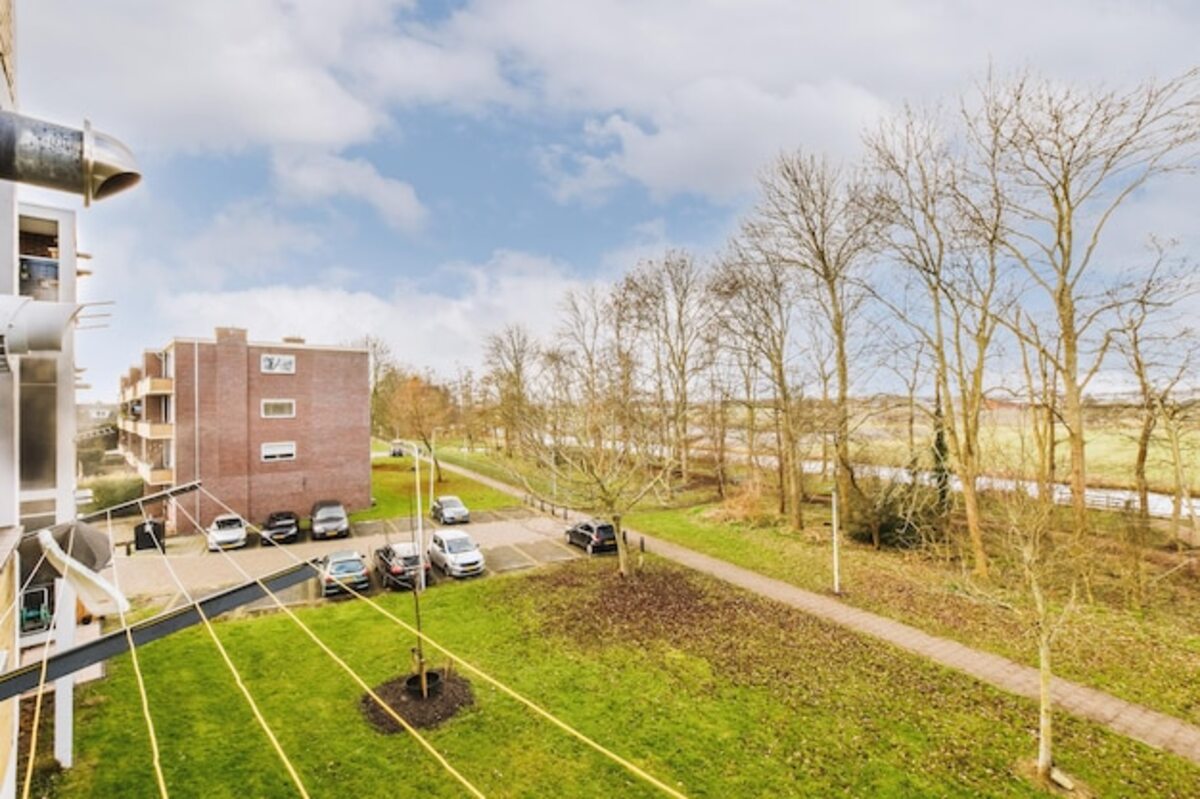
Choosing a neighborhood with high investment potential is crucial for securing a solid financial future. In the vibrant Costa Rican context, location and appreciation are determining factors that can turn a simple purchase into an extraordinary opportunity. This article will provide you with the necessary keys to identify the most promising areas, analyzing essential aspects that not only affect your quality of life but also the value of your long-term investment. Get ready to discover how to make the right choice and maximize your profits!
Analysis of the Local Real Estate Market
The analysis of the local real estate market is the first fundamental step to identify a neighborhood with high investment potential. Understanding current trends in the market, as well as sales and rental prices, will give you a clear view of the economic dynamics of the area. Observe aspects such as the supply and demand for properties, occupancy rates, and the average time a property stays on the market. These metrics are indicative of the interest generated by a specific location and can predict its future evolution.
Additionally, it is essential to consider external factors that influence the local real estate market, such as planned infrastructure projects, commercial developments, or changes in urban regulations. The arrival of new access roads or the construction of shopping centers can significantly increase the area's appreciation. Don't forget to also assess the quality of life that the neighborhood offers: efficient public services, safety, and proximity to schools and hospitals are key elements that will attract future tenants or buyers willing to pay a higher price to live there. With this information in hand, you will be better prepared to make informed decisions that maximize your investment.
Advertisements
Demographic Factors: What to Look For?
When considering demographic factors in choosing a neighborhood with high investment potential, it is essential to pay attention to the population composition. This includes aspects such as age, educational level, and the cultural diversity of the residents. A neighborhood with a young and educated population often indicates a dynamic labor market and a growing demand for housing, which can translate into an increase in property values over time. Likewise, areas that attract young professionals tend to adopt modern trends and lifestyles that can enhance the appeal of the place.
Another key demographic aspect is the population growth rate. An expanding neighborhood suggests opportunities for future investments, as an increase in population generally implies a higher demand for services and goods, from schools to local businesses. Additionally, it is important to observe the average income of the residents; areas with higher incomes tend to offer economic stability and lower risk in terms of real estate vacancies. Thus, by analyzing these demographic factors, you can make informed decisions about where to invest and which areas are more likely to thrive in the future.
Infrastructure and Services: Keys to Assess a Neighborhood
The infrastructure and services available in a neighborhood are essential not only for the quality of life of its residents but also for its investment potential. A well-connected area, with access to main roads, efficient public transportation, and bike lanes, tends to attract more buyers and renters. Additionally, having basic services such as drinking water, electricity, and sewage is crucial; without these amenities, property values can be negatively affected. Proximity to hospitals, schools, and shopping centers also significantly adds to the appeal of the place. A neighborhood that offers these essential elements can be seen as more desirable, which boosts its value.
On the other hand, it is important to analyze the planned infrastructure investments for the area. Future projects such as the construction of new roads or the expansion of public transportation may indicate significant growth in property values. Additionally, the development of recreational and cultural spaces enhances the quality of life and can make a neighborhood more attractive to both families and young professionals. By considering these factors, not only is the present of the area evaluated, but also its future potential as a smart investment option to secure a positive long-term return.
Future Projects: Anticipating Growth
Anticipating the growth of a neighborhood involves careful research on urban trends and projected development in the area. Factors such as infrastructure planning, the arrival of new businesses, and government plans to improve public spaces are key elements to consider. Additionally, it is essential to pay attention to the demand for housing in the area; an increase in population is often accompanied by a greater need for services such as schools, hospitals, and shops, which can result in a significant increase in property value over time. Investigating these dynamics will allow you to not only identify current opportunities but also to foresee how those spaces will transform in the future.
Collaboration between the public and private sectors also plays a crucial role in the growth of a neighborhood. Investments in community projects, parks, or transportation improvements can attract more residents and interested investors. Staying informed about these initiatives will help you make informed decisions about where to invest. Likewise, observing demographic patterns and cultural changes within the area can provide valuable insights into its evolution. By anticipating these developments, you can strategically position yourself ahead of other investors, thereby ensuring a competitive advantage that maximizes your long-term returns.
Safety and Quality of Life: Essential Elements
Safety and quality of life are two fundamental pillars when choosing a neighborhood with high investment potential. A safe environment not only protects your assets but also promotes a sense of well-being and tranquility among residents. Communities with low crime rates tend to attract families, professionals, and seniors looking for a place where they can enjoy their daily lives without worries. Additionally, access to basic services such as hospitals, schools, and parks significantly contributes to the appeal of the neighborhood, resulting in increased demand for properties in those areas.
Quality of life is intrinsically linked to the infrastructure and amenities available in the neighborhood. Well-maintained public spaces, recreational options, and good connectivity to other urban areas are features that not only enhance daily comfort but also increase property value over time. Investing in an area where residents enjoy a healthy and active lifestyle is key to ensuring that your investment appreciates properly. Therefore, when evaluating a potential neighborhood, it is crucial to research not only security statistics but also how these impact the overall quality of the residential environment.
Access to Public Transportation and Main Routes
Access to public transportation and main routes is a key factor when choosing a neighborhood with high investment potential. The connectivity of an area not only improves the quality of life for its residents but also increases its appeal to future buyers or renters. A well-connected neighborhood allows residents to easily commute to their workplaces, schools, and recreational areas, resulting in higher demand for properties in that area. Additionally, proximity to train stations, bus stops, and main roads can directly influence property value, as homes located in these areas tend to appreciate more quickly.
Considering urban development projections can provide you with a clear insight into how access to transportation will evolve in the future. Often, areas that are planned to receive new public transportation lines or improvements in road infrastructure experience a significant increase in their property value. Therefore, researching municipal and regional plans can be crucial for identifying the most promising opportunities. Ultimately, good access to transportation not only facilitates daily life but also translates into a more secure and profitable long-term investment.
Evaluation of the Educational Offer in the Area
The quality of the educational offering in a neighborhood is a determining factor that not only influences the daily lives of families but also directly impacts property values. Areas with good schools and educational programs tend to attract more potential buyers, especially those looking to settle down long-term. This translates into higher real estate demand and, consequently, an appreciation in property values. Therefore, assessing the proximity and quality of educational institutions should be an integral part of the analysis when considering an investment.
It is also important to observe the diversity and accessibility of the educational options available. A neighborhood that offers choices from preschool education to universities may be more attractive to young families and professionals. The existence of extracurricular programs, cultural and sports activities also adds value to the educational environment and contributes to the overall development of children. In summary, investing in an area with a strong educational foundation not only promotes family well-being but also ensures a prosperous future for your real estate investment.
Culture and Community: The Value of Living Well Together
Culture and community play a fundamental role in the choice of a neighborhood with high investment potential. When selecting a place to live, it is essential to consider how residents relate to each other and how different cultural expressions integrate into the environment. A neighborhood that promotes community activities, such as fairs, festivals, and sporting events, not only creates a sense of belonging among its residents but also attracts new tenants or buyers. Cultural diversity can enrich social life and enhance the area's appeal, which in turn can translate into increased real estate demand and a rise in property values.
Additionally, thriving in a strong community can create a conducive environment for personal and professional development. Positive interpersonal relationships contribute to a high quality of life, which is highly valued by those looking to settle in a new area. Neighborhoods where residents actively participate in local decisions or improvement initiatives tend to be more economically stable. Therefore, when evaluating an area for potential investment, it is advisable to research the social and cultural dynamics that develop there; this will not only ensure your daily well-being but also represent a smart strategy to maximize your long-term investment return.
Professional Advice: The Importance of Consulting Experts
Professional advice is an invaluable tool when it comes to investing in real estate, especially in a dynamic market like Costa Rica. Consulting with experts in real estate investments, local agents, or financial advisors can provide you with detailed and updated information about neighborhoods that are emerging as high-potential areas. These professionals have trend analyses, data on growth rates, and knowledge of local infrastructure, which will enable you to make more informed decisions. Additionally, their experience can help you avoid common mistakes that could cost you time and money.
Advisors can provide you with an objective perspective on the opportunities and challenges of each area. While your intuition and personal preferences are important, having a balanced approach that includes the opinion of someone familiar with the market can make the difference between a successful investment and a bad deal. Therefore, don't hesitate to seek professional advice to maximize your chances of finding a neighborhood with high potential that aligns not only with your financial goals but also with your lifestyle. On this path to a smart investment, expert knowledge is your most valuable ally.
Advertisements
More in Community Living

Location and Value, Community Living
The impact of accessibility on the value of your property

Location and Value, Community Living
Where to invest in properties: keys for a successful location

Location and Value, Community Living
Real estate opportunities: the hidden potential of your neighborhood

Location and Value, Community Living
The historical legacy and its impact on the appreciation of your home.
Most viewed in Location and Value

Location and Value, Best Areas
House rents in October: what rose and what fell

Location and Value, Best Areas
The housing market in October: what rose and what fell

Location and Value, Best Areas
The lot market in October: what rose and what fell
Location and Value, Community Living
The impact of accessibility on the value of your property